





 Portuguese
  English
  Spanish
 5 min of reading
  0 comments


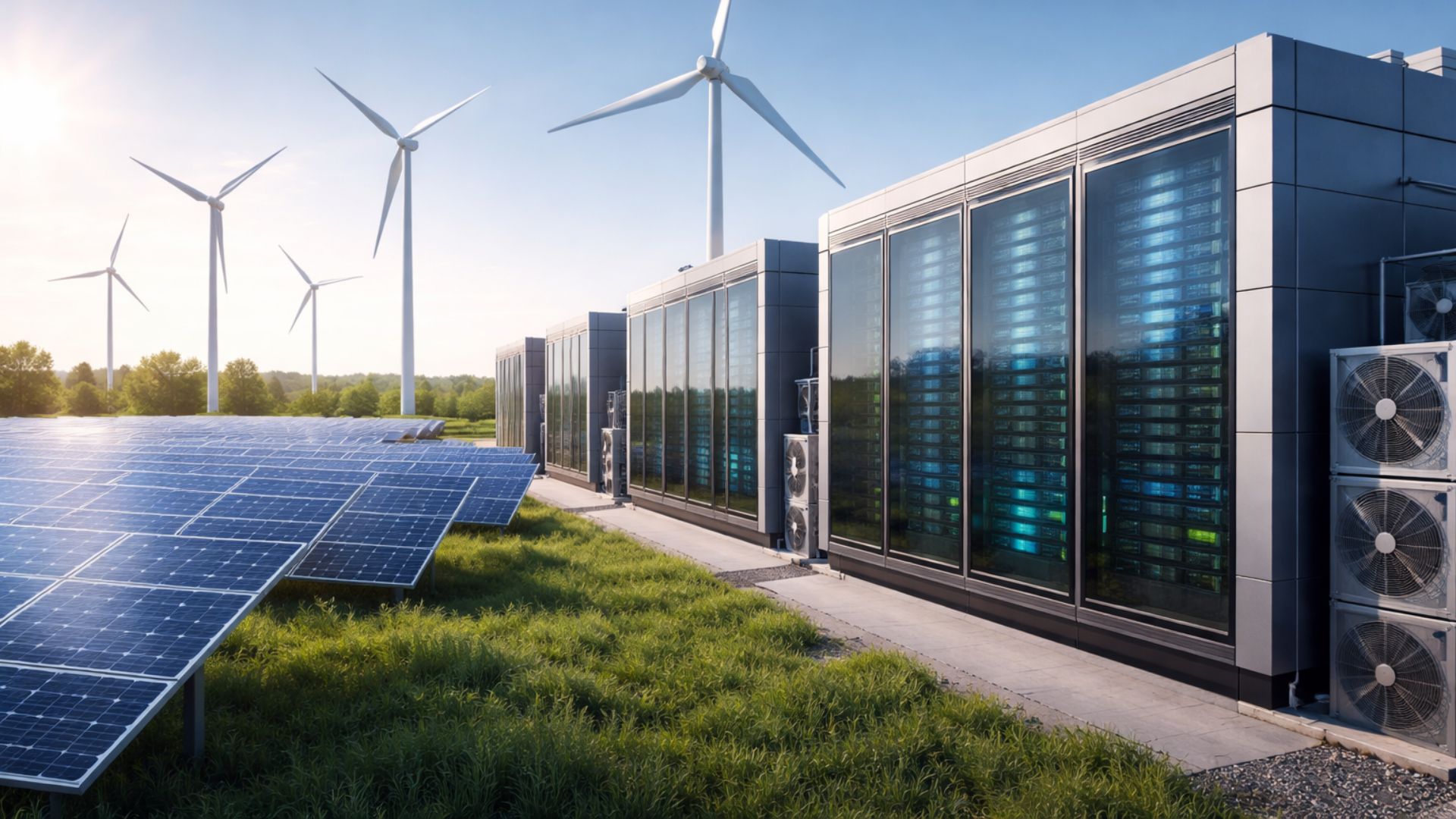
PNAST, New Guideline from the Federal Government Repositions Ceará on the Energy Map, Prioritizes 19 Projects, Reorganizes Access to the Electric System, and Boosts Data Centers, Renewable Energy, and Strategic Investments
In December 2025, the Federal Government instituted a structural change in the Brazilian electric sector by officially establishing the National Policy for Access to the Transmission System (PNAST). Created by the Ministry of Mines and Energy (MME) and formalized by Decree No. 12,772, dated December 5, 2025, the new policy can remove 19 projects of data centers and renewable energy from the queue of the National Electric System Operator (ONS) in Ceará, including initiatives focused on green hydrogen.
PNAST Changes Access Rules to the Electric System and Benefits Ceará
According to an article published by Diário do Nordeste this Thursday (25), the measure alters the historical logic of access to the National Interconnected System (SIN), allowing strategic projects to have priority.
The impact is direct on the Northeast, a region that concentrates a large part of renewable generation projects and new industrial demands of high energy load, in addition to being an emerging pole for investments related to energy transition and the digital economy.
-
Renewable energy advances over protected areas in Brazil, and a survey by the Energy Transition Observatory reveals silent impacts that challenge environmental conservation and pressure sensitive traditional territories.

-
Rio Grande do Sul accelerates energy transition: State invests in renewable technologies and consolidates decarbonization strategies and pathways to attract billions in new industrial investments.

-
With 160,000 m² of collectors, an area larger than 20 football fields, Silkeborg, in Denmark, hosts a solar thermal plant that heats 19,500 homes and could become the largest solar heating plant in the world.

-
A study reveals the expansion of renewable energy procurement in Brazil and shows how companies are taking advantage of opportunities to reduce expenses, ensure energy efficiency, and strengthen strategic environmental commitments.


The PNAST was developed to address increasing bottlenecks in access to the transmission network. Until then, the model followed exclusively the chronological order of requests, resulting in a congested queue that was poorly aligned with the real needs of the system.
With the new policy, the temporal criterion is no longer absolute. The government can now prioritize projects considered strategic for economic development, energy transition, and the security of the electric system. In this context, Ceará emerges as one of the main beneficiaries.
The state has favorable technical and geographical conditions for renewable energy, in addition to attracting large industrial projects that are electricity-intensive, such as data centers and low-carbon hydrogen plants.
Details of the 19 Strategic Projects in Ceará with PNAST
Of the 19 projects located in Ceará, seven are focused on green hydrogen production and were already in the ONS queue before the decree was issued. According to the Ceará Infrastructure Secretariat (Seinfra), these projects belong to the companies Voltalia, Casa dos Ventos, and FRV.
These projects have an estimated order of magnitude between 4 and 5 gigawatts (GW), highlighting the energy and economic weight of the initiatives. According to the executive secretary of Energy and Telecommunications at Seinfra, Dickson Araújo, these projects have chronological priority and can be fully approved under the new model.
The other 12 projects were under analysis at the Ministry of Mines and Energy at the time of the policy’s publication and were sent to the ONS thanks to the elimination of the requirement for prior ministerial decree. Among the companies involved are Qair Brasil, Casa dos Ventos, Auren Energia, Energia Verde Cactus, Serena Desenvolvimento de Energia, Fuella AS, and EDF EN do Brasil.
Data Centers and Renewable Energy as a Development Strategy
The connection between data centers and renewable energy is one of the central axes of the new policy. These enterprises demand large volumes of energy continuously, making them strategic consumers in regions with high renewable supply.
In Ceará, this relationship becomes even more relevant due to the state’s high solar and wind potential. The installation of large industrial loads helps absorb excess generation and reduces pressure on the electric system.
Curtailment and the Challenges of Renewable Generation in Ceará
Curtailment is one of the main problems faced by states with large renewable energy production. It occurs when plants need to reduce generation because the system cannot accommodate all the energy produced.
According to energy consultant Adão Linhares, founding partner of Energo Soluções em Energias, the PNAST can help mitigate this problem by facilitating access for projects that demand high energy loads.
Ceará is among the Brazilian states that suffer the most from generation cuts, precisely because it combines strong renewable production with limitations in transmission infrastructure. The prioritization of large consumers, such as data centers and green hydrogen projects, emerges as an alternative to balance supply and demand.
Implementation of PNAST: Transmission Infrastructure and Expansion Limits
Although expanding transmission lines is necessary, experts warn of the long lead times involved. A large transmission line can take four to seven years to complete, while energy generation and consumption projects have shorter timelines.
According to Adão Linhares, many enterprises plan to begin operations by 2027, making it unfeasible to rely solely on the expansion of transmission. In this scenario, the PNAST emerges as an intermediate solution to unlock investments and reduce energy waste.
Access Seasons Reorganize Requests to the SIN
One of the main instruments of the PNAST is the so-called Access Seasons. These are periodic windows organized by the ONS to receive and analyze connection requests to the basic network.
In these windows, projects are evaluated collectively, based on technical criteria, connection feasibility, protocol order, and financial guarantees. The strategy reduces speculation and improves electric system planning.
The first Access Season is expected to occur by October 8, 2026, approximately 10 months after the decree’s publication. From then on, at least two seasons are planned each year.
Economic Impacts and Attraction of Investments in Ceará
The new policy also has direct effects on the economy. By reducing bureaucracy and increasing predictability, the PNAST strengthens the business environment and enhances investor confidence.
For Dickson Araújo, the measure reorganizes the electric sector and allows the Ministry of Mines and Energy to identify, based on requests, where the system needs to be expanded. This accelerates decisions and reduces historical bottlenecks.
The implementation of the PNAST represents a significant advance in how Brazil plans and utilizes its electric infrastructure. By prioritizing 19 strategic projects in Ceará, the policy creates a more efficient, transparent environment aligned with the energy transition.
The unlocking of data centers and renewable energy projects contributes to reducing curtailment, optimizing network use, and driving new investments in clean technology and industry.
More than just reorganizing queues, the new policy redefines priorities and positions the state as one of the main hubs of clean energy and innovation in the country, with lasting impacts on regional and national development.








Seja o primeiro a reagir!