





 Portuguese
  English
  Spanish
  5 min of reading
  27 comments


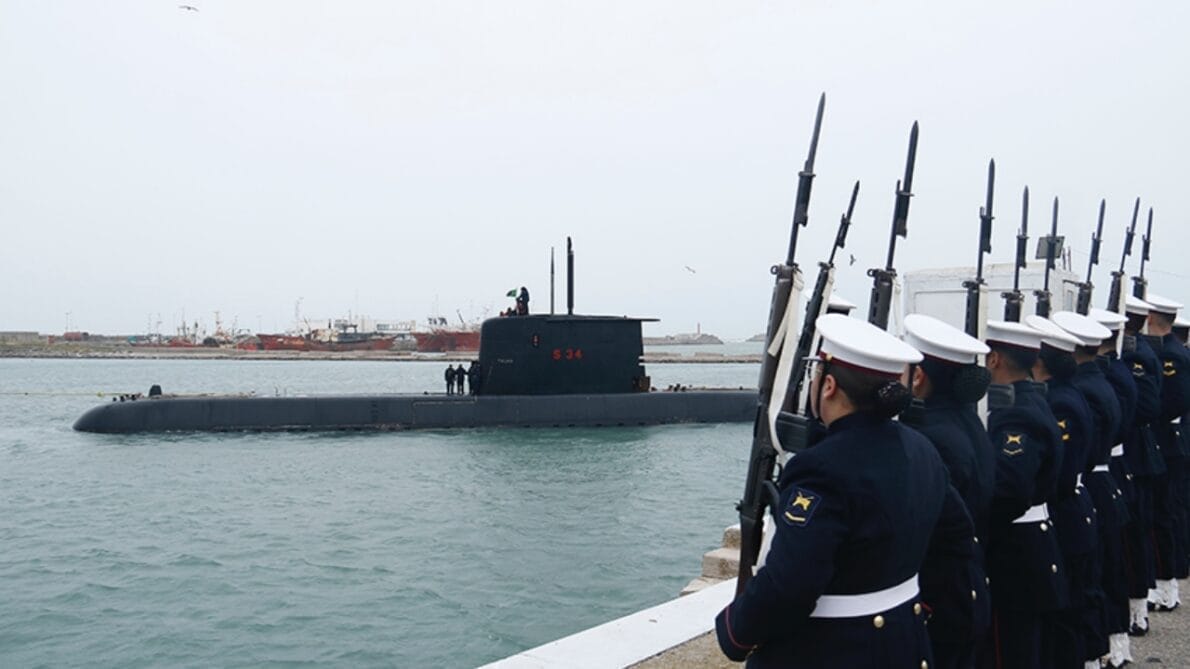


Brazilian Navy Submarine Defeats US Aircraft Carrier in Secret Operation. Discover the Details of This Mission That Shocked the Naval World!
Did you know that the Brazilian Navy has a submarine that can “sink” one of the most powerful nuclear aircraft carriers of the United States? In a tense and strategic military exercise, the Brazilian submarine S34 Tikuna demonstrated its superiority, leaving the US Navy on high alert.
Get ready to discover the details of this surprising operation and understand how the technology and competence of our navy put Brazil on the radar of major naval powers.
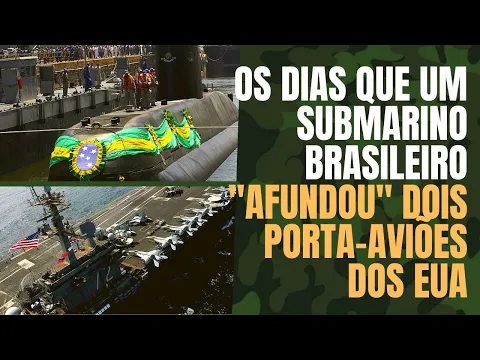

The Impactful Military Exercise of the Brazilian Navy That Sank the American Nuclear Aircraft Carrier
In 2010, a military exercise of the Brazilian Navy went down in history. The S34 Tikuna submarine showcased its remarkable skills in a simulation with the United States Navy, “sinking” an American nuclear aircraft carrier.
-
The U.S. Army receives the first Black Hawk helicopter that can fly without pilots, be controlled by a tablet, and even land on its own during high-risk missions.

-
With 11,000 tons and sensors capable of hunting submarines at long distances, the Type 055 has become one of the most feared floating arsenals of the Chinese navy.

-
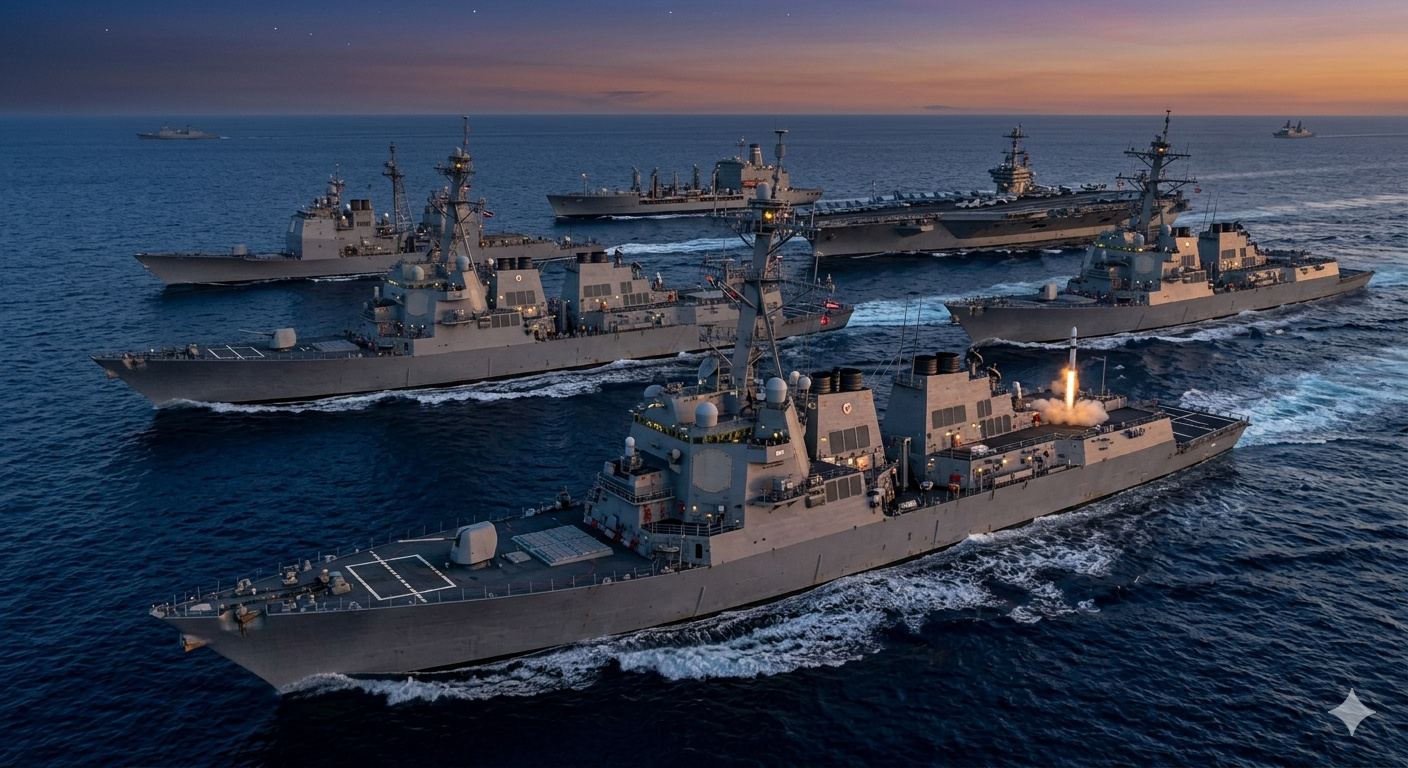
With over 15,000 tons, radars capable of tracking hundreds of targets simultaneously, and more than 120 missiles ready for launch in seconds, modern destroyers cease to be escorts and begin to dominate the naval battlefield.
-
With over 15,000 tons, radars capable of tracking hundreds of targets simultaneously, and more than 120 missiles ready for launch in seconds, modern destroyers cease to be escorts and begin to dominate the naval battlefield.
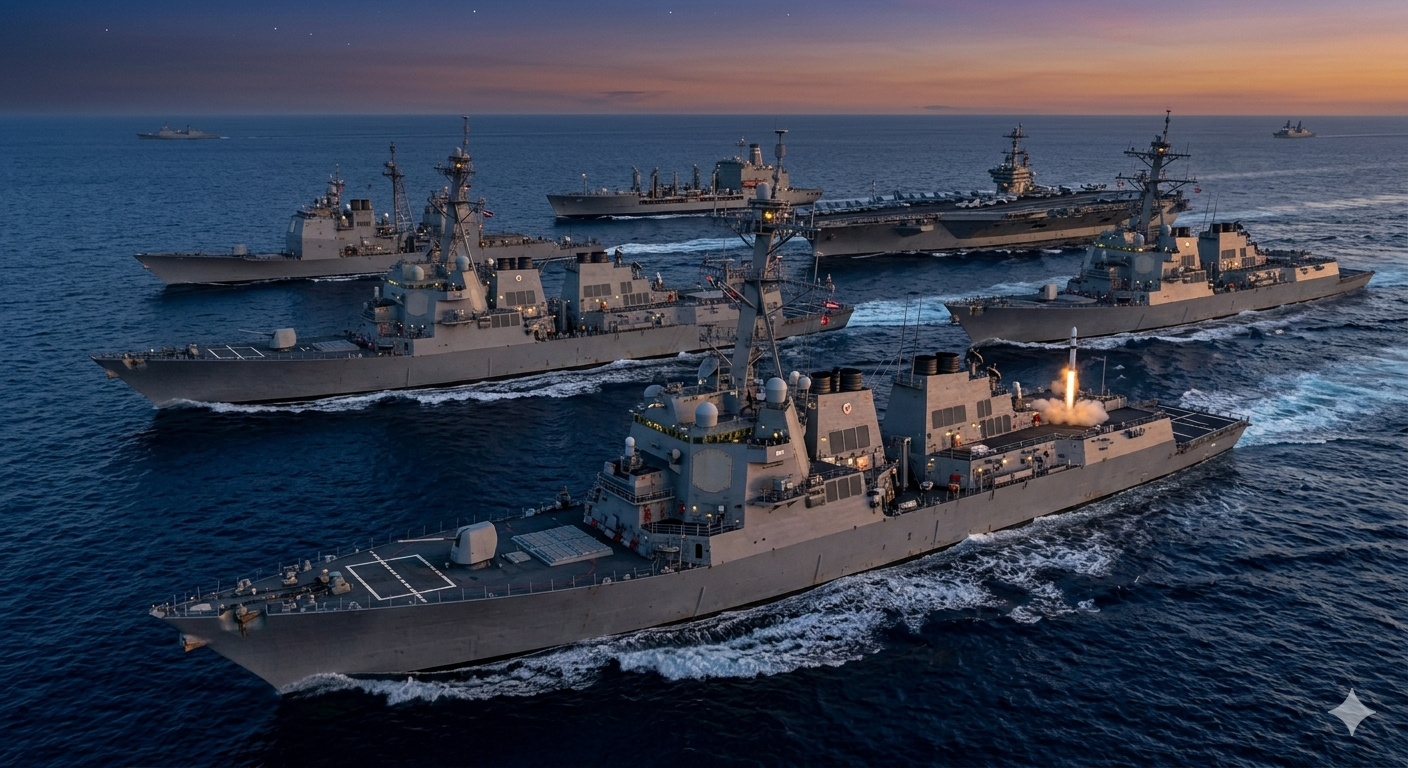

During Operation Parcex 2010, the US mobilized two powerful warships: the cruiser CG 52 USS Bunker Hill and the super aircraft carrier CVN-70 USS Carl Vinson. Combining their aircraft and advanced weapon systems, they formed an anti-submarine warfare task force. The Tikuna, a highly stealthy diesel-electric submarine of the Brazilian Navy, was chosen to simulate the enemy.
The Frigates F40 Niterói and F42 Constituição of the Brazilian Navy, Equipped with Missiles and Anti-Submarine Torpedoes, Also Participated
The Brazilian Navy also participated with the frigates F40 Niterói and F42 Constituição, equipped with anti-submarine missiles and torpedoes. The AH-11A Super Lynx aircraft provided support for the operation. On the first day, under adverse weather conditions and in total radio silence, the US ships and aircraft attempted to locate the Tikuna submarine.
The Tikuna, taking advantage of its stealth, successfully infiltrated. Despite the extensive use of radars and detection systems, the Brazilian submarine was able to approach the American ships and conduct simulated torpedo launches, “sinking” the USS Carl Vinson. This feat was repeated on subsequent days, demonstrating the Brazilian Navy’s effectiveness in naval operations.
Additionally, the Tikuna had already distinguished itself previously. In 2007, it participated in preparation exercises with the USS Harry S. Truman, a US nuclear aircraft carrier. Once again, the Tikuna managed to stealthily approach to an ideal launch distance, showcasing the vulnerability of American ships to well-trained submarines.
Operation Took Place Off the Coast of Rio de Janeiro in a Realistic Naval Warfare Environment
This simulation took place off the coast of Rio de Janeiro, from March 1 to March 3, 2010. During these days, the Brazilian Navy trained its crews in a realistic naval warfare environment, enhancing their maritime defense capabilities.
On the rainy morning of the first day of the exercise, all surface ships, under submarine threat, maintained total radio silence and no illumination. On the horizon, the anti-collision lights of the US SH-60F Seahawk aircraft were relentlessly searching for the Tikuna. However, despite all efforts from the American ships and aircraft, the Tikuna submarine managed to stealthily pass through the radars and escort ships, and with simulated torpedo shots, “sank” the nuclear aircraft carrier of the United States.
It Was Not the First Time That the S34 Tikuna Had Sank a Powerful US Nuclear Aircraft Carrier.
On the third and final day of exercises, once again the S34 Tikuna managed to evade and stealthily pass through the entire American apparatus and “sink” the USS Carl Vinson. Furthermore, sources indicate that this was not the first time the S34 Tikuna had sunk a powerful US nuclear aircraft carrier.
In a real naval warfare situation, the Harry S. Truman and its more than six thousand crew members would hardly have emerged unscathed from that encounter.
In a Real Naval War Situation, the Harry S. Truman and Its More Than Six Thousand Crew Members Would Not Have Survived
Three years prior, in 2007, the United States Navy invited the Brazilian Navy to participate in preparation exercises of the USS Harry S. Truman carrier battle group, held before its deployment to the Persian Gulf. Simulating an enemy submarine, the Tikuna was able to stealthily approach within less than 10 thousand yards of the American nuclear aircraft carrier, an ideal distance for launch. In a real naval war situation, the Harry S. Truman and its more than six thousand crew members would have faced serious threats.
This experience was crucial in enhancing the skills of the Brazilian Navy crews. During these exercises, both the frigates and the submarine Tikuna demonstrated a high level of competence and efficiency in naval warfare operations. The lessons learned significantly contributed to the defensive capabilities of the Brazilian Navy.
Operation Parcex 2010 Showed the World the Competence of the Brazilian Navy
The US Navy, known for its powerful fleet, was surprised by the skill and effectiveness of the Tikuna submarine. This exercise served as an important learning experience for both navies, highlighting the importance of stealth and technology in modern naval operations.
Operation Parcex 2010 showcased the competence of the Brazilian Navy and the capability of its S34 Tikuna submarine. These exercises not only strengthened the ties between the Brazilian and American navies but also provided valuable insights on naval warfare tactics and strategies.
The story of the Tikuna continues to be an example of military excellence and technological innovation. The success of the Brazilian submarine in simulations against some of the most advanced US ships demonstrates the value of rigorous training and naval strategy.
The Brazilian Navy showed the world that, even against formidable adversaries, its combat capability is exceptional. The Tikuna remains a symbol of pride and a reminder of the importance of preparation and innovation in maritime defense.
I would love to know what you think about this incredible operation of the Brazilian Navy. Let us know in the comments section. Don’t forget to leave 5 stars and turn on CPG notifications to keep up with all the news. Until next time!







Parabéns, Marinha do BRASIL.
Continue mantendo as nossas FFAA sempre Preparadas . . . .
Parabéns aos Guerreiros, que Treinam bastante e demonstram capacidade de Proteger o Povo BRASILEIRO, de Ataques externos . . . .
Um Grande Abraço .
J. Firminio.
🇧🇷🇧🇷🇧🇷🇧🇷
.
Respeitosamente
Tem nada de poderoso
Os submarinos atuais são armas formidáveis sem serem poderosos como os submarinos atômicos
A estratégia do Comandante e dos militares que trabalham na navegação e no controle do funcionamento de todos os recursos que estão disponíveis para o submarino ser eficiente é que faz a diferença
Nosso Brasil precisa ter uma frota de no mínimo 5 submarinos em cada estado que tem litoral para evitar uma invasão de Nosso litoral por parte de outros submarinos realmente poderosos e atômicos que seriam capazes de ficar meses na nossa plataforma continental e algemar todo nosso país contra qualquer defesa de nossa Marinha mesmo que tivéssemos 1000 navios de guerra navegando pelo nosso litoral não poderíamos fazer nada contra 1 submarino atômico estrangeiro a cada estado brasileiro que tem litoral
Tecnologia de qual país está nesse submarino brasileiro?