





 English
  Francês
  Alemão
  Italiano
  Japonês
  Norueguês
  Portuguese
  Spanish
  3 min of reading


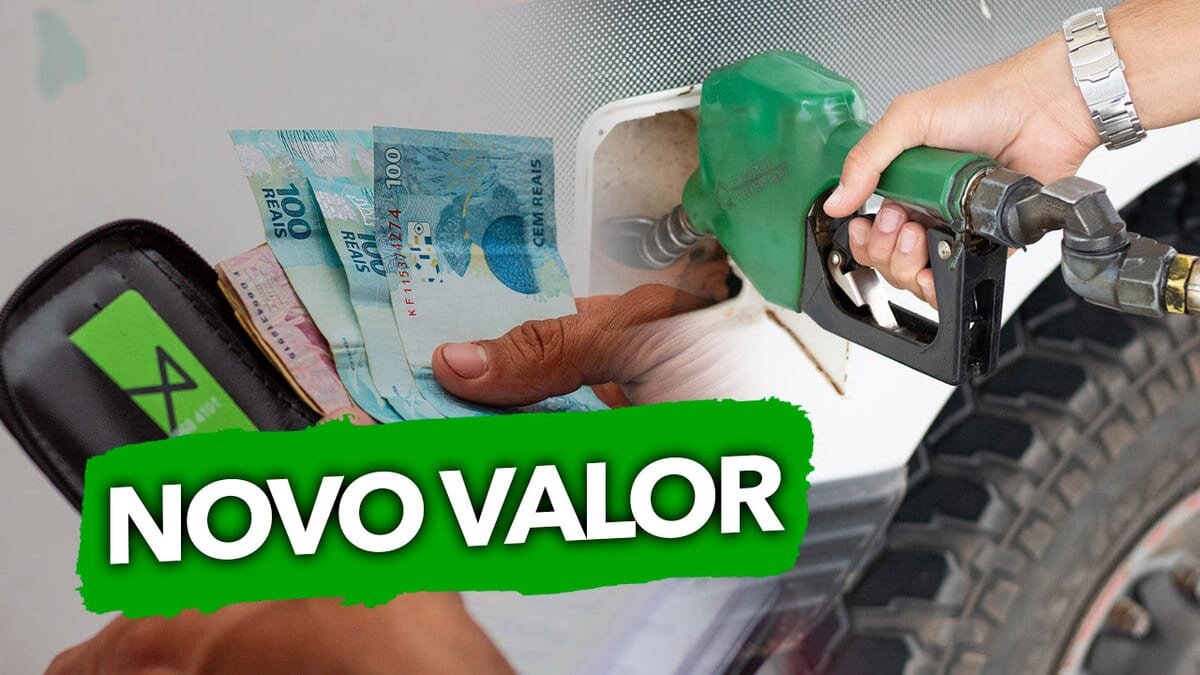
The Executive Secretary of the Ministry of Finance Commented on the Short, Medium, and Long-Term Plans to Control the Prices Charged for Products in Brazil. Gabriel Galípolo Also Stated That the Fuel Pricing Policy Will Depend on Petrobras.
The first days of the new Lula Government are already generating buzz regarding the proposals for the national fuel market. Last Tuesday, (01/03), the Executive Secretary of the Ministry of Finance, Gabriel Galípolo, commented on the future of the pricing policy adopted by Petrobras concerning fuels in Brazil. According to him, the decision on the adjustments of prices will depend on the future presidency of the state-owned company, which is expected to be assumed by Jean Paul Prates.
Ministry of Finance Will Discuss Fuel Pricing Policy, But the Decision Will Come from the Future President of Petrobras, Highlights Galípolo
The last few months have seen significant discussions about the pricing policy adopted by Petrobras for the commercialization of fuels in Brazil, and the impacts on the quality of life of the end consumer.
In this way, the new Ministry of Finance of the Lula Government is working to seek improvements and stabilization in the segment, even dealing with a fiscal deficit left by the Bolsonaro Government.
-
Ocyan opens registrations for startups focused on innovation in the oil and gas sector and will select projects for Innovation Day with the support of Nexio.

-
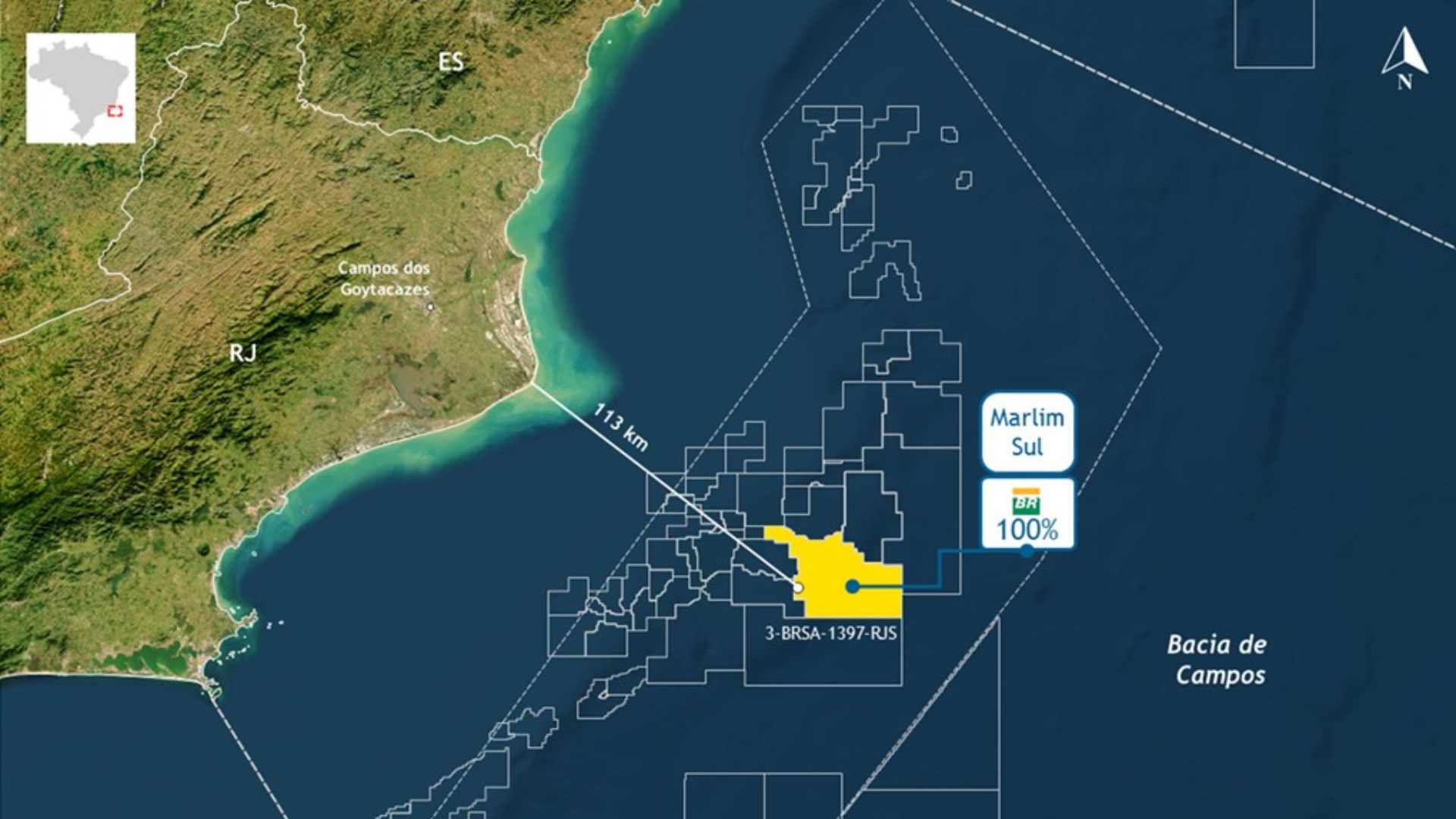
Petrobras announces new oil discovery in the pre-salt of the Campos Basin and reinforces Brazil’s prominence with high-quality reserves that can increase production and energy revenues.
-
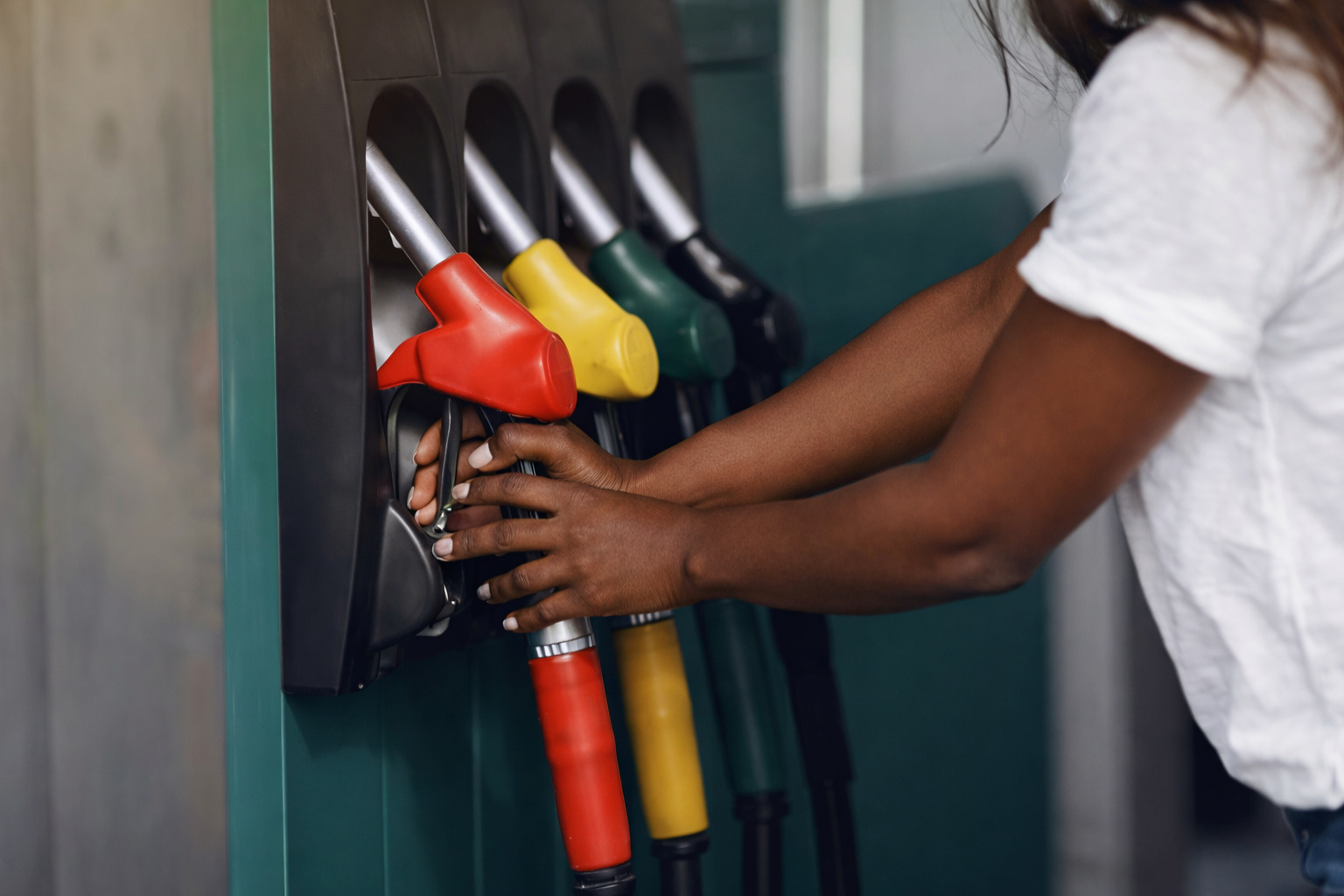
Alert in the fuel market: Analysts and a former director of ANP warn that oil prices may worsen in the coming months due to global instability.
-
Ocyan brings executives and digital solutions to Macaé Energy 2026 and highlights offshore expansion with Nexio and a new base in Macaé.


Thus, the Executive Secretary of the Ministry of Finance, Gabriel Galípolo, commented on the future of the state-owned company’s pricing policy and highlighted that the decision on any changes will be made by the future presidency of the company.
The most likely name currently to take over the company’s administration is Senator Jean Paul Prates, who is expected to become the president of Petrobras in the coming months.
Therefore, the Ministry of Finance should engage in strong dialogue with the senator to check the best pricing model for fuels in Brazil, but will follow the company’s decision.
Today, the pricing policy follows international quotations and is influenced by the exchange rate, something well-regarded by the market.
Jean Paul Prates advocates for the creation of a fund to stabilize fuel prices in Brazil, aiming to reduce the charged value during crises and minimize the impacts on the population.
Plans for Short, Medium, and Long-Term Pricing Policy Are Being Developed with Petrobras
From a fiscal perspective, Galípolo stated that the Ministry of Finance is developing short, medium, and long-term plans regarding the pricing policy for fuels at Petrobras.
Regarding fuels, he said the annualized cost of federal tax exemption for gasoline is approximately R$ 30 billion and R$ 18 billion for diesel, but there has been an assessment that, due to the road transport matrix, fuel costs would affect the prices of basic goods for the population.
The Lula Government began the week by expanding the provisional measure that provides for the exemption of gasoline for another two months and the exemption of diesel until the end of 2023, as a way to control a possible increase in prices.
According to the Executive Secretary of the Ministry of Finance, a series of tax exemptions in the fuel sector are being analyzed to minimize the impact on consumers.
There is also an assessment of spending quality, as occurred with the change in Auxílio Brasil, which led to an increase in single-parent families, since the benefit was granted per family.
“We are studying how to mitigate and reduce the projected fiscal deficit for 2023,” he said in an interview with Globonews.
Now, we just have to wait for the future presidency of the state-owned company to present a new charging model for fuels to stabilize prices in the country.








Seja o primeiro a reagir!