





 Portuguese
  English
  Spanish
  3 min of reading
  10 comments


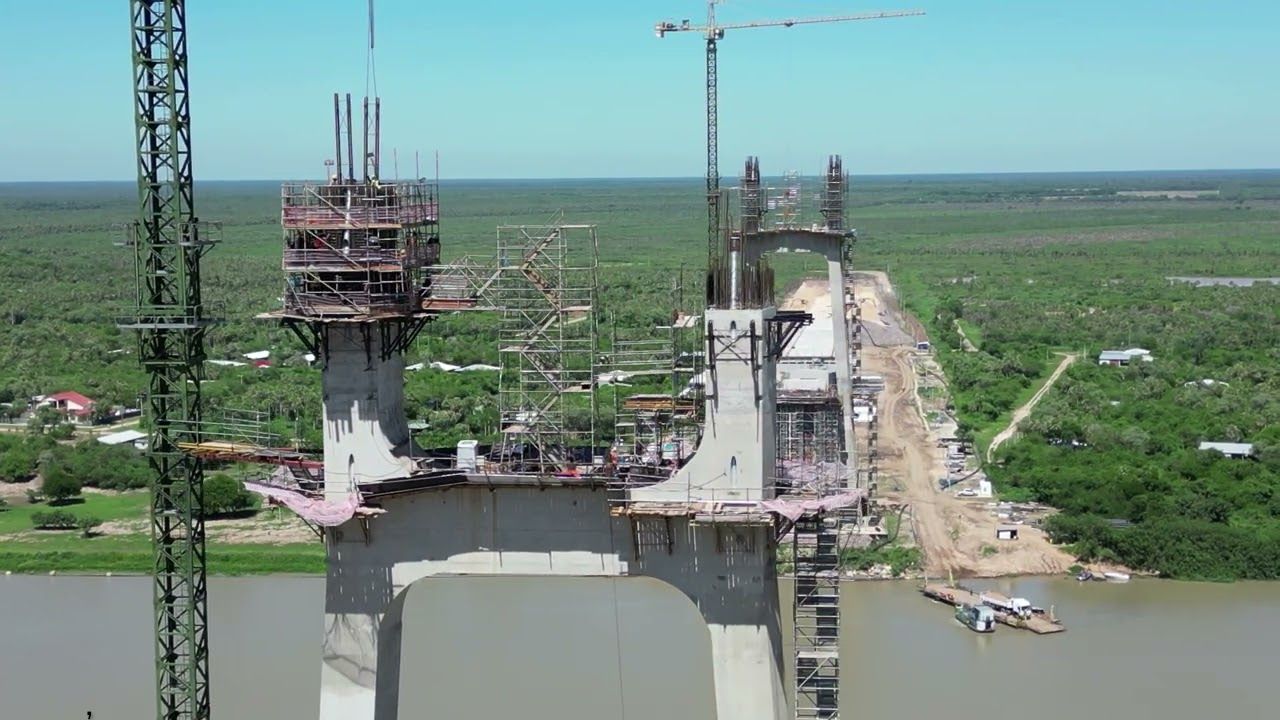


Have You Imagined Cutting Corners and Shrinking Distances Between Brazil and the Pacific Ocean? This Is the Promise of the Bioceanic Bridge, a Project That Has Already Reached 70% of the Works and Is About to Change South American Logistics. The Crossing, Which Will Connect Mato Grosso do Sul to the Ports of Chile, Passing Through Paraguay and Argentina, Represents a Strategic Advance for Commerce and the Regional Economy.
The Governor of Mato Grosso do Sul, Eduardo Riedel, highlighted the importance of the bridge during the International Seminar of the Bioceanic Route, reinforcing that this work of the Bioceanic Bridge is not just a passage, but a corridor of opportunities for export, tourism, and industrial development.
What Is the Bioceanic Bridge and Why Is It Important?
The Bioceanic Bridge Is a Binational Project That Will Facilitate Access for Brazilian Products to the Asian Market, Reducing Costs and Transportation Time. With the New Route, the Path for Exporting Goods Will Be Significantly Shortened, Becoming a More Competitive Alternative to the Traditional Route Across the Atlantic.
The Bridge Will Strengthen Integration Between Brazil, Paraguay, Argentina, and Chile, Boosting Sectors Such as Agribusiness, Industry, and Logistics. For Mato Grosso do Sul, This Infrastructure Is the Key Piece to Consolidate the State as a Strategic Hub in the Bioceanic Corridor.
-
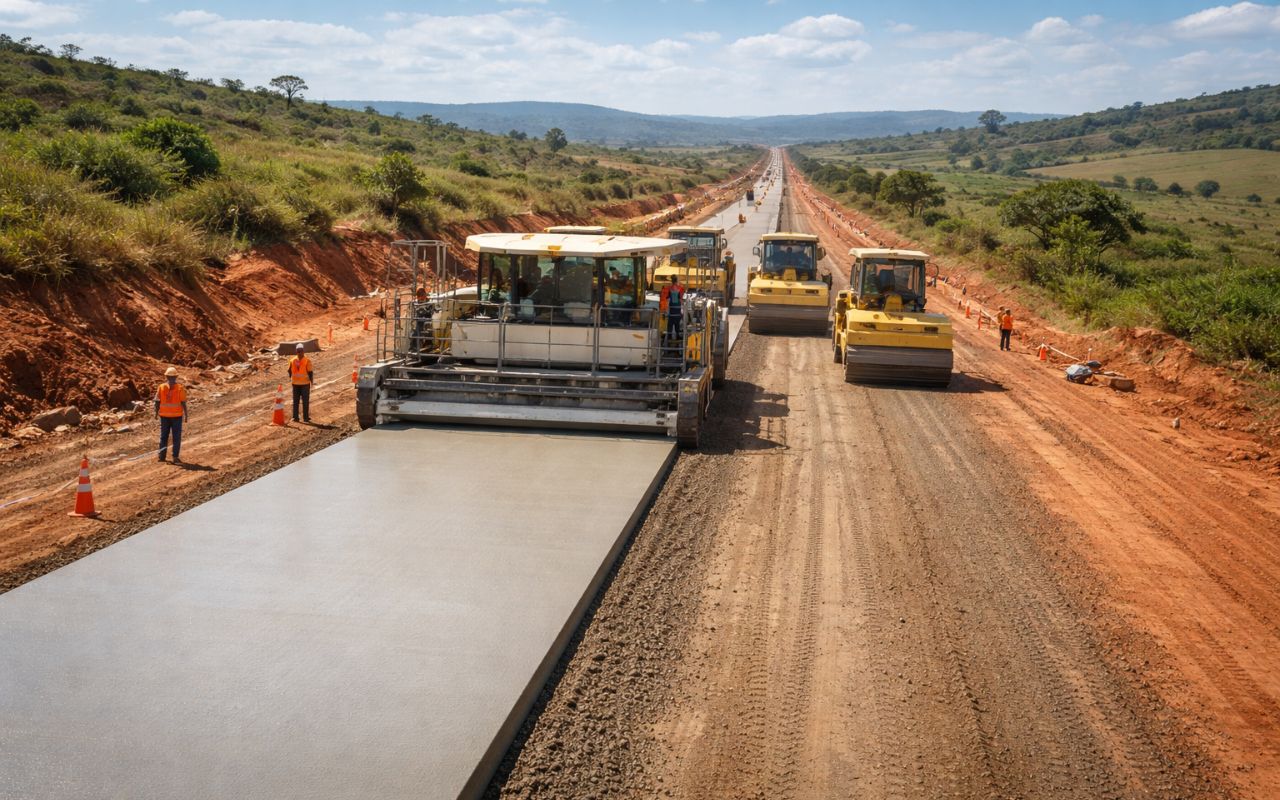
New CCR concrete paving technology promises roads up to 3x more durable, less maintenance, and cost reduction in Brazil.
-
Made from recycled plastic, plastic wood is gaining space in the construction industry because it does not rot, resists moisture, and reduces maintenance costs over the years.

-
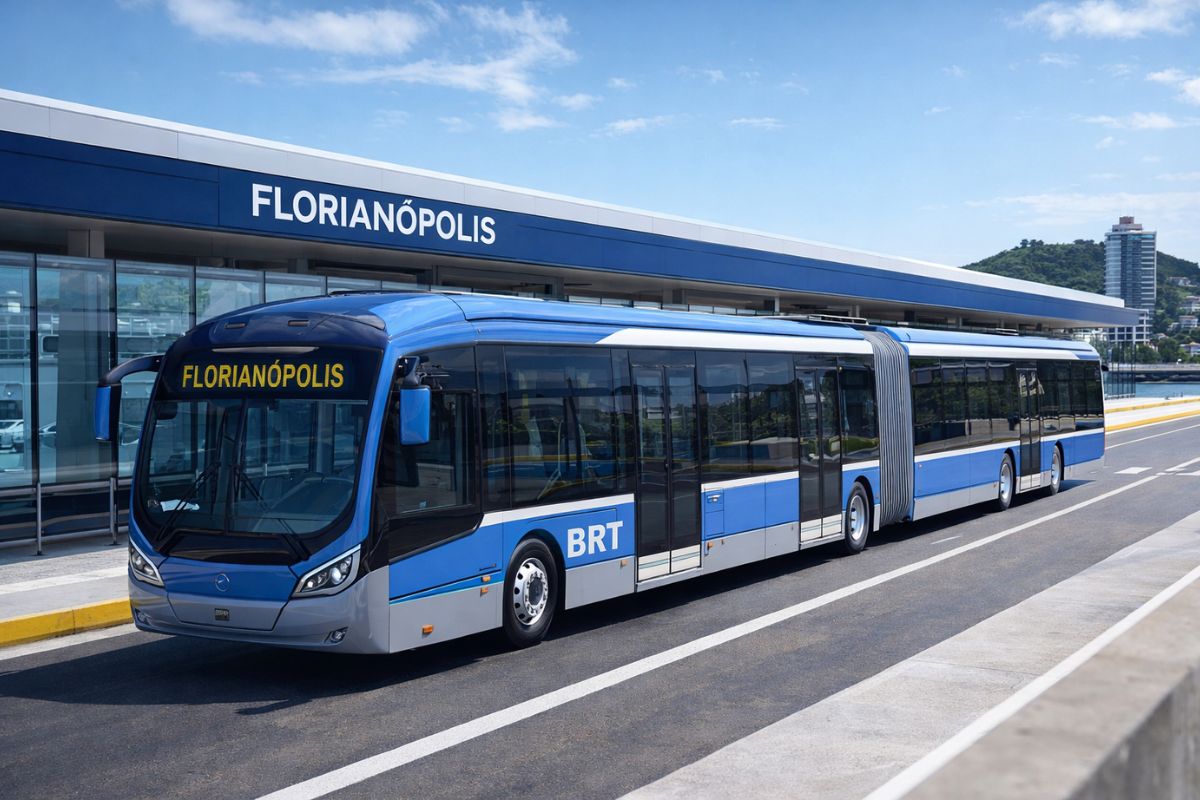
Florianópolis will receive a million-dollar BRT that will begin construction in 2026 with nearly 400 million in funding from the federal government and the Inter-American Development Bank, and the map already shows the routes for the exclusive bus corridors.
-
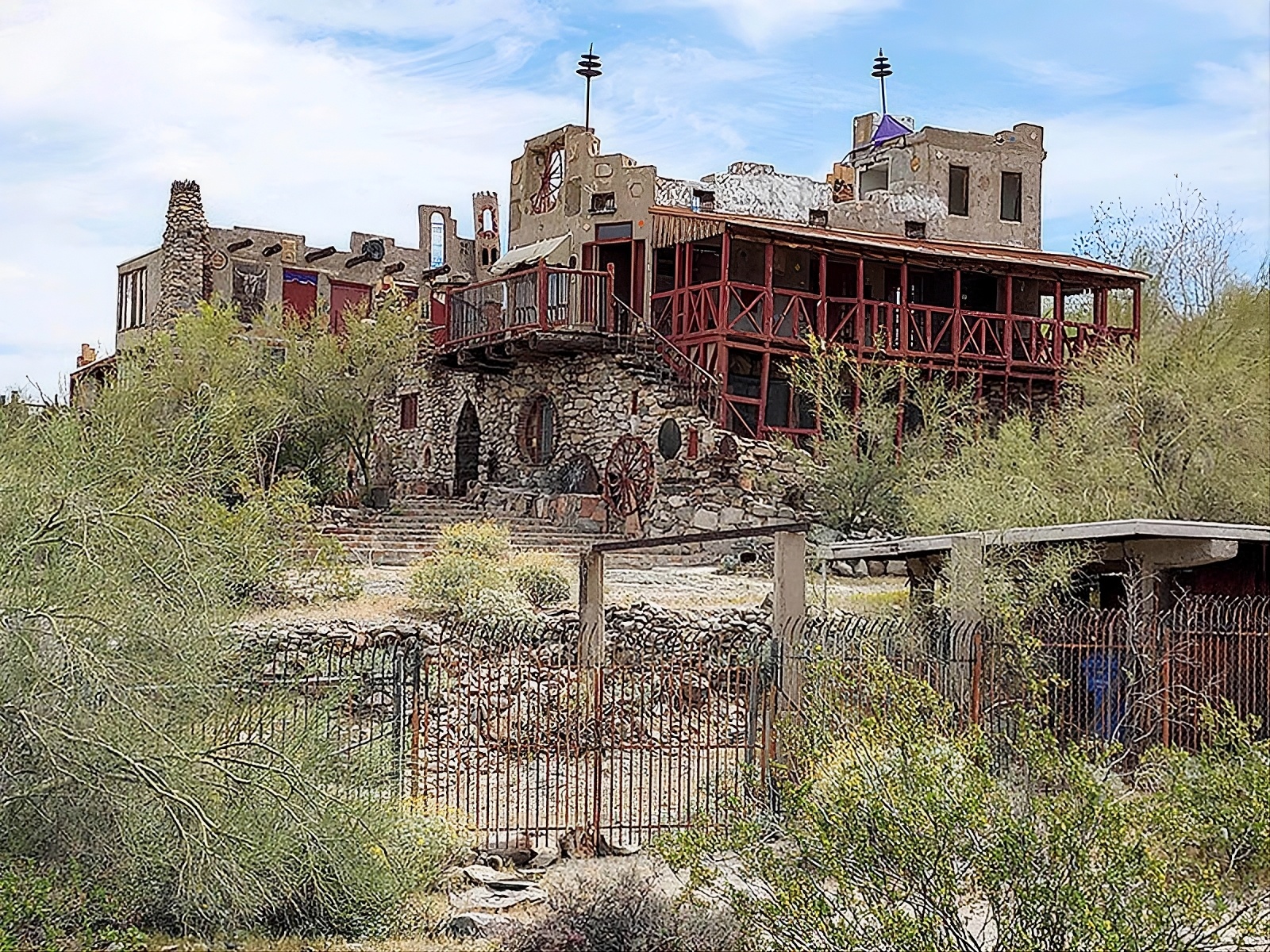
Without a blueprint, without an engineer, and using scrap from the dump, a father spends 15 years building an 18-room castle for his daughter, featuring tram tracks, 13 fireplaces, and over 700 m², which may now be demolished.

The Construction of the Bioceanic Bridge Will Not Only Benefit Brazil. Paraguay and Argentina Will Also Be Directly Impacted, as the New Route Will Facilitate the Flow of Products and Stimulate Investments in the Nearby Regions. With a Faster Route to the Pacific, the Involved Countries Will Have a Significant Boost in Foreign Trade, Strengthening Their Economies.
Progress of the Construction and Details of the Bridge
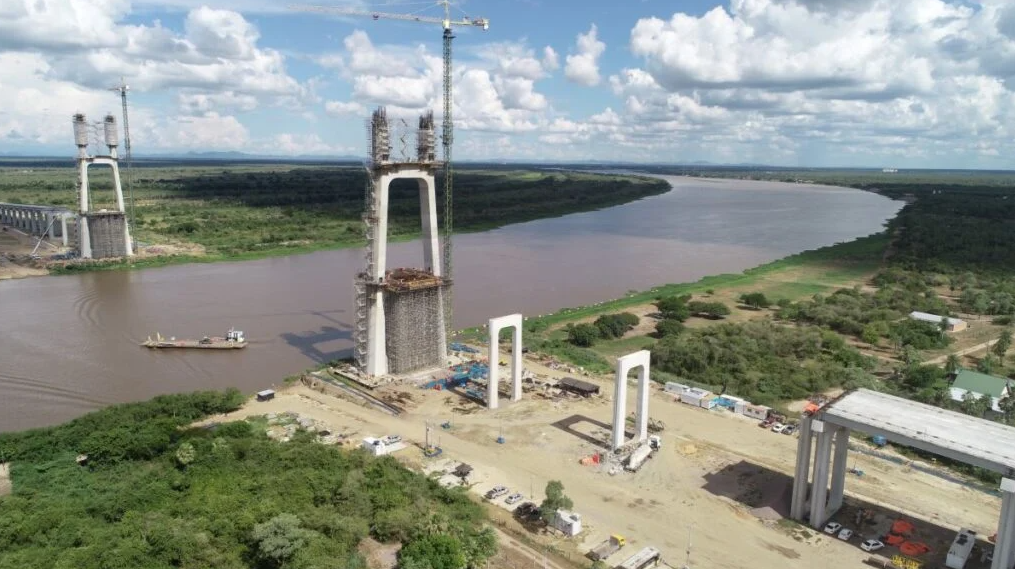
Governor Eduardo Riedel reported that almost 70% of the bridge is already completed, and the forecast from the Paraguayan Ministry of Public Works and Communications (MOPC) is to finish the work by the First Quarter of 2026. The Project Is Advancing According to Schedule, Ensuring That the Infrastructure Is Ready to Revolutionize Transportation in the Region.
The Bridge Will Have a Total Length of 1,294 Meters, Being Divided into Three Segments:
- Two Access Viaducts, One on Each Bank of the River.
- A Stressed Part of 632 Meters, With a Central Span of 350 Meters.
This Configuration Ensures Strength and Efficiency, as Well as Allowing Heavy Cargo Traffic, Essential for the Transport of Agricultural Commodities and Industrial Products.
Economic Opportunities and Billion-Dollar Investments
With the Bioceanic Bridge, the Export of Brazilian Products to Asia Will Become More Agile and Economical. Currently, a Large Part of Exports Occurs via the Atlantic, Which Increases Costs and Delivery Times. With This New Connection, Mato Grosso do Sul Will Become a Key Point in the Flow of Goods to Strategic Markets.
Governor Riedel Projects That This Infrastructure Could Attract Around R$ 70 Billion in Investments in the Coming Years. The Expectation Is That New Businesses Will Arise Around the Corridor, Boosting the Development of Sectors Such as Transportation, Storage, and Foreign Trade.
Cutting-Edge Technology and Engineering in Construction
The Consortium Responsible for the Project, PYBRA, Is Utilizing Advanced Technologies to Ensure the Safety and Durability of the Bridge. With the Piles Already 65% Completed, the Assembly of the Deck Will Start Soon, Giving a Definitive Shape to the Crossing.
The Company Responsible for the Construction Has Extensive Experience in Large-Scale Projects. The Expertise of the Consortium Allows the Work to Progress Within the Established Timeline, While Maintaining High Standards of Quality and Safety.







Enquanto estivermos investindo em rodovias em detrimento as ferrovias no quesito transporte de cargas, estaremos caminhando a passos largos no sentido contrário no que diz respeito à evolução e desenvolvimento logístico. Ferrovias redus custo, tempo e amplia a oportunidade competitiva do Brasil no mercado internacional. Esta passando da hora de termos gestores que pensam em investimento de uso a longo prazo e não de ações para problemas pontuais de curto prazo.
Poderiam ter construindo linha ferrea em conjunto. Pois o transporte ferroviário é o mais barato.
Muito bom, mas enquanto priorizarem o trasporte terrestre no lugar do ferroviário,continuaremos com deficiência logística.A destruição da malha ferroviária já existente no passado e o não crescimento desta depois não foi à toa, foi de caso pensado para favorecer a indústria automobilística com a ajuda dos seus governos onde erram sediadas.Desnecessário dizer que , com ajuda também dos nossos governantes da época , que tanta gente gosta, que devem devem ter enchido seus bolsos. É assim, autoridades corruptas não se preocupam com a nação e seu povo a não ser com eles mesmos.