





 Portuguese
  English
  Spanish
  5 min of reading
  0 comments


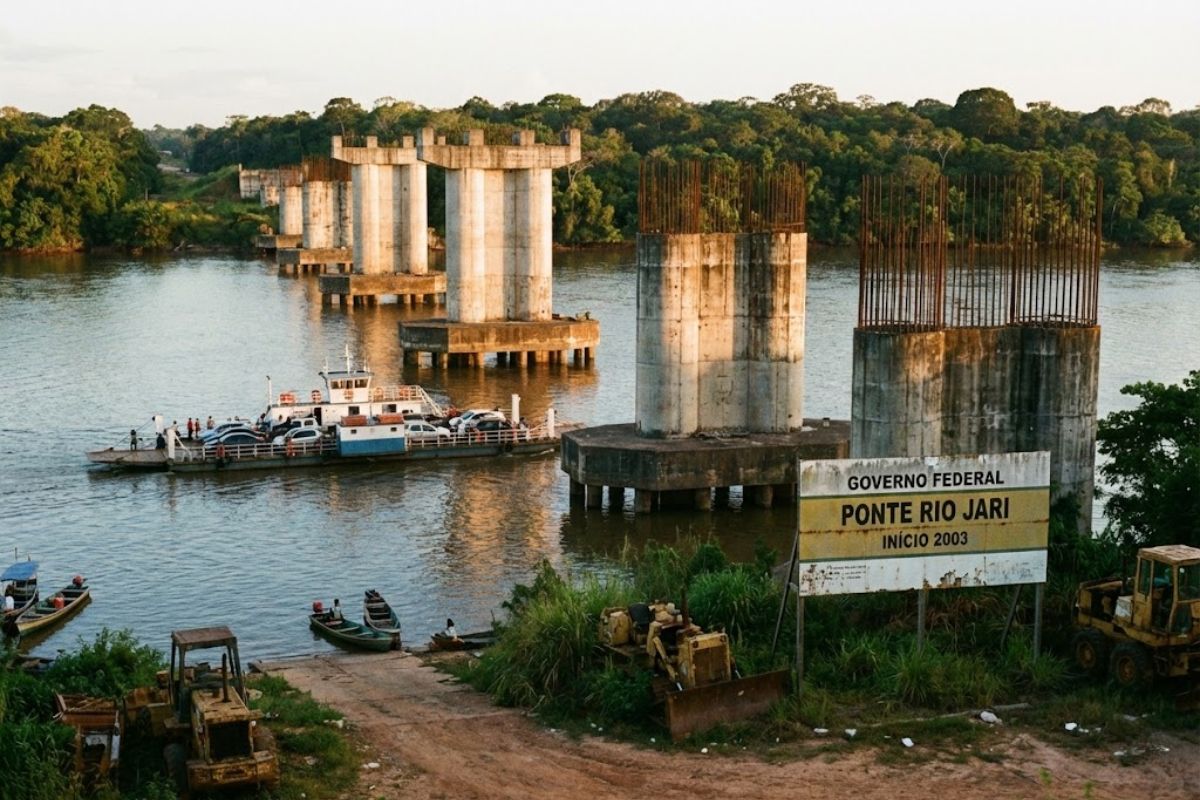
Planned Since 2001, The Jari River Bridge Remains Without Definitive Conclusion, Leaving Laranjal Do Jari and Monte Dourado Dependent on Expensive and Slow Ferries, Holding Back Integration Route 01 and Keeping Transport, Public Services and Regional Production Vulnerable to Delays, Lines, Daily Uncertainties and Logistical and Social Costs
The Jari River Bridge began construction in 2001, with the promise of finally connecting Amapá to the rest of the country by land, but more than 20 years later it still operates at limited capacity and keeps the crossing restricted to ferries. With a length of 406 meters and about R$ 21 million already invested by 2024, the structure has become a concrete landmark of the delay of strategic works in the Amazon.
In 2020, estimates indicated a need for about R$ 60 million additional to complete the Jari River Bridge, a value far below the R$ 400 million that inflated alarming headlines and confused public debate. Since then, the project has been incorporated into the Integration Route 01 of the New PAC, with a forecast of at least an additional R$ 10 million in interventions, but the schedule remains undefined for a population that remains trapped in the schedule and failures of the ferries.
Why The Jari River Bridge Is Strategic For The Amazon

The Jari River Bridge encapsulates a logistical bottleneck that crosses the border between Laranjal do Jari in Amapá and the Pará district of Monte Dourado.
-
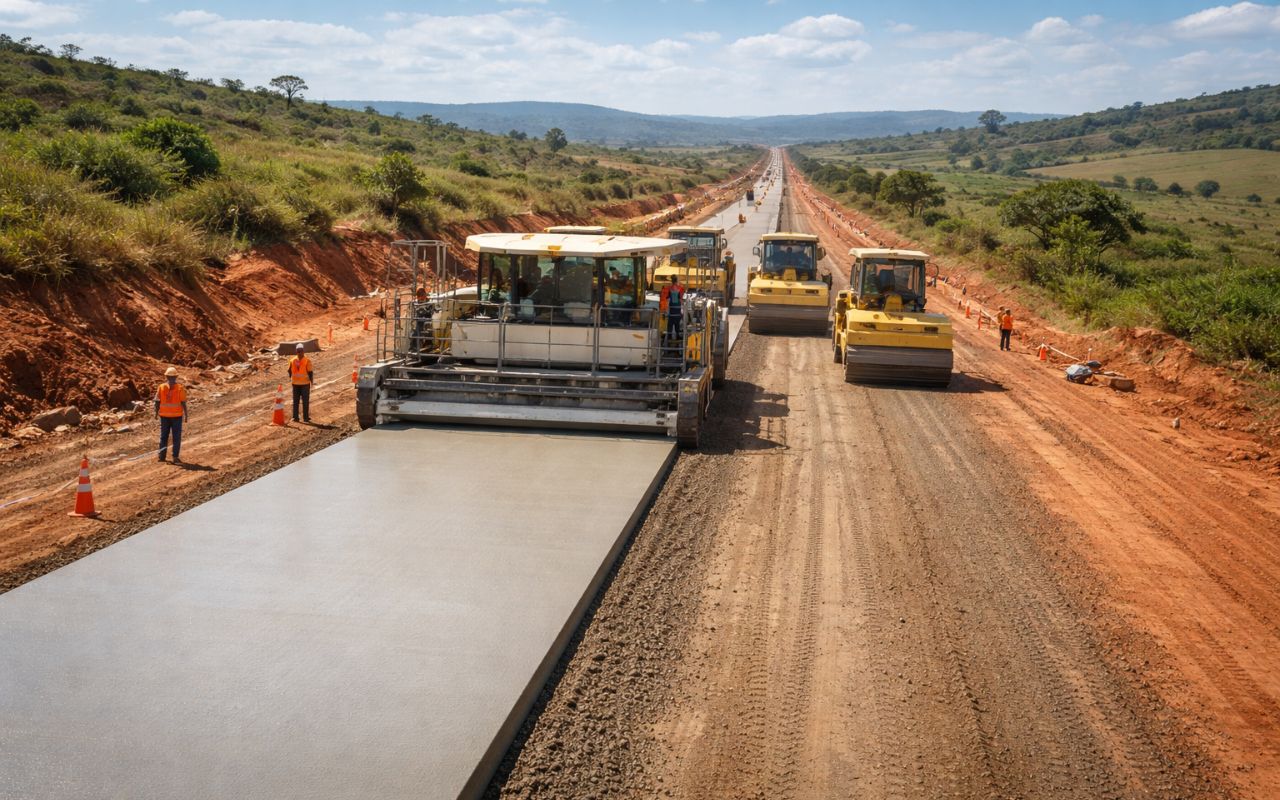
New CCR concrete paving technology promises roads up to 3x more durable, less maintenance, and cost reduction in Brazil.
-
Made from recycled plastic, plastic wood is gaining space in the construction industry because it does not rot, resists moisture, and reduces maintenance costs over the years.

-
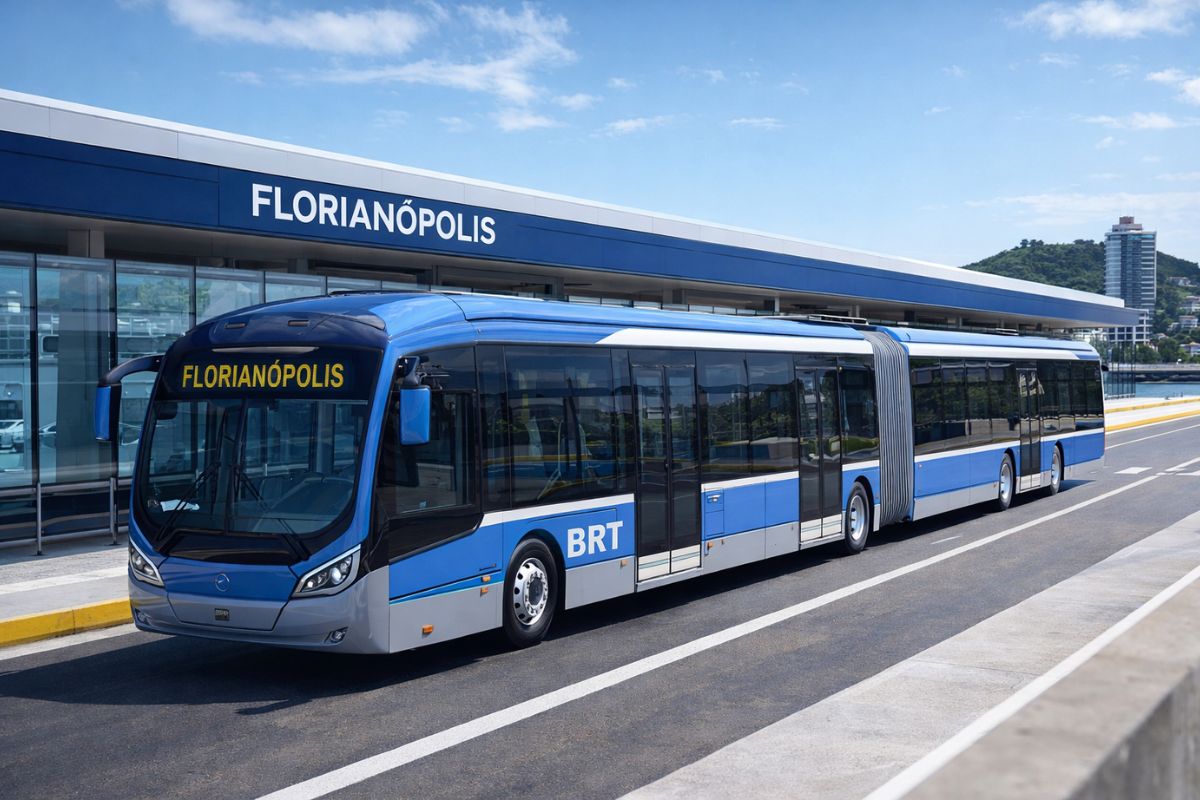
Florianópolis will receive a million-dollar BRT that will begin construction in 2026 with nearly 400 million in funding from the federal government and the Inter-American Development Bank, and the map already shows the routes for the exclusive bus corridors.
-
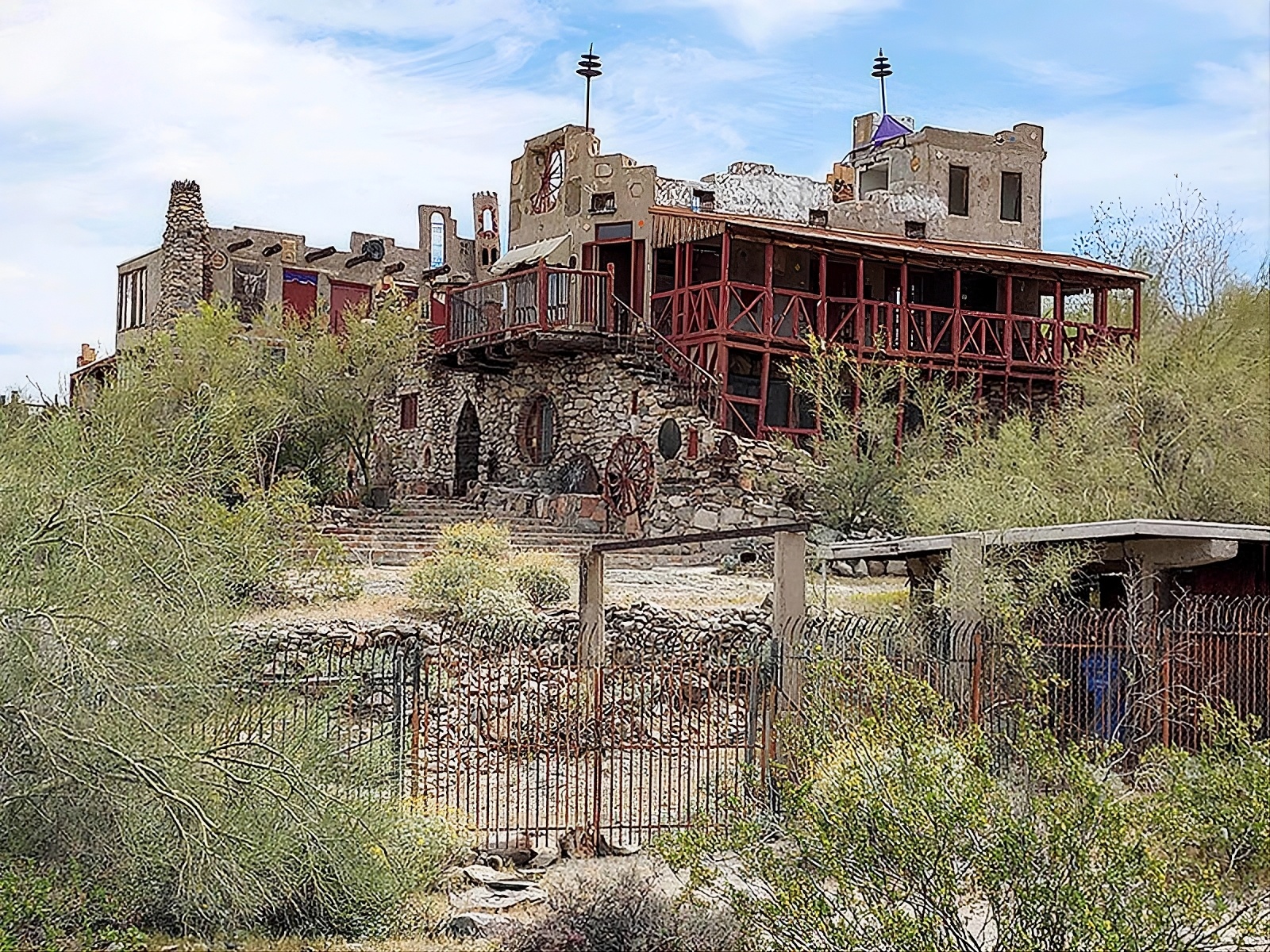
Without a blueprint, without an engineer, and using scrap from the dump, a father spends 15 years building an 18-room castle for his daughter, featuring tram tracks, 13 fireplaces, and over 700 m², which may now be demolished.
Today, everything depends on ferries subject to schedules, weather, limited capacity, and interruptions, directly impacting the prices of food, fuels, construction materials, and even the movement of public servants.
With the completion of the Jari River Bridge, the expectation is for a reduction in freight costs, more predictability for the transportation of patients, students, and workers, and greater road integration of Amapá with the rest of the country.
Inserted in Integration Route 01, the project is regarded as a key piece to energize the economy of the North region and improve the flow of agricultural, forestry, and mineral production.
Twenty Years Of Promises And A Still Unfinished Project
The project for the Jari River Bridge was born in a cycle of road expansion in the Amazon in the early 2000s.
From the beginning, the design sought to replace the exclusive dependence on the waterway mode with a continuous road axis, connecting roads in Pará and Amapá.
In practice, what was supposed to be a quick solution turned into a slow process, marked by successive interruptions.
Damage to pillars caused by vessels forced repairs and structural reinforcements, extending deadlines and increasing costs.
Throughout different administrations, the Jari River Bridge underwent contract revisions, changes in budget priorities, and periods of virtual abandonment.
The result was an advanced structure, but still without effective delivery to the population, while the crossing remains anchored in a saturated ferry system.
Updated Numbers And Distortions In Public Debate
By 2024, the most cited data by public and technical agencies indicated about R$ 21 million already applied to the Jari River Bridge, with a forecast of approximately R$ 10 million additional linked to Integration Route 01.
In 2020, projections indicated something around R$ 60 million necessary for completion, a level still far from the R$ 400 million used as headlines in comparisons with other bridges in the region.
These inflated figures helped turn the Jari River Bridge into a target of national controversy, often without separating what is actual cost from what is rhetorical extrapolation.
By mixing the Jari River Bridge with other larger projects, part of the public debate began to treat the structure as a “billion-dollar” project, obscuring the central problem: the lack of continuity, planning, and oversight capable of completing infrastructure of relatively modest size but with a high regional impact.
How The Delay Affects Those Who Live Between Laranjal Do Jari And Monte Dourado
While the Jari River Bridge does not materialize into practice, the daily life of those living on the border between Amapá and Pará remains trapped to the ferries.
Lines, prolonged waits, and crossing suspensions during floods, droughts, or mechanical maintenance affect the daily movement of students, workers, and patients who depend on services in other cities.
For businesses, the situation means higher freight costs, longer deadlines, and a permanent risk of disruptions in logistics.
Basic products arrive at a high cost, public services face difficulty in moving teams and equipment, and the planning of private investments hits the uncertainty about the stability of land access.
In practice, the delay of the Jari River Bridge acts as a hidden toll on the local economy.
Technical, Institutional, And Environmental Barriers
The successive delays in the completion of the Jari River Bridge cannot be explained solely by lack of money.
The project faces a combination of institutional, technical, and logistical problems, including investigations into contracts, challenges of oversight in remote areas, and project adjustments required by the navigation conditions on the Jari River.
The logistics of transporting materials in the dense forest, with long distances to urban centers and severe variations in river levels, also weigh heavily.
Each season of flooding or extreme drought imposes restrictions on the physical progress of the work, increasing the cost of mobilizing equipment and amplifying the risk of additional damage to the already constructed structure.
Without continuous planning and strict monitoring, these factors accumulate and halt the schedule.
What Can Unlock The Conclusion Of The Jari River Bridge
The inclusion of the Jari River Bridge in Integration Route 01 of the New PAC opens space for a redesign of the project’s governance, with clear goals, staggered funding, and demands for transparency at each stage.
For regional infrastructure experts, the key is to link disbursements to verifiable physical milestones, with close oversight by control agencies and participation from local entities.
At the same time, the Jari River Bridge has become a credibility test for Amazon integration policy: if a 406-meter structure takes nearly three decades to be delivered, trust in more complex logistical corridors tends to deteriorate.
The way this project is completed can serve as a positive or negative model for other strategic works in the region, including those that are yet to be tendered.
In a scenario where the population continues to wait for a continuous crossing by road, the central question remains unanswered: will the Jari River Bridge finally be completed within a verifiable timeframe or will it continue to be a showcase of the mismatch between promise and reality in Amazon infrastructure?
Do you think the Jari River Bridge will still be completed in time to change the lives of those who depend on the ferries or has it become just another eternal project in the landscape of the Amazon?









-

2 pessoas reagiram a isso.