





 Portuguese
  English
  Spanish
  3 min of reading
  0 comments


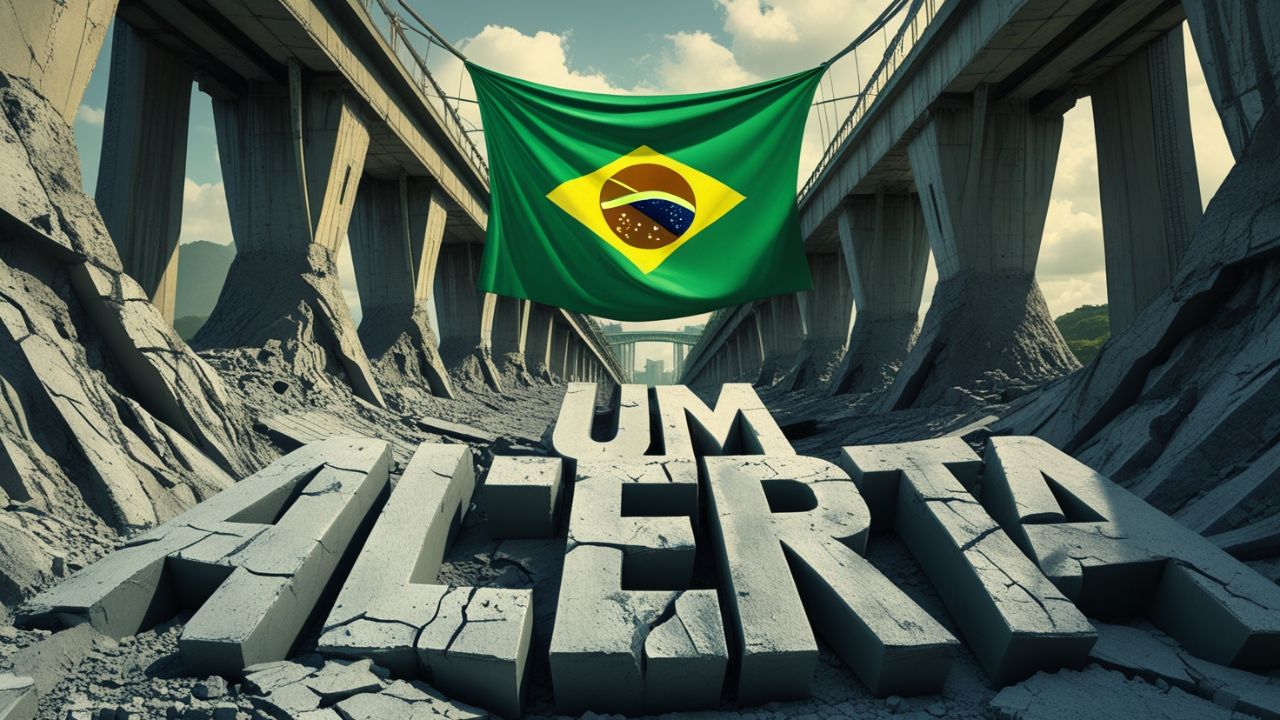
There Are About 5,500 Bridges in Brazil Aged Over 50 Years, A Mark That Reveals Not Only The Grandiosity of The Constructions, But Also A Huge Challenge for National Engineering.
Bridges in Brazil are true landmarks of connection between regions and cultures. However, not everything is festive: many of these structures have already passed the ideal age for use. Of the 113,168 existing road bridges, only 14,874 have been properly inventoried and 12,142 have inspection records. This shows that behind each road, there is a universe of technical and administrative challenges.
Imagine a gear that doesn’t receive proper maintenance; this is what happens when inspections fail to keep pace with natural wear and tear. With 1,039 bridges assessed as “poor” or in “critical” condition, it is clear that the situation of bridges in Brazil needs a more attentive eye and preventive actions. A striking example is the Juscelino Kubitschek Bridge, which, with a technical score of 2, symbolizes the urgency of corrective measures.
Challenges for National Engineering
Maintaining thousands of structures in use for decades is undoubtedly a job that requires courage and innovation. It’s no different from life: if we leave things to chance, we run unnecessary risks.
-
A megaproject worth R$ 89 billion is advancing in Iraq and promises to change the game in global trade by creating a new corridor between Asia and Europe, reducing traditional routes and repositioning the country as a logistics powerhouse.
-
Goodbye bedside table: floating shelves become a trend in 2026 by freeing up space in the bedroom, improving circulation, bringing visual lightness, and integrating technology without taking up floor space.

-
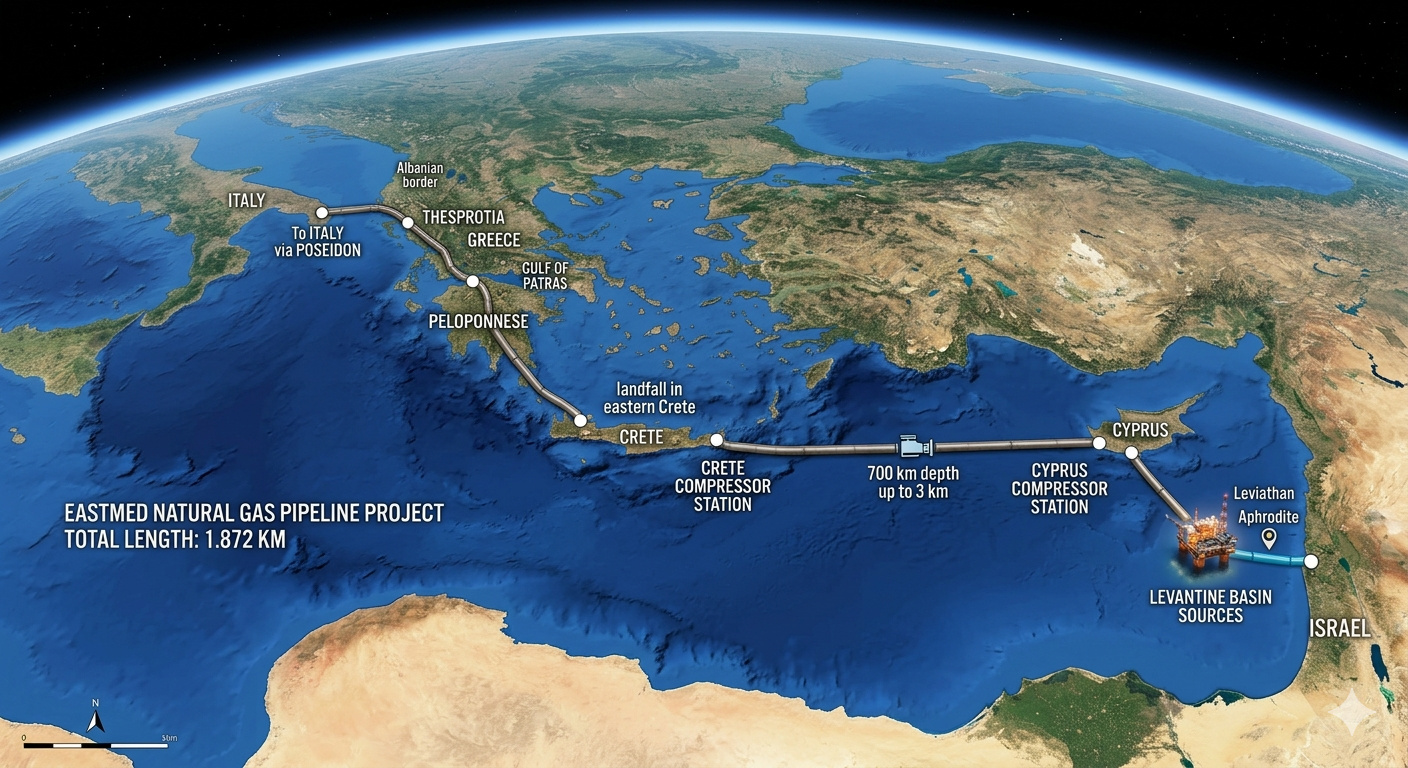
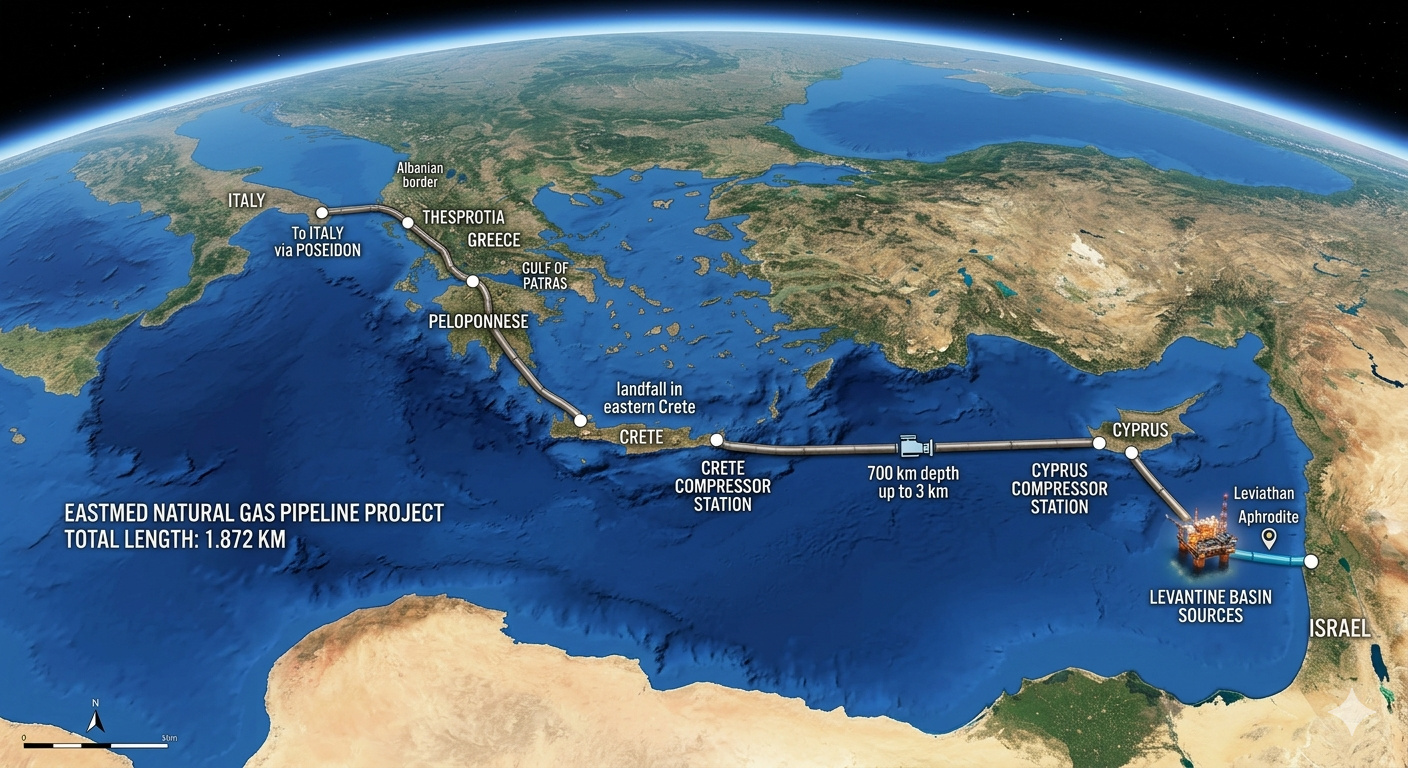
Israel, Greece, and Cyprus signed an agreement in 2020 to transport gas from the Mediterranean to Europe via a 1,872 km pipeline, but Turkey claimed sovereignty over part of the maritime route, and the project never materialized.
-
Israel, Greece, and Cyprus signed an agreement in 2020 to transport gas from the Mediterranean to Europe via a 1,872 km pipeline, but Turkey claimed sovereignty over part of the maritime route, and the project never materialized.
The wear of time, combined with increasingly extreme weather conditions, puts our bridges under pressure. Climate change plays a crucial role, with actual hydrological flows exceeding designed limits – a scenario already confirmed in Rio Grande do Sul in May 2024. It’s as if nature is testing the resilience of these structures, demanding an urgent reassessment of their safety.
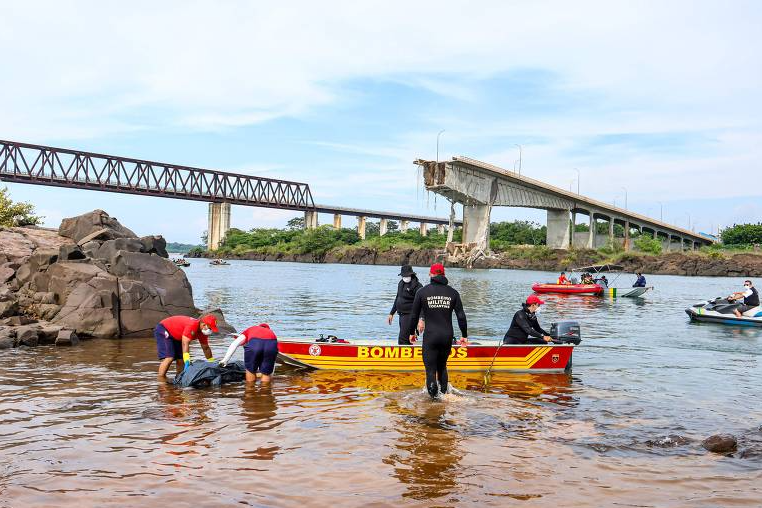
Do you remember the collapse on BR-226, between Aguiarnópolis (TO) and Estreito (MA)? In December of last year, this tragedy that claimed at least 14 lives made it clear that the risk cannot be ignored. It was a wake-up call for everyone involved in the maintenance of bridges in Brazil, reinforcing the need for a robust and effective action plan.
Manifesto of Engineering Associations
To face this gigantic challenge, a group of seven engineering associations joined forces and launched a manifesto with 15 initiatives. Among the entities that signed the document are Abece, ABMS, ABPE, ABNT, Ibracon, Alconpat, and Iabmas. These organizations, with their expertise, are drawing attention to the urgency of rehabilitating bridges in emergency or critical condition.
The manifesto is not just a warning; it is an invitation to action! Among the proposals are the reformulation of the contracting system for bridge recovery, including technical and pricing proposals in bidding processes. There is an urgent need to train and certify professionals for inspection and evaluation, and even to integrate the Maintenance of Structures discipline into the undergraduate and graduate engineering curricula. This integrated approach is key to transforming the current scenario of bridges in Brazil.
Investments and Necessary Costs for Bridges in Brazil
Let’s talk numbers: to rehabilitate bridges considered emergency or critical, the estimated investment is about R$ 1.2 billion nationwide. And if we add the recovery of the works in “poor” condition, costs can reach R$ 5.3 billion. This is a significant amount that, compared to safety and human life, is a fair price to pay.







Seja o primeiro a reagir!