





 Português
  Inglês
  Espanhol
  3 min de leitura
  0 comentários


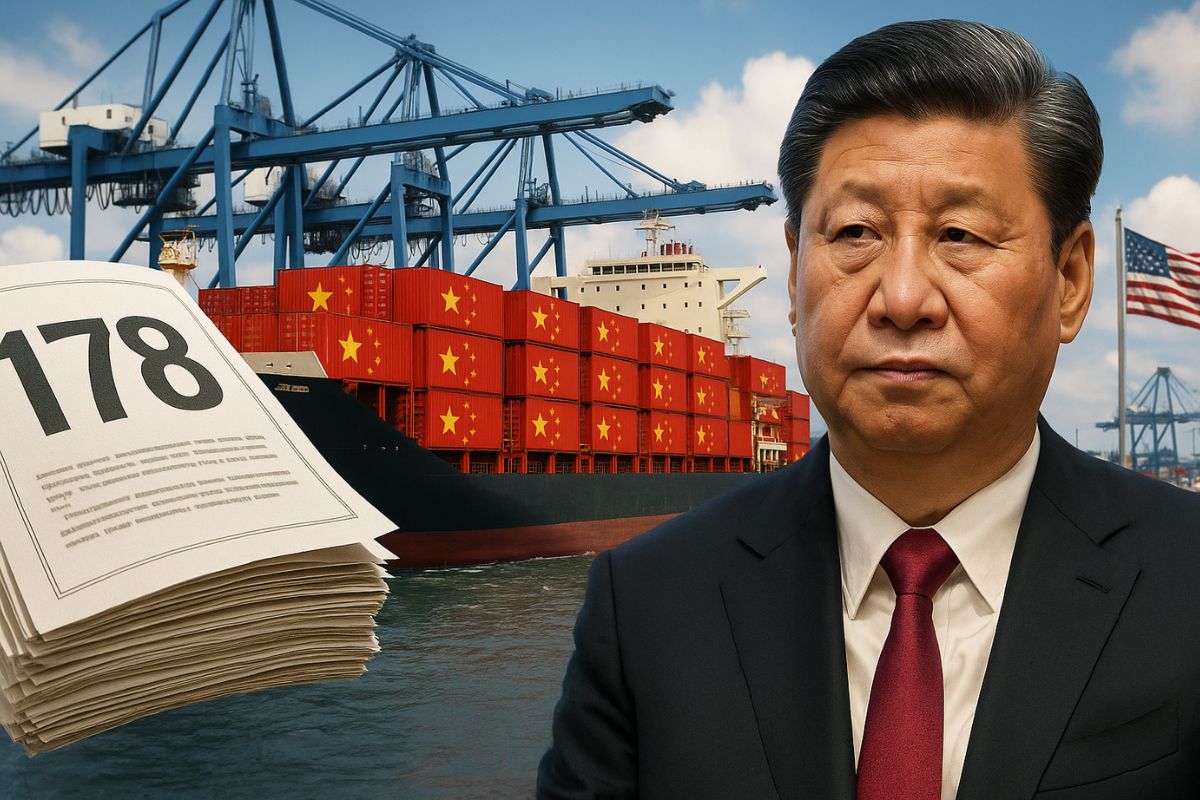
US Extends Exclusions For Some Chinese Imports For Another 90 Days. Decision Keeps 178 Items Duty-Free Under Section 301 And Reduces Trade Tensions Between Washington And Beijing.
The Office of the United States Trade Representative (USTR) announced that US Extends Exclusions For Some Chinese Imports From Section 301 Tariffs For Another 90 Days. The measure, cited by the portal MyNews, ensures that 178 items remain exempt from fees ranging from 7.5% to 25%, at a time of significant pressure on global supply chains.
These exclusions, already renewed in June, mainly cover chemical materials, electronic components, medical supplies, and solar energy-related equipment. The goal is to avoid direct impact on strategic sectors of the American economy, as well as to respond to internal pressures from companies that rely on these inputs to maintain production.
Why The Decision Was Made Now
According to an official statement from the USTR, the decision that US Extends Exclusions For Some Chinese Imports took into account public comments, technical opinions, and recommendations from advisory committees. The US government made it clear that new reviews could occur, depending on the evolution of the political and trade landscape.
-
Brazilian city gains industrial hub for 85 companies that is equivalent to 55 football fields.

-
Peugeot and Citroën factory in Argentina cuts production by half and opens a layoff program for more than 2,000 employees after Brazil drastically reduced purchases of Argentine vehicles.

-
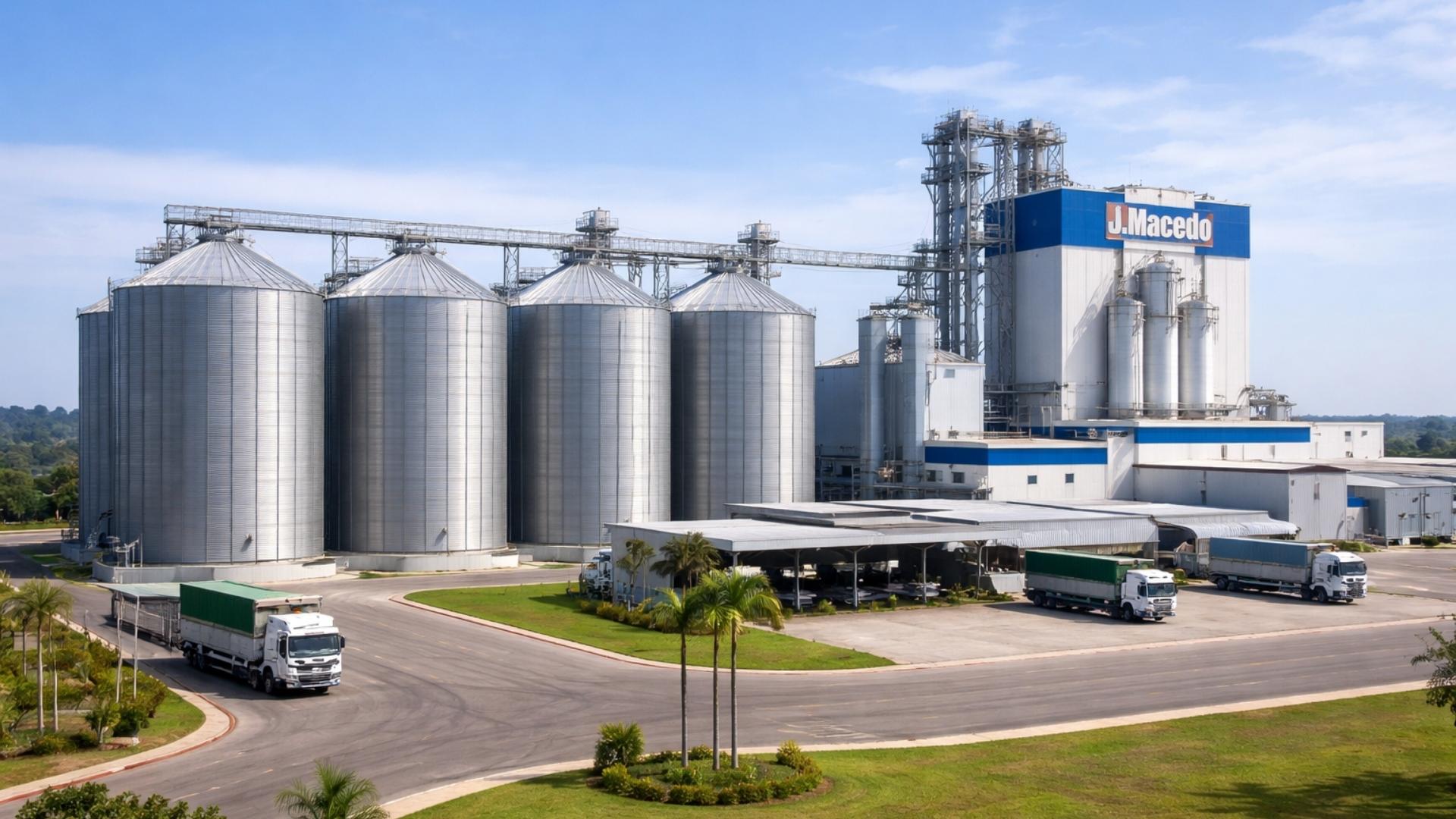
A Brazilian city gains a factory worth R$ 300 million with the capacity to process 200 thousand tons of wheat per year, a mill of 660 tons/day, silos for 42 thousand tons, and an industrial area of 276 thousand m².
-
Havan will leave the shopping mall in Blumenau to inaugurate something that the chain has never done before: a megastore in half-timbered style in the Historic Center of the city, which is expected to be completed in May and change the landscape of local retail.


The Section 301 tariffs were created during the Donald Trump administration in response to China’s trade practices, deemed unfair by Washington. Since then, the two countries have entered a cycle of impositions and retaliations that has already exceeded tariffs of 100% on some products, directly affecting sectors such as agriculture, technology, and manufacturing.
What Is At Stake In The Tariff War
Despite the extension of exclusions, Chinese products still face an additional universal tariff of 30% to enter the US. In the first quarter, Trump also imposed a specific tariff of 20%, citing a lack of action from Beijing against the shipment of chemical precursors used in the production of the opioid fentanyl.
In response, China maintains a 10% tariff on American goods, along with surcharges of 10% to 15% on strategic products such as soybeans. This exchange of measures keeps tensions high, even with temporary pauses in tariffs.
Impacts For Businesses And Consumers
For US companies, the decision that US Extends Exclusions For Some Chinese Imports represents immediate relief in production costs. Clean energy industries, hospitals, and technology manufacturers directly benefit as they avoid price increases on critical inputs.
On the other hand, the continuation of broader tariffs keeps pressure on global supply chains and may reflect in higher prices for end consumers. Economists highlight that this dispute has already changed global trade flows and accelerated the search for supply alternatives outside of China, in countries such as Vietnam, India, and Mexico.
What To Expect In The Coming Months
Chinese and American negotiators remain in dialogue, with meetings planned in Washington and Stockholm. Although the 90-day extension provides extra time for discussions, analysts warn that the tariff war is far from a definitive conclusion.
Meanwhile, companies from both countries continue to press for predictability. The prolongation of exemptions shows that, despite tough rhetoric, Washington recognizes the risks of a sudden cut in strategic imports from China.
The measure that US Extends Exclusions For Some Chinese Imports highlights how trade policy is still used as a tool for political and economic pressure. Although it provides temporary relief for businesses and consumers, it does not resolve the central impasse between the world’s two largest economies.
What do you think, does this extension favor the US or China more? How do you think this could impact global trade in the coming years? Share your opinion in the comments — we want to hear from those who are closely following these changes.









-

-

-

-

13 pessoas reagiram a isso.