





 Portuguese
  English
  Spanish
  3 min of reading
  7 comments


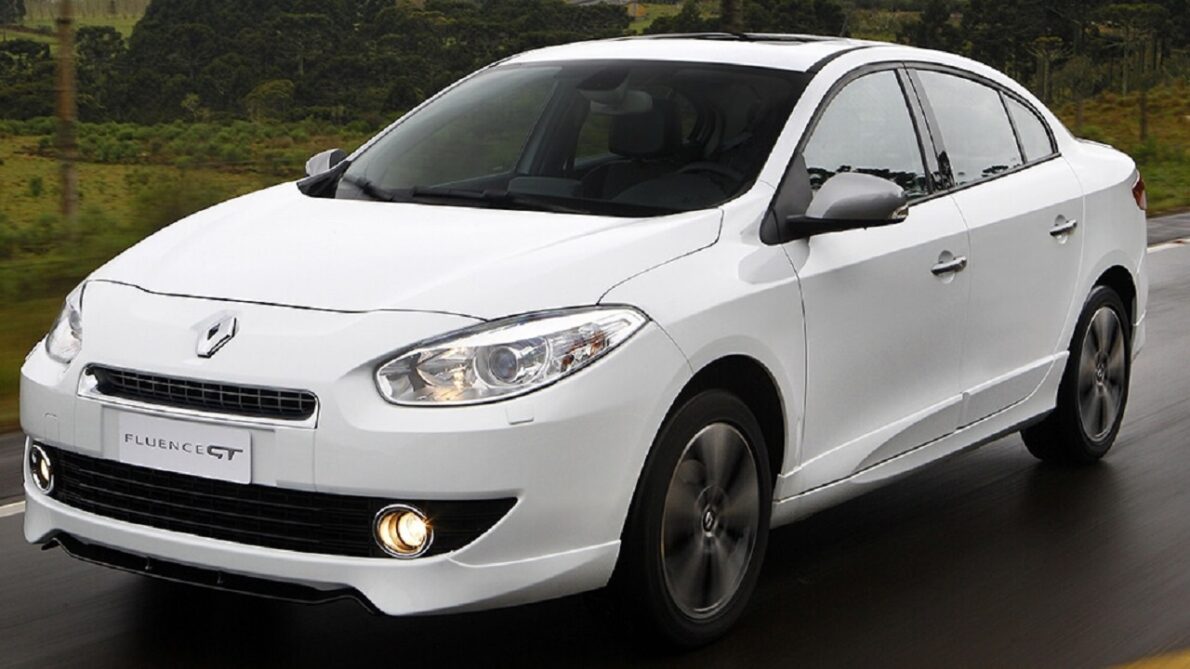


The Renault Fluence Known For Its Robustness, The Sedan Offers 143 Horsepower And Excellent Fuel Efficiency, Making It An Attractive Option For Those Seeking Performance And Economy.
Introduced in 2010, the Renault Fluence was the sedan that strengthened Renault’s presence in the segment, a notable feat given the poor acceptance of its predecessor, the Megane. To achieve this, it was necessary to offer various standard features, good performance, interior space, and a bit more personality to Renault’s budget car. Check the details of one of the best models in the used car market. This article is based on the Renault Fluence model offered on the icarros website.
What Is The Best Version Of The Renault Fluence?
Part of Renault’s success is due to the blending of French and Japanese cultures, given that under the hood of the Fluence was the reliable 2.0 flex engine (from the Sentra), producing 140/143 hp. The gearboxes also came from Japan, being either the six-speed manual or CVT, with a sequential mode simulating six gears that Nissan did not have.


Renault’s budget car started with the Dynamique and had ABS, front, side, and curtain airbags, dual-zone climate control, onboard computer, rain and light sensors, with CD/MP3/Bluetooth audio and fog lights.
-
An irregular parking case gains attention after a Mercedes Classe A was removed in such a strange way that it even raised doubts about damage to the car.

-
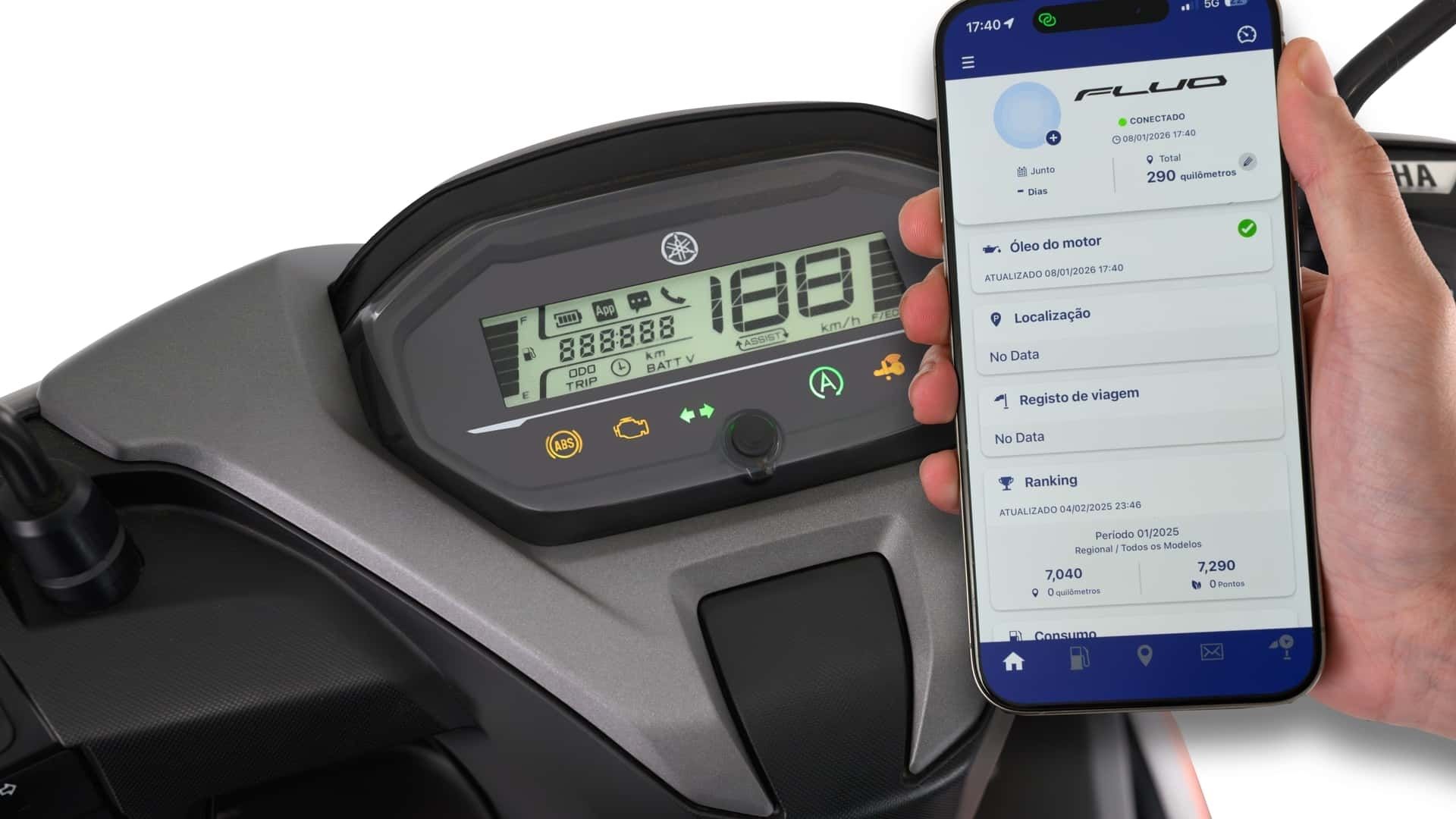
Costing R$ 16,000, the new Yamaha features a 125 cc hybrid engine with electric assistance, delivers 8.3 hp, includes ABS, optimized fuel consumption, Y-Connect connectivity, 25 liters of storage space, and a surprising 4-year warranty in the urban segment.
-
OMODA & JAECOO grows in Europe in 2026 with an integrated strategy of sales, innovation, local production, and technological advancement in the United Kingdom, Italy, and Spain.

-
OMODA & JAECOO expands after-sales service in Brazil with competitive maintenance, a 7-year warranty, and high availability of parts for technological SUVs.

Optional features include a sunroof and leather seats. The Privilège version added leather seats, stability control, GPS Tom-Tom, parking sensors, cruise control, 17-inch wheels, electrically folding mirrors, Arkamys sound system, and CVT. Sunroof and xenon headlights were optional.
The 2.7-meter wheelbase resulted in good space in the interior of Renault’s budget car, which featured air vents. The good trunk space of 530 liters made it an excellent family sedan, but the Renault Fluence would gain a sporty touch in 2012: the Fluence GT produced 180 hp with a turbo and manual transmission, capable of going from 0 to 100 km/h in 8 seconds and reaching 220 km/h.
Renault Car Received A Facelift
The model featured side skirts, a rear spoiler, and 17-inch wheels. Offered in black, white, and red, Renault’s car had a leather-wrapped steering wheel, six-speed manual transmission, and aluminum pedals.
The standard features were the same as the Privilège version, plus a sunroof and xenon lights. The facelift of Renault’s car came in 2014, under the new visual identity of the brand, with a larger logo on the grille, along with the Fluence Dynamique Plus, featuring CVT, leather, and a multimedia center.
Discontinued in 2015, the Renault Fluence GT ceded its spot in 2016 to the GT Line, which was just a Dynamique with exclusive bumpers, side skirts, and a spoiler. The curious thing is that the true sporty version today is worth less than the GT Line in the market.
From 2015 onwards, the range of Renault Fluence versions diminished year after year, until 2018: before going out of production, only the Dynamique Plus and Privilege versions remained. The least purchased version is the Expression from 2012, aimed at taxi drivers and company fleets. It’s not a bad car, but it’s limited by the Renault 1.6 16V engine with 110/115 hp and a five-speed manual transmission.
Problems Encountered
Among the main issues with Renault’s car are the Lambda Sensor, as acceleration failures, oscillating idle, and backfiring may indicate problems with the lambda sensors, one before and one after the catalytic converter. This failure is almost always indicated on the instrument panel.
Internal noise is a common problem, and the main cause is a failure in the welding of the joint between the center column and the floor, causing pops that are bothersome. Ensure that the defect has been fixed within the warranty period.
Finally, it is worth checking the condition of the bushings, sway bars, and shock absorber stops: a general inspection can easily exceed R$ 3 thousand.









Boa Noite
Tenho um 2016 estou bastante feliz com o meu muito conforto
Tenho um Fluence 2017. Não troco por outro carro. Peguei zero km, sempre fiz revisão a cada 10 mil km e nunca paguei 3 mil em uma recisão.
Não considero que seja um carro econômico . O meu faz menos de 10 km/l. Ele é 2.0, 16V, Câmbio Automático, mesmo assim, não troco por outro.
Carro muito confortável. Os Nissan têm problemas no CVT do Kiks. Conforme técnico Renault é projeto Coreano da Samsung