





 Portuguese
  English
  Spanish
  4 min of reading
  0 comments


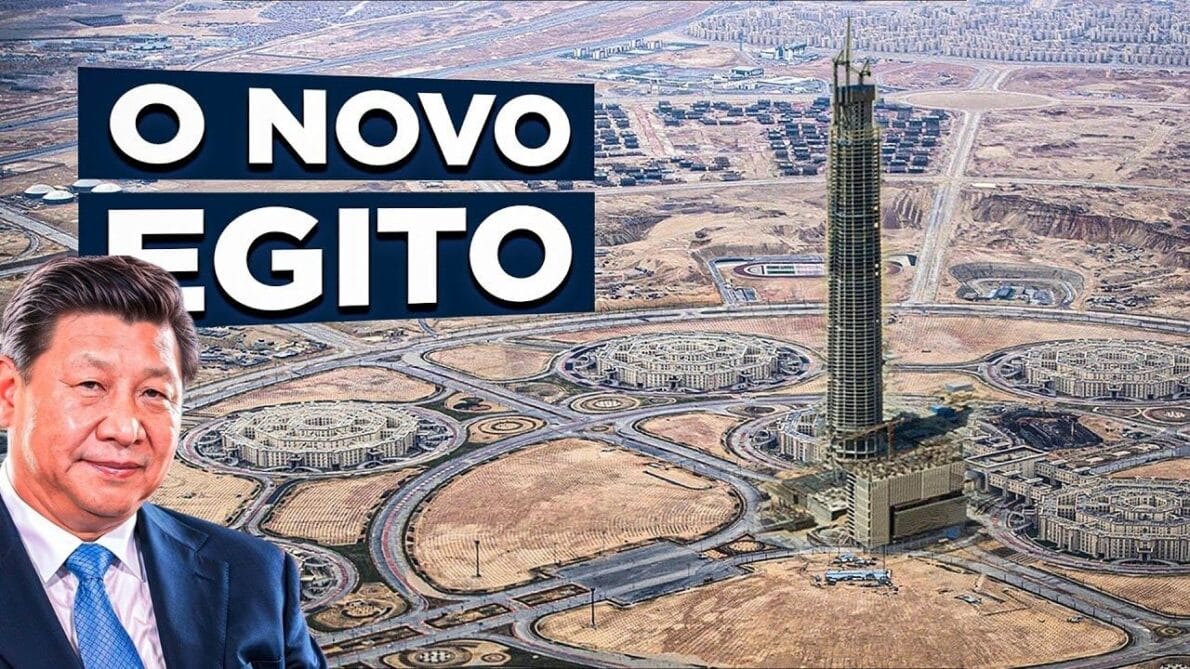
While Egypt Advances with the Construction of Its New Capital in the Middle of the Desert, China’s Role in Financing This Monumental Project Raises Many Questions.
In the arid expanse of the plains east of Cairo, a futuristic city is emerging from the sands of the desert, planned to be the new administrative center of Egypt. An undertaking valued at between US$ 45 billion and US$ 58 billion, the magnitude of which is only surpassed by the questions surrounding its financing. How can a country with economic limitations and rising debts afford this colossal project? This is where China comes in, with a crucial role that goes far beyond the financial aspect.
China, from the very beginning, positioned itself as one of the main financiers and strategic partners of this project. The Chinese involvement goes far beyond just money – it also involves technology, knowledge, and influence. But why is China so interested in financing the largest city in the desert of Egypt?
China as a Strategic Partner
Egypt, with its new administrative capital, seeks to alleviate the population and economic pressure on Cairo, a city of over 20 million inhabitants. The new city has been planned to be modern, sustainable, and accommodate up to 6 million people, but financing such an ambitious project goes far beyond the country’s internal capabilities. China thus emerges as a crucial partner.
-
New CCR concrete paving technology promises roads up to 3x more durable, less maintenance, and cost reduction in Brazil.

-
Made from recycled plastic, plastic wood is gaining space in the construction industry because it does not rot, resists moisture, and reduces maintenance costs over the years.

-
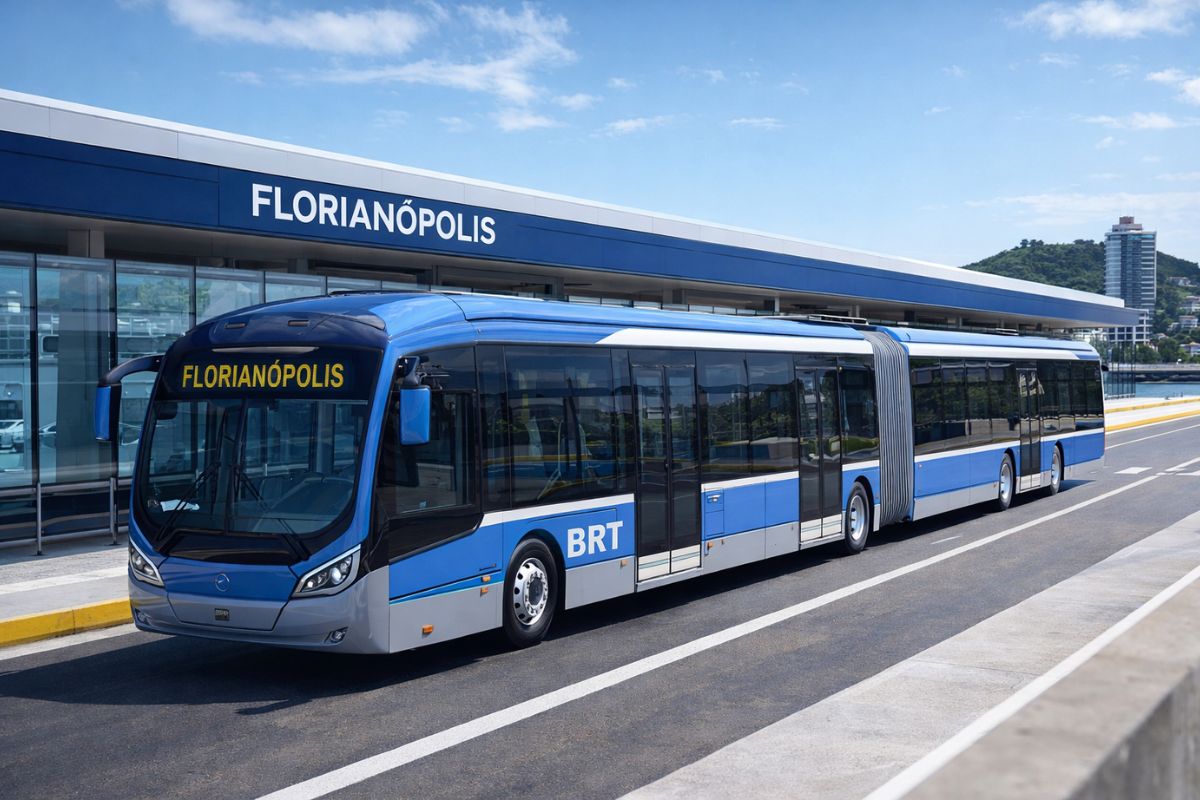
Florianópolis will receive a million-dollar BRT that will begin construction in 2026 with nearly 400 million in funding from the federal government and the Inter-American Development Bank, and the map already shows the routes for the exclusive bus corridors.
-
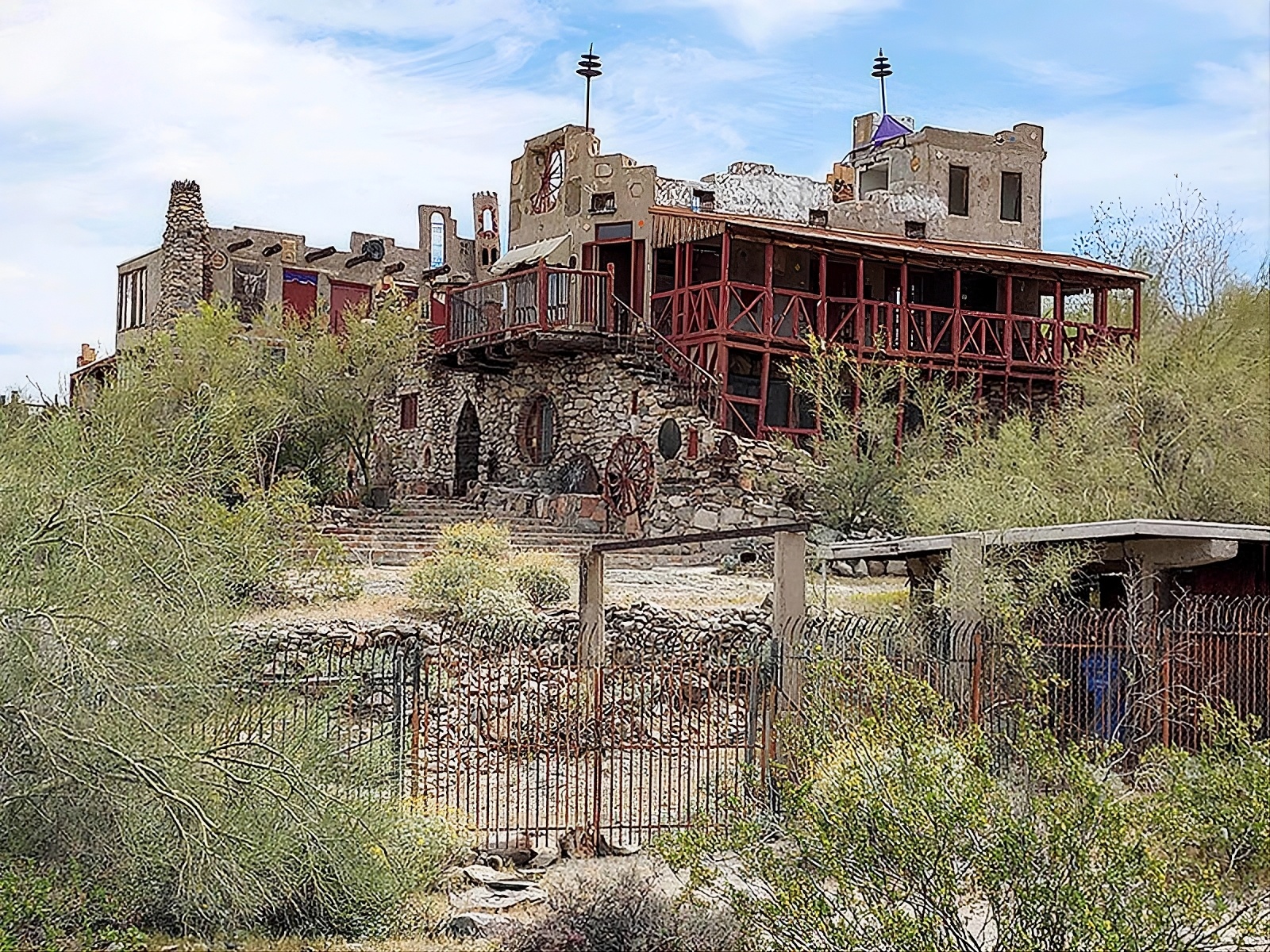
Without a blueprint, without an engineer, and using scrap from the dump, a father spends 15 years building an 18-room castle for his daughter, featuring tram tracks, 13 fireplaces, and over 700 m², which may now be demolished.

Since 2016, China has been strategically engaged in Egypt, with massive investments through companies like the China State Construction Engineering Corporation. The signed contract for the construction of skyscrapers and essential infrastructure, including the tallest skyscraper in Africa, positions China at the center of the development of the largest city in the desert of Egypt. This involvement is not just financial. China sees in Egypt an opportunity to expand its influence in the African construction and infrastructure market, a rapidly growing area.
Moreover, the project allows China to strengthen its diplomatic and economic position in the region, aligning itself with strategic countries and creating ties that can generate long-term benefits. For China, investing in Egypt is not just about financial returns, but also about consolidating its global influence.
Foreign Financing: Beyond China
Although China plays a central role, the financing of the largest city in the desert of Egypt also depends on other international sources. Wealthy Gulf neighbors, like the United Arab Emirates and Saudi Arabia, are also involved in the project. Their vast sovereign funds see in Egypt an opportunity to diversify investments and strengthen ties with the largest Arab country in the world.
These investments are primarily geared towards the construction of luxury residential areas and commercial complexes, reinforcing the vision that this new capital will be an important economic center in the future. For foreign investors, the new capital is a strategic bet – a project that can yield significant returns and offer new opportunities in a rapidly growing region.
Challenges and Risks of the Project
As promising as it is, the construction of the largest city in the desert of Egypt is not without challenges. One of the main risks lies in the increase of Egypt’s public debt with China and other investors. With the country already facing significant debt, such a large project could place even more pressure on national finances.
Thus, Egypt heavily relies on foreign capital to keep the construction pace. What if these investments stop? If the global economy slows down or diplomatic tensions arise, investors may pull back, leaving the project unfinished. Excessive dependence on external capital always carries the risk of vulnerability, and Egypt may find itself in a difficult situation if the money flow decreases.
What Does the Future Hold?
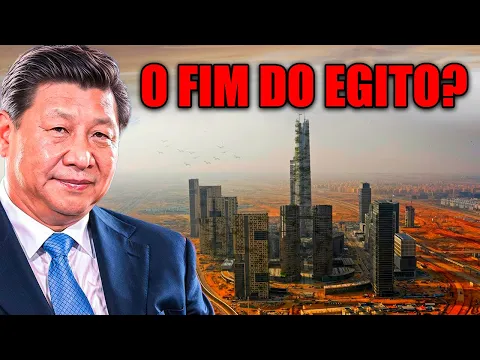

However, the Egyptian government bets that this new capital will bring long-term benefits, transforming the country into an important commercial and cultural center. Iconic monuments, such as the largest mosque and the largest church in Egypt, are being designed to attract millions of tourists, providing a new source of revenue.
Will Egypt be able to turn this megaproject into an economically viable and sustainable city? Or is it risking too much on an uncertain bet? Time will tell, and the world will be closely watching the next steps.
What do you think? Egypt’s bet on the new capital is too risky or a necessary step for the country’s future? Leave your comment!









Seja o primeiro a reagir!