





 Portuguese
  English
  Spanish
 4 min of reading
  1 comment


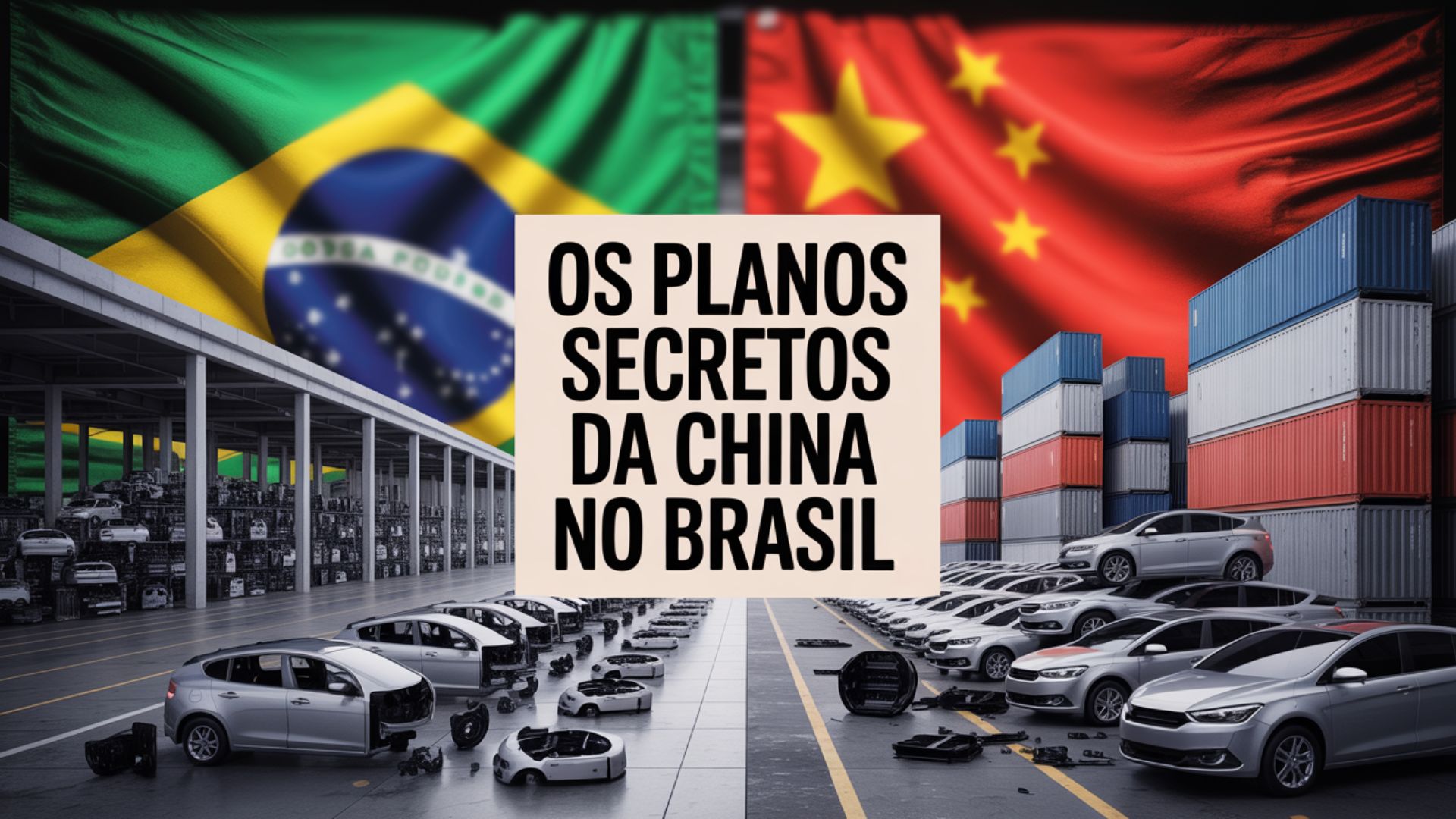


Businessman Details Why Chinese Brands Choose To Send Almost-Ready Vehicles To Brazil And Explains Differences In Assembly Models, Citing Cases Of BYD, GWM, And His Experience With JAC Motors In Bahia.
The businessman Sérgio Habib, founder of Grupo SHC and former representative of JAC Motors in Brazil, stated that China shows no economic interest in establishing complete automobile factories in the country.
The statement was made during an interview on the Market Makers podcast, where he assessed the operational model of Chinese companies in the Brazilian automotive market.
According to Habib, the priority of the Chinese government is to maintain jobs and income within its own territory.
-
Unemployment rises again to 5.8% at the beginning of 2026, raising alarms about the end of temporary positions and its impact on the Brazilian job market.

-
Document organization can cut invisible costs in small businesses, a simple step that prevents waste, rework, and losses in daily operations.

-
Chinese giant worth nearly R$ 4 billion that manufactures cables for electric cars, solar energy, and robotics wants to open a factory in SC.
-
Many employers do not know, but the law guarantees domestic workers a 25% increase in salary during trips, 50% for overtime, 20% for night shifts, and 17 additional benefits that can lead to labor lawsuits if not paid.


This leads to a preference for sending vehicles in SKD (semi knocked-down</em) format, where they arrive almost ready and only go through final assembly stages in Brazil, rather than building complete plants abroad.
“You won’t have support from the Chinese government to create jobs elsewhere, they want jobs there,” he said.
When asked about the operation of BYD in Bahia, the businessman stated that the company currently operates under this model.
“For now in Brazil, what they are doing is SKD, when the car arrives fully ready. The air in the tire is Chinese,” he declared. He added that there is still no significant local content in production.
Difference Between SKD And CKD
The SKD regime is characterized by sending almost complete vehicles, with few final stages in the destination country, resulting in a low index of national content.
In contrast, in CKD (completely knocked-down), the car arrives completely dismantled.
This format allows for greater use of locally produced components and requires stages of welding, painting, and final assembly in the national territory.
Situation Of BYD And Comparisons In The Sector
Habib compared the case of BYD with that of GWM (Great Wall Motors), which, according to him, has changed the deadline for starting manufacturing operations in Brazil more than once.
“It said it would open the factory in 22, then 23, 24, 25, and now talks about 2026. But it already has 2% of the Brazilian market,” he reported.
In the case of BYD, there are no publicly available detailed data on the current percentage of national content or on deadlines for the production of parts in Brazil.
Available information indicates that the company announced investments to operate in the industrial complex of Camaçari (BA), where a Ford factory previously operated.
The company has not specified, in recent communications, the volume of national parts that will be incorporated at each stage.
History Of JAC Motors In Brazil
Habib also recalled his experience trying to bring JAC Motors to Bahia.
The project, which planned the installation of a factory in the state, was announced with a ceremony on the land designated for the work.
The plan was not realized. In a subsequent attempt, the businessman requested financing from Desenbahia (Development Agency of the State of Bahia), but the request was not approved due to a lack of guarantees required by the institution.
In 2018, JAC Motors do Brasil went into judicial recovery, with approximately 700 employees and over 100,000 customers, as reported by the group at the time.
Impacts On The National Automotive Industry
The way foreign companies establish their operations in Brazil influences the automotive industry in the country, affecting job creation, development of the supply chain, and technology transfer.
Models like SKD require less labor and lower participation of local auto parts compared to CKD operations or complete factories.
The debate about the implementation model of Chinese manufacturers in Brazil also involves tax incentive policies.
In general, state and federal programs offer benefits in exchange for counter-reparties such as a minimum percentage of local content, investments in research and development, and job creation.
Questions Still Unanswered
So far, there is no official information published by BYD or by government agencies confirming specific targets for the nationalization of parts.
No deadlines for increasing local content or annual production capacity at each stage of the project in Bahia have been disclosed.
These data are considered relevant by industry analysts to assess the economic and industrial impact of new investments in the country.
With the growing presence of Chinese automakers in the Brazilian market, what will be these companies’ public commitment to deadlines, national content, and job creation in the automotive sector?









Trabalhei em duas empresas chinesas e aprendi que se hoje dizem A , amanhã é B ou seja, não tem palavra, são imediato os, não tem paciência, e portanto difíceis de trabalhar.