





 Portuguese
  English
  Spanish
  3 min of reading


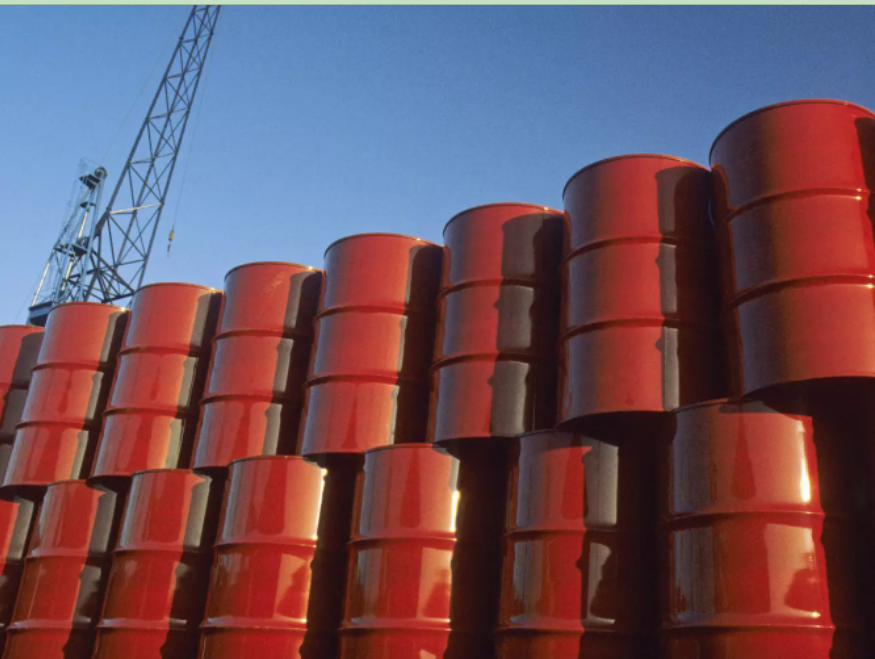
Since 2016, Petrobras has established oil barrel prices based on international values. This practice is applied throughout the entire production chain
Petrobras’s International Parity Policy (PPI) was implemented in 2016 when it was led by Pedro Parente during the administration of former President Michel Temer, who took office after supporting the impeachment of Dilma Rousseff. In practice, what is done is dollarizing the price of oil extracted, refined, and consumed here in Brazil, resulting in an increase in fuel prices derived from oil or not whenever the product’s price rises abroad.
The question we ask is: why doesn’t Petrobras apply the PPI only to exported oil instead of taxing all domestic production?
This issue is tightly woven into the Social Statute of Petróleo Brasileiro S.A. or “Petrobras Statute” and, therefore, if not practiced, it is possible for members of the company’s Board of Directors to be sued civilly and criminally for damages to the company.
-
Unemployment rises again to 5.8% at the beginning of 2026, raising alarms about the end of temporary positions and its impact on the Brazilian job market.

-
Document organization can cut invisible costs in small businesses, a simple step that prevents waste, rework, and losses in daily operations.

-
Brazilian giant expands borders in the Southeast: Petrobras confirms new oil discovery in ultra-deep waters in the pre-salt of the Campos Basin.

-
Alert in the global energy market: Severe tropical cyclone hits the coast and disrupts gas production at major plants in Australia, threatening global supply.


An oil and gas specialist from Petrobras, consulted by Portal CPG – Click Petróleo e Gás, recalls that attempts at freezing and subsidies, made by other administrations, caused billion-dollar losses to the state-owned company.
“If we do that, there is destruction of the value chain (ethanol producers, private refiners, fuel formulators, Braskem, imports),” the source said, recalling that the policy of practically freezing fuel prices in 2014 cost nearly R$ 100 billion, adversely affecting even ethanol at the time, since the percentage of alcohol in regular gasoline is 27%, and therefore, market regulation is necessary.
Can The International Parity Pricing Policy Change in 2023?
The Federal Senate approved in March of this year the Bill 1.472/2021, which alters the method of calculating fuel prices, in addition to creating a Stabilization Account. The author of the text, Senator Rogério Carvalho (PT-SE), argues that the PPI has consequences for the entire economy and harms the most vulnerable population. Moreover, Petrobras has reportedly reduced its refining capacity to increase the presence of private initiative in the sector. The draft will now go to the Chamber of Deputies.
PPI as Part of Election Campaign Speeches
This election year, the main presidential candidates have criticized the constant increases in fuel prices derived from oil, drawing attention to what had been little discussed by the general public until now: Petrobras’s International Parity Policy.
Earlier this month, Jair Bolsonaro classified Petrobras’s profits as “rape.” However, just in the first three months of this year, Petrobras earned US$ 9.405 billion (R$ 44.6 billion). This huge profit represents a jump of 3,000% compared to the same period in 2021 (gain of R$ 1.3 billion). The state-owned company’s president, José Mauro Ferreira Coelho, stated that the billion-dollar profit has no relation to the adjustments in fuel prices.
Also a candidate, Lula has standardized his speeches by criticizing the PPI. The Workers’ Party member has promised to do what he calls “Brazilianizing” fuel prices. Ciro Gomes is also on the same track, stating that Petrobras is plundering the Brazilian people and that part of the disclosed profits will go to minority shareholders, who are the bankers in Brazil and abroad.
Numbers of Brazilian Oil Exports
Brazil produces around 3 million barrels of oil per day and exports about 1.4 million bpd, which represents more than 40% of production. Half of these exports go to powerful private companies, such as Shell, Repsol, Total, and Galp.
Last year, Brazil exported 67,564,850 tons of oil (483 million barrels), making it the third most sold Brazilian product abroad, only behind soy and iron ore.
Also in 2022, Brazil’s oil production is expected to start increasing and reach 78% growth by 2031, positioning the country in fifth place among the world’s top oil exporters.
According to Comex Stat, the main countries to which Brazil exported oil in 2021 were: China (US$ 14.3 billion), USA (US$ 3.1 billion), India (US$ 2.2 billion), Chile (US$ 1.96 billion), Portugal (US$ 1.63 billion), South Korea (US$ 1.46 billion), Netherlands (US$ 1.21 billion), Spain (US$ 1.08 billion), Singapore (US$ 1.01 billion), and Malaysia (US$ 795 million).










Seja o primeiro a reagir!