





 English
  Francês
  Alemão
  Italiano
  Japonês
  Norueguês
  Portuguese
  Spanish
  4 min of reading



Brazil Is Not Directly Linked to the War Involving Russia and Ukraine, but Sanctions Against the Russians Threaten the Brazilian Economy and Bring to Light the Fact That the Country Has Not Produced Fertilizers for 8 Years.
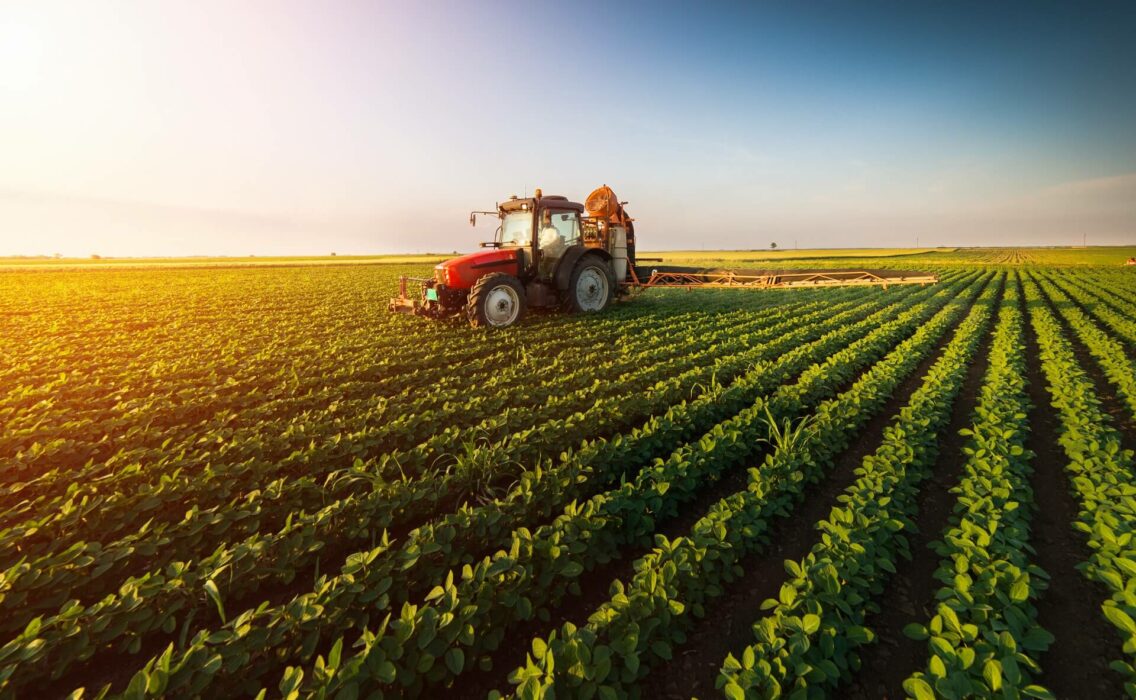
About 80% of the fertilizers used in Brazil’s agricultural production come from abroad, with 23% of these fertilizers being imported from Russia, according to data from the Ministry of Economy. In 2021 alone, about 41.6 million tons were purchased at a cost of USD 15.1 billion. High values that could be minimized if there were national production. However, Petrobras has relinquished this type of production.
See Also
- Brazil Could Become Independent of Russian Fertilizers with Plan Announced by the Ministry of Agriculture
- After Years of Negotiation, Petrobras Sells Fertilizer Factory in Mato Grosso do Sul to Russian Company
It seems difficult to understand how a global agricultural power needs to import fertilizers. But the answer is simple and direct: lack of infrastructure and public policies.
Petrobras used to own at least 4 fertilizer factories, three of which – located in Camaçari (BA), Laranjeira (SE), and Três Lagoas-MS – were sold in recent years.
-
Chinese giant worth nearly R$ 4 billion that manufactures cables for electric cars, solar energy, and robotics wants to open a factory in SC.
-
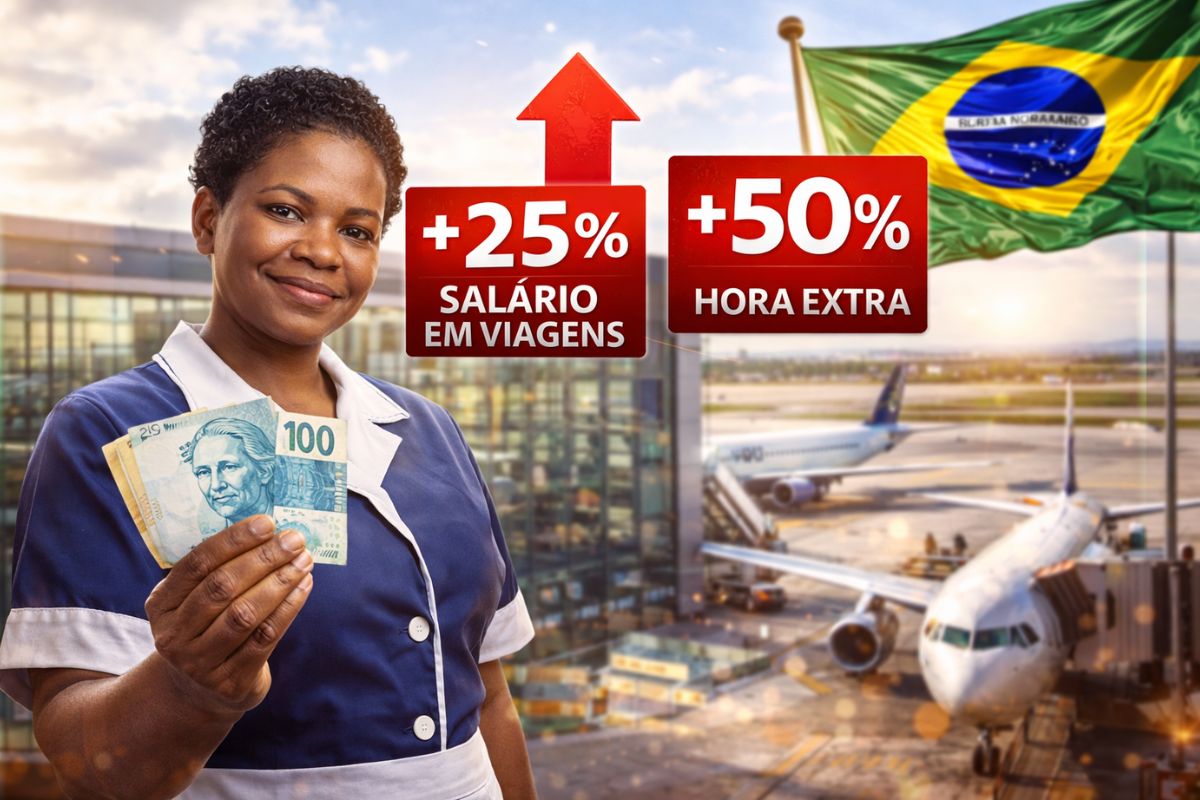
Many employers do not know, but the law guarantees domestic workers a 25% increase in salary during trips, 50% for overtime, 20% for night shifts, and 17 additional benefits that can lead to labor lawsuits if not paid.
-
Gasoline prices soar and the question arises: is ethanol more advantageous? The 70% rule reveals the limit with gasoline.
-
The government has made a decision and is starting a test with more ethanol in gasoline, anticipating a mixture of up to 35%, diesel with 25% biodiesel, and a study to assess the impacts on engines.

The last one, called Nitrogen Fertilizers Unit (UFN3), was transferred to the Acron business group, from Russia. It had been for sale since 2017, the year when Petrobras decided not to produce fertilizers anymore and in an attempt to recoup financial losses from the unit that this year has already totaled R$ 3.8 billion.
This, therefore, became the last step in the process of abandoning the fertilizer production market established after President Michel Temer (MDB) took command of the Palácio do Planalto. A business plan from Petrobras created after the impeachment of Dilma Rousseff (PT).
Brazil also lacks a pipeline system capable of transporting the gas used for the production of nitrogen fertilizers. There are only 40,000 kilometers of pipes, which is also criticized by other sectors.
When the fertilizer factories belonging to Petrobras were active, Brazil consumed about 30 million tons of imported fertilizers. In 2020, this consumption grew to 40 million tons and has only increased since then.
How to Reverse the Abandonment of Fertilizers in Brazil?
Before the war between Russia and Ukraine, the fact that Brazil no longer produces fertilizers through Petrobras did not seem to be so alarming. And the abandonment of the production market, paving the way for the sale of factories that were idle, thus appeared as a completely promising plan.
However, with the sanctions against the Russians, fertilizer exports have been suspended, and now the Government, which had already ruled out the possibility of seeking Russian fertilizers, finds itself further pressured to seek solutions to maintain the supply of nitrogenous, phosphatic, and potassium fertilizers.
Establishing a partnership with Canada, another important exporter of fertilizers, is in the plans of the Ministry of Agriculture. The other alternative, this time with internal solutions, is the National Fertilizer Plan.
The program announced by Minister Tereza Cristina promises to be presented by the end of March. According to the minister, the National Fertilizer Plan had already been planned and coincides with the current crisis arising from the war in Eastern Europe.
“We thought about this back then. Brazil, an agricultural power, could not remain dependent on the rest of the world, over 80% in these three products, from various countries”.
Words from Tereza Cristina on Thursday (03) during live broadcast by President Jair Bolsonaro.
Potassium Factory in Sergipe Is Idle Awaiting Industrial Plant
In the municipality of Capela, in Sergipe, there is a potassium well about 1,620 meters deep, which, if it were operational, could increase fertilizer production by 54%, reducing the need for imports by 50%.
Estimates suggest that there is a reserve in the area of 4.70 billion tons of potassium, with a forecast of extracting 1.2 million tons of the product per year. The project could generate R$ 100 million per year in ICMS and royalties.
War in Ukraine Exposes Petrobras Regarding Fertilizers and Pressures State-Owned Company on Fuel Prices
If the rising cost of fuels in Brazil was not enough, the war in Eastern Europe may bring even more increases in gasoline and diesel prices.
This is because Russia is the second-largest oil seller. However, with the war and related sanctions, the distribution logistics are affected, causing the barrel price of the product to reach high values.
This week the price of a barrel of oil surpassed USD 110. The issue is that Petrobras’s fuel pricing policy is based on the dollar rate. Therefore, there is a possibility of further increases at the gas stations.




Seja o primeiro a reagir!