





 Português
  Inglês
  Espanhol
  5 min de leitura
  0 comentários


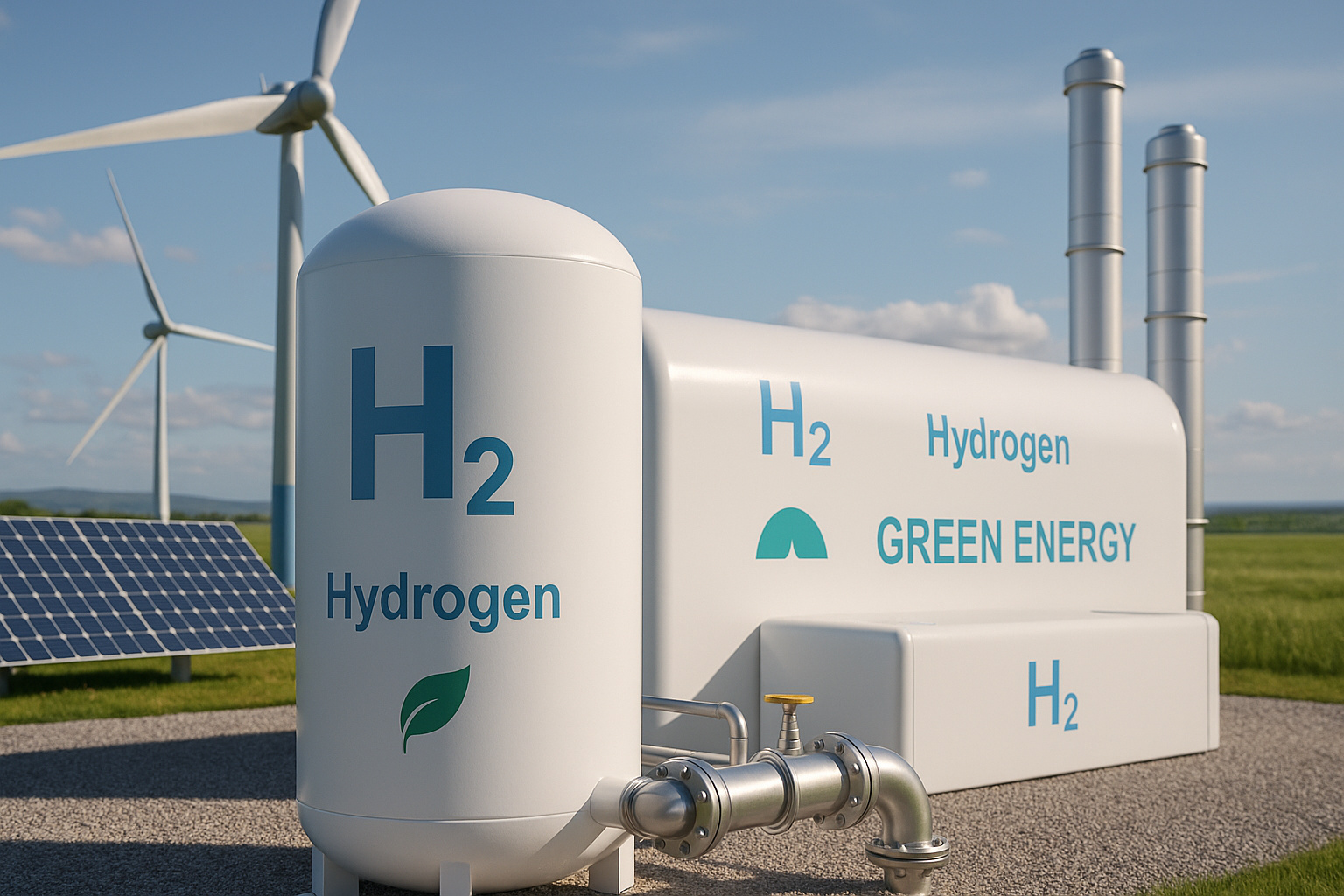
Discover Why Green Hydrogen Technology Is Shaping the Future of Clean Energy and Becoming Essential for Today’s Sustainable World.
Since the 19th century, hydrogen has sparked interest as an energy source.
In 1800, scientist William Nicholson discovered the electrolysis process, which allowed for the separation of water into hydrogen and oxygen — a foundation for hydrogen production to this day.
However, it was only in the 20th century, with the oil crisis and growing environmental concerns, that hydrogen began to be considered a clean alternative to fossil fuels.
-
Renewable energy advances over protected areas in Brazil, and a survey by the Energy Transition Observatory reveals silent impacts that challenge environmental conservation and pressure sensitive traditional territories.

-
Rio Grande do Sul accelerates energy transition: State invests in renewable technologies and consolidates decarbonization strategies and pathways to attract billions in new industrial investments.

-
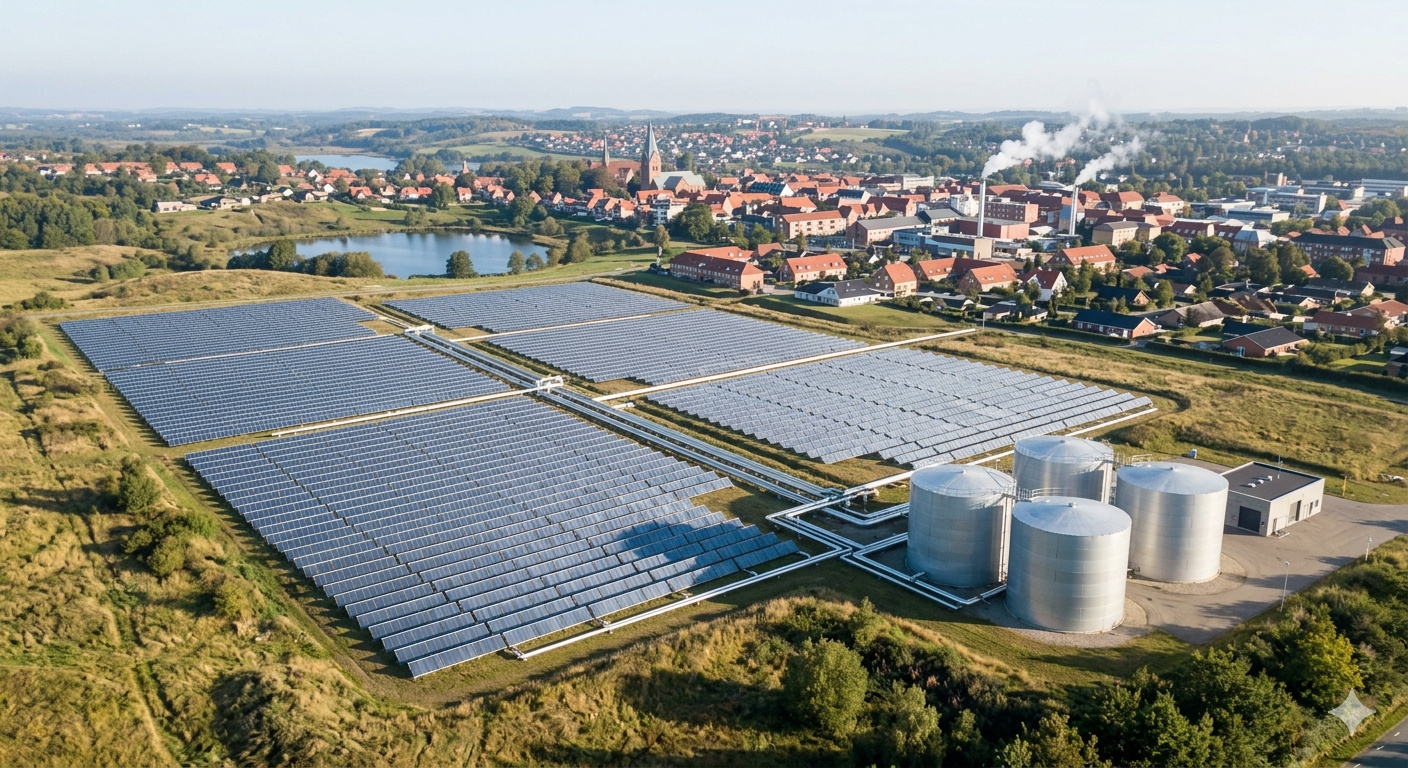
With 160,000 m² of collectors, an area larger than 20 football fields, Silkeborg, in Denmark, hosts a solar thermal plant that heats 19,500 homes and could become the largest solar heating plant in the world.
-
A study reveals the expansion of renewable energy procurement in Brazil and shows how companies are taking advantage of opportunities to reduce expenses, ensure energy efficiency, and strengthen strategic environmental commitments.


In recent decades, the need for sustainable energy sources has become urgent. Therefore, green hydrogen technology has gained prominence.
According to the International Energy Agency (IEA), in its 2019 report, hydrogen had the potential to become a key player in the global energy transition.
However, at that time, sustainable production was still limited by high costs and lack of adequate infrastructure.
Hydrogen is the most abundant element in the universe, but its clean large-scale production required recent technological advancements.
The majority of hydrogen currently produced is referred to as gray hydrogen, generated from natural gas, releasing large amounts of CO₂.
Meanwhile, blue hydrogen, although using carbon capture techniques, still relies on fossil sources.
Therefore, the current focus is on green hydrogen — produced through the electrolysis of water, using exclusively renewable energy.
According to the International Renewable Energy Agency (IRENA), in its 2020 report, the combination of electrolysis with solar and wind energy has become increasingly economically viable, paving the way for a cleaner energy matrix.
What Is Green Hydrogen and How Does It Work?
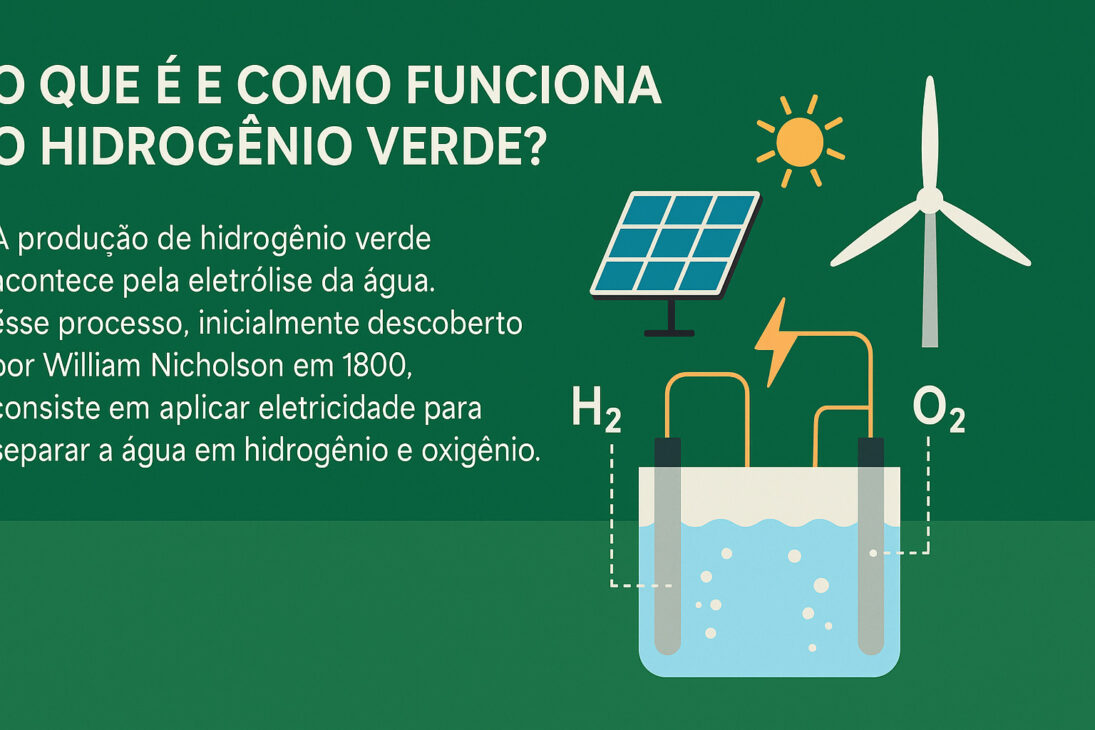
The production of green hydrogen occurs through water electrolysis.
This process, initially discovered by William Nicholson in 1800, consists of applying electricity to separate water into hydrogen and oxygen.
Today, this electricity comes from renewable sources, such as solar and wind. This way, the process does not emit polluting gases, characterizing an environmentally sustainable alternative.
Additionally, green hydrogen stands out for its versatility. It can be used in transportation, replacing fossil fuels in vehicles powered by fuel cells.
It can also replace coal and natural gas in heavy industries, such as steel and cement production — sectors that are traditionally very polluting.
IRENA highlighted in 2023 that electrolyzer costs have decreased by about 50% since 2015, thanks to increased production scale and technological innovation. This has driven the expansion of green hydrogen worldwide.
Besides transportation and industry, hydrogen can be used to generate electricity in hybrid plants, which combine different energy sources, promoting a more balanced and reliable matrix.
Energy Storage and Energy Security
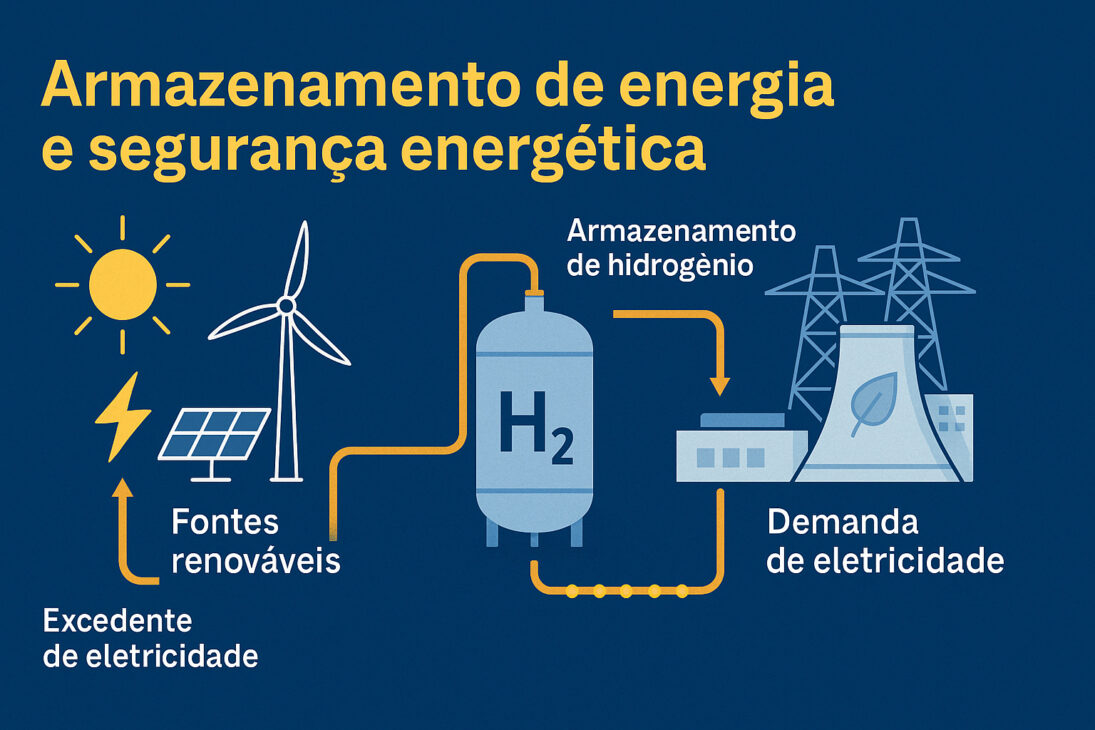
One of the biggest challenges of renewable sources is intermittency — the sun and wind are not always available. In this sense, green hydrogen technology offers an efficient solution for energy storage.
The surplus electricity generated during periods of high production can be used to produce hydrogen, which is stored and converted into energy when demand increases or renewable production decreases.
According to the National Energy Plan 2050 of the Government of Brazil, launched in 2020, the country has the potential to use green hydrogen as a form of energy storage, ensuring greater security and stability in supply.
Additionally, hydrogen can be stored in large volumes and for long periods, unlike conventional batteries.
This makes it a strategic component for balancing electric grids.
Therefore, countries with abundant renewable sources, such as Brazil’s Northeast, can become major producers and exporters, reducing their energy dependency.
Challenges, Opportunities, and the Global Scenario
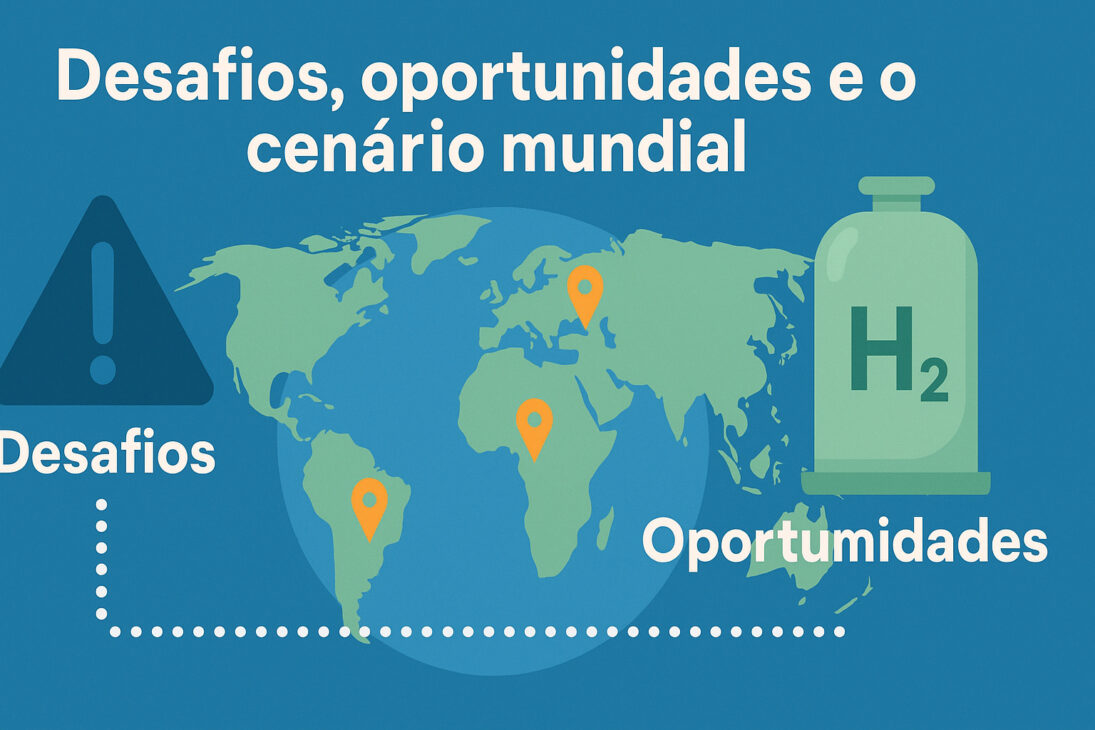
Despite being known for over two centuries, green hydrogen is only now overcoming technical and economic challenges to become a viable large-scale solution.
According to the European Union, which launched its Hydrogen Plan in 2020, the development of green hydrogen is vital to achieve the goal of reducing emissions by 55% by 2030.
However, production, transport, and storage require strict safety standards, as hydrogen is highly flammable. Nonetheless, engineering advancements have ensured increasingly safe and reliable processes.
Besides Europe, countries like Japan, Australia, and Chile have invested significantly in research, infrastructure, and policies to foster the green hydrogen sector.
Meanwhile, Brazil, thanks to its great renewable potential and experience in clean energies, is well positioned to become a global protagonist, as highlighted by the Ministry of Mines and Energy in its recent reports.
The expansion of the green hydrogen production chain generates skilled jobs and encourages technical education, also promoting regional economic development.
Integration with Other Sources and Environmental Impacts
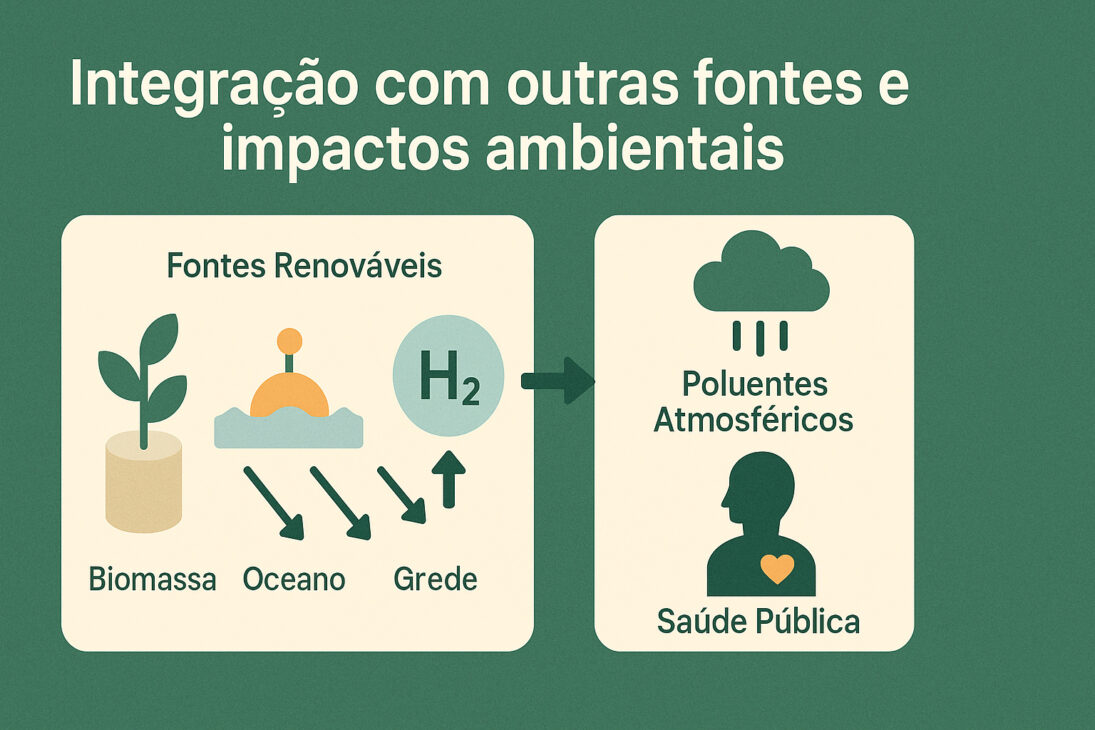
Green hydrogen complements other renewable sources, such as biomass and ocean energy, strengthening a diversified and resilient energy matrix.
Additionally, it reduces emissions of atmospheric pollutants that directly affect public health.
According to studies by the World Health Organization (WHO) published in 2022, reducing air pollution is directly linked to the decrease of respiratory and cardiovascular diseases in urban areas.
Therefore, the use of green hydrogen has a positive impact on the environment and on people’s quality of life.
The substitution of fossil fuels with green hydrogen can prevent the emission of millions of tons of CO₂ over the coming years.
This significantly contributes to meeting international commitments, such as the Paris Agreement.
Social Benefits
Socially, green hydrogen technology offers real opportunities. Job creation, the training of skilled professionals, and economic development in less advantaged regions are some of its positive impacts.
Universities and research centers are already offering specialized courses to train professionals for this growing production chain, ensuring innovation and sustainability in the sector.
In summary, green hydrogen technology represents a viable, clean, and strategic solution for the future of energy globally.
By investing in it, we reduce the carbon footprint, strengthen the economy, and promote an improvement in quality of life.
Therefore, supporting and expanding the use of green hydrogen is not just a smart choice — it is an urgent necessity to ensure a sustainable future for generations to come.











Seja o primeiro a reagir!