





 English
  Francês
  Alemão
  Italiano
  Japonês
  Norueguês
  Portuguese
  Spanish
  3 min of reading
  1 comment





From A Crisis Economy To An Innovative Economic Power. How Did Israel Stand Out In The Scenario Of Per Capita GDP Higher Than That Of The United Kingdom?
Israel, a small country in territory, but giant in influence, has undergone a remarkable economic transformation over the past decades. Known for its millennia-old history and religious significance, the country has also stood out in the global economic scenario, achieving a per capita GDP higher than that of nations such as the United Kingdom, France, and Canada and becoming an economic powerhouse. This impressive evolution was the result of strategic decisions and bold reforms that completely changed the country’s course, according to the video from the channel Global Knowledge.
An Economy On The Brink Of Collapse
In the 1980s, the Israeli economy faced a deep crisis. Inflation reached alarming levels, hitting 400% per year in 1984. The situation was so critical that Israel was on the verge of following a path similar to that of Latin American countries suffering from stagnant economies and high inflation. The government was excessively interventionist, consuming a large portion of the country’s revenues and issuing currency uncontrollably to cover public spending, which only worsened the crisis.


The Turnaround To Economic Power: Crucial Reforms
The turning point to economic power occurred in 1984, when an election rresulted in a coalition government between parties of opposing ideologies. Led by Shimon Peres of the Labor Party, the new government implemented a stringent economic plan aimed at controlling inflation and stabilizing the economy. Among the measures adopted were wage freezes, cuts in public spending, including military expenses, and an aggressive privatization program.
-
If the USA were to go to war with Brazil, Washington’s greatest fear would not be the attack itself, but facing a vast territory, prolonged resistance, and a costly, chaotic, and unpredictable occupation.

-
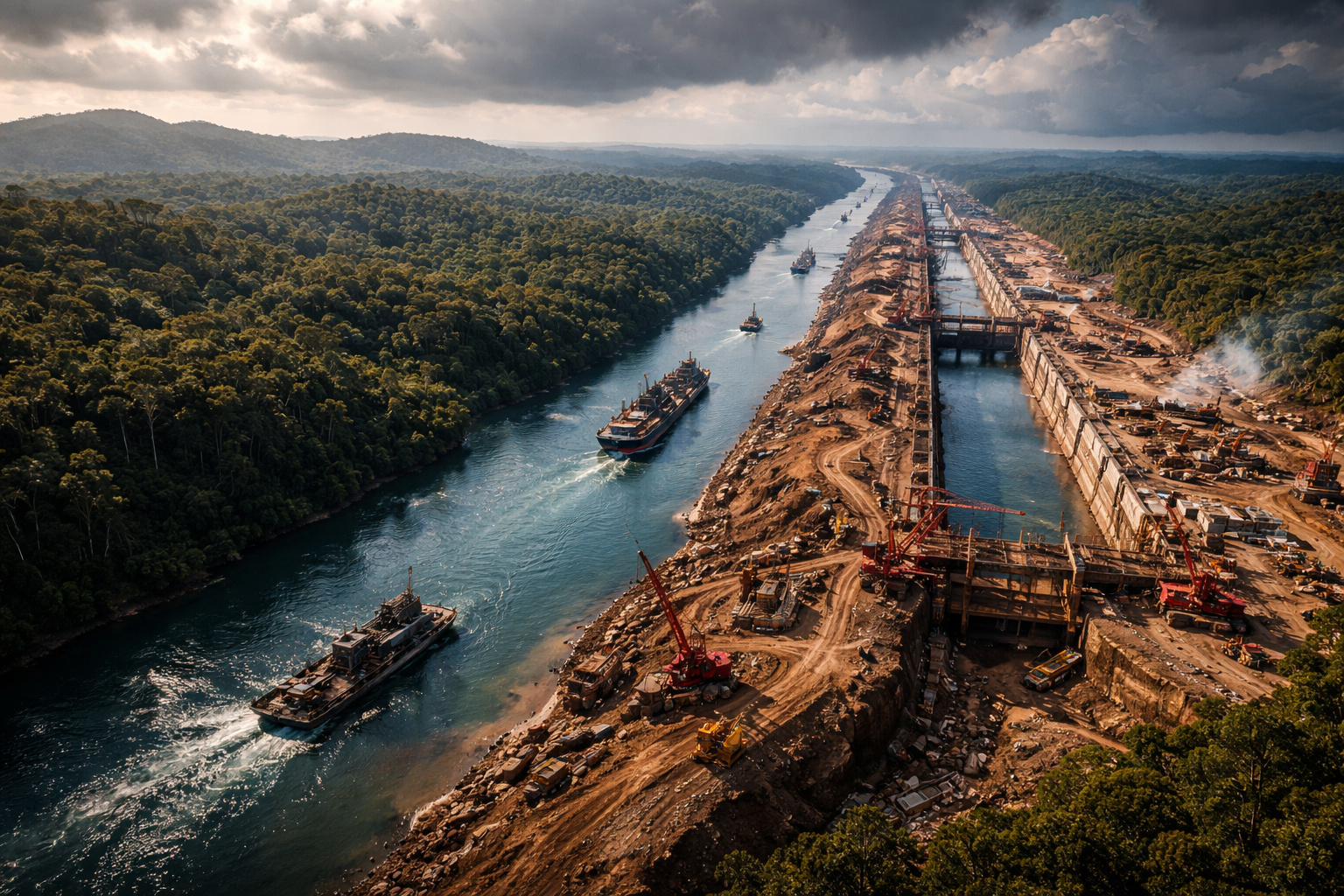
In 2013, Nicaragua sold the concession for a canal to rival Panama to a Chinese billionaire who lost 85% of his fortune, disappeared, and was declared bankrupt. Now the project resurfaces with a new route, a new Chinese partner, and a cost of $64.5 billion.
-
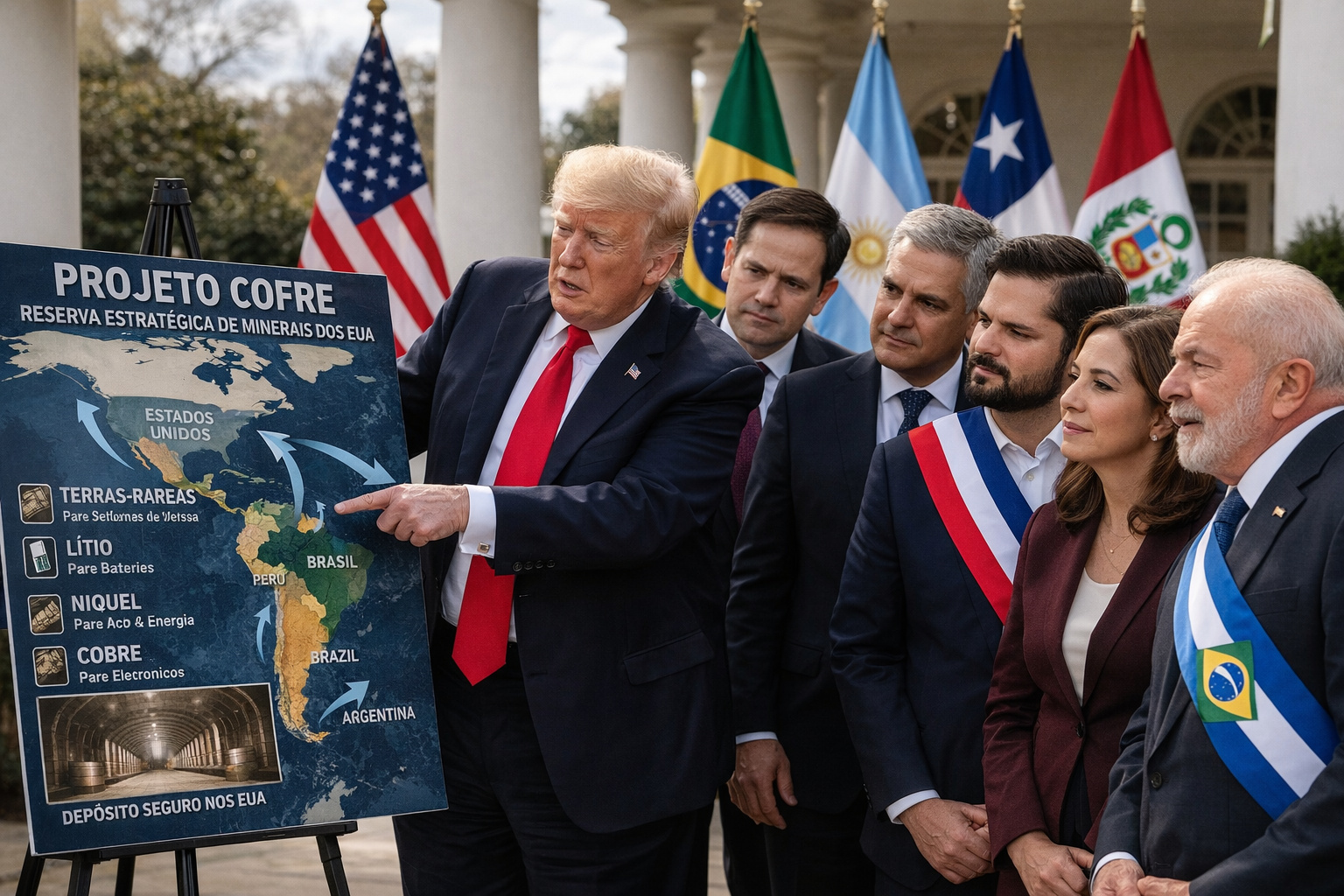
The USA announces a mysterious billion-dollar vault project to store critical minerals, but what intrigues experts is not just the plan itself, but why Latin America, including Brazil, has entered the center of this global dispute against China.
-
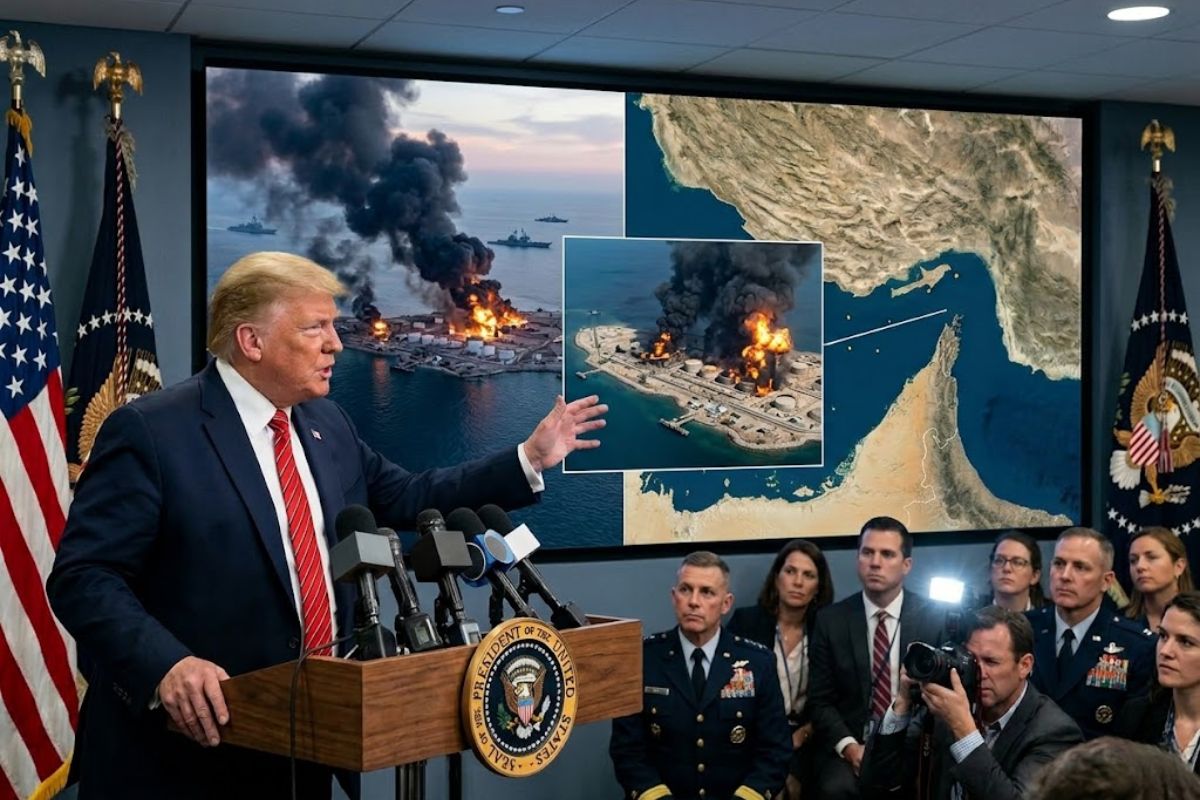
Trump Announces Bombing of U.S. Military Targets on Iranian Island Responsible for About 90% of Iran’s Oil Exports, Warns of Further Attacks if Navigation in Strategic Strait of Hormuz Is Threatened

Moreover, the government stopped issuing currency to finance the public deficit, a crucial decision that helped quickly control inflation. In a few years, the inflation rate, which was approaching 500%, was reduced to less than 20%, a remarkable achievement that stabilized the economy and allowed the country to start growing sustainably.
The Birth Of An Economic Power
With the stabilized economy, Israel turned its attention to technological innovation as a growth driver. In 1993, the government launched the Yozma program, which became one of the pillars of the country’s economic success. The program was designed to attract investments in technology startups, offering public capital as an incentive. Venture capital funds were created to invest in new companies, with the government assuming part of the financial risk.

The success of the Yozma program was astounding. Israel quickly became a global center of innovation, earning the nickname “Silicon Valley of the Middle East.” Companies like Waze, which was sold to Google for over 1.3 billion dollars, emerged from this vibrant ecosystem, placing Israel at the forefront of global technology and as an economic power.









Lerius Desilus