





 Portuguese
  English
  Spanish
  3 min of reading


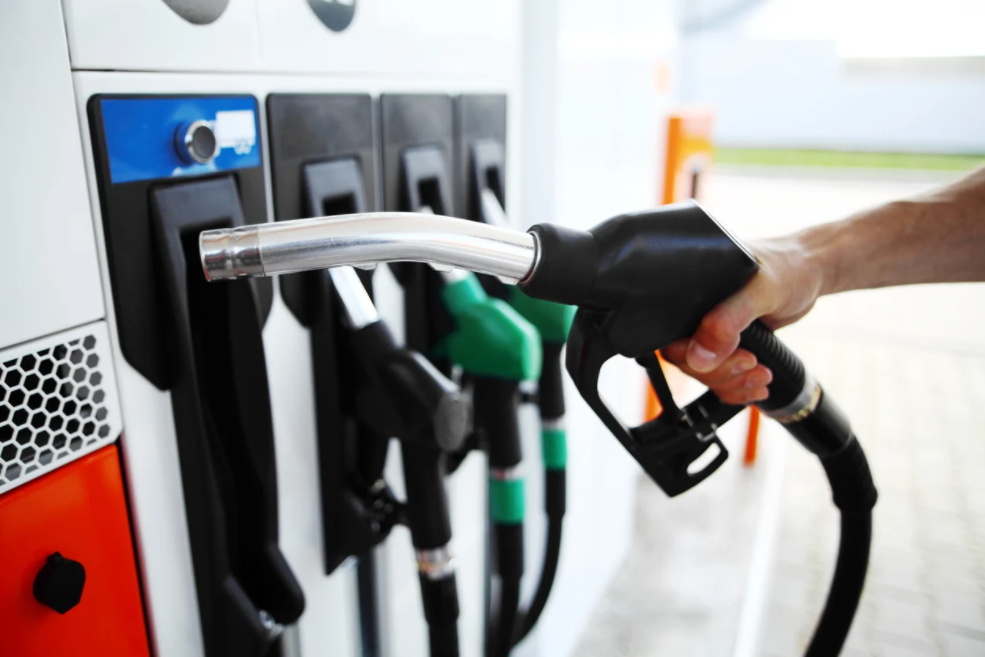
Now That The Gasoline Price Has Increased Once Again, Many Brazilians Are Turning Their Attention to Ethanol. The Fuel Is Produced from Sugarcane, An Abundant Product in Brazil, However Its Price Is Subject to Market Regulation, Which Prevents It from Being Even Cheaper.
Recently, gasoline prices rose by almost 19% at refineries, raising the average fuel price to over R$ 7.00 at gas stations, practically at the same time that ethanol fell by 8.85%, making this option more advantageous in some Brazilian states. Alcohol, as it is popularly known, does not emit carbon monoxide and is derived from an abundant product in Brazil: sugarcane. Despite the power the country has in producing this raw material, the ethanol sales system is subject to market regulation.
Explanatory Video About This Topic?


Market regulation, in practice, is what maintains the ethanol stock. The price of the sugarcane-derived fuel follows the increases in gasoline. In other words, if alcohol becomes too cheap, everyone will buy it, and it may run out. Therefore, to prevent this from happening, the solution developed by the market is to keep increasing prices.
On the other hand, the taxes on imported ethanol will be eliminated by the end of 2022. The reduction to zero of the rates was announced on Monday (21) by the Ministry of Economy. The tax will be eliminated as soon as the measure is published in the Official Gazette.
-
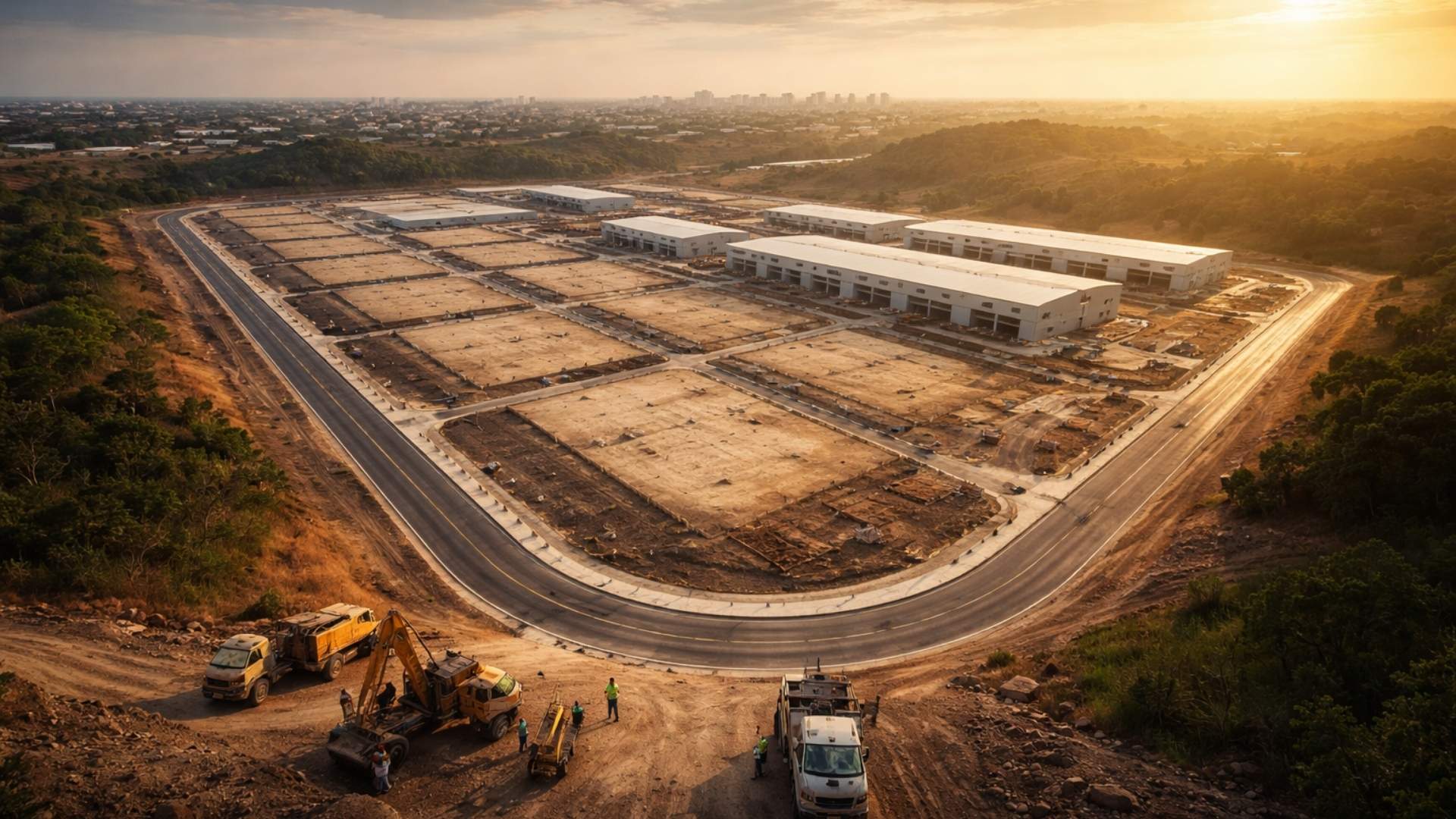
Brazilian city gains industrial hub for 85 companies that is equivalent to 55 football fields.

-
Peugeot and Citroën factory in Argentina cuts production by half and opens a layoff program for more than 2,000 employees after Brazil drastically reduced purchases of Argentine vehicles.

-
A Brazilian city gains a factory worth R$ 300 million with the capacity to process 200 thousand tons of wheat per year, a mill of 660 tons/day, silos for 42 thousand tons, and an industrial area of 276 thousand m².

-
Havan will leave the shopping mall in Blumenau to inaugurate something that the chain has never done before: a megastore in half-timbered style in the Historic Center of the city, which is expected to be completed in May and change the landscape of local retail.


“We Are Defining Zero Reduction of the Import Tariff on Just Over Seven Products by The End of The Year. This Does Not Solve Inflation, That is with Monetary Policy, But It Generates an Important Incentive.”
Statement from the Executive Secretary of the Ministry of Economy, Marcelo Guaranys
Can Gasoline Also Be Reduced with the Measure to Eliminate Taxes on Imported Ethanol?
The Ministry of Economy claims that eliminating the import tariffs on ethanol will lower gasoline prices by up to R$ 0.20 at gas stations because a liter of gasoline contains 25% anhydrous alcohol. Ethanol has an import tariff of 18%.
The price of gasoline has risen very rapidly due to the war involving Russia and Ukraine in Eastern Europe. The Russians are at the top of the list of oil-exporting countries, which is the raw material for gasoline.
Flex vehicle drivers who want to know which is the better choice between gasoline and ethanol need to do a calculation about the price of both fuels.
Ethanol has 70% of the efficiency of gasoline, so what you need to do is divide its price by the price of gasoline. If the result is greater than 0.7, it means that alcohol is costing more than 70% of the gasoline price. However, if the division result is less than 0.7, then it is more interesting to consume ethanol.
2022 Sugarcane Harvest and Expectations for Further Reduction in Ethanol Prices
The sugarcane harvest begins on April 1, 2022. The expectation is that the production of the product should recover in 2022/2023. This projection comes from the Center for Advanced Studies in Applied Economics at the University of São Paulo (Cepea), with a positive outlook for more favorable weather and higher productivity in Brazilian sugarcane fields compared to the 2021/2022 season, which ends on March 31.
Therefore, if the expectations of favorable weather conditions at the beginning of 2022 occur, there will be an increase in the production of sugar and mainly ethanol, leading to more supply. According to the Luiz de Queiroz College of Agriculture at USP, the 2022/2023 sugarcane harvest is expected to reach values between 530 million and 578 million.
In the last harvest, sugarcane production varied between 516 million and 520 million tons recorded by the National Supply Company (CONAB) and the Union of Sugarcane Industry (Única).









Seja o primeiro a reagir!