





 Portuguese
  English
  Spanish
  4 min of reading
  0 comments


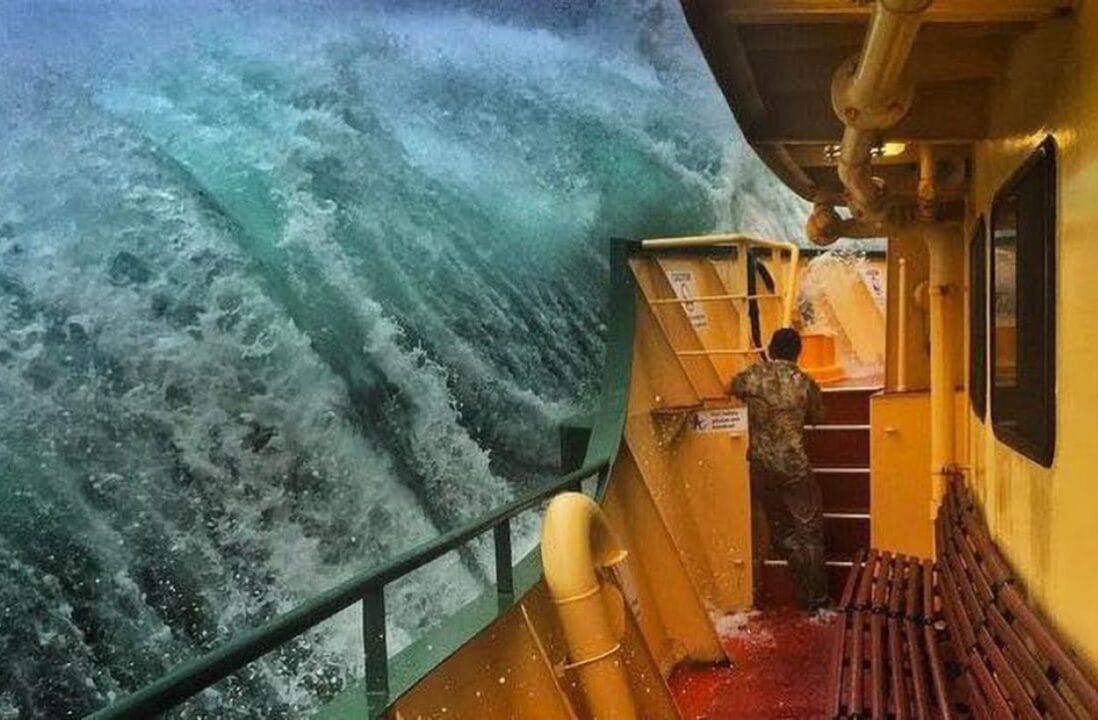
Between Engineering And Technology, How The Ship Hull Ensures Safety At Sea, Know Everything!
Amidst furious storms and monstrous waves, large ships remain imposing, defying the forces of nature with an almost unsettling tranquility. The key to this phenomenon is not just a matter of size, but a combination of advanced design, precise naval engineering, and innovative technologies that ensure stability and safety for these true floating fortresses.
The stability of large ships during storms is ensured by a series of systems and devices specifically designed to maintain balance and prevent sinking. These systems are the result of centuries of maritime innovation and continue to evolve with advancing technology.
Presence of Keels Along The Ship Hull
One of the key elements is the presence of keels along the ship hull. Similar to fins or wings, these keels extend for approximately two-thirds of the ship’s length, increasing their stabilizing effect as the vessel gains speed. They act as true bastions against lateral inclination, ensuring that the ship maintains its vertical orientation even under adverse conditions.
-
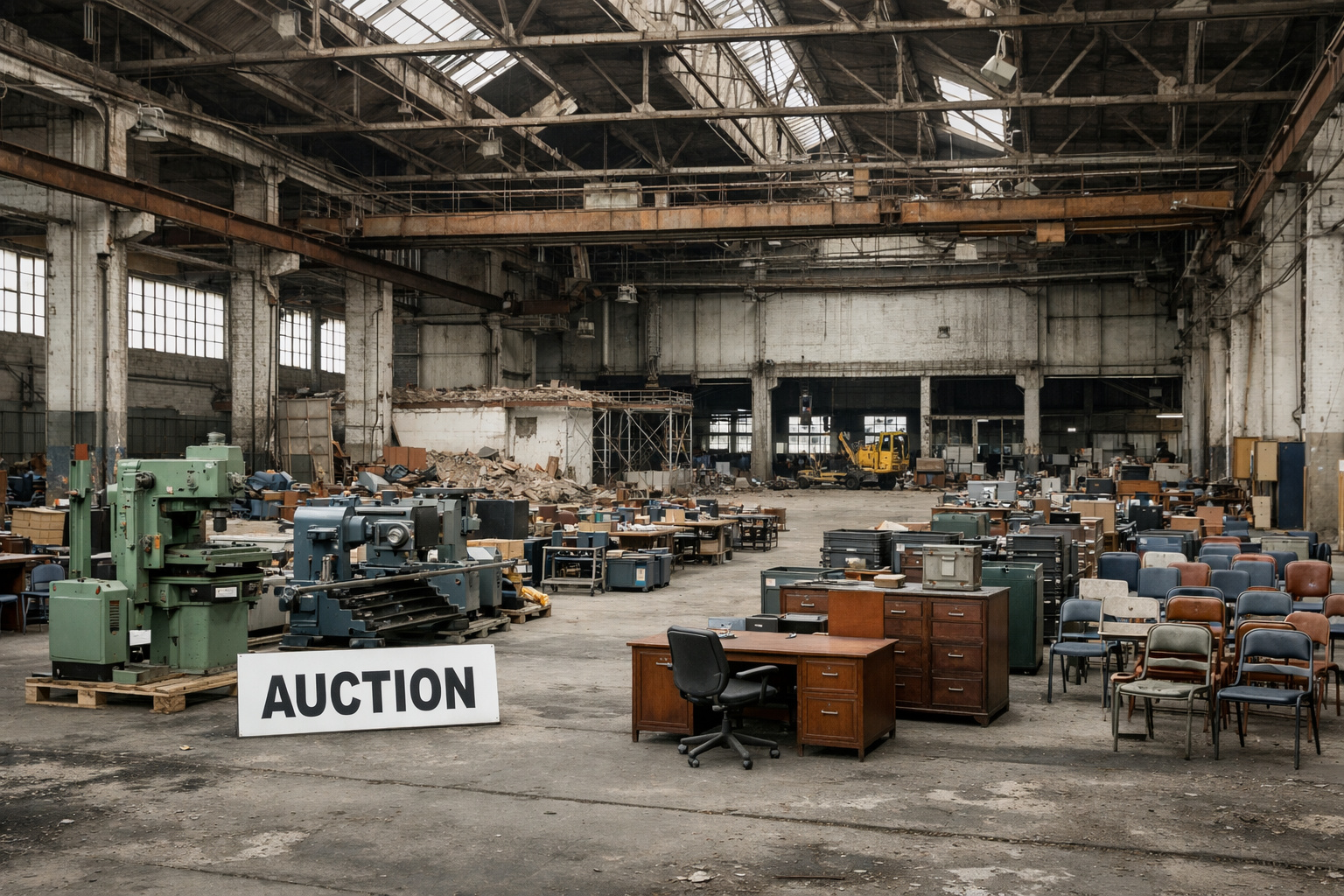
Historic bankruptcy of Centauro shocks the market, and the century-old company puts more than 500,000 products, machines, and complete infrastructure up for online auction.
-
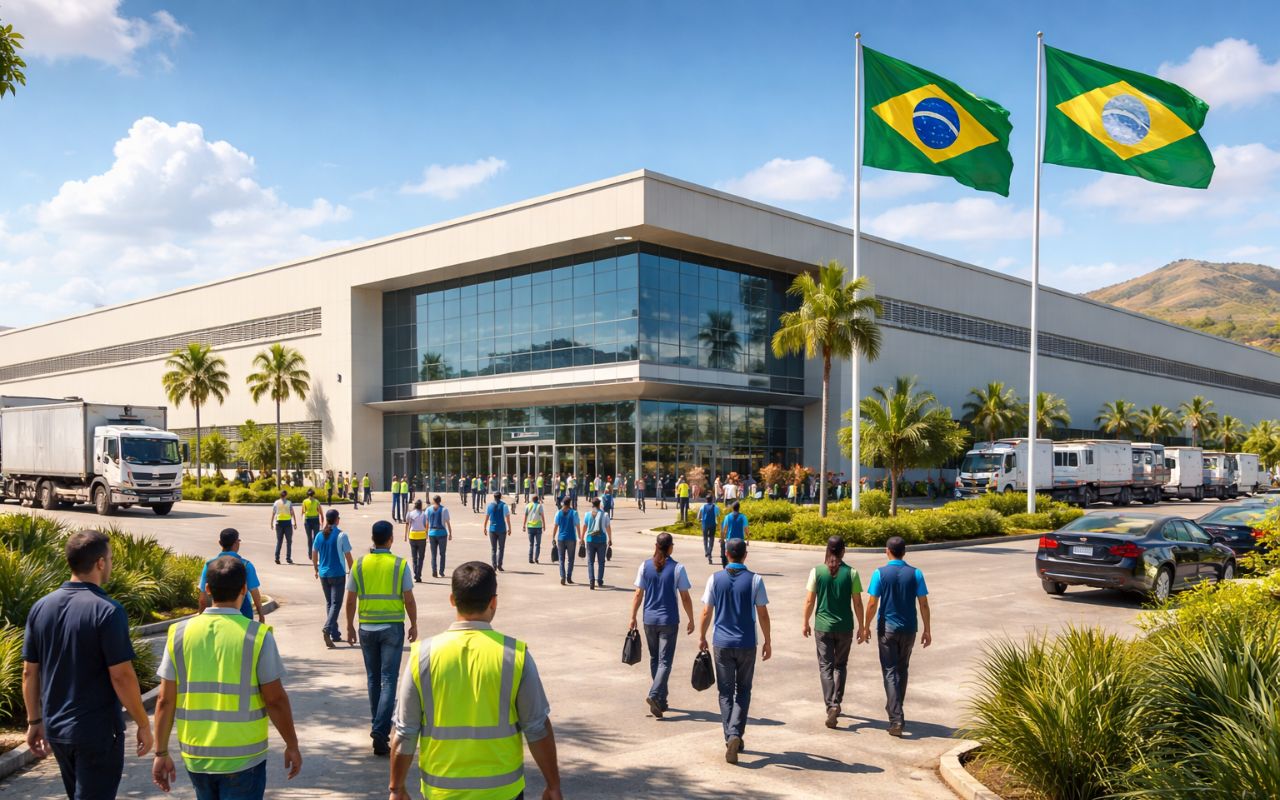
New shoe factory in Ceará is expected to create 400 jobs and strengthen the local economy.
-
No one imagined it, but a mixture of sawdust with a mineral that fights fires surprises scientists with a result that changes the course of fire-resistant construction.

-
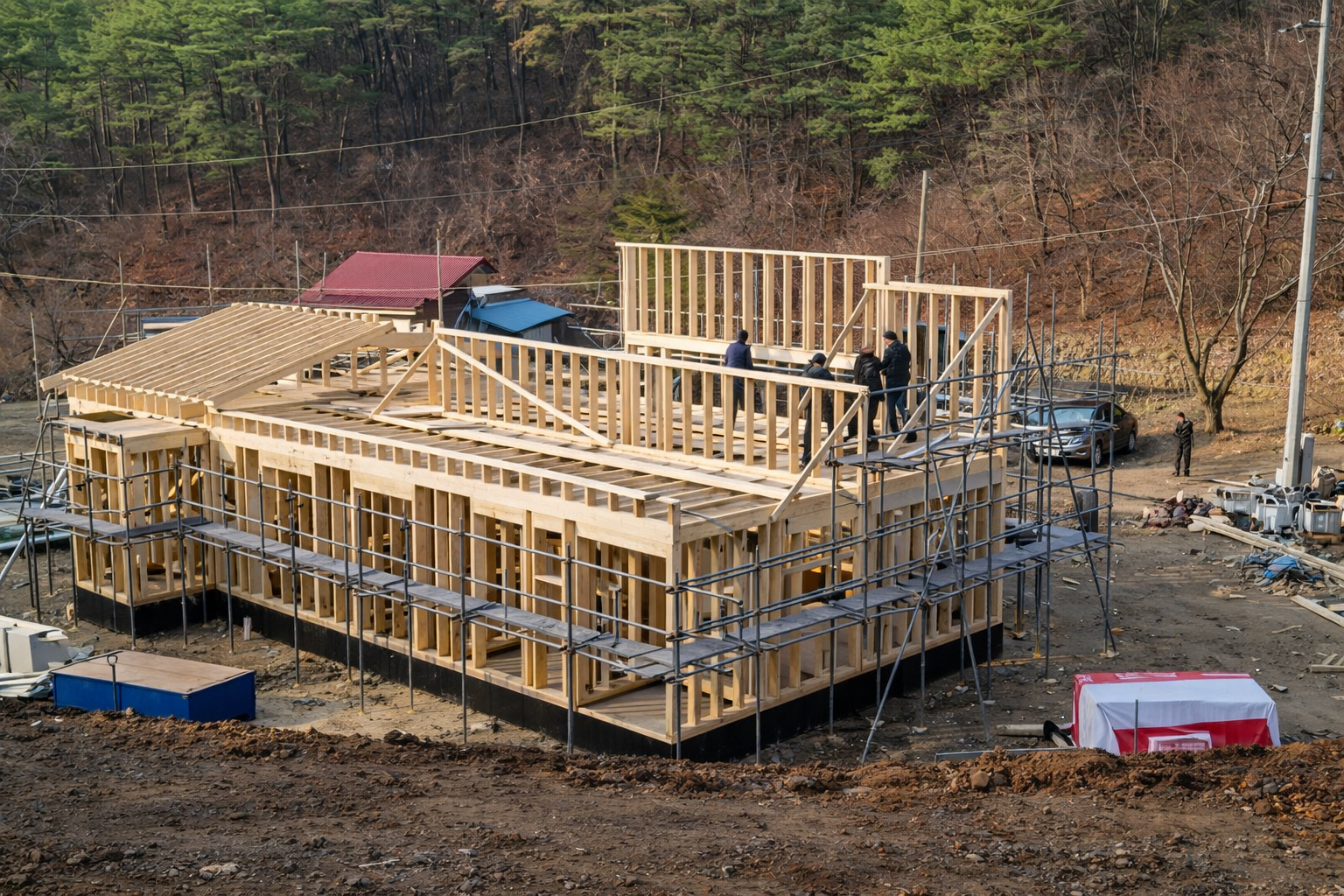
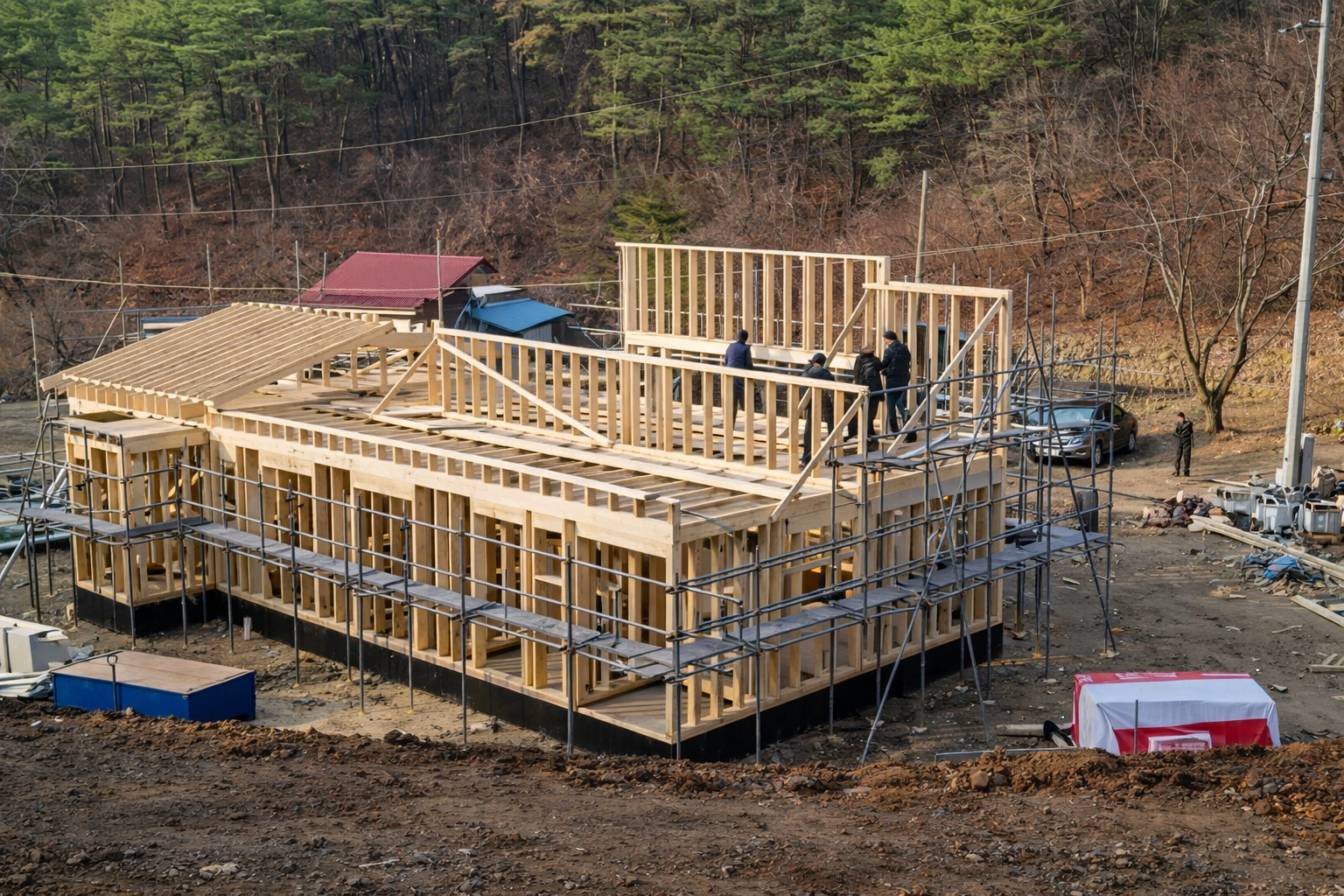
From empty land to a high-end house, wooden construction uses a lightweight system, metal structure for the foundation, ventilated ceramic cladding, and special windows to create an efficient and comfortable living space throughout the year.

In addition to keels, ships are equipped with stabilization tanks that run across the width of the vessel. These tanks, filled with water, play a crucial role in maintaining the ship’s balance, automatically adjusting to tilt to the left or right. With both active and passive systems, the tanks can redistribute water internally to counterbalance the effects of rolling and tilting.
Active Fin Stabilizers On Large Ships
To complement these systems, active fin stabilizers are incorporated on both sides of the hull. Controlled by a sensitive gyroscopic system, these stabilizers can move in various directions to dampen unwanted movements, providing a smoother and safer navigation experience.
Regarding innovation, naval engineers do not stop there. Lifeboats, for example, have been designed with revolutionary concepts that allow these vessels to return to their original position even after being flipped 180 degrees by giant waves. Heavy equipment is positioned as low as possible within the hull, while automatic systems prevent water entry and ensure the essential functioning of the ship, such as radar and engines, after a potential capsizing.
Thus, the secret behind the resilience of large ships against storms lies not only in their imposing nature but in the sophistication of their stability systems and hull engineering. These innovations ensure that even in the face of the most daunting waves, ships can continue their journey safely, marking a triumph of human engineering over the challenges posed by the sea.
The Probability Of Shipwreck And The Engineering Behind Large Ships
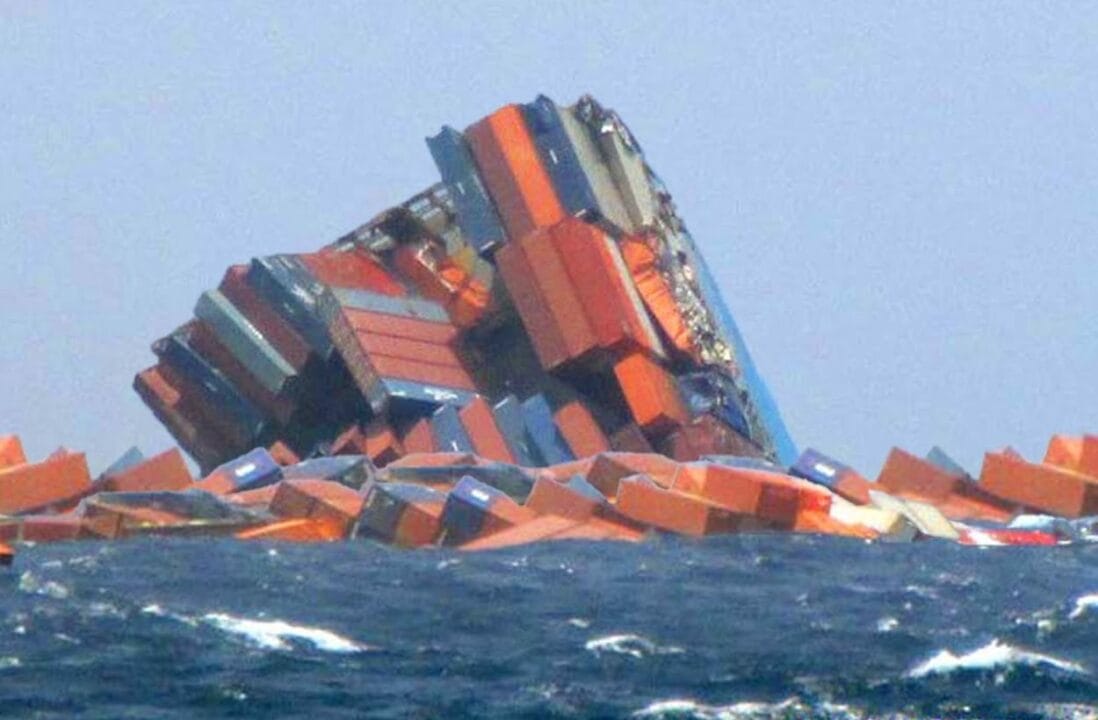
As we explore the world of naval engineering and the technology that allows large ships to withstand the most tempestuous waves, a natural question arises: what is the real probability of a ship sinking? Although images of violent storms and giant waves may evoke fears, the data and science behind shipbuilding offer a reassuring perspective.
The statistics are surprisingly favorable when it comes to the safety of cruise ships. Over the past 50 years, only 11 ocean-going cruise ships have sunk during voyages, which, given an average of 100 crossings per year and a total of 150 cruise ships operating during this time, presents a sinking probability of 1 in 68,000. This number reflects the ongoing commitment to maritime safety and significant advancements in design and naval engineering.
Globally, liquefaction (a process by which solid material is transformed into a fluid state due to vibration or movement) has been responsible for the sinking of about 10 bulk carriers per year. Between 2000 and 2010, serious accidents involving 706 freighters and 17 cruise ships were recorded. In January 2012, the world witnessed the tragic sinking of the Costa Concordia cruise ship, which capsized off the coast of Isola del Giglio in Tuscany after a failed maneuver, marking one of the most notorious maritime accidents in recent history.
How Many Meters Does A Ship Sink Below Sea Level?
The architecture of a ship is designed to maximize stability and safety. For example, a Panamax ship – one of the largest that can pass through the Panama Canal – has maximum dimensions of 294 meters in length, 32.3 meters in width, and a draft (the submerged part of the ship) of up to 12.04 meters. These measurements are carefully calculated to balance cargo capacity with stability and navigability.
Modern engineering and technology have made large ships true fortresses against the adversities of the sea. The probability of a cruise ship sinking is extremely low, reflecting the high safety and stability standards achieved by the maritime industry. While the challenges of the sea remain imposing, the science behind the construction of these ocean giants continues to evolve, ensuring that the journey, even in the face of the fiercest storms, is safe for all on board.







-

5 pessoas reagiram a isso.