






 Portuguese
  Spanish
  2 min of reading


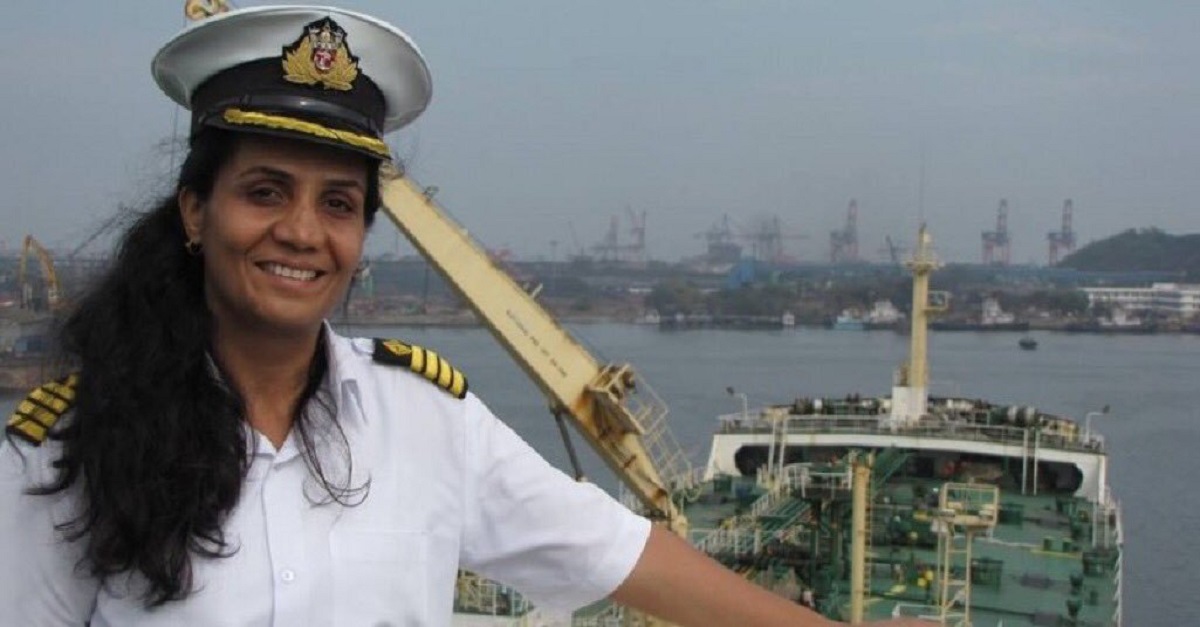
About The Number Of Women In The Maritime Industry, Learn About The Main Reasons Behind The Small Number In This Field
In 1988, few maritime training institutes opened their doors to women students. Note that the year was 1988 and a lot has changed since then. Thirty years have passed and what has changed? In Brazil, training and access to the career began in 2000 with the first class of women trainees.
New questions then arose. How would they have to behave on board ships? There were no women as officers, and they had no one to ask about how to act on board, how to respond in cases of disrespect, among other doubts.
In 2015, the Lloyd Maritime Institute was among the institutes that provided professional training programs known as the Integration of Women in The Maritime Sector, with resolutions adopted to ensure access to maritime training and job opportunities for women in the maritime sector. Today, women in LMI maritime programs remain strong after 5 years of activities.
-
The legendary oak that, according to the story, hid Robin Hood from the Sheriff of Nottingham, died at the impressive age of 1,200 years in England, and the first chilling sign of its end was that no leaves sprouted on the tree this spring.

-
While the world looks at forests, the UN warns that the Earth is also threatened by the silent degradation of natural grasslands and savannas, ecosystems that cover half of the planet, support billions of people, and can exacerbate water, food, and climate crises.
-
The future of computers may change sooner than expected: Amazon bets on commercial quantum computing within seven years, while qubits, the Ocelot chip, AI, and scientific simulations take center stage in the new race among big techs.
-
Cheaper than new HB20, Onix, and Argo, this German sedan offers a 510-liter trunk, a 2.0 naturally aspirated engine, a 6-speed Tiptronic automatic transmission, and well-known mechanics; the 2016 Volkswagen Jetta Comfortline still draws attention in the used car market.

The women trained by LMI have a positive impact as role models to encourage new women to engage in the maritime field and undergo high-level training that empowers them to pursue a career.
Authored text by Anderson Weimar Souza de Oliveira, 1st Machine Officer / Chief Engineer – III/2. Anyone wishing to visit his profile and get in touch, click here.
Want to become a maritime professional? Learn the procedures by accessing another more complete article.




Be the first to react!