





 Portuguese
  English
  Spanish
  5 min of reading
  0 comments



If Your Car Won’t Start, It Could Be a Simple Problem or Something More Serious. In 2025, New Technologies and Advanced Batteries Have Brought New Challenges. Discover the Most Common Causes and What to Do!
Imagine the following situation: you are about to leave for an important appointment, turn the key in the ignition, and the car won’t start. Frustrating, isn’t it? Before calling a mechanic or a tow truck, it is essential to understand the main reasons why a car may not start.
This article explores the most common causes for this problem and offers practical solutions to resolve it.
Dead Battery
The battery is one of the main components responsible for starting the car. If it is dead, the vehicle will not have enough power to engage the starter motor.
-
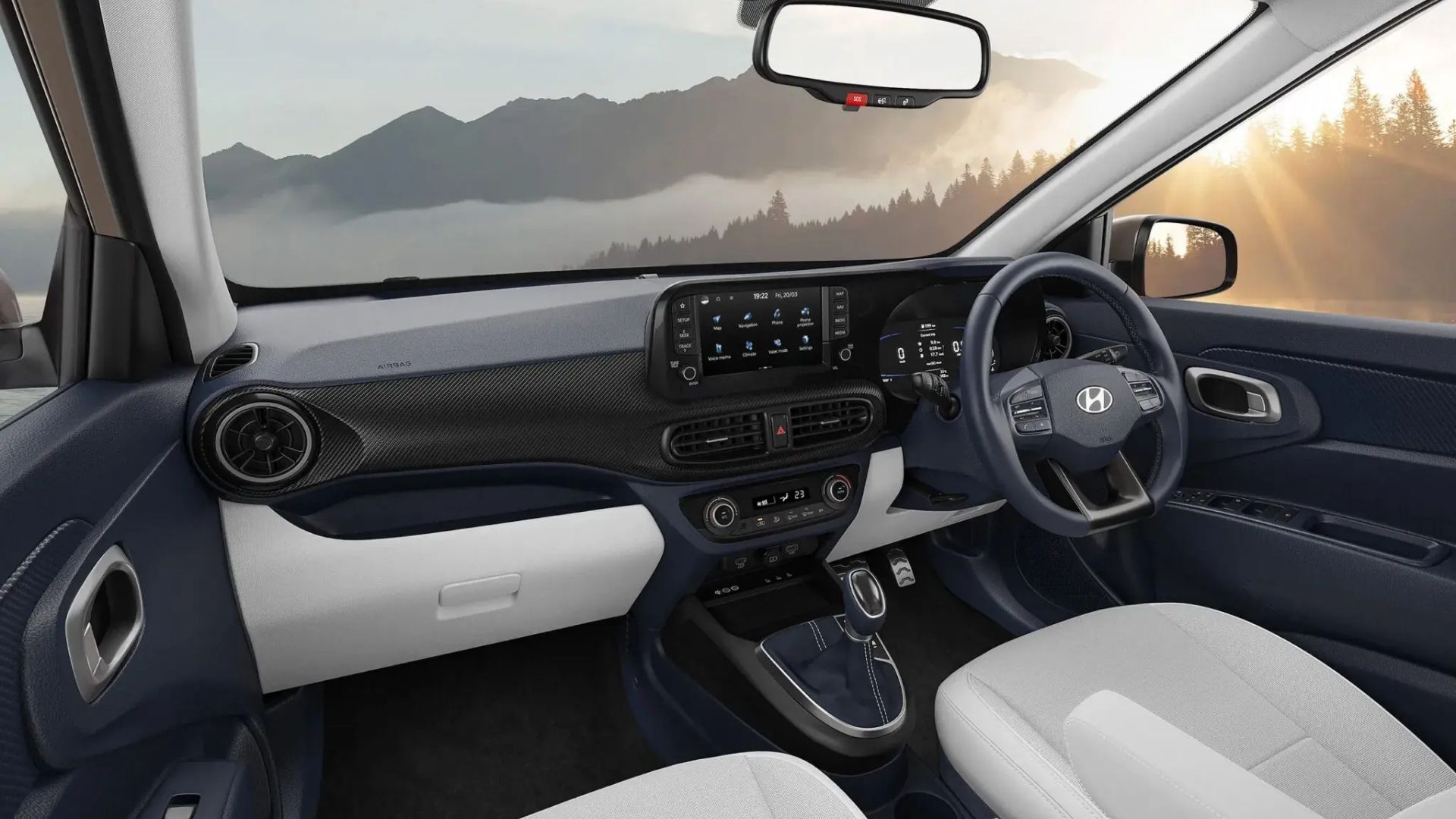
For R$ 32,000, a brand new Hyundai car is a rival to the Kwid with a 1.2 engine producing 82 hp, 6 airbags as standard, multimedia with wireless Android Auto, up to 391 liters in the trunk, and a refreshed look for 2026 in India.
-
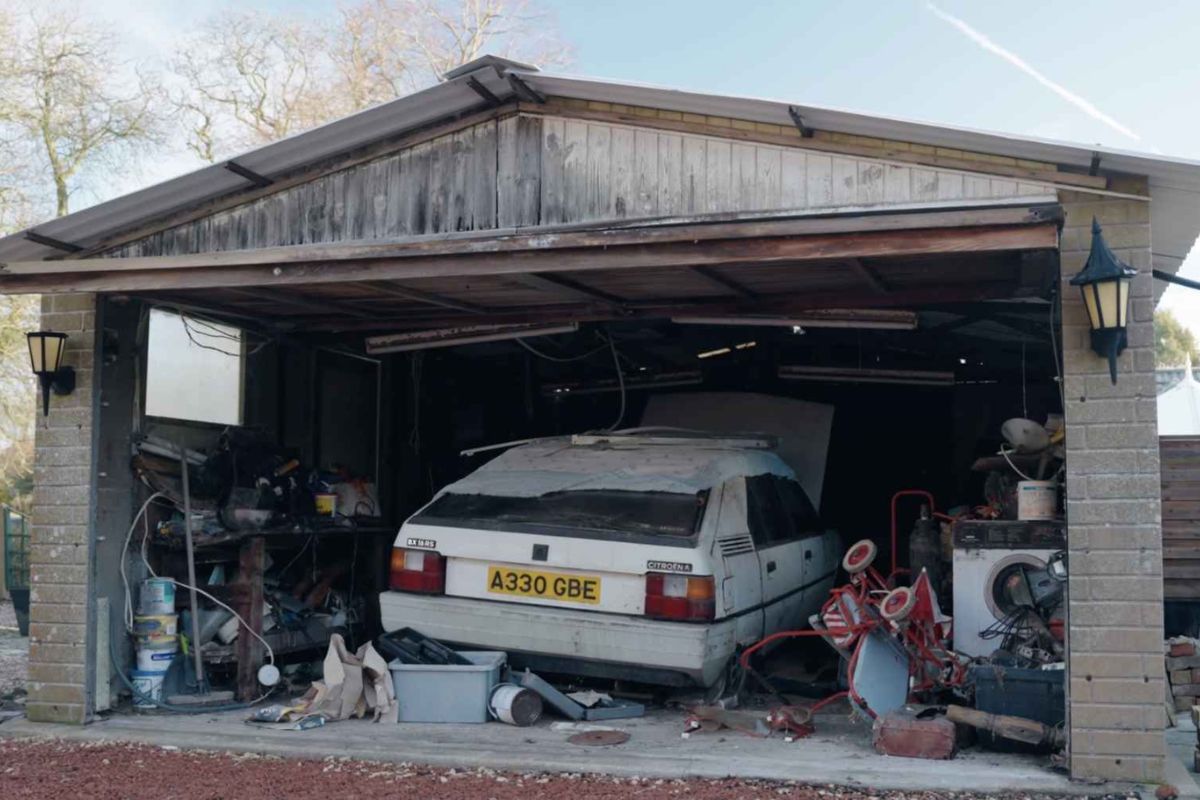
He bought a new car in 1983, locked it in the barn in 1988, and no one opened the door for 38 years until the family discovered what was stored inside and realized it looked like something out of a movie.
-
A 250cc motorcycle that can reach 560 km with a 14-liter tank, features disc brakes on both wheels and is among the most well-known in Brazil.

-
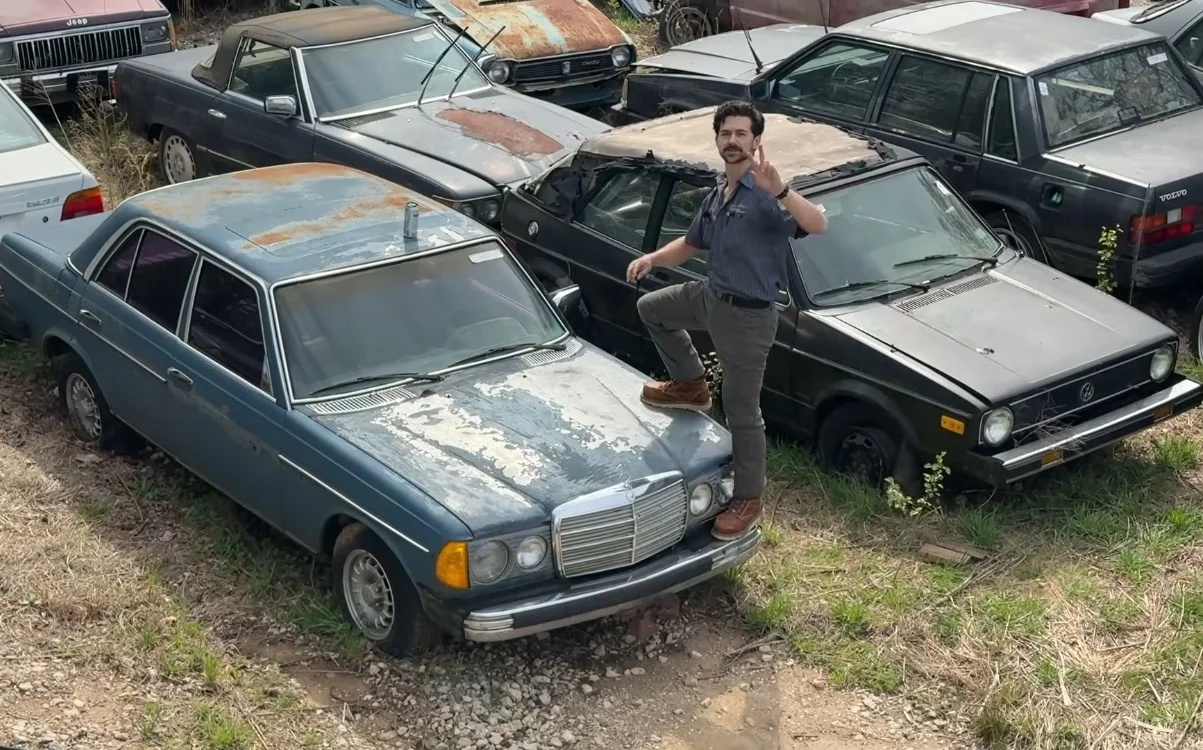
Man finds over 200 rare cars abandoned on a lot and tries to do the impossible in 8 hours with a surprise at the end.

Signs of a Dead Battery:
- Dimming or flickering headlights;
- Clicking noise when turning the key;
- Dashboard lights off or unstable.
If the problem is the battery, an immediate option is to recharge it with jumper cables connected to another vehicle. If the battery is old or showing recurring issues, it may need to be replaced.
Furthermore, the lifespan of a battery typically ranges from three to five years. If your car takes longer to start even after charging, it may indicate that the battery is nearing the end of its life.
Some batteries have charge indicators that can be easily checked. Avoid draining the charge by leaving lights or the radio on unnecessarily.
Fuel System Problems
If there is fuel in the tank but the car won’t start, there may be failures in essential components of the fuel system.
Main Causes:
- Clogged Fuel Filter: prevents fuel from reaching the engine.
- Faulty Fuel Pump: fuel is not delivered to the cylinders.
- Airflow Sensor Failure: the engine does not receive the correct amount of fuel.
A simple way to check the fuel pump is to turn the key to the “on” position and listen for a faint humming sound from the tank. If the sound is absent, the pump may be faulty.
Keeping the fuel filter clean and replacing it within the period recommended by the manufacturer can prevent blockages and ensure the system functions correctly. Additionally, using quality fuel reduces residue formation and prevents damage to the fuel pump.
Faulty Starter Motor
The starter motor is responsible for turning the vehicle’s engine when starting. If it is faulty, the car will not start, even if the battery is charged.
Signs of Starter Motor Failure:
- Single click when turning the key, without the sound of the engine turning;
- Dashboard lights up, but the engine shows no signs of life;
- Burning smell coming from the engine compartment.
If there are signs of overheating, such as a burning smell or smoke, avoid trying to start the car repeatedly, as it may further damage the starter motor. Some failures can be resolved with simple cleaning of the starter motor’s electrical contacts, but, in more severe cases, replacement will be necessary.
Defective Ignition Switch
The ignition switch is responsible for sending power from the battery to the car’s electrical system. If it is defective, the engine may not receive the necessary current to start.
How to Identify the Problem:
- The car does not respond when turning the key;
- The engine shuts off suddenly while the car is in motion;
- The dashboard lights do not turn on.
If there is suspicion of a faulty ignition switch, replacement should be done by a qualified professional. In some cases, a simple adjustment of the ignition cylinder may resolve the issue, but it is important to ensure the electrical system is functioning properly.
Worn Spark Plugs
The spark plugs are responsible for generating the spark needed to ignite the fuel and start the engine. If they are worn or dirty, the car may not start or may run erratically.
Signs of Worn Spark Plugs:
- Engine misfiring or stuttering;
- Increased fuel consumption;
- Difficulty starting.
Worn spark plugs can also reduce the car’s power and cause engine fluctuations. Periodic replacement of the spark plugs, as per the vehicle manual, is essential to avoid problems.
Steering Lock Problems
The steering lock is a safety mechanism that prevents the car from being started without the correct key. If it is locked, the key may not turn in the ignition.
How to Unlock:
- Gently turn the steering wheel to both sides while trying to turn the key;
- Use a specific lubricant for locks in the ignition;
- Avoid forcing the key, as this may damage the ignition cylinder.
If the lock persists, a specialized locksmith may be necessary to solve the problem. A preventive tip is to avoid turning the steering wheel too forcefully when turning off the car, as this may inadvertently engage the lock.
Common Problems in Modern Vehicles
Newer cars have advanced electronic systems that may prevent the engine from starting.
Main Causes:
- Dead Key Fob Battery: some vehicles won’t start if the key fob battery is weak.
- Presence Sensor Failure: if the car has a keyless start system, ensure the key fob is inside the vehicle and working properly.
- AdBlue Requirements: modern diesel vehicles that use AdBlue may not start if the fluid level is low.
Additionally, failures in the car’s electronic modules can compromise starting. Keeping software updated and performing regular maintenance can help prevent unexpected problems.
Cold Weather and Starting Difficulties
Cold weather can affect the car’s performance in various ways.
Effects of Cold on the Car:
- Weak Battery: cold reduces the battery’s capacity;
- Thick Motor Oil: hinders lubrication and the engine’s operation;
- Frozen Fuel: at very low temperatures, gasoline or diesel may have combustion difficulties.
In addition to basic measures, using a thermal blanket over the engine or keeping the car in a closed garage can help minimize the effects of the cold.
There are various reasons why a car won’t start, ranging from simple issues like a dead battery to more complex failures in the fuel system or ignition. Keeping up with preventive maintenance and being attentive to the vehicle’s signs can avoid inconveniences and unnecessary costs.
If the problem persists, the best option is to seek a trusted mechanic for an accurate diagnosis and the necessary repairs. After all, a well-maintained car is synonymous with safety and peace of mind in daily life.










Seja o primeiro a reagir!