





 Português
  Inglês
  Espanhol
  4 min de leitura
  0 comentários



Delay In Analyzing Requests And Lawsuits Causes The Accident Assistance To Generate High Arrears, Resulting In Single Payments Of Large Amounts To The Insured.
The accident assistance generates high arrears when the INSS takes time to analyze requests or denies benefits that are only recognized later in administrative or judicial processes. This wait accumulates months of unpaid amounts, which end up being released all at once, in deposits that can reach thousands of reais.
According to Social Security Attorney Tais Santos, these arrears represent the difference between what the insured should have received month by month and what is only paid later, whether through deposit in an account, via RPV (small value requisition) or precatório, depending on the amount.
What Are Arrears And Why Do They Become So High
The so-called delayed amounts are portions of benefits that the insured was already entitled to, but did not receive due to failures from the INSS.
-
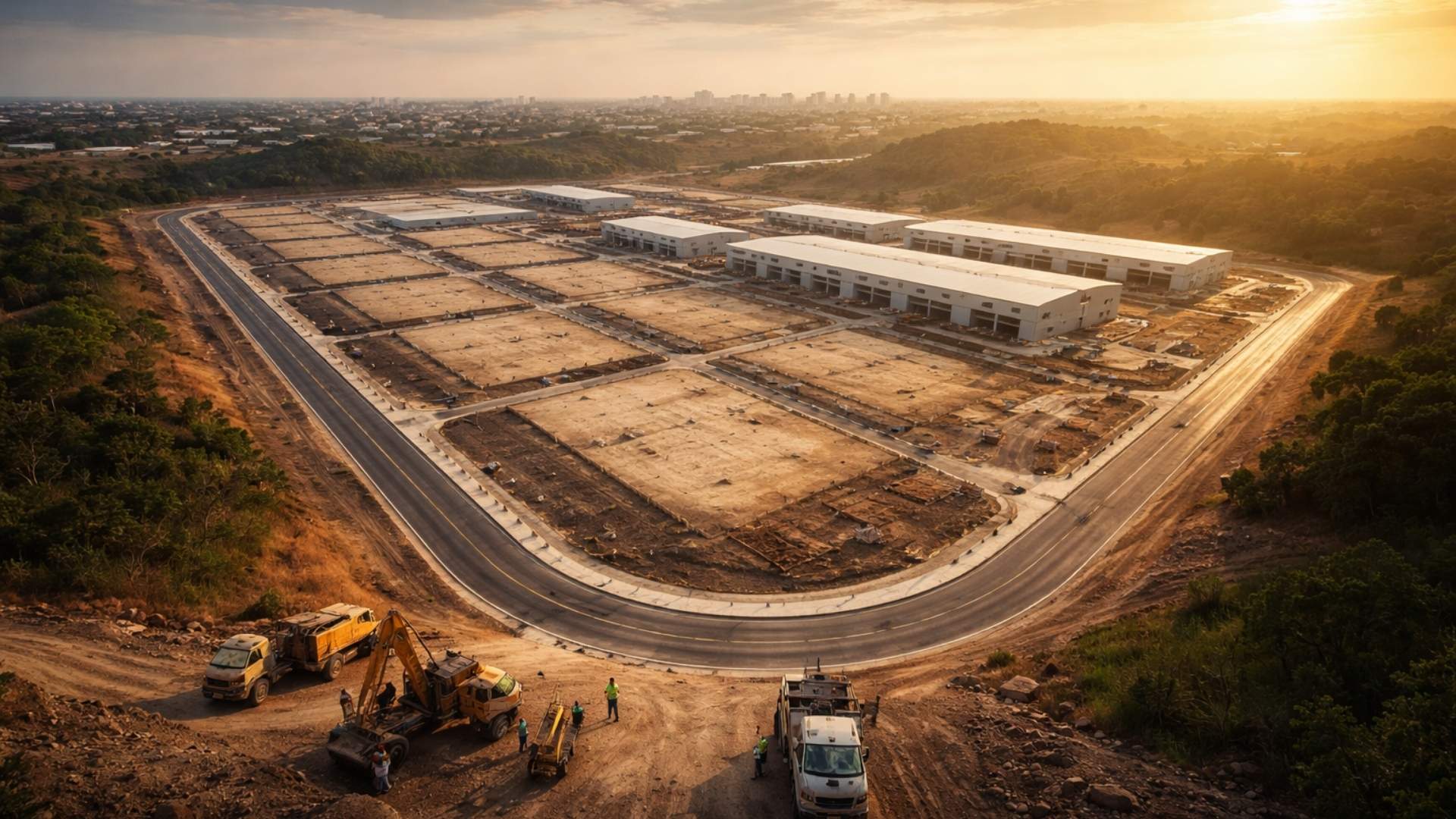
Brazilian city gains industrial hub for 85 companies that is equivalent to 55 football fields.

-
Peugeot and Citroën factory in Argentina cuts production by half and opens a layoff program for more than 2,000 employees after Brazil drastically reduced purchases of Argentine vehicles.

-
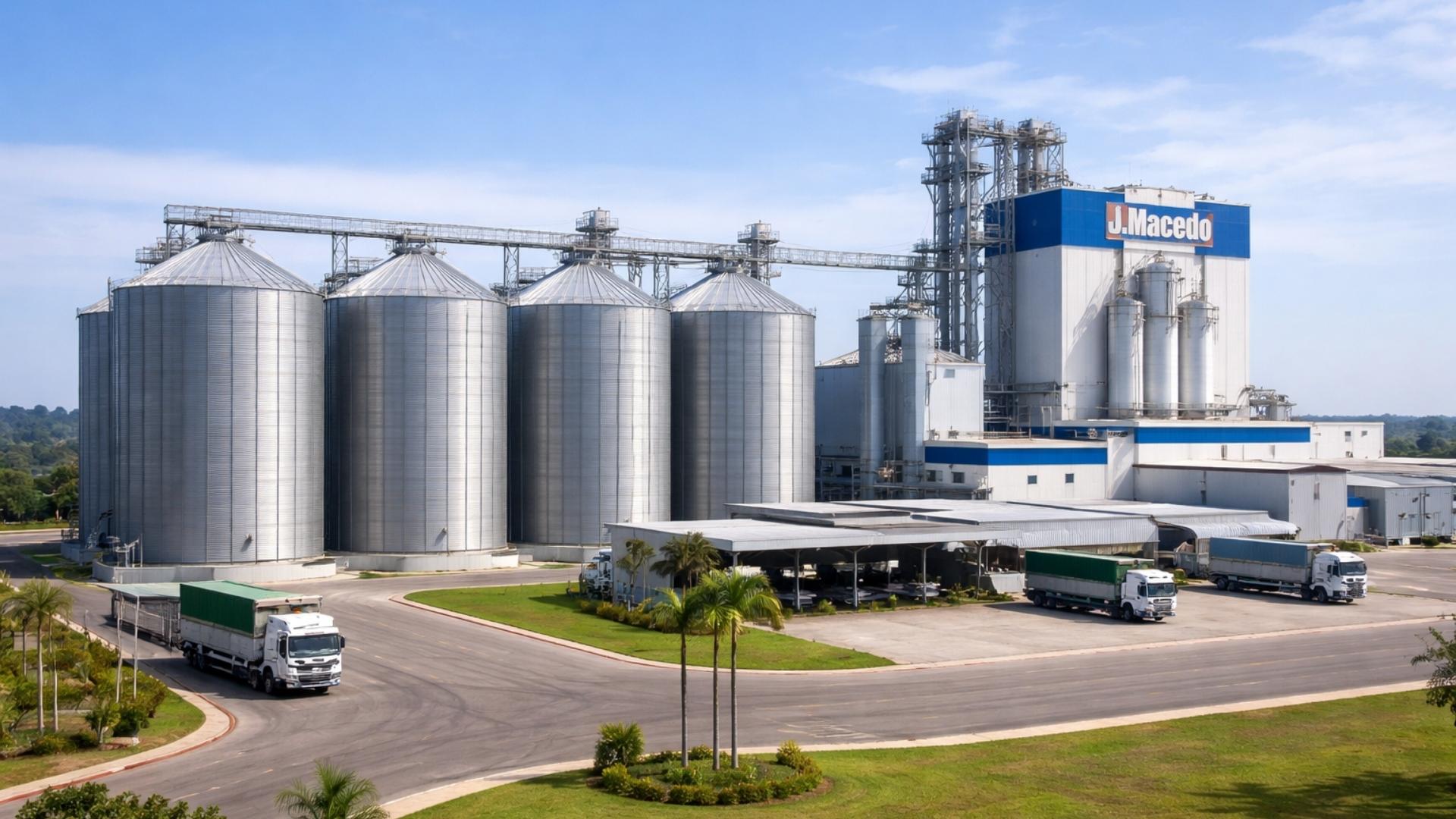
A Brazilian city gains a factory worth R$ 300 million with the capacity to process 200 thousand tons of wheat per year, a mill of 660 tons/day, silos for 42 thousand tons, and an industrial area of 276 thousand m².
-
Havan will leave the shopping mall in Blumenau to inaugurate something that the chain has never done before: a megastore in half-timbered style in the Historic Center of the city, which is expected to be completed in May and change the landscape of local retail.


When the right is recognized late, the accumulated sum can be significant. The longer the delay, the higher the final deposit.
According to Tais Santos, this accumulation does not only occur with accident assistance.
Special retirement, retirement for permanent disability, and other benefits can also generate significant arrears, especially when there is difficulty in proving length of service or exposure to harmful agents.
Accident Assistance: Benefit That Requires Detailed Evidence
In the case of accident assistance, the insured needs to prove the link between the illness or injury and the work environment.
Accidents during work hours, on the way, or occupational diseases (such as repetitive strain injuries) can justify the request.
The specialist emphasizes that the documentation is the decisive factor. Without technical evidence linking the health issue to the work activity, the process tends to drag on, which further increases the volume of arrears.
The longer the benefit takes to be recognized, the higher the amount paid all at once will be.
The Role Of The Judiciary And The Impact On Payments
When the INSS denies or takes too long to grant accident assistance, many insured individuals turn to the Judiciary. In these situations, the process is handled in the state accident courts, known for long timelines. This explains why accident assistance generates high arrears.
According to Tais Santos, when the ruling is confirmed, the payment is made in a single installment: amounts below 60 minimum wages via RPV; above that, through precatório.
In both cases, the insured receives an accumulated amount that can make a significant financial difference.
Special Retirement And Insalubrious Time: Other Cases Of Arrears
Although accident assistance is a frequent example, special retirements are the ones with the highest concentration of large arrears. This occurs because the INSS often denies the recognition of time worked under insalubrious or dangerous conditions.
Only in court do these periods end up being valid, which generates arrears that can easily surpass the value of years of accumulated benefits.
For professionals exposed to harmful agents, such as doctors, nurses, electricians, metalworkers, security guards, among others, the difficulty in obtaining documents from companies also contributes to the delay, increasing the final amounts.
How To Avoid Losses And Speed Up The Process


The main recommendation is to not delay the submission of the request. Each month without a request means a month lost in arrears.
Additionally, gathering documents from the beginning such as reports, CAT (communication of work accident), medical exams, and work records minimizes the chances of denials and speeds up the recognition of the right.
According to Tais Santos, seeking a specialized lawyer can be essential, as these cases involve complex technical evidence and require knowledge of social security and labor regulations.
The fact that accident assistance generates high arrears shows how slowness in administrative and judicial processes directly impacts the life of the insured.
For many, the accumulated deposit brings relief, but also highlights the fragility of the system in ensuring rights on time.
Have you ever gone through a situation of arrears at the INSS? Do you think that single payments are a fair way of compensation or do they simply reveal the slowness of the system?
Share your experience in the comments; your story can help others who are facing the same challenge.








Seja o primeiro a reagir!