





 Portuguese
  English
  Spanish
  5 min of reading
  5 comments


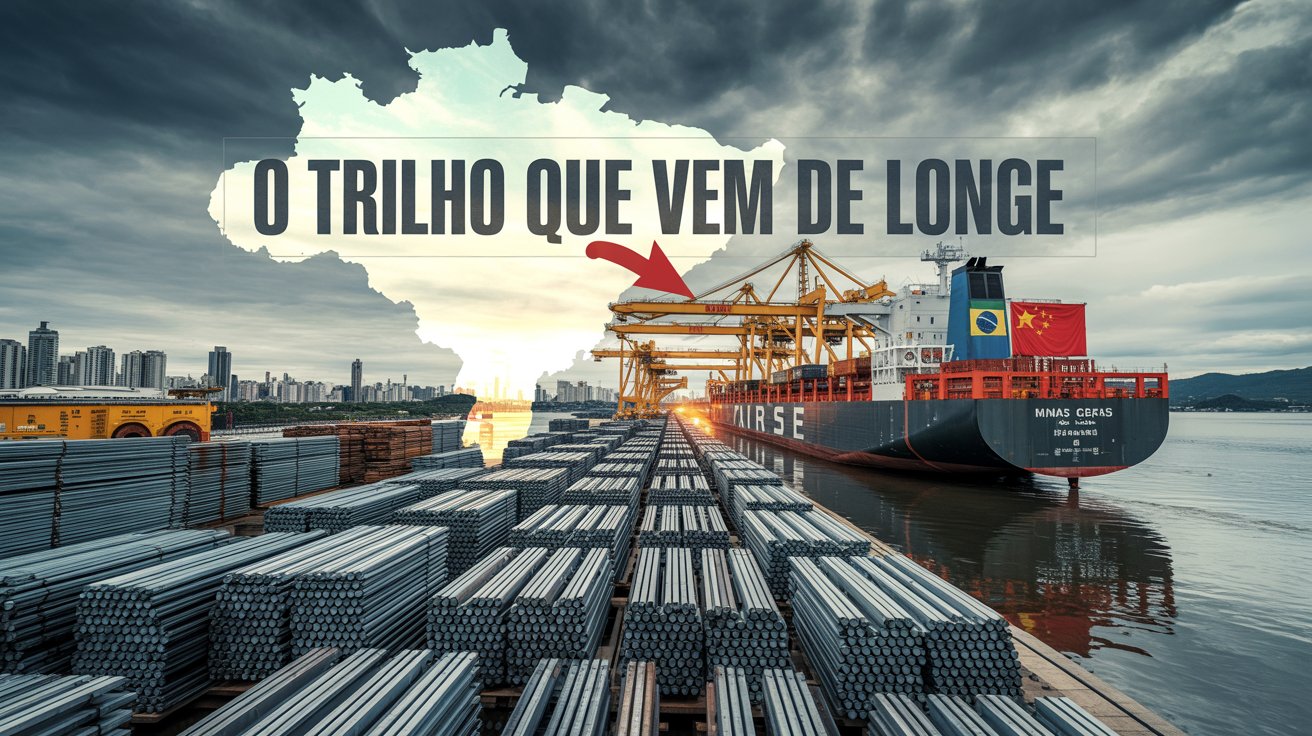


Rail Expansion in Brazil Exposes the Contradiction of a Country with Abundant Iron Ore and Advanced Steelmaking, but That Imports High-Precision Rails for Strategic Works, Even with Public and Private Investments in Mobility and Cargo.
The recent expansion of the country’s metro-rail network reveals a paradox: even with some of the largest iron ore reserves on the planet and cutting-edge steel mills, Brazil continues to import high-precision railway rails for strategic works.
The most visible case occurred in São Paulo, where Line 2-Green of the Metro received a batch of 1,462 bars imported from China, each 18 meters long, totaling about 1,500 tons, reinforcing external dependence precisely at the moment of accelerating urban and cargo works.
What Makes a High-Precision Rail
Unlike rebar or structural shapes, high-precision railway rails require metallurgy and process control at another level.
-
Mercado Livre has just started selling medications with delivery in up to three hours to your door, and this move could completely change the way Brazilians buy medicines on a daily basis.

-
In Dubai, rising tensions from the war in the Middle East are causing super-rich individuals to leave the Gulf and direct their fortunes to a new financial refuge in Asia.

-
“No one will make us change the Pix,” says Lula after the US report.

-
Lula responds directly to Trump and says that Pix is from Brazil and will not change under pressure from anyone, after a report from the United States pointed out the Brazilian payment system as an American trade barrier.


Pearlitic microstructure steels (international standard EN 13674-1) undergo specific heat treatments to gain hardness and resistance to rolling contact fatigue, while maintaining weldability and dimensional stability.
Leading manufacturers produce long bars, up to 120 meters — and in Japan, there are lines with 150 meters — reducing the number of welds on the track and increasing the reliability of the layout.
This technical standard helps explain the concentration of production in a few global hubs, such as Austria, Japan, Poland, Spain, and the United States, where specialized groups dominate the heavy profile rolling, “head hardened” treatment, and millimeter tolerances of straightness and surface finish — essential requirements for high-precision rails.
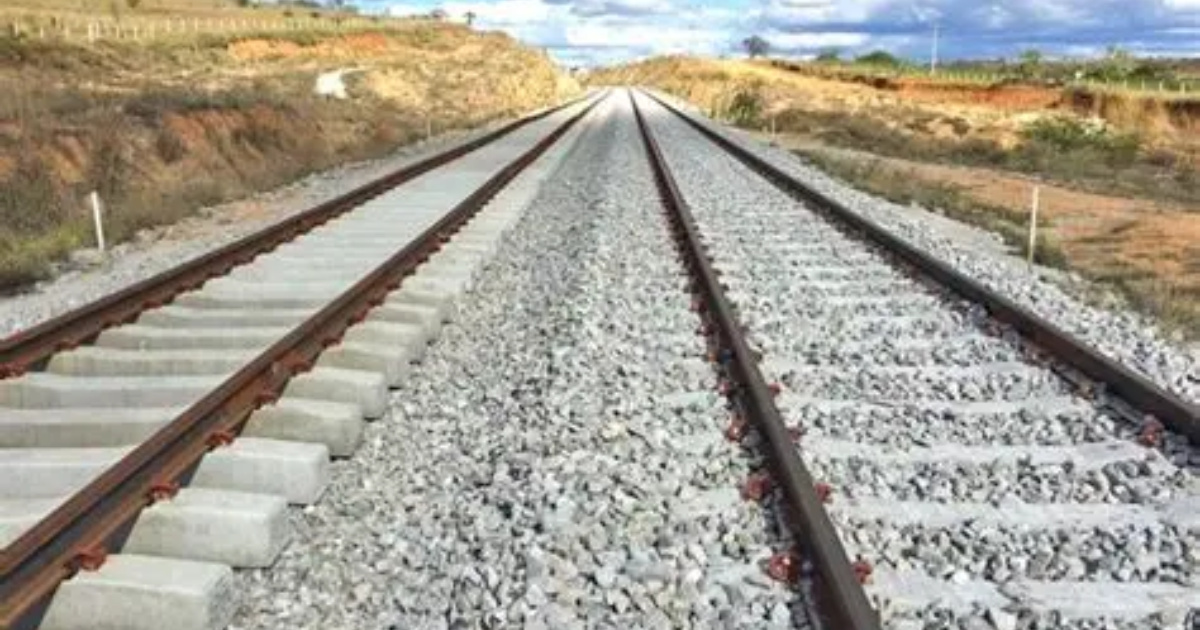
Why Did the Brazilian Industry Go off Track?
Brazil has manufactured rails in the past, but production has been discontinued.
Reports from the sector indicate the shutdown of the rail production line at CSN in 1996, a context in which the lack of scale and international competition weighed against the continuity of the business.
Since then, the country imports practically all the volume consumed, a movement confirmed by reports and by recurring evaluations from associations and concessionaires.
There is also the economic component. According to technical consultant Rubem Louzada, “making rails is not like making rebar”.
“Railway rails are high-engineering products: pearlitic steels with 0.7% carbon, specific heat treatments, controlled microstructure, and minimal tolerances. They are rolled into bars of up to 120 meters with millimetric finishing and alignment”, he wrote in an article, arguing that the decision involves technology, certification, and market.
For him, the average annual consumption in Brazil is around 300,000 tons, an insufficient volume to justify a dedicated and competitive line in the face of large players.
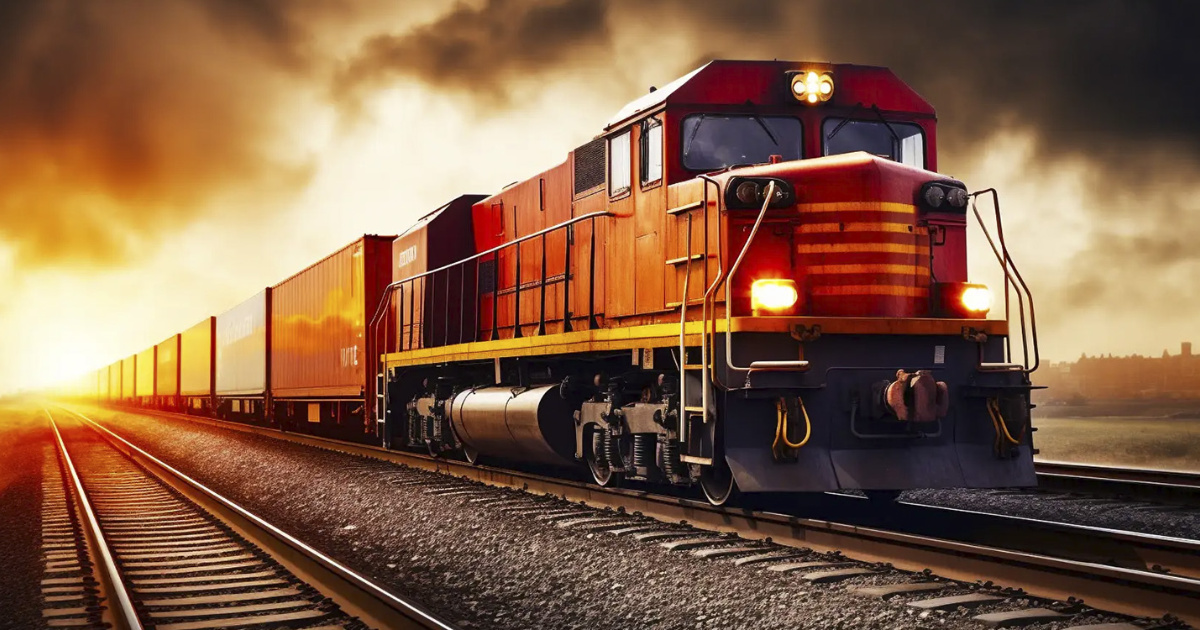
Scale and Billion-Dollar Investment
Opening or modernizing a plant to roll high-precision railway rails requires a high investment and stable demand for many years.
Estimates cited in the sector mention over US$ 500 million to make a modern factory viable, something that, without long-term contracts and guaranteed orders, is unlikely to pay off in a market of long cycles and intermittent works.
Global Competition Pressures Prices and Deadlines
While Brazil evaluates projects, established producers abroad operate with excess capacity and scheduled deliveries, scale gains, and mature logistics.
For concessionaires and governments, importing high-precision rails can be cheaper and faster — especially when there’s a window for works and strict schedules — than organizing a domestic supply chain from scratch.
China at the Center of the Supply Chain
China, the world’s largest manufacturer of railway inputs, occupies a central position in this chain.
In addition to exporting high-precision railway rails, the country has strengthened partnerships with Brazil for projects and technology, which includes technical cooperation and continental logistics integrations announced by the Ministry of Transport in July 2025.
On the state front, São Paulo maintains significant contracts with Chinese manufacturers for rolling stock and systems, which facilitates the “matching” with permanent way suppliers and reinforces the choice for imported rails in ongoing expansions.
Ore Doesn’t Guarantee National Production
“Having ore” does not mean “having rails”.
Brazil is among the largest producers and holders of iron ore reserves, but transforming ore into high-precision railway rails requires another stage of the chain — dedicated steelmaking, heavy rolling, in-line heat treatment, fine rectification, ultrasonic inspection, and certifications.
This sophistication explains why few countries dominate the manufacture of premium and super-premium rails.
Public Policies and Bottlenecks
Rail sector experts point out that a plant suitable for global standards can only be made viable with annual production between 400,000 and 450,000 tons, something above the average Brazilian consumption reported by the market.
In other words, it would be necessary to aggregate long-term orders, link concessions, and adopt instruments that reduce industrial risk.
In this sense, the government’s neo-industrialization agenda — the New Industry Brazil (NIB) — foresees the use of strategic public purchases and strengthening of investment credit as levers for high-tech content supply chains.
In May 2025, BNDES announced R$ 300 billion in resources until 2026 to support industrial projects, with an emphasis on productivity, innovation, and decarbonization — guidelines aligned with a policy for rail infrastructure, should states and the federation choose to condition some investments to the formation of local suppliers.
Concessionaires and Rail Expansion
On the operational side, freight railways have been gaining efficiency, and urban expansion in capitals pressures for more deliveries.
With each increase in rail participation in the matrix, there is a proportional decrease in emissions and logistics gains, an argument used by sector entities to advocate for prioritizing permanent way and superstructure projects — including high-precision rails — in public and private investment portfolios.
Is There Room to Reverse the Dependency?
For Rubem Louzada, the situation is reversible, but depends on a “pact” between logistics and the base industry.
This includes demand predictability, coordination between concessions and suppliers, and clear nationalization goals over time.
According to him, “it is necessary to connect railway concessions with the national industry” so that investment in high-precision railway rails makes economic sense.
Who Could Produce Rails in Brazil?
Groups with heavy profile rolling and historical presence in the Brazilian steel sector have assessed the viability of a rail line in the past but pointed out insufficient domestic market and external competition as central obstacles.
Without a signal of continuous demand and long-term contracts, the trend is to maintain imports.
And now? With the network being expanded and the decarbonization agenda gaining traction, the question driving the discussion is simple: does Brazil intend to transform the construction boom into an industrial policy capable of sustaining a rail factory, or will it continue to import high-precision railway rails whenever a new section comes to fruition?






Cada vez que a ind. Brasileira tentou desenvolver ,uma crise política cortou o ciclo.
Fomos o primeiro país a fazer vagões com aço inox, a ind .quebrou por calotes do governo a Cobrasma, Osasco -SP.
A Mafersa em São José dos Campos, fazia eixos e rodas, no gov. Collor ,foi a falência, junto com várias outras, como Engesa, que perdeu patentes importantes, já fazia o Osório, tanque com blindagem superior, em Cruzeiro SP.
Calotes do governo mataram as indústrias.
Graças a Deus, Collor não vendeu a EMBRAER.
O Brasil foi loteado para outros países e a Amazônia nem pertence aos Brasileiros mais. Esses são alguns dos pais ao qual o Brasil foi entregue para exploração de minério de ferro, pedras preciosas petróleo entre outros, para China, França, Alemanha, Estados Unidos e outros países. Esses países retiram esses materiais daqui e depois revendem para o Brasil novamente. Isso tudo sem falar nas ONGs de fora e dentro do país que impedem os Povos originários ( Indígenas) de produzir na terra mas deixam estrangeiros fazer a festa.
O Brasil é um país que ficou dependendo do Estado para explorar ferrovias, setor elétrico, telefônico, etc. Com o Estado inchado, esses setores só prosperam com privatização, o que não foi apropriadamente feira no setor ferroviário.