





 Portuguese
  English
  Spanish
  3 min of reading
  0 comments


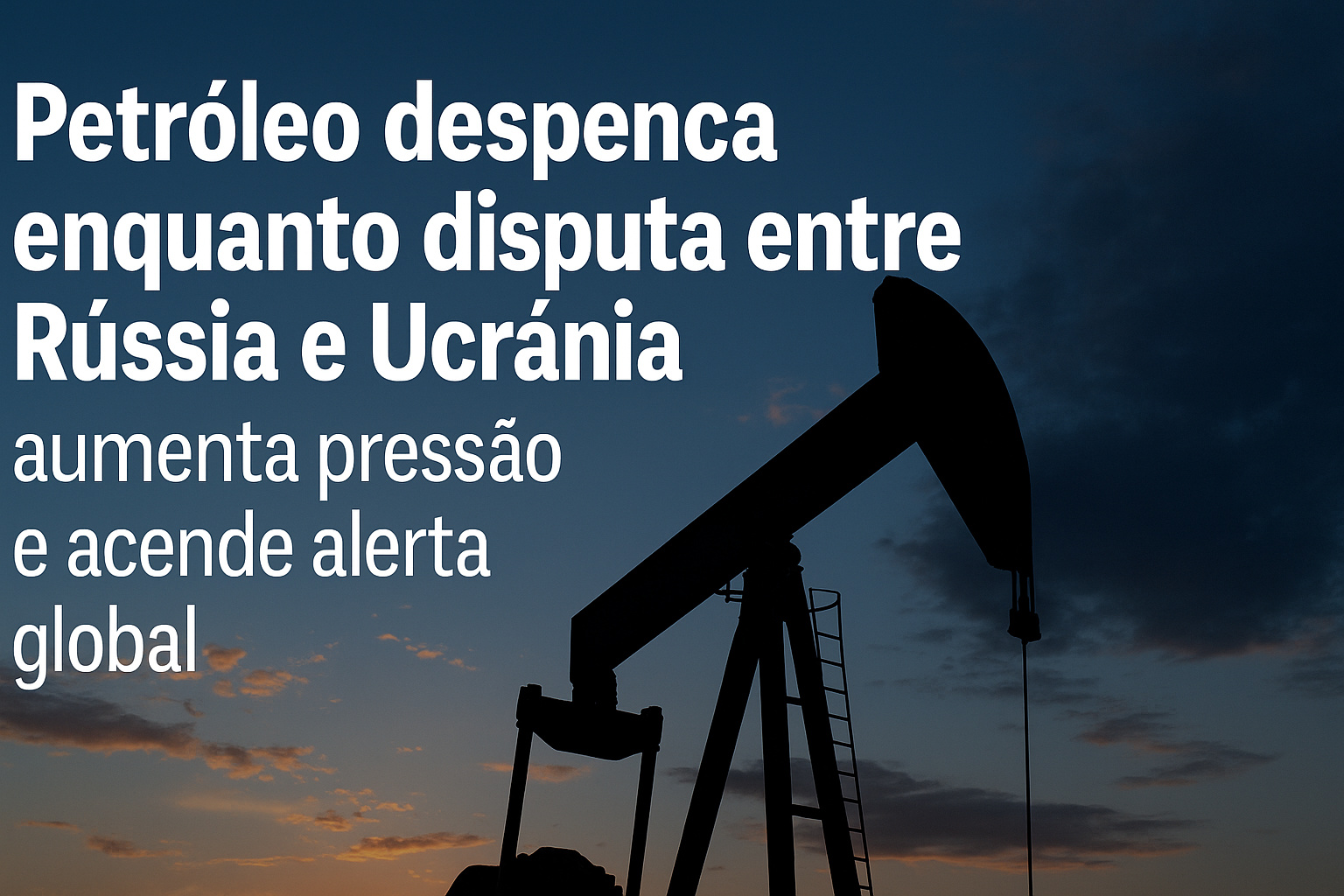
Oil Prices Drop Sharply Amid Russia–Ukraine Dispute, Oversupply Risk, and New U.S. Pressures.
The oil market closed this Friday (21) with a significant drop, after a session marked by fears of oversupply, diplomatic movements involving Russia and Ukraine, and internal pressures in the United States.
Futures contracts fell early on, in a scenario where the combination of advancing peace negotiations, American sanctions, and production projections raised tensions and increased the dispute between supply and demand for the commodity.
Oil Drops for the Third Day and Increases Losses
Prices fell for the third consecutive day, in a movement that reflected the low volatility observed since the market opened.
-
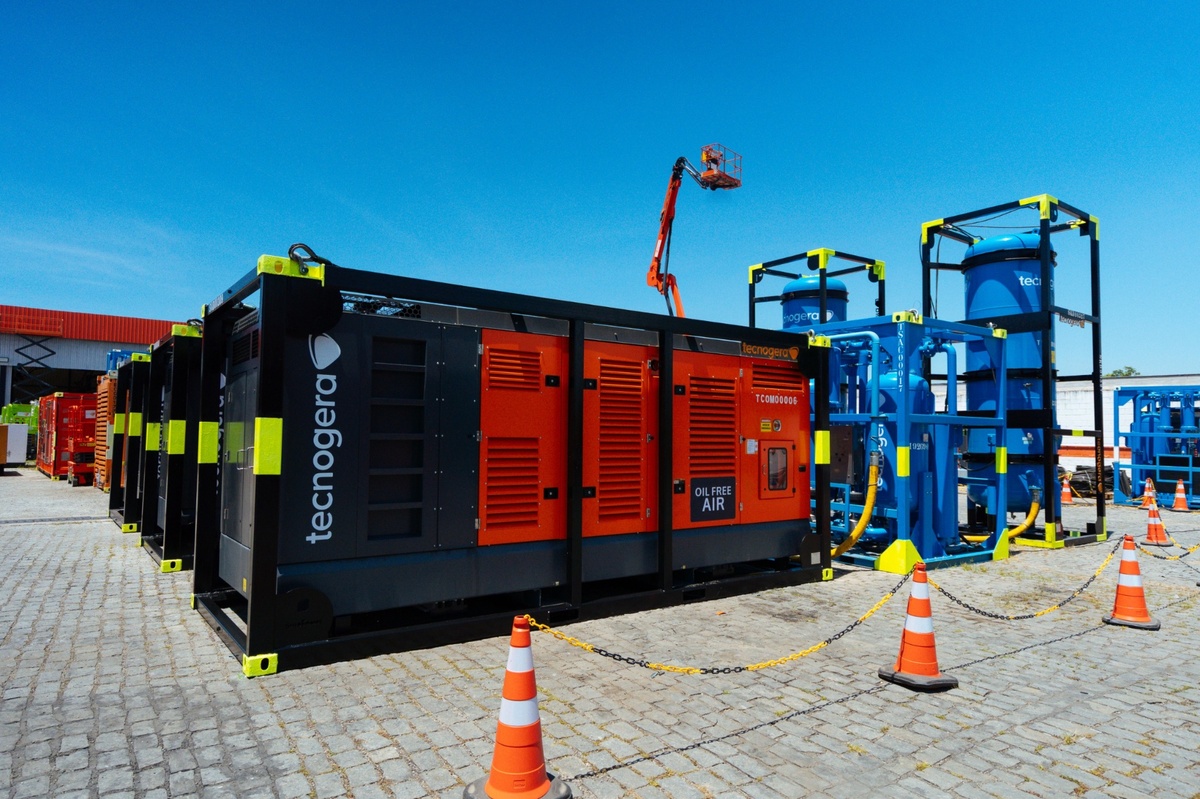
Offshore industrial demand in Macaé skyrockets with the recovery of oil and gas and could grow by up to 396% by 2026 in the Campos Basin.
-
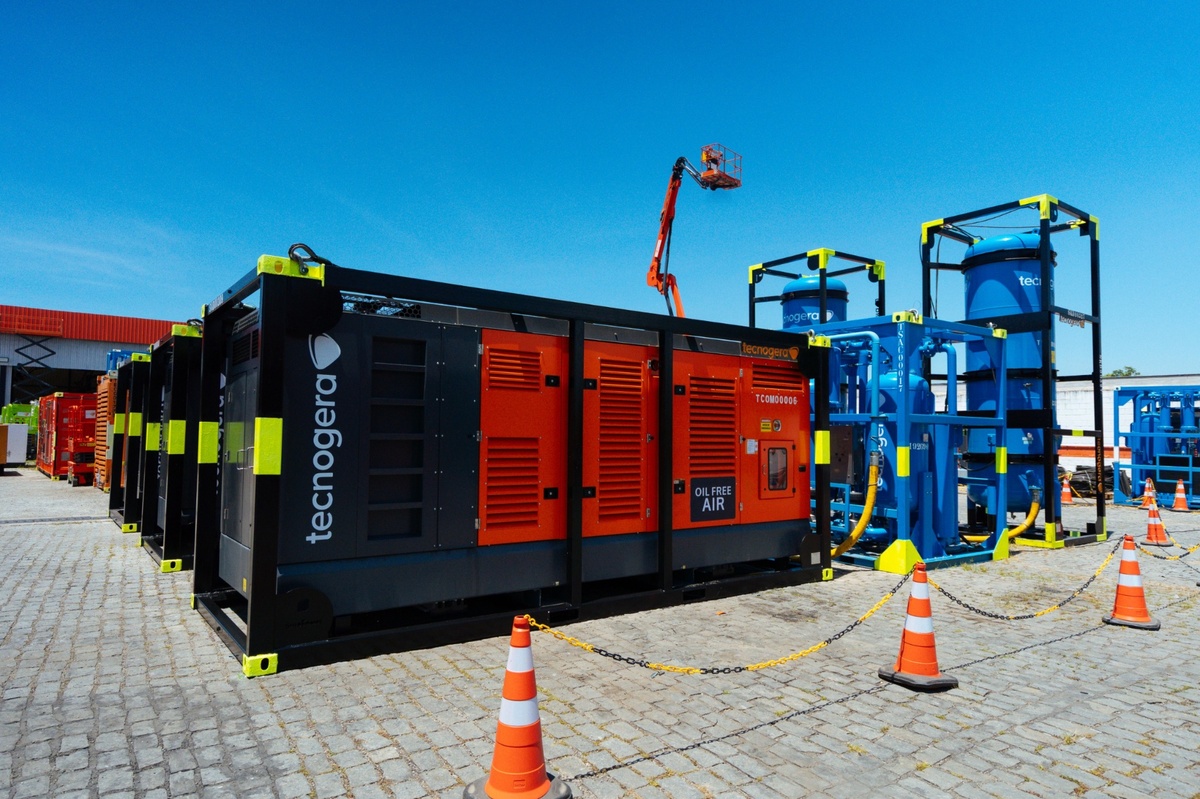
Offshore industrial demand in Macaé surges with the recovery of oil and gas and could grow by up to 396% by 2026 in the Campos Basin.
-
Brazilian giant expands borders in the Southeast: Petrobras confirms new oil discovery in ultra-deep waters in the pre-salt of the Campos Basin.

-
Alert in the global energy market: Severe tropical cyclone hits the coast and disrupts gas production at major plants in Australia, threatening global supply.


WTI for January closed at US$ 58.06, down 1.59%, while Brent fell 1.29% to US$ 62.56. Thus, both have accumulated losses exceeding 2% for the week, reinforcing the signal that the sector is facing a time of greater pressure.
Oversupply Risk Dominates Forecasts and Concerns the Sector
The perception of excess barrels gained strength again. This factor became the main pressure of the day. The market is watching the impact of American sanctions on Russian companies. At the same time, it tries to gauge whether there will be a significant change in global circulation.
“Important data will emerge in the coming weeks, as we observe the fate of sanctioned barrels and the U.S. willingness to enforce the sanctions,” analysts at DNB state. The statement reinforces another point: the oversupply risk has not yet disappeared.
U.S. Increases Production and Adds More Pressure on Prices
While the market assessed the effect of sanctions, U.S. energy policy gained prominence. President Donald Trump reiterated his support for expanding domestic drilling, which raised concerns about the influx of more supply into an already pressured market.
For Spartan Capital, this scenario could accelerate new declines: “We see today’s drop as a potentially decisive moment for oil. If sales intensify, prices could fall another 5%.” Thus, the view grows that the balance of the commodity is becoming increasingly delicate.
Russia–Ukraine Dispute Alters Expectations and Reduces Risk Premium
At the same time, negotiations for a possible peace agreement between Russia and Ukraine directly influenced oil pricing. The expectation of a resolution reduced the geopolitical risk premium, pushing prices down.
Trump stated that Ukraine has until Thursday to accept the peace plan, while Commerzbank highlighted that diplomatic progress contributed to the commodity’s decline. Vladimir Putin has stated that the proposal could serve as a basis for “final terms,” despite Ukrainian resistance. This movement indicates that any evolution in diplomacy immediately weighs on the market.
Market Anticipates Days of High Volatility and Uncertainty
In light of this set of factors, investors are starting the next week with caution. Price dynamics will depend on both the reaction to the sanctions and the U.S. stance on effectively applying the rules.
At the same time, markets will remain attentive to every signal from the Russia–Ukraine dispute, as diplomatic advances or potential setbacks can provoke sharp movements in the commodity’s pricing.
Commodity Remains Under Pressure and Trend Remains Negative
Thus, oil remains at the center of a situation combining excess supply, geopolitical tension, and political decisions that shape the behavior of the commodity in the short term.
The week concludes with the sector under pressure, and the global market watches with increasing attention how the Russia–Ukraine dispute and rising American production will influence prices going forward.









-

Uma pessoa reagiu a isso.