





 Portuguese
  English
  Spanish
  5 min of reading
  0 comments


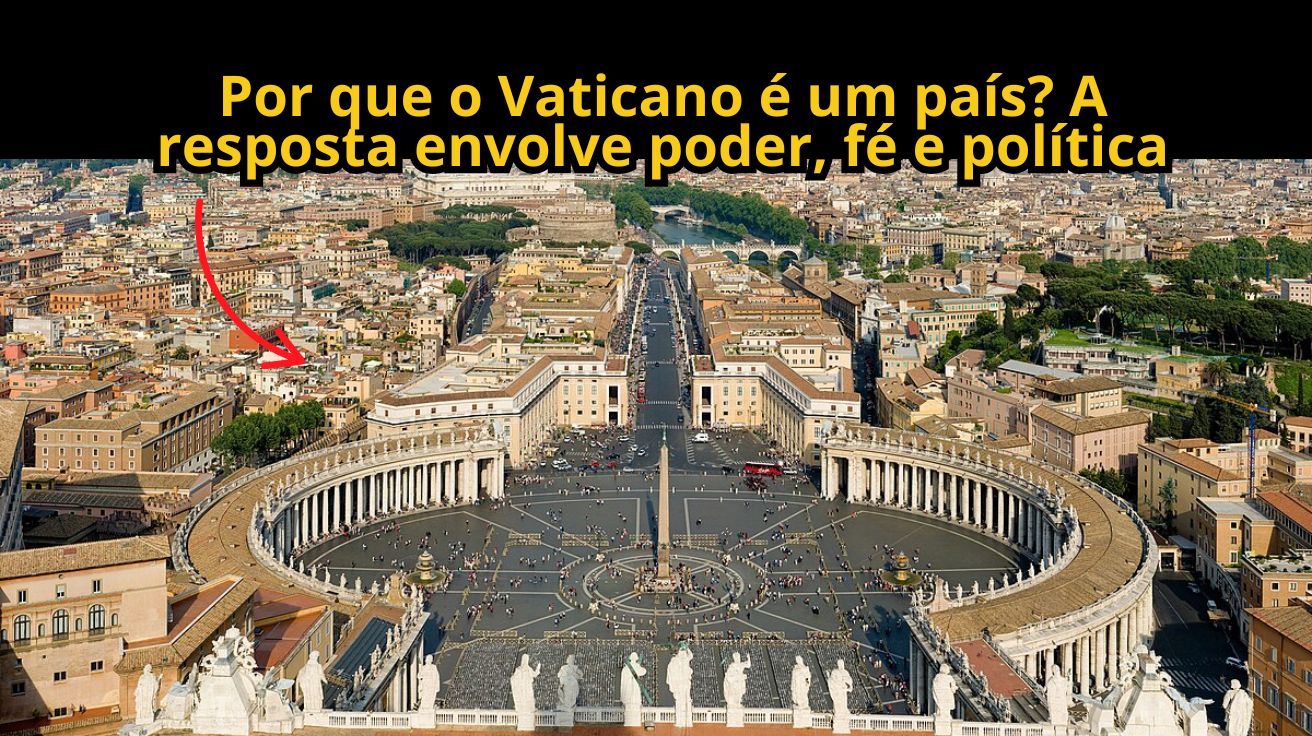
Even with less than one square kilometer, the Vatican gathers diplomatic influence, political autonomy, and spiritual prominence, being a unique nation whose existence transcends geographical boundaries, influencing global decisions based on tradition, symbolic power, and Catholic faith.
The Vatican is the smallest country in the world, but its influence surpasses borders with a unique mix of religion, politics, and diplomacy.
Although it seems just the center of the Catholic Church, the Vatican is, in fact, a sovereign nation with a state structure, recognized internationally.
But why does this happen?
-
More than 13,000 fragments of pottery used as tickets, accounts, school exercises, and everyday messages resurface from the sands of Egypt, revealing a colossal archive of ordinary life hidden for centuries in Athribis.
-
A retired engineer in Canada built a water wheel by the river next to his house that generates 36 kWh per day without needing a dam, and now it produces so much energy that he exports the surplus to the power grid.

-
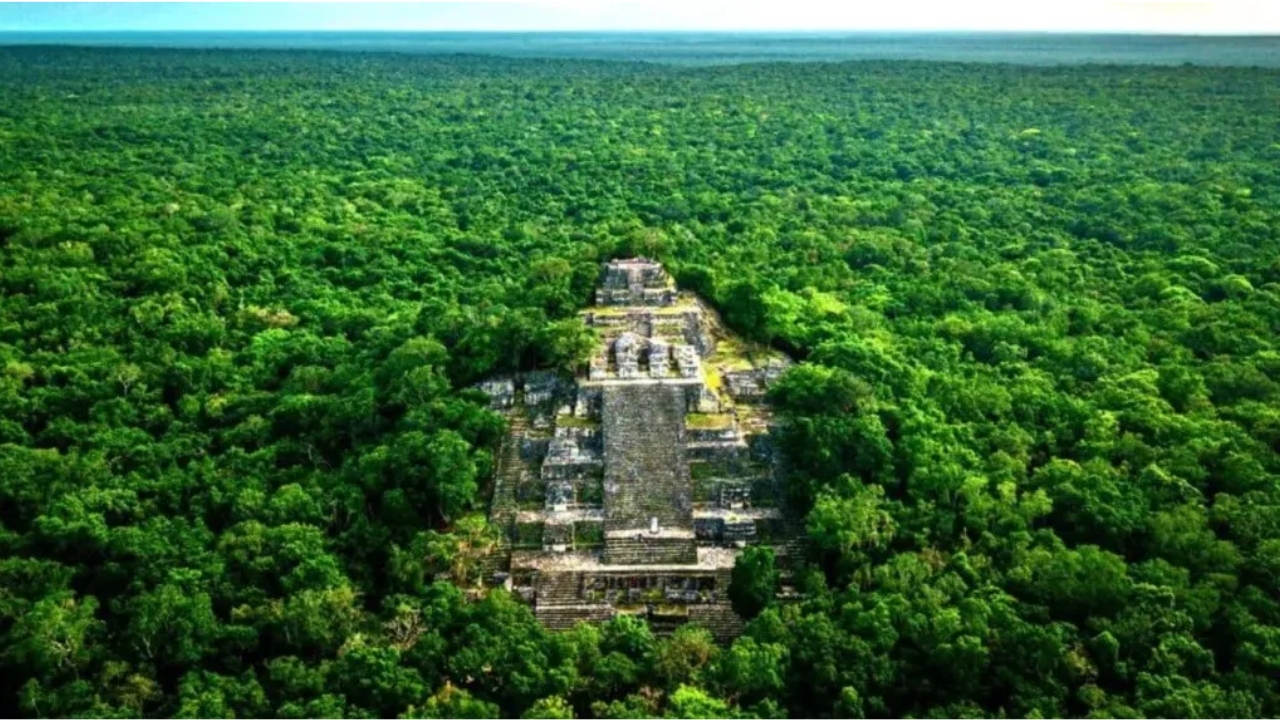
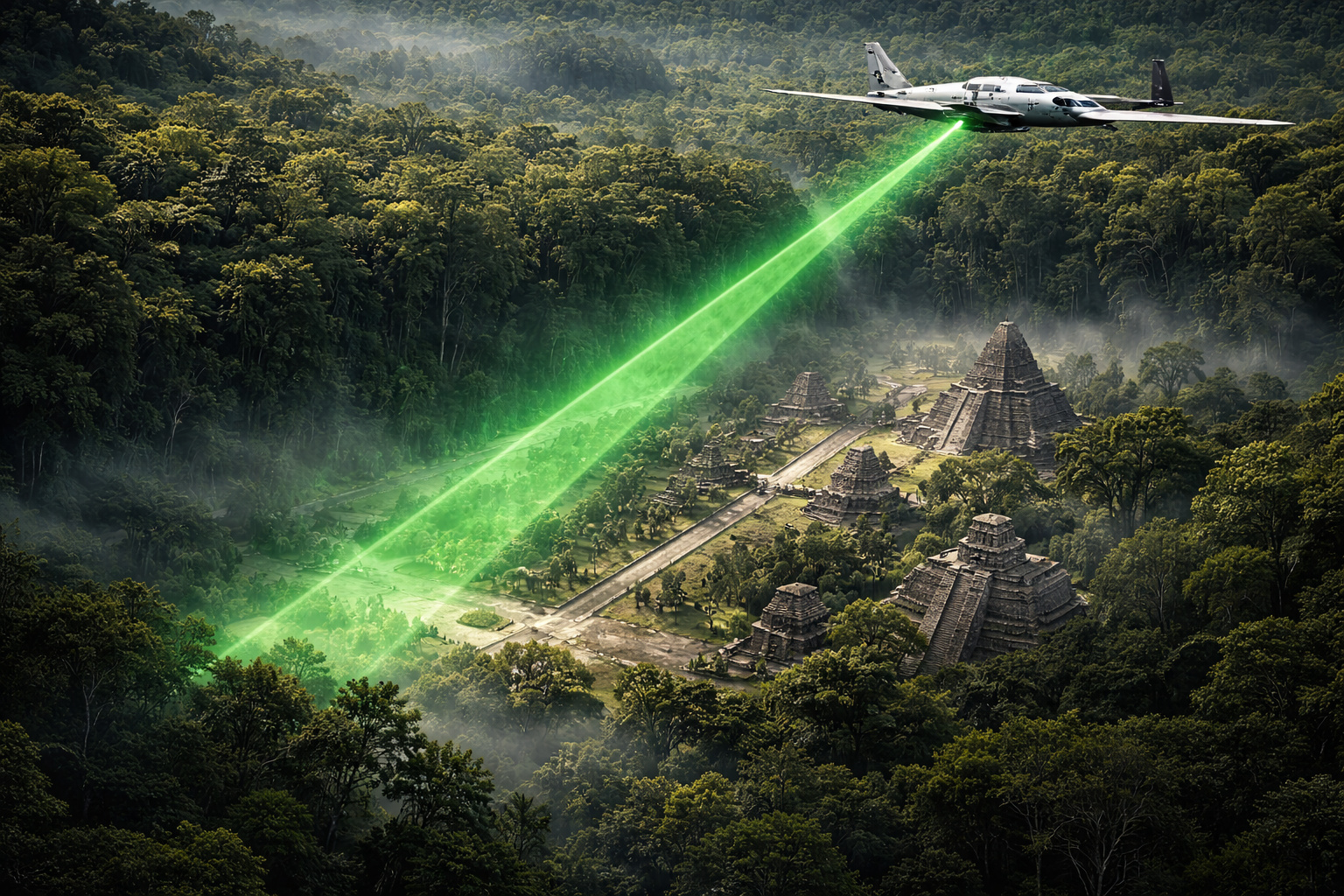
A huge Maya city has been detected beneath the Mexican jungle with the help of LiDAR, a system that shoots laser pulses from above to map the ground beneath the vegetation, revealing 6,764 structures.
-
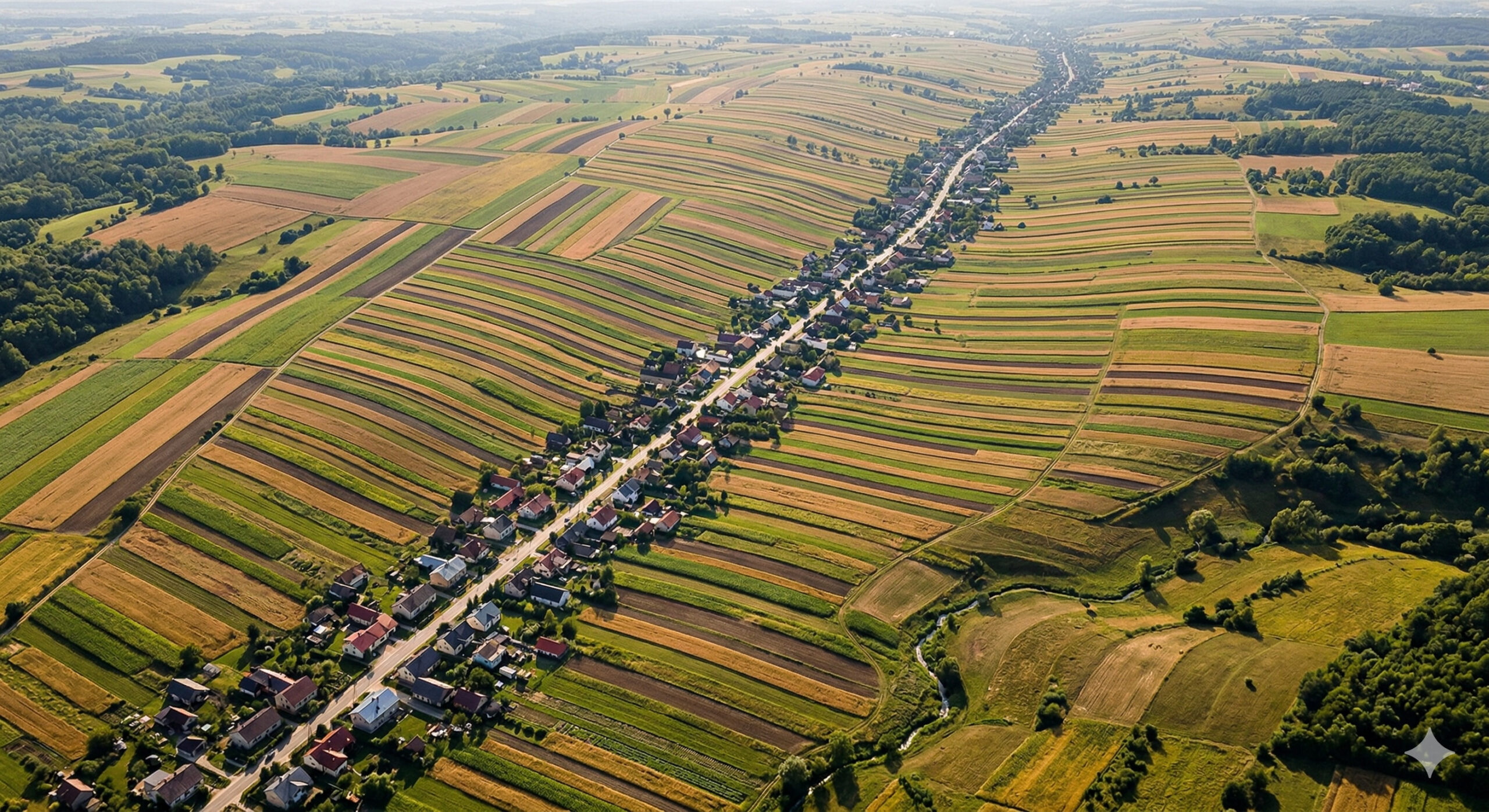
About 6,000 residents live concentrated along a single street nearly 9 km long in the interior of Poland, with houses forming a continuous row and narrow agricultural strips emerging behind them, creating one of the most unusual rural patterns in Europe.

The explanation lies in centuries of power struggles, strategic diplomatic agreements, and, of course, a lot of faith.
Located in the heart of Rome, the Vatican occupies only 0.44 km², making it the smallest independent state in the world in both area and population.
Even so, it houses the Pope, the leader of the Catholic Church, as well as museums, historical archives, and the famous St. Peter’s Basilica.
And yes, it has its own currency, passport issuer, diplomatic corps, security forces, and all the functions of a traditional state.
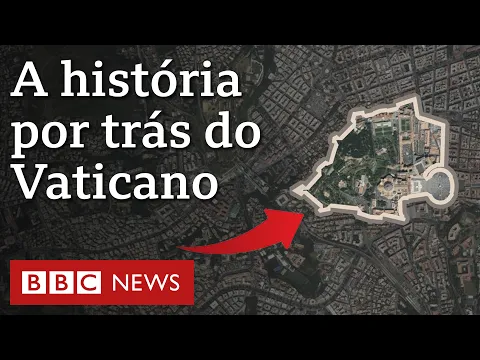

An Origin Marked by Historical Conflicts
The existence of the Vatican as a country is a direct result of conflicts between the Catholic Church and the Italian State.
For many centuries, the popes governed territories known as the Papal States, which extended over much of central Italy.
This temporal authority of the popes lasted until the 19th century, when the Italian unification process, led by King Victor Emmanuel II, took over the territories of the Church.
The conflict culminated in 1870, with the conquest of Rome by Italian troops.
From then on, the popes refused to recognize the authority of the new Italian state over the former capital of the Papal States, initiating a deadlock known as the “Roman Question.”
The Lateran Treaty: The Birth of a State
The solution to this deadlock only came in 1929, with the signing of the Lateran Treaty between the Holy See and the Kingdom of Italy, led at the time by Benito Mussolini.
With the agreement, Italy recognized the Vatican as a sovereign and independent state, and the Holy See, in turn, recognized Rome as the capital of Italy.
The treaty guaranteed the Vatican complete political, territorial, and administrative autonomy.
In addition, Italy committed to pay compensation for the lost territories and ensure the inviolability of Vatican territory.
Since then, the Vatican has officially existed as a country — albeit with very particular characteristics.
A Theocratic and Symbolic Country
Unlike traditional nations, the Vatican is an absolute theocracy, where the head of state is the religious leader himself: the Pope.
He concentrates legislative, executive, and judicial powers, although he has administrative bodies that assist him in managing the territory and diplomatic activities.
The Vatican does not have permanent citizens.
Citizenship is granted functionally, only to those who work in ecclesiastical or administrative positions related to the Holy See.
When these ties end, citizenship is automatically revoked.
Despite its small size, the Vatican is a relevant political actor on the international stage.
The Holy See maintains diplomatic relations with over 180 countries and has permanent observer status at the UN.
This influence is due, in large part, to its moral authority and the global network of the Catholic Church, which has over 1.3 billion members.

Faith as Power, Politics as a Tool
The answer to the title of this article lies precisely at the intersection of faith, power, and politics.
Catholic faith underpins the existence of the Vatican, but it was international politics that solidified its sovereignty.
The creation of the Vatican as a state served to ensure the Catholic Church a neutral and autonomous base, away from political pressures of other countries.
At the same time, the existence of its own territory allows the Pope to speak with global authority, without relying on the goodwill of other governments.
This combination makes the Vatican a unique phenomenon: a country based on faith, built with diplomacy, and maintained by the symbolic power of one of the oldest institutions in the world.
Economy and Functioning of the State
The Vatican has a peculiar economy, primarily based on donations from the faithful, financial investments, the sale of stamps, commemorative coins, publications, and museum ticket sales.
The “Peter’s Pence,” for example, is a worldwide collection intended for the Pope for charitable works and maintenance of the Holy See.
There are no taxes within the Vatican.
Its services are maintained by a complex financial structure managed by entities such as the Institute for the Works of Religion (IOR), informally known as the Vatican Bank.
Additionally, the country has its own legal system, security force (the Swiss Guard), postal service, radio station, and even an astronomical observatory.
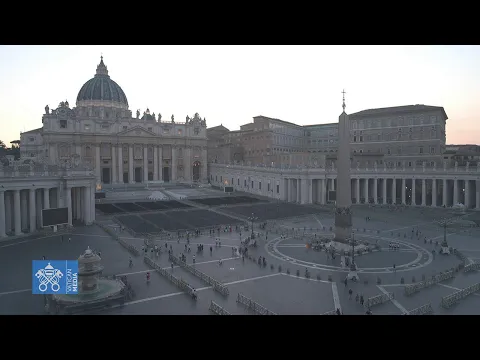
A Small Territory with Global Influence
The Vatican proves that size doesn’t matter. Even with less than a thousand inhabitants and a microscopic territory, it exerts enormous spiritual and political influence on a global scale.
By being an independent country, the Vatican maintains its diplomatic neutrality, engages in conflict mediation, participates in global discussions on human rights and the environment, and preserves the Pope’s freedom to communicate with the world without external interference.
Therefore, the question “why is the Vatican a country?” reveals an answer that goes far beyond geography.
It involves centuries of disputes, refined diplomacy, and the need to ensure autonomy for an institution that, to this day, shapes a significant part of Western culture, morality, and politics.
And you, did you imagine that such a small country could concentrate so much power? In your opinion, should the Vatican maintain this political status, or is it time to reconsider this model?




Seja o primeiro a reagir!