





 Portuguese
  English
  Spanish
  3 min of reading
  2 comments


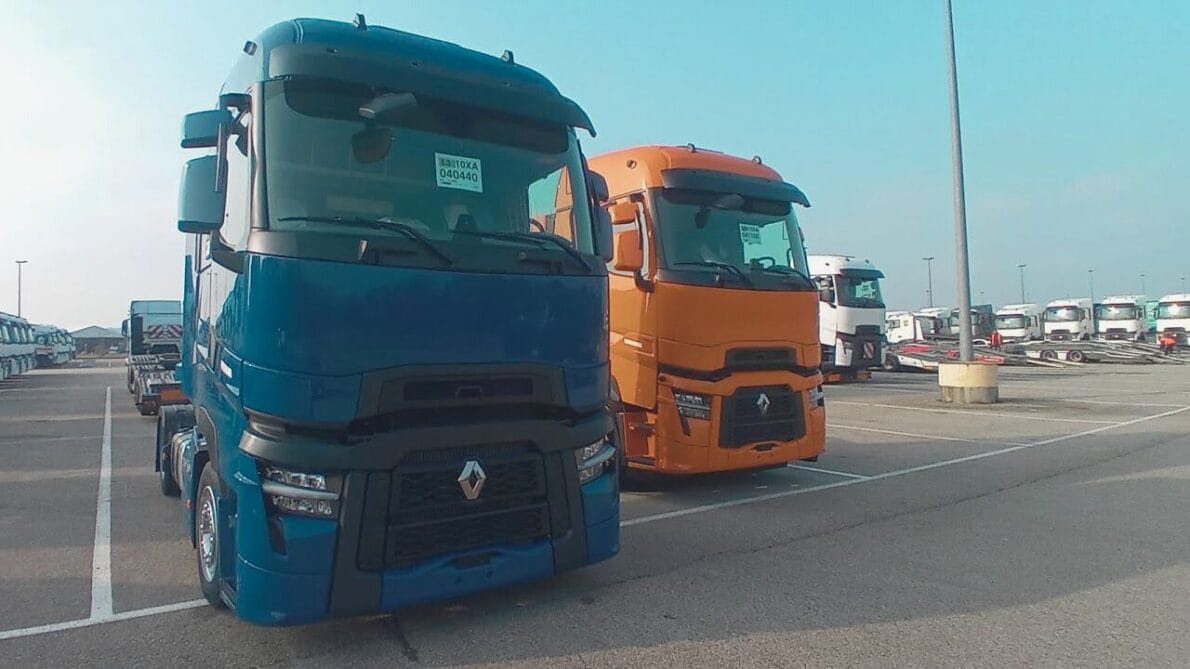

Despite A Long History, Renault Trucks Face Challenges In The Market.
Renault trucks have always been under criticism when compared to other leading brands in the market. But after all, what makes these vehicles unable to achieve the expected success? Let’s dive into the details and uncover the main reasons.
The history of Renault is filled with innovations and achievements, especially in the automobile sector. However, when it comes to trucks, the situation is quite different. Renault entered this market on the right foot, producing vehicles that initially promised a lot. But over time, the brand struggled to keep up with the evolution and innovation necessary to compete on equal footing with giants like Scania and Volvo.
Design And Comfort Issues


One of the most frequent criticisms of Renault trucks is related to the design and comfort of the cabins. While Scania and Volvo heavily invest in ergonomics and functionality, providing a superior experience for drivers, Renault seems to have fallen behind. The lack of significant innovations in cabin design is a substantial drawback for the brand.
-
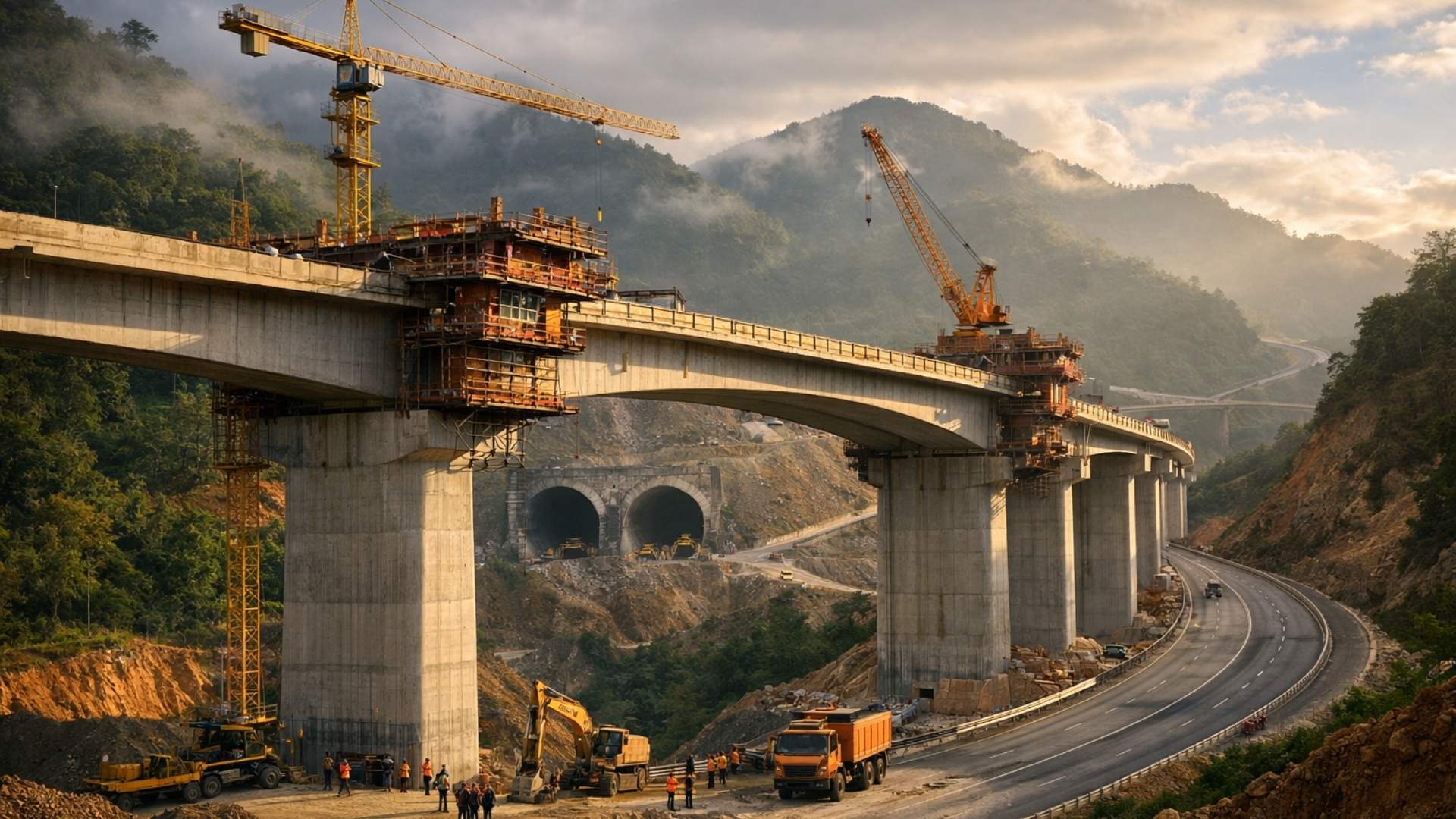
The government puts R$ 8.6 billion on the table to change the highway (BR) with 50 overpasses, 28 bridges, 4 tunnels, and 40 km of bike lanes in 180 km of historic duplication.
-
Engineers propose a fourth traffic light for intersections – the change promises to affect crossings, queues, and waiting times.

-
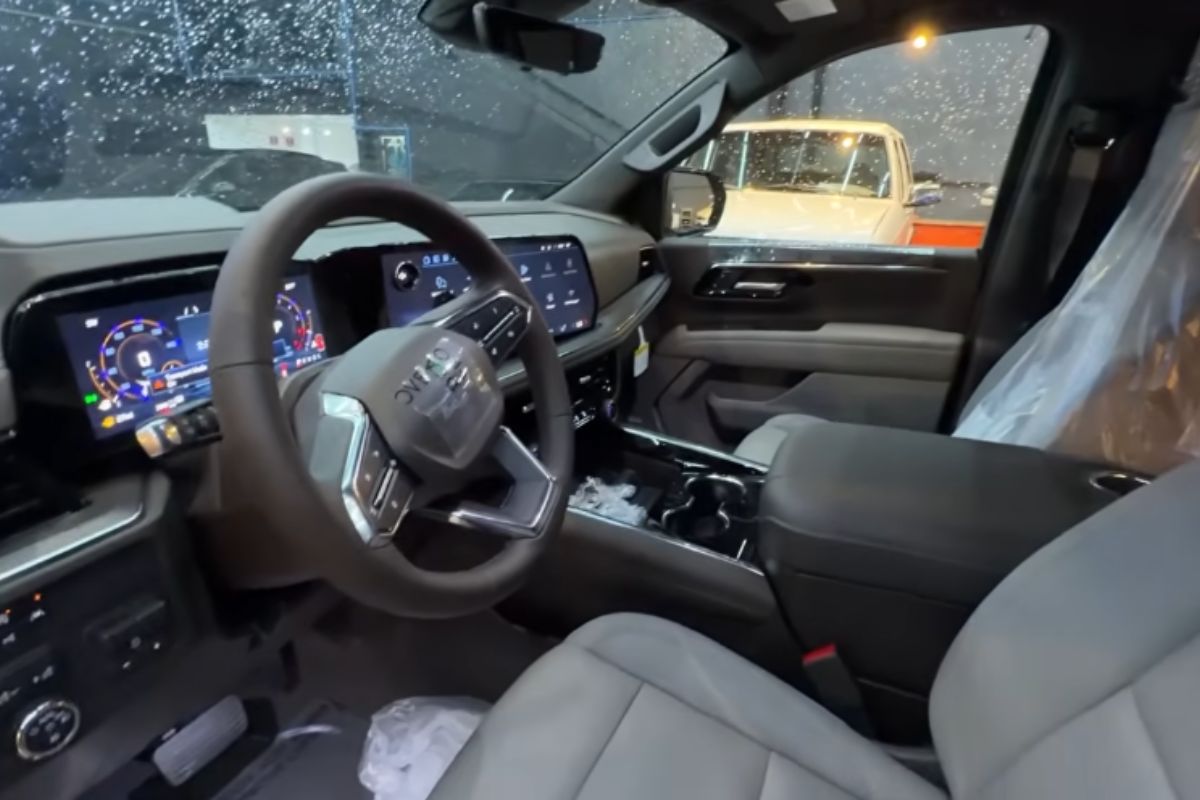
Chevrolet Suburban Z71 lands in Brazil with a V8 engine, off-road design, air suspension, seven seats, and colossal size, a rare version imported for around R$ 1.3 million with luxury and exclusivity.
-
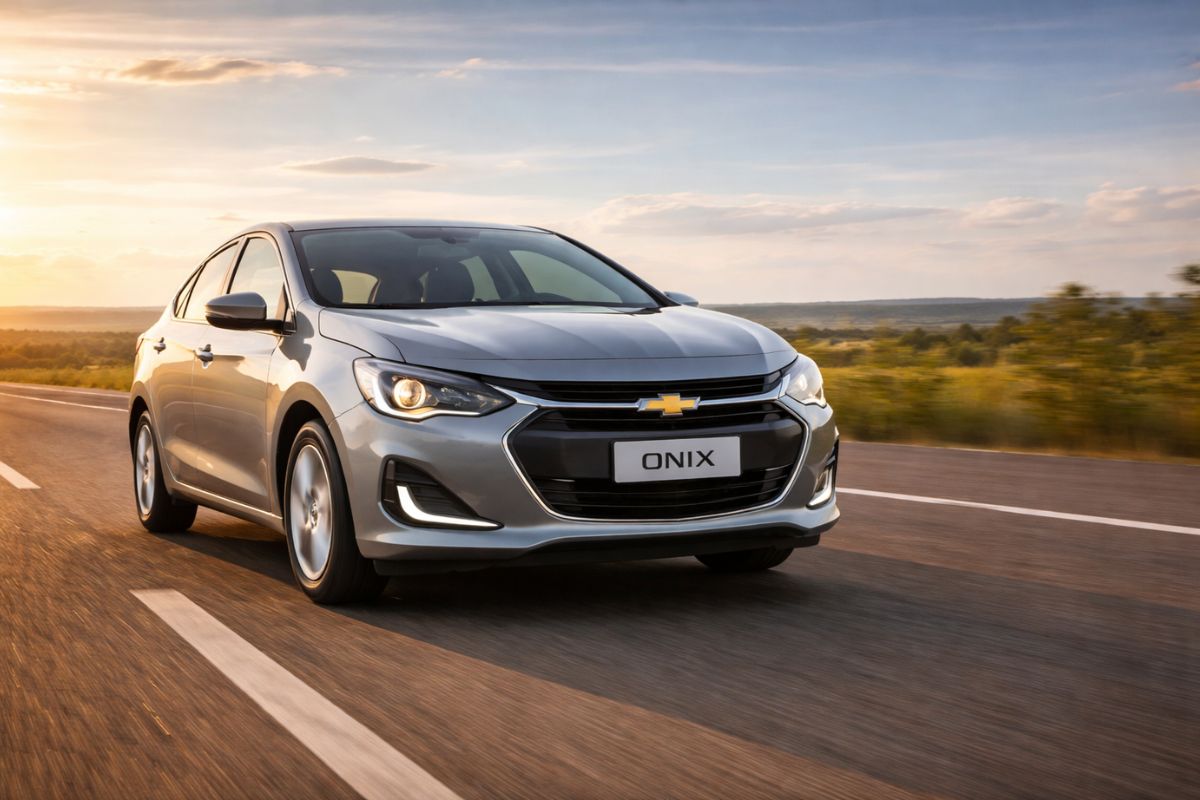
The Chevrolet Onix 1.0 turbo achieves 17.7 km per liter on the highway and ranks among the three most economical cars in Brazil in 2026, alongside two more expensive Toyota hybrids available at dealerships.

Engines And Fuel Consumption: The Achilles’ Heel
The engines of Renault trucks are also a constant target of criticism. In a market where efficiency and fuel consumption are crucial, Renault’s engines do not compete at the same level. Scania and Volvo are recognized for their powerful and efficient engines, while Renault still struggles to find an ideal balance between power and consumption.
Brand Perception
The image of a brand is a determining factor in the truck market. Scania and Volvo have managed to build a solid reputation, associated with quality, performance, and innovation. Renault, on the other hand, despite being a respected brand, has not created the same perception of prestige and trust in the truck segment.
Advanced Technologies And Sustainability
The lack of innovative technologies is another critical point. While other brands invest in advanced suspension, transmission, and control systems, Renault seems to rely on existing technologies. Moreover, environmental and emission standards are becoming increasingly strict, and Renault trucks are not able to stand out in the sustainability aspect.
Direct Comparisons With Competitors
To better understand the failure of Renault trucks, it is essential to compare them directly with competitors. Scania and Volvo, for example, not only offer trucks with more efficient engines but also invest in innovations that enhance the driving experience and reduce fuel consumption. Renault, on the other hand, still seems to be trying to find its place in this highly competitive market.
Renault Trucks Have A Long Road Ahead
Renault trucks have a long road ahead if they want to reach the success level of their competitors. Issues with design, engines and consumption, as well as brand perception, are significant barriers that need to be overcome. Renault needs to innovate and invest more in advanced technologies and sustainability if it wants to change this perception and carve out its space in the truck market.









Estranho o “estagiário” comparar tecnologia do caminhão Renault com o Volvo. A mecânica é praticamente a mesma. O motor só caminhão Renault é um motor Volvo rébatizaso, pois a Renault Trucks pertence ao Grupo Volvo há anos. Precisa estudar melhor antes de editar a matéria.
Exatamente, não só o motor mas o trem de força completo.