





 Portuguese
  English
  Spanish
  3 min of reading
  0 comments


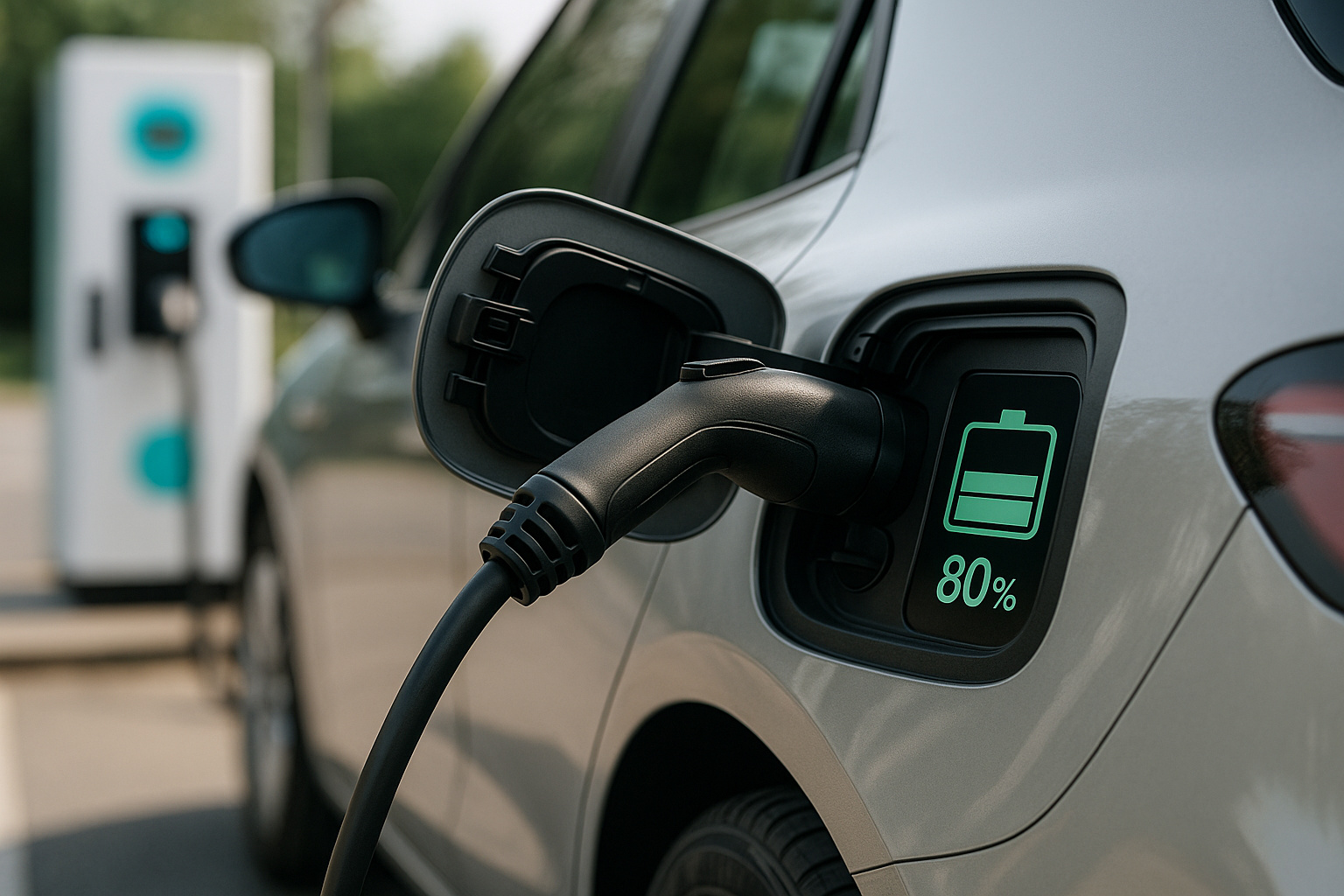
Understand Why Partial Charging Dominates the Technical Specifications of Current Electric Vehicles
Although many drivers question this practice, automakers report charging time up to 80% because this range concentrates the maximum charging power, in addition to protecting the battery lifespan. Thus, this disclosure presents numbers that are more efficient and compatible with real use.
From the start, batteries perform better between 20% and 80%, as they receive energy with less resistance. However, when exceeding this value, vehicles automatically reduce power to preserve internal cells. Therefore, the final stage becomes slower and more sensitive.
How Charging Speed Reduction Works
As the sector explains, the charging process involves exothermic electrochemical reactions, which release heat throughout the charging. Therefore, in the last 20%, the temperature naturally rises. For this reason, the charging rate decreases, avoiding internal damage to the lithium-ion pack.
-
A French brand placed a car on four huge red balloons to prove that its suspension made the vehicle “float,” and the surreal scene became one of the most iconic and unusual images in automotive history.

-
Jeep Avenger begins production in Brazil, debuting as the brand’s new entry-level SUV and inaugurating an unprecedented phase by becoming the first national Jeep manufactured outside of Goiana, as part of a R$ 3 billion plan.

-
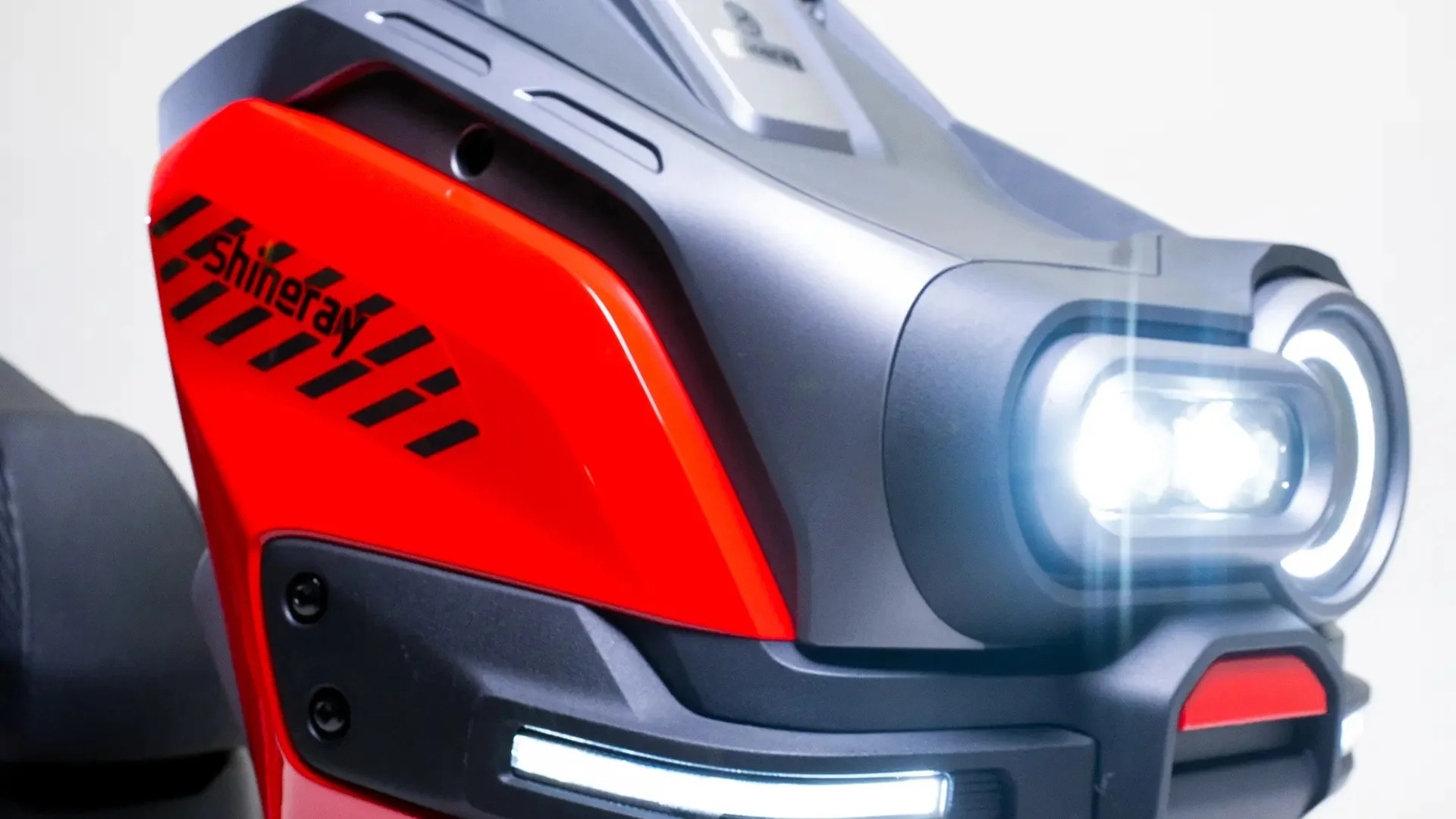
Costing R$ 12,490, the new Shineray Urban Lite 150 “cheap one” arrives in Brazil with a CVT transmission, digital dashboard, and LED lights, making it more affordable than the Biz and targeting those who want to abandon the bus.
-
Ducati brings to Brazil the Superleggera V4 Centenario: 228 hp that become 247 with a track kit, carbon fiber and carbon-ceramic brakes, estimated price between R$ 1.5 and 2 million, deliveries only in 2027.


The Technical Explanation from the SAE Brazil Specialist
According to Maria de Fátima Rosolem, a member of the Electric Vehicle Technical Committee of SAE Brazil, the end of charging is the most critical phase. She states that excess energy can generate additional heat, which causes irreversible damage to the cell structures. Thus, frequently completing 100% increases system stress, reducing autonomy over time.


Why Charging Up to 80% Preserves the Battery
Consequently, by charging up to 80%, the driver reduces the natural degradation mechanisms. Even though this limits some autonomy, the practice prolongs durability and improves the stability of the electrical system. “By charging up to 80% of the SOC, there is a reduction in degradation mechanisms, which extends battery life”, Rosolem emphasizes. Therefore, the limit serves as a protection strategy widely used in the sector.
The Calibration Needed in Some Models
Although not all vehicles prominently display this guidance, some models occasionally need a full charge to calibrate the internal battery reading. Nevertheless, the ideal daily charging occurs up to 80%.
Main points regarding the procedure:
• Maximum power occurs between 20% and 80%.
• Above 80%, the car reduces the charging speed.
• Charging to 100% frequently accelerates degradation.
• Charging up to 80% protects the lithium-ion pack.
• Some models require an occasional full charge to calibrate the system.
What This Practice Means for the Future of Electric Mobility?
The adoption of charging up to 80% shows how battery preservation is essential for the advancement of electric vehicles. In addition, this technical choice reinforces the importance of balancing autonomy, efficiency, and durability.
What do you consider more important in the daily use of an electric car: prioritizing quick and safe charges up to 80% or always seeking 100% at the cost of greater battery wear?










-

Uma pessoa reagiu a isso.