





 English
  Francês
  Alemão
  Italiano
  Japonês
  Norueguês
  Portuguese
  Spanish
  3 min of reading
  85 comments



Arab Investment of R$ 15 Billion Can Transform Macaúba, Native Brazilian Plant, into the New Star of the National Agribusiness: With the Potential to Produce More Oil Per Hectare Than Soybean, Macaúba Is Ready to Revolutionize the Biofuels Market and Generate Thousands of Jobs!
Soybean, until now the undisputed queen of the Brazilian agribusiness, may be about to gain a formidable competitor. The macaúba, a native plant of Brazil’s tropical and subtropical regions, is on the radar of Arab investors, who are betting heavily on its potential. With an investment of R$ 15 billion from the United Arab Emirates, through Acelen Renováveis, the plant may become Brazil’s next big bet in the biofuels market and beyond, according to agrimidia.
Macaúba: The Next Big Bet of Agribusiness?
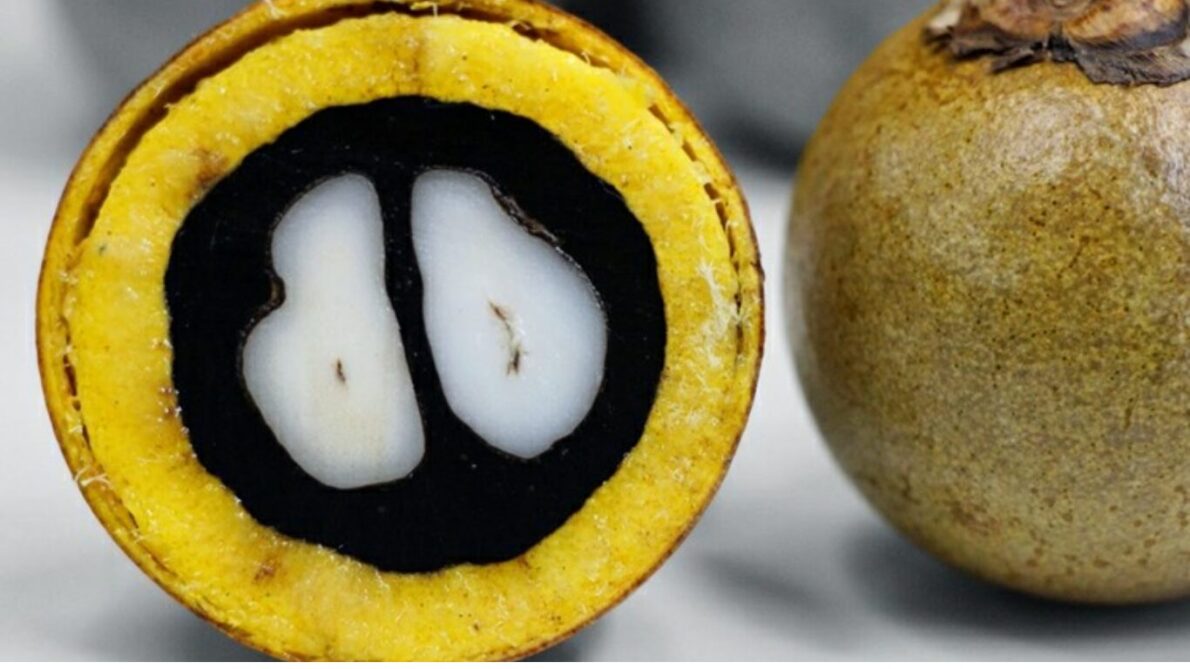
If soybean is the star of Brazilian agribusiness, macaúba could be the new “darling“. The plant, also known as bocaiúva or coco-babão, is a promising source of vegetable oil. What stands out? Its capacity to produce up to seven times more oil per hectare than soybean. Just imagine the impact this could have on the market!
Acelen Renováveis, controlled by the Mubadala fund of the United Arab Emirates, is so confident in this potential that it has already begun constructing the first sustainable aviation fuel (SAF) factory derived from macaúba in Mataripe, Bahia. Former Embrapa president, Maurício Antônio Lopes, believes that macaúba has everything it takes to be as important as soybean for Brazil, not only in terms of oil production but also in its applications in the food, cosmetics, and, of course, fuels industries.
-
Unemployment rises again to 5.8% at the beginning of 2026, raising alarms about the end of temporary positions and its impact on the Brazilian job market.

-
Document organization can cut invisible costs in small businesses, a simple step that prevents waste, rework, and losses in daily operations.

-
While Russia dominates the global wheat market, Brazil emerges as an unexpected competitor in the Cerrado, offering grain available in July and August when stocks in the Northern Hemisphere are at their lowest point of the year.

-
China returned almost 20 Brazilian ships with soybeans, but now everything could change: the country that buys 80% of the grain is considering relaxing regulations after impurities held up shipments of thousands of tons and caused million-dollar losses.

Economic and Environmental Impacts: A Revolution in the Field
The Arab investment in macaúba is not just a business matter; it is also a bet on the sustainable future of Brazilian agribusiness. Acelen’s project is expected to generate nearly R$ 90 billion in the next ten years. Additionally, the initiative promises to create around 90,000 direct and indirect jobs, primarily in degraded pasture areas that will be restored and transformed into productive fields.
And there’s more: cultivating macaúba in degraded areas contributes to carbon credit capture, an increasingly relevant issue in a world seeking solutions for global warming. In other words, besides generating income, macaúba also helps care for the planet. And that’s a bonus that no one can ignore.
Challenges and Opportunities: Path to Global Leadership
Of course, not everything is perfect. The efficient processing of macaúba for oil extraction is still a challenge to be overcome. However, with the partnership between Acelen and Embrapa, the expectation is that soon this native plant will be fully domesticated and ready to compete on equal terms with other oilseeds, such as palm.
Genetic selection and optimization of extraction processes are crucial steps to maximize the economic and environmental benefits of macaúba. If all goes as planned, Brazil could become a global leader in the production of renewable fuels, with macaúba as the engine of this revolution.
The Future of Brazilian Agribusiness: Soybean or Macaúba?
Soybean has always played a central role in Brazilian agribusiness, but the arrival of macaúba promises to shake up this status quo. With the backing of a billion-dollar investment from the United Arab Emirates, macaúba could become the new star of the field, boosting the economy, creating jobs, and helping Brazil stand out even more in the global biofuels market.
Is macaúba about to become the new soybean? It is still early to say, but one thing is certain: Brazilian agribusiness could be on the verge of a significant transformation. Leave your opinion in the comments!









Um dos sucessos da expansão da soja no Brasil e no mundo, afora o seu valor nutricional na alimentação humana e ****, deve-se a capacidade dessa cultura recuperar solos degradados e a possibilidade de realização da colheita mecânica, agilizando o operacional com redução da dependência de mão-de-obra. Ou seja, detalhes como estes explica facilmente o crescimento da soja no mundo.
Já em relação ao cultivo da Macaúba, há controversas em achar que o cultivo de macaúba tomará área de soja. Nunca tomará, pois são culturas de comportamentos diferente, exigindo a macaúba solos de alta fertilidade, daí pergunto:
– como realizar a colheita mecanizada da macaúba para concorrer com a soja?
– como ficará o impacto da questão trabalhista ao depender de grande número de mão de obra para realizar uma colheita na cultura da macaúba, de uma planta com folhas espinhenta?
– como tornar produtiva uma planta de macaúba em solos degradados, se a própria natureza da planta da macaúba exige solos com alta fertilidade em potássio?
– Qual o tempo demandarä após o plantio, para obter a primeira receita no cultivo de macaúba?
Quero saber mais sobre a macaúba, plantio, clima, produção……..
Estamos, urgentemente, precisando desta nova soja.