





 Portuguese
  English
  Spanish
  2 min of reading
  0 comments


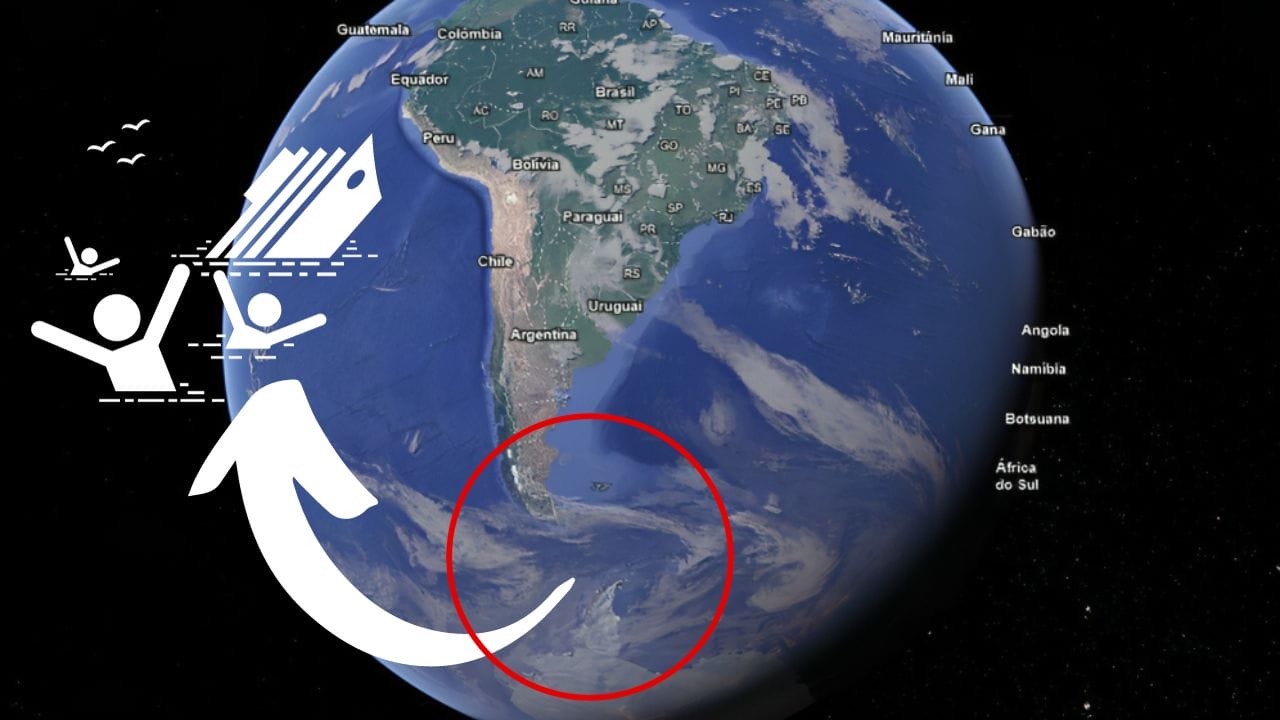
Drake Passage: The Nautical Challenge That Haunts The South Of The American Continent.
The Drake Passage, located between South America and Antarctica, is one of the most feared maritime routes in the world. Despite its strategic importance, few ships dare to cross it due to the extreme challenges it presents. This fear dates back to 1578, when the English captain Sir Francis Drake navigated the region, and since then, more than 800 ships have wrecked and over 20,000 sailors have lost their lives attempting to cross it.
Located near the South Pole, the Drake Passage is affected by intense ocean currents and strong winds. The junction of the Antarctic Peninsula with the southern tip of South America creates a funnel effect, intensifying the currents and generating gigantic waves, some reaching 10 meters in height. In 2022, a cruise ship faced serious issues when hit by a wave, resulting in the death of a crew member.
Risks And Challenges At The Southern Tip Of South America
In addition to the currents and winds, the region presents another danger: icebergs. The meeting of the warm currents from the Equator with the cold ones from the South Pole increases maritime movement, while proximity to the South Pole contributes to the formation of sea ice. Icebergs, some of the largest ever recorded, are a constant threat, as demonstrated by the case of the Titanic and a cruise ship that collided with an iceberg in 2007 in the Drake Passage.
-
OceanPact Announces Acquisition of CBO and Creates One of Brazil’s Largest Maritime Support Structures with 73 Vessels, Annual Revenue Above R$ 4 Billion and R$ 14 Billion Backlog

-
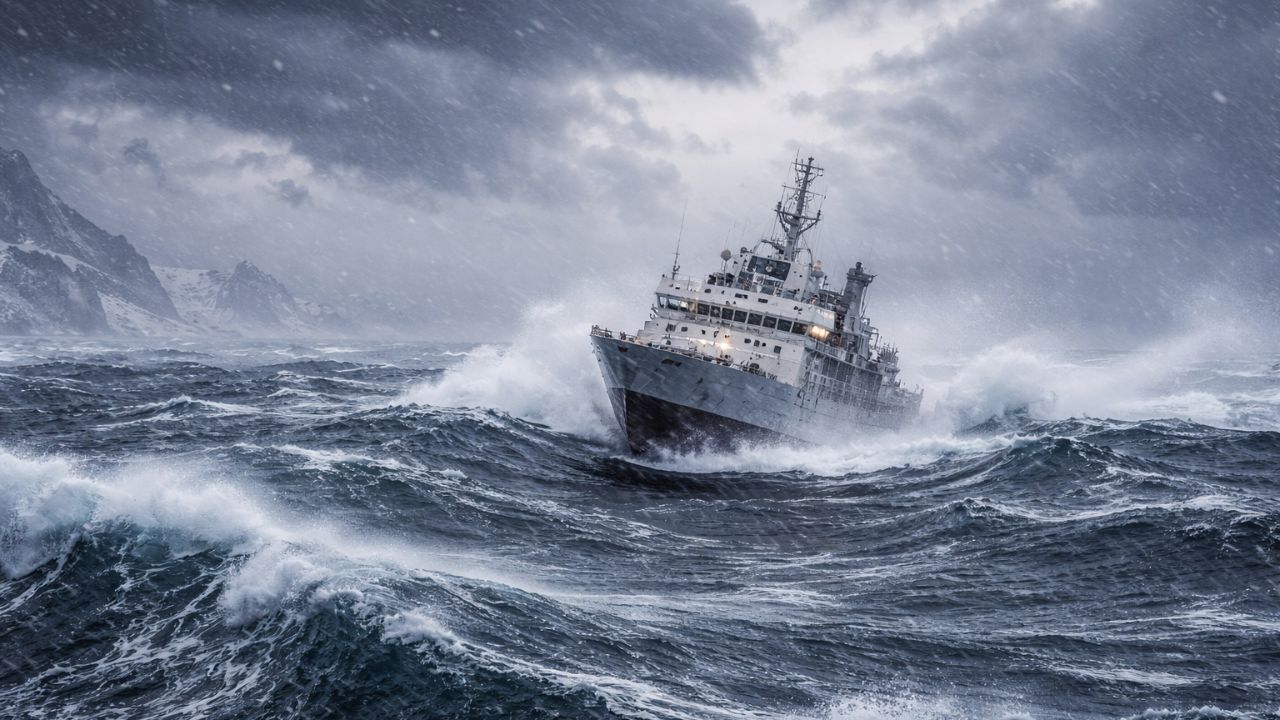
With Extreme Winds, Giant Waves, and Unrestricted Currents, Drake Passage Is Considered the Most Violent Stretch of the Oceans
-
15th Century Merchant Ship Surprises Archaeologists

-
Odfjell Inaugurates First Operational Green Corridor Between Brazil and Europe Using Sustainable B24 on Maritime Routes and Reinforces Decarbonization Strategy


Impact On Maritime Trade
The perilous nature of the Drake Passage directly affects trade routes, making it a less viable option for cargo ships. Alternatives such as the Strait of Magellan are more frequently used, but still, the distance and geographic challenges make maritime routes around South America less attractive and more expensive, impacting trade and logistics operations in the region.
The passage ‘beneath‘ South America, while critical for global navigation, remains one of the most feared and avoided due to its unique natural challenges. As technologies and navigation methods evolve, the Drake Passage continues to serve as a reminder of nature’s indomitable force and how it can shape trade and navigation worldwide.










Seja o primeiro a reagir!