





 Portuguese
  English
  Spanish
  4 min of reading
  3 comments


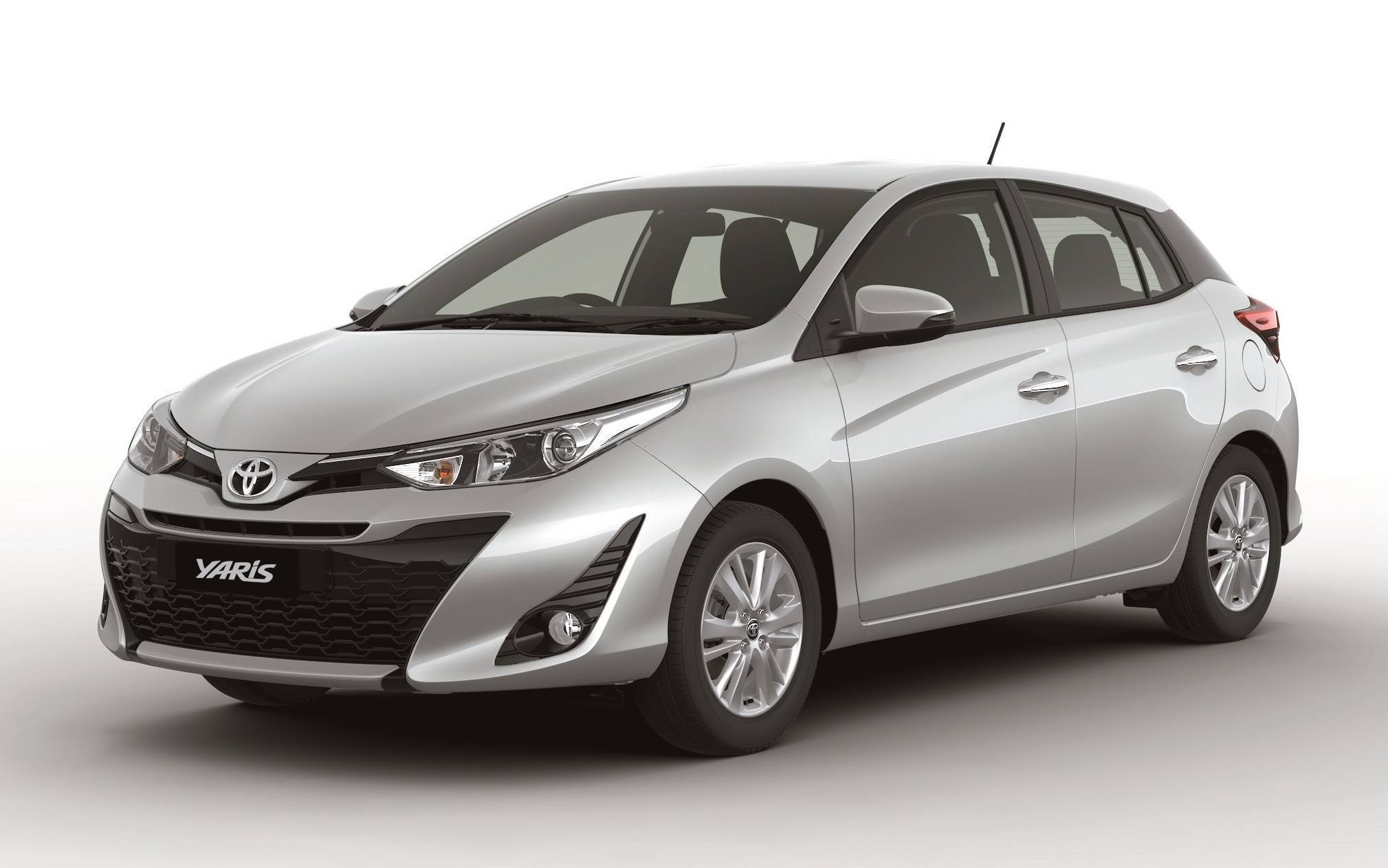


Used Toyota Yaris 1.3 Manual Costs R$ 73 Thousand in 2025; Hatch Delivers 101 Hp, Up to 13.5 Km/L and Low Maintenance Cost.
The used car market in Brazil in 2025 is marked by contrasts: on one side, inflated popular cars with prices nearing R$ 50 thousand even with over ten years of use; on the other, more modern options that offer technology, efficiency, and reliability at intermediate values. In this second group, the Toyota Yaris 1.3 16V Manual has been gaining ground as a rational choice for those seeking cost-effectiveness.
With an average price of R$ 73 thousand in the Fipe table for 2018 and 2019 models, the Japanese hatch is more expensive than a basic compact, but delivers reliable mechanics, low fuel consumption, inexpensive maintenance, and high liquidity in resale.
Power and Efficiency in Daily Life
Under the hood, the Yaris 1.3 features the 1.3 16V Dual VVT-i Flex engine, capable of generating 101 hp with ethanol and 94 hp with gasoline. Although not a sports engine, it is praised for its smoothness, robustness, and economy.
-
A French brand placed a car on four huge red balloons to prove that its suspension made the vehicle “float,” and the surreal scene became one of the most iconic and unusual images in automotive history.

-
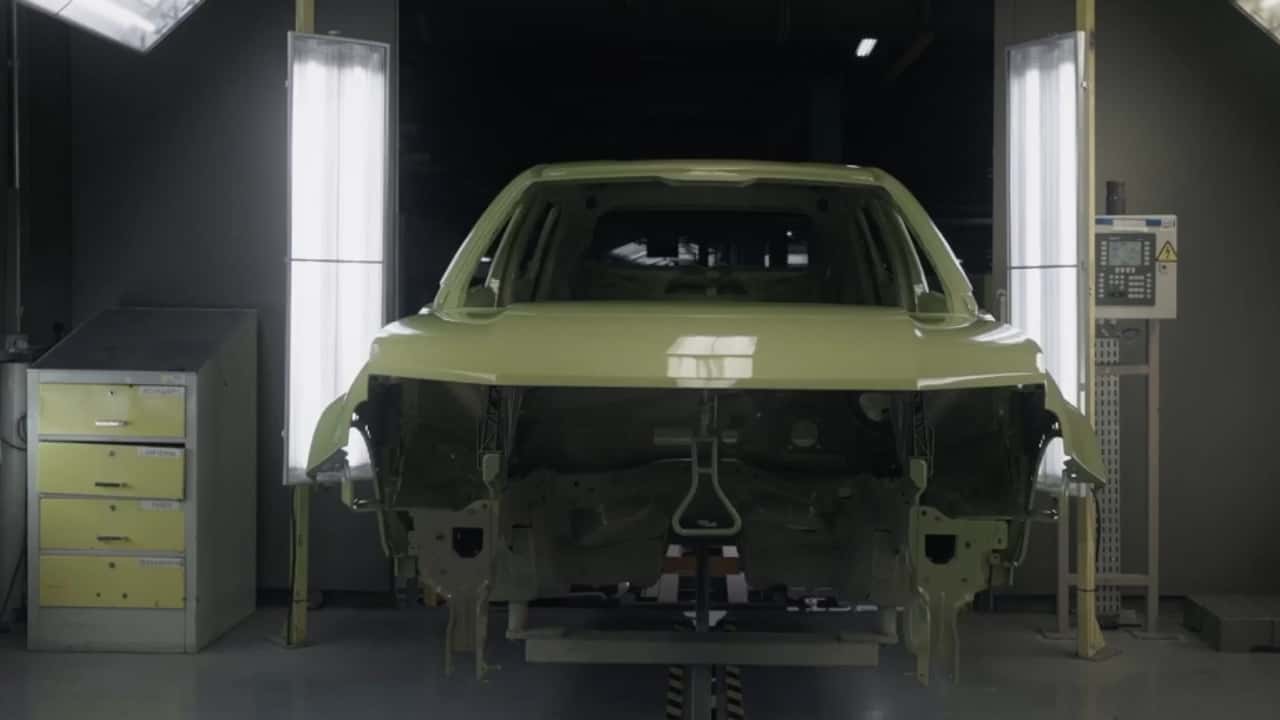
Jeep Avenger begins production in Brazil, debuting as the brand’s new entry-level SUV and inaugurating an unprecedented phase by becoming the first national Jeep manufactured outside of Goiana, as part of a R$ 3 billion plan.
-
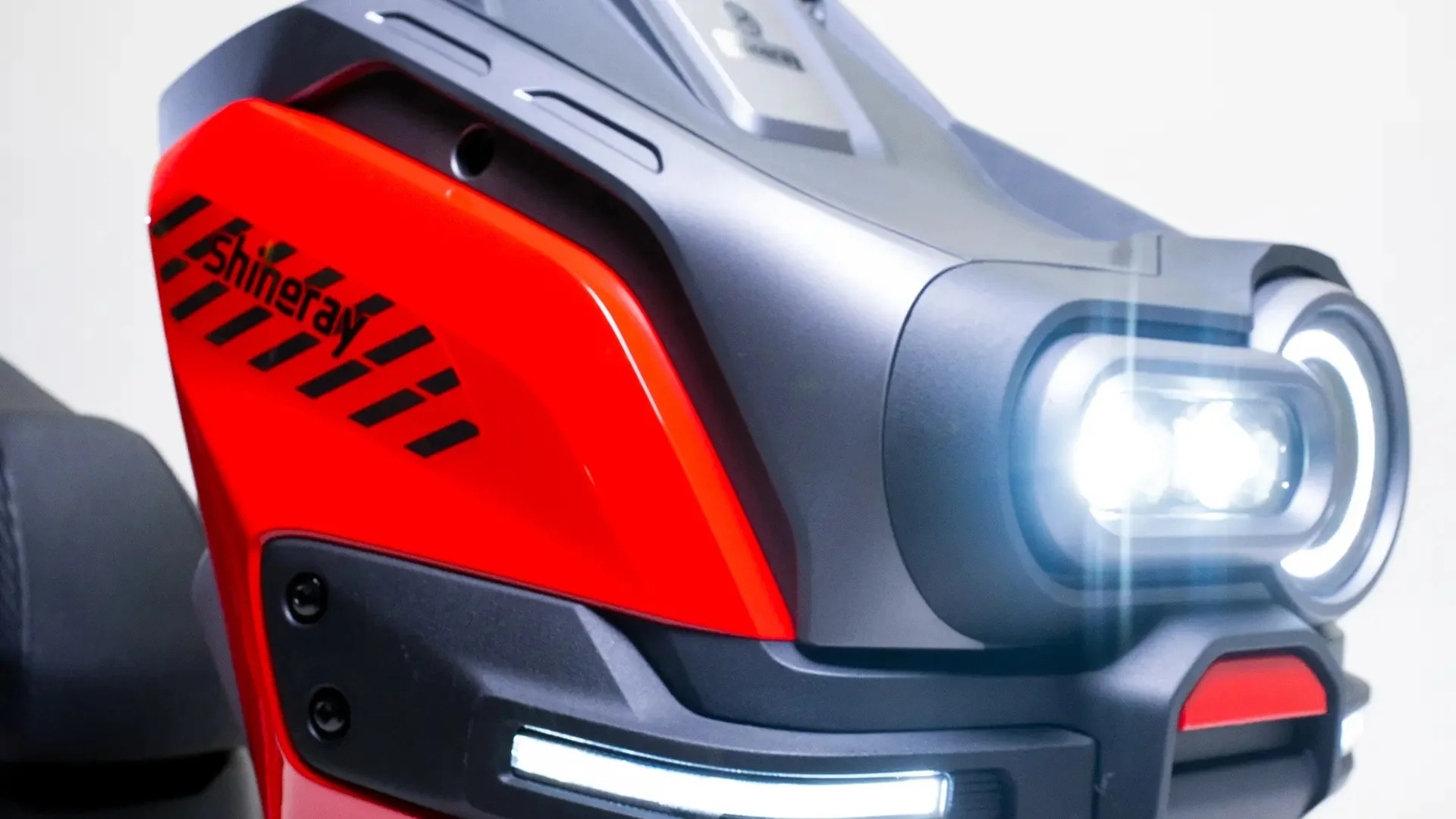
Costing R$ 12,490, the new Shineray Urban Lite 150 “cheap one” arrives in Brazil with a CVT transmission, digital dashboard, and LED lights, making it more affordable than the Biz and targeting those who want to abandon the bus.
-
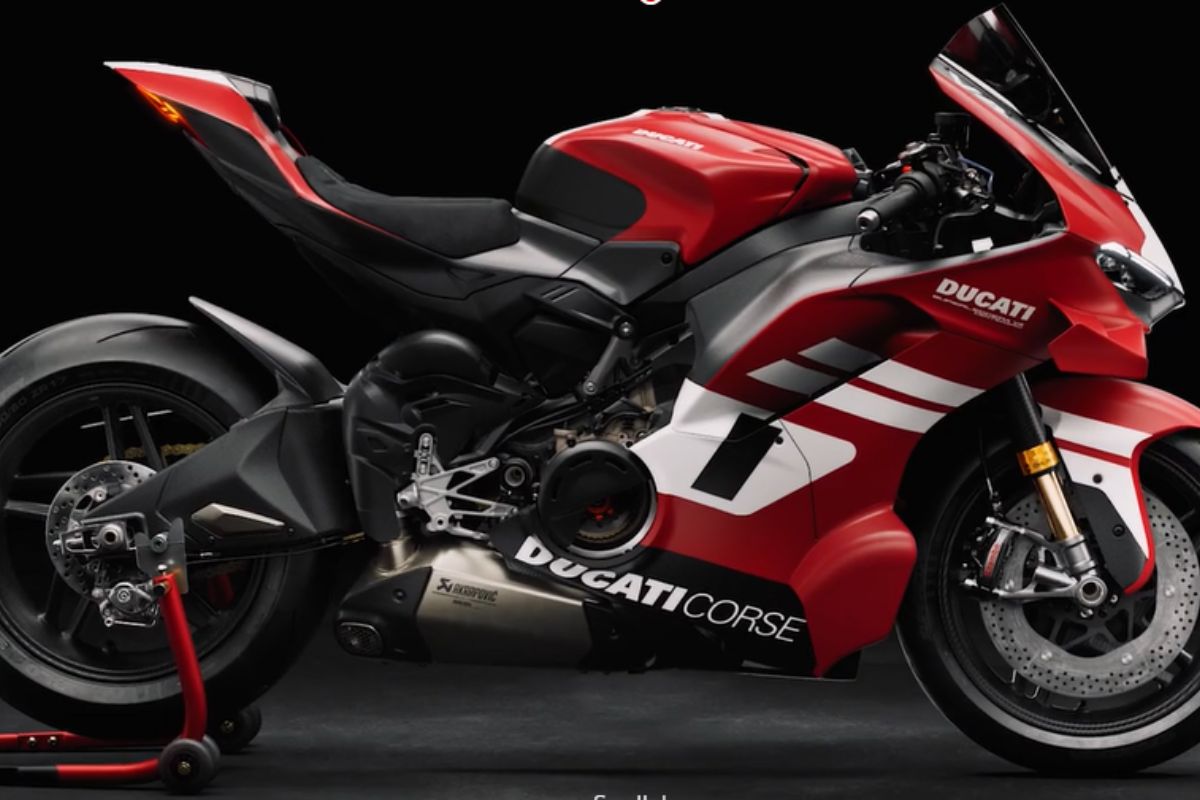
Ducati brings to Brazil the Superleggera V4 Centenario: 228 hp that become 247 with a track kit, carbon fiber and carbon-ceramic brakes, estimated price between R$ 1.5 and 2 million, deliveries only in 2027.

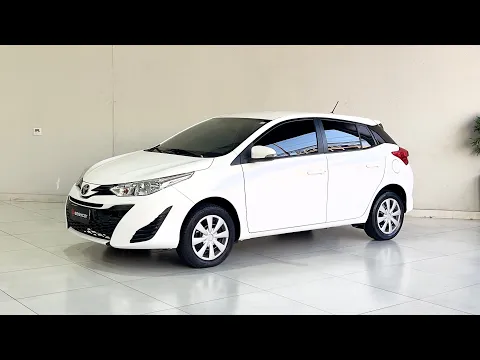

Paired with a 6-speed manual transmission, it offers good drivability in urban and highway use. In tests, the model achieves an average fuel consumption of up to 13.5 km/L on the highway with gasoline and about 12 km/L in mixed cycle.
With ethanol, the average is around 9.5 km/L — numbers that still place the hatch among the most economical in its category.
Discreet Yet Functional Design
The Yaris arrived in Brazil in 2018 positioned between the Etios and the Corolla. In the case of the 1.3 XL manual version, the focus has always been on functionality. The design is discreet, without sporty appeal, but appeals to those seeking sobriety.
Inside, the space is adequate for four adults and the trunk of 310 liters is sufficient for family use. The finishes, even in the entry version, are better than those in popular hatches, and the ergonomics are praised.
Standard Equipment That Makes a Difference
Despite being the simplest configuration, the Yaris 1.3 XL Manual comes with standard items that reinforce its cost-effectiveness:
- Air Conditioning
- Progressive Electric Steering
- Electric Windows and Locks
- Sound System with Bluetooth
- Two USB Ports
- Front and Side Airbags
- ABS Brakes with EBD
These features, combined with Toyota’s tradition, have created in the Yaris the image of a car “without frills, but without headaches.”
Low Maintenance Cost: Toyota’s Advantage
One of the great attractions of the Yaris is the low maintenance cost, a legacy of Toyota’s durability philosophy. Scheduled maintenance, up to 60,000 km, has fixed prices ranging from R$ 500 to R$ 900, placing it below direct competitors like the Honda Fit and Hyundai HB20.
Wear parts are also not alarming: a set of brake pads averages around R$ 250, a complete clutch costs about R$ 900, and shock absorbers sell for less than R$ 1,500 for a set. Additionally, the Toyota network is extensive and offers good coverage even in medium-sized cities.
Used Market and Liquidity
Another point that favors the Yaris is its low depreciation. A 2018/2019 Yaris, which cost around R$ 60 thousand new at launch, today maintains an average value of R$ 73 thousand. The appreciation reflects not only the inflation of cars but also the strength of the Toyota brand in Brazil, which ensures quick liquidity in resale and consortia.
On platforms like OLX and Webmotors, it’s not uncommon to find manual units in the range of R$ 68 thousand to R$ 77 thousand, varying according to mileage and condition.
Direct Competitors
In the range of R$ 70 thousand to R$ 75 thousand in the used market, the Yaris 1.3 Manual competes with:
- Hyundai HB20 1.6 (2019/2020) — more powerful, but with more expensive maintenance.
- Chevrolet Onix 1.0 Turbo (2019) — modern, but subject to recalls that affect its image.
- Honda Fit 1.5 (2017/2018) — larger interior space, but with higher parts costs.
The Yaris stands out for its Toyota reliability, which weighs heavily in the decision of those seeking peace of mind for many years without surprises.
The Dilemma: Rational or Too Expensive?
Despite its qualities, the Yaris 1.3 Manual faces criticism: many feel that R$ 73 thousand for a 1.3 Manual Hatch is too high. The comparison with used compact SUVs in the same price range, such as the Nissan Kicks and Renault Captur, reinforces this perception.
However, those who prioritize low maintenance cost, fuel economy, and liquidity in resale still find the Yaris a rational option, especially in the inflated used market of 2025.
The Toyota Yaris 1.3 Manual may not be the car of dreams, but it fulfills its mission of being a reliable, economical hatchback that is relatively accessible within the current context. It’s a win for those seeking tranquility and predictability in their daily lives; it can be a trap only for those expecting more excitement or status from a mid-sized hatch.
In 2025, for R$ 73 thousand, it solidifies itself as one of Toyota’s most interesting used models, balancing performance, consumption, and reliability — attributes that explain why the brand maintains its aura of “never breaking down” in Brazil.










Vocês precisam começar a ler essas bobagens de textos gerados por IA, antes de publicá-las. Nunca houve um Yaris 1.3 no Brasil.
Existe sim.O meu é um XL 2019 automático agora com 39 k.Carro excelente.
Bom dia tenho um 1.3 automático excelente veículo, no álcool na estrada chega a 12.9 e na cidade 9.9, gasolina ele faz uma média de 17, 18 acima dos 100k/h e abaixo disso faz 21 tanto no piloto automático, como no pé do motorista, é um veículo que passa muita confiança, não te deixa na mão em ultrapassagens.