





 Portuguese
  English
  Spanish
  4 min of reading
  0 comments


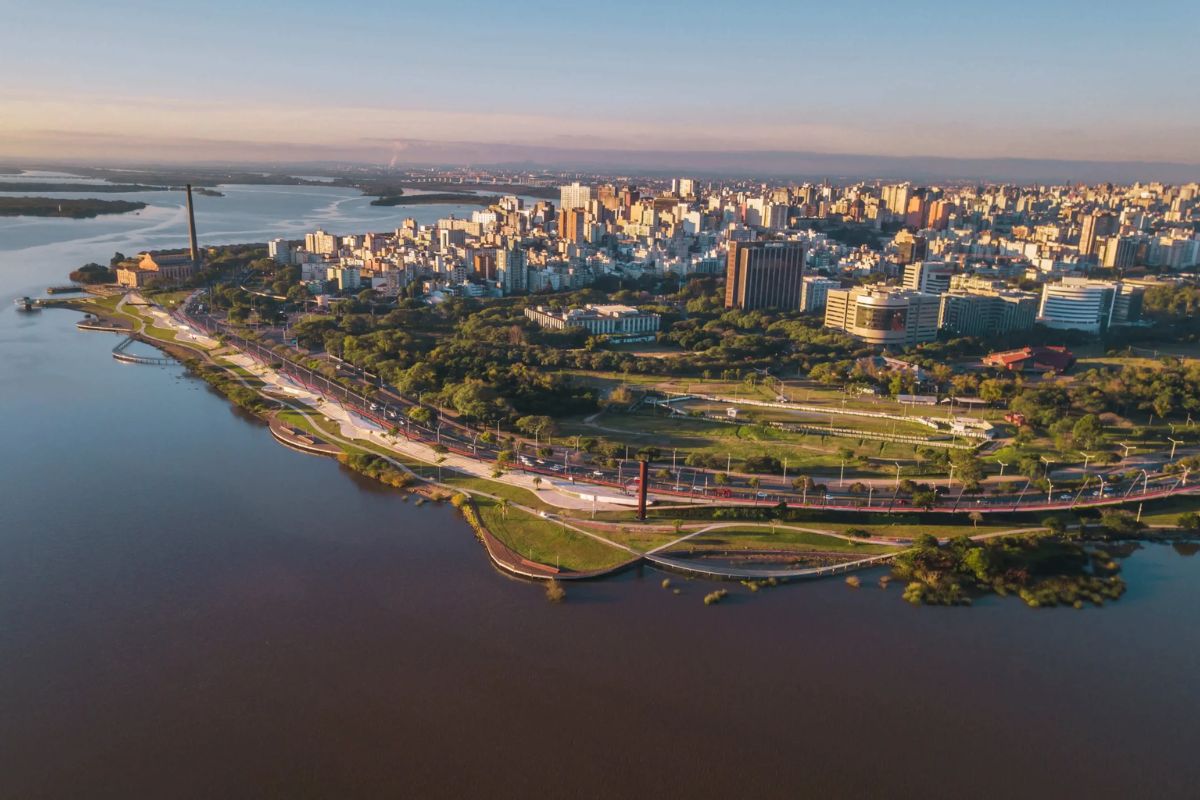
With HDI of 0.805, Porto Alegre Combines Quality of Life, Cultural Tradition, and Protagonism as the Main Access to Serra Gaúcha, According to Data from PNUD and the Market Monitor.
Porto Alegre is recognized for having one of the highest human development indices in Brazil, with a strong cultural identity and a strategic role in tourism and the economy of the South. According to data from PNUD/Ipea/FJP, the capital of Rio Grande do Sul reached an HDI of 0.805 in 2010, considered very high. For the Market Monitor, this combination reinforces the city’s status as an urban hub that connects tradition and modernity.
In addition to statistical prestige, Porto Alegre maintains a vibrant cultural scene, a structured service network, and a privileged location on the banks of the Guaíba.
These factors transform the city into a destination that values its residents and also attracts national and international tourists.
-
Larger than entire cities in Brazil: BYD is building a 4.6 km² complex in Bahia with a capacity for 600,000 vehicles per year, but the discovery of 163 workers in conditions analogous to slavery has shaken the entire project.

-
With an investment of R$ 612 million, a capacity to process 1.2 million liters of milk per day, Piracanjuba inaugurates a mega cheese factory that increases national production, reduces dependence on imports, and repositions Brazil on the global dairy map.

-
Brazilian city gains industrial hub for 85 companies that is equivalent to 55 football fields.

-
Peugeot and Citroën factory in Argentina cuts production by half and opens a layoff program for more than 2,000 employees after Brazil drastically reduced purchases of Argentine vehicles.


Why Does Porto Alegre Stand Out in Brazil?
Porto Alegre ranks among the cities with the best quality of life in the country, associating urban infrastructure, public services, and access to culture.
According to the Market Monitor, the elevated HDI is just part of the equation: the capital offers a balance between urban life and contact with nature, as well as an environment of innovation.
The metropolitan region, composed of municipalities such as Canoas and Viamão, strengthens economic dynamism, while proximity to other Southern capitals, such as Curitiba and Florianópolis, enhances its role as a regional hub.
This centrality makes the city a hub of mobility, business, and culture in the Southern Cone.
Natural Beauties and Quality of Life
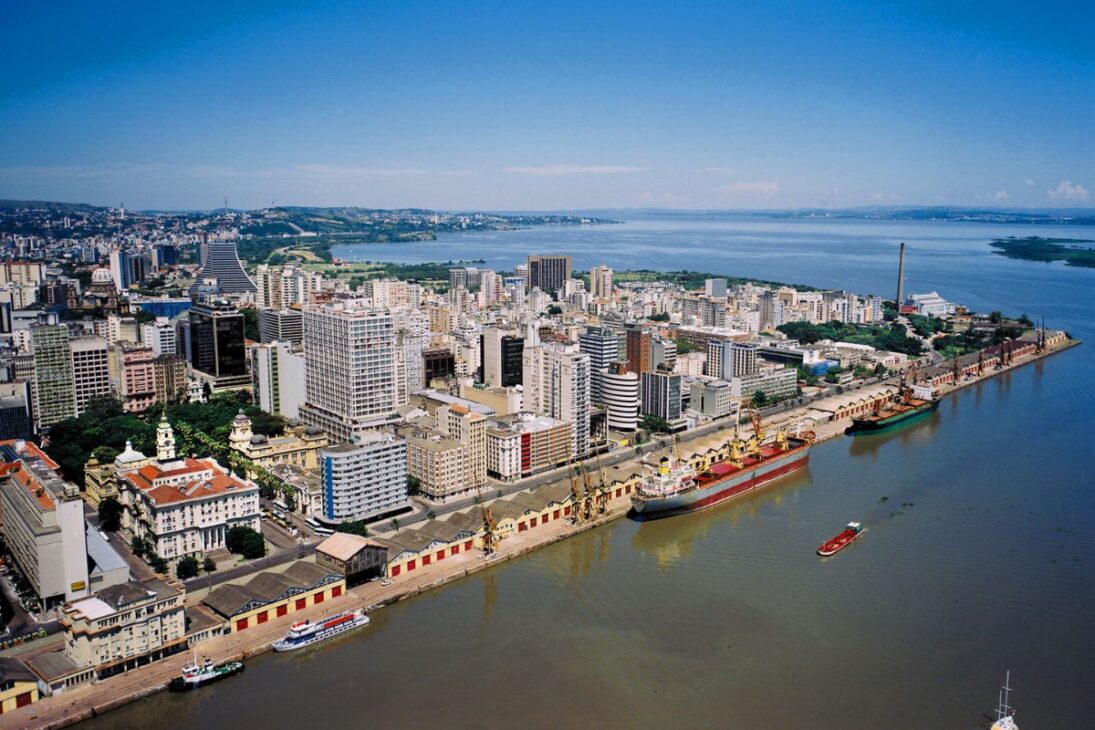
On the banks of the Guaíba, Porto Alegre is home to scenery that has become postcards. The sunset on Guaíba has been classified by the Ministry of Tourism as one of the most beautiful in Brazil, attracting residents and tourists.
Additionally, parks such as Redenção offer green spaces that enhance urban quality of life.
According to the Market Monitor, this integration between green areas and modern infrastructure is one of the differentiators that sustain the city’s high human development index.
Culture, Tradition, and International Events
Porto Alegre has culture as one of its pillars. The city hosted the World Social Forum, a global impact event that brought together leaders and social movements.
The local agenda also includes Porto Alegre em Cena, an international theater festival, and Semana Farroupilha, a symbol of gaucho identity.
The Market Monitor highlights that by hosting global events and preserving local traditions, the capital of Rio Grande do Sul balances innovation and cultural memory. This makes the city a reference in Brazil and abroad.
Climate and Best Time to Visit
According to INMET, Porto Alegre has a humid subtropical climate, with an annual average of 19.5 °C. Winters have lows of 9 °C, while summers can reach 35 °C. The average precipitation is 1,400 mm annually.
Each season offers different experiences: in summer, walks along the Guaíba; in autumn, mild weather for cultural events; in winter, typical cuisine; and in spring, festivals and outdoor fairs.
This climatic variety makes the city attractive throughout the year.
Tourism and Gateway to Serra Gaúcha
Porto Alegre is recognized by the Ministry of Tourism as the main gateway to Serra Gaúcha.
The city has diverse hotel infrastructure, including chains such as Deville Prime, Intercity, and Laghetto, according to data from Booking.
According to the Market Monitor, the connection with destinations such as Gramado, Canela, and Bento Gonçalves strengthens the capital’s role as a tourist and economic hub, also boosting the service sector.
Porto Alegre combines high HDI, cultural tradition, and strategic role as the gateway to Serra Gaúcha, establishing itself as one of the main urban and tourist hubs in Brazil.
For residents, it represents quality of life and high-quality services; for visitors, an experience that unites nature, history, and culture.
And you, do you believe that Porto Alegre maintains this prominence in Brazil and in the South? Have you had experiences in the city that confirm this status?
Leave your opinion in the comments — we want to hear stories from those who know this reality up close.





-

-

-

-

12 pessoas reagiram a isso.