





 English
  Francês
  Alemão
  Italiano
  Japonês
  Norueguês
  Portuguese
  Spanish
  3 min of reading



Eneva Bought the Macaé Port Terminal (TEPOR). We Are Talking About Billions in Investments and Tens of Thousands of Jobs for the Residents of Macaé.
Yesterday (10/09), we had a historic moment in Macaé. The union between Eneva, the largest energy company in Brazil, and the Vale Azul Group will materialize the dream of having the Macaé Port. The giant in the national market of transforming oil and gas into energy, which recently bought the Macaé Port Terminal (TEPOR), met with the Mayor of the city to get the project off the ground.
Read Also
- Even Those Without a Roof and Living in an Apartment Can Save Up to 95% on Their Electricity Bill with Solar Energy by Renting Electricity from a Local Plant
- United States Tries to Contain Disaster Involving a Gigantic Oil Spill of 600,000 Liters Caused by Ship Anchored in California Ports
- Cisco in Partnership with SENAC and Senai Opens Free Online Course (EAD) with Certification in Cybersecurity; Candidates from Across Brazil Can Participate
- Multinational Scania, Global Leader in Heavy Truck, Bus, and Engine Production, Begins Recruitment and Selection for Positions at Its Factory in São Paulo
The newest billion-dollar venture of the oil company, which exceeds R$ 1 billion, will allow the company to finally develop a thermoelectric plant on the coast, generating many jobs and attracting new investments to the region.
Watch Below the Video of the Meeting Between Eneva Executives and the Macaé City Hall
Macaé Port Terminal Will Come with a New Natural Gas Processing Unit (UPGN)
TEPOR will come with a new Natural Gas Processing Unit (UPGN), which will have a capacity of 60 million m3. To give an idea of the size of the project, the largest UPGN in Latin America has a capacity of 25 million m3.
-
New shoe factory in Ceará is expected to create 400 jobs and strengthen the local economy.

-
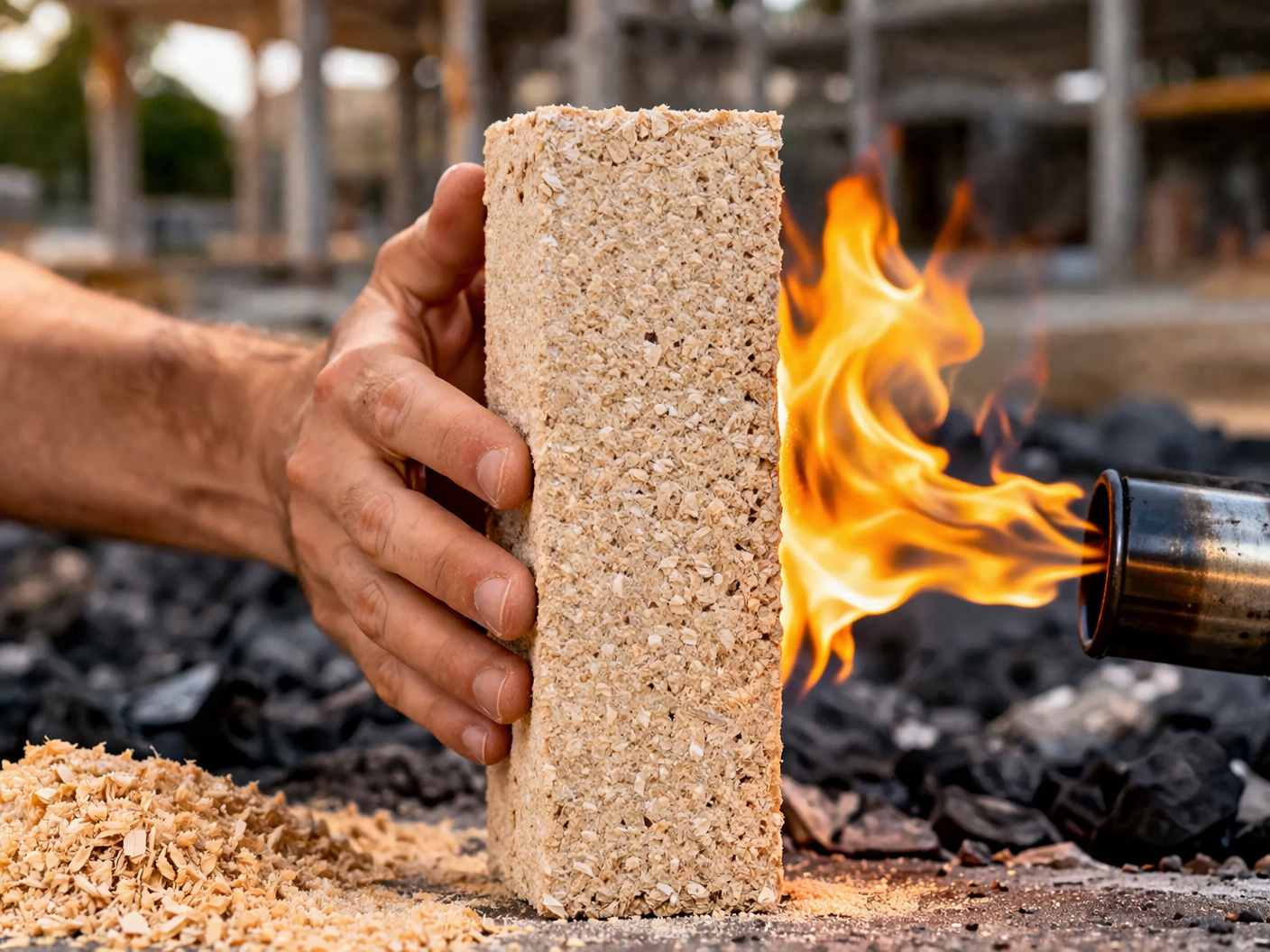
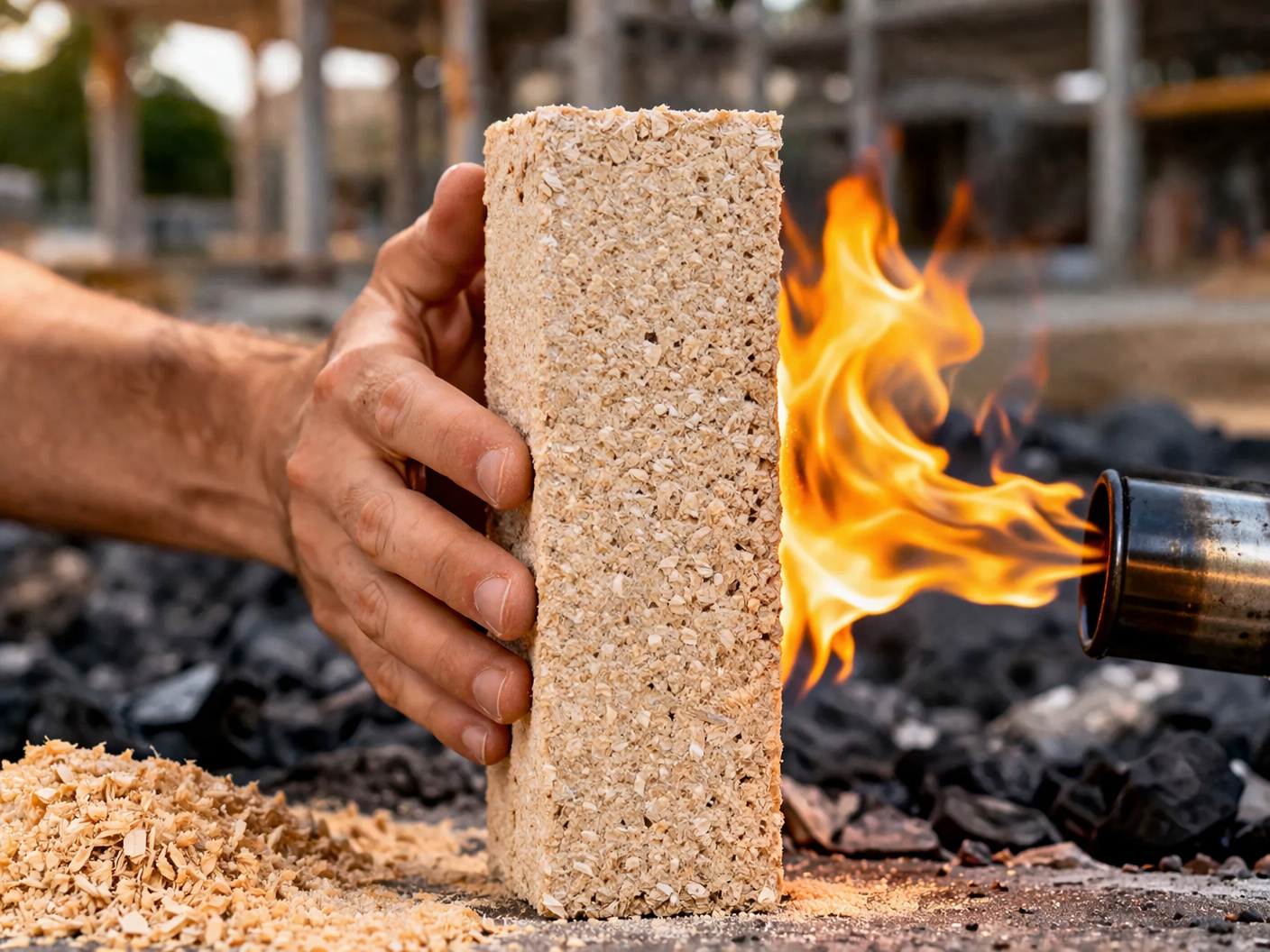
No one imagined it, but a mixture of sawdust with a mineral that fights fires surprises scientists with a result that changes the course of fire-resistant construction.
-
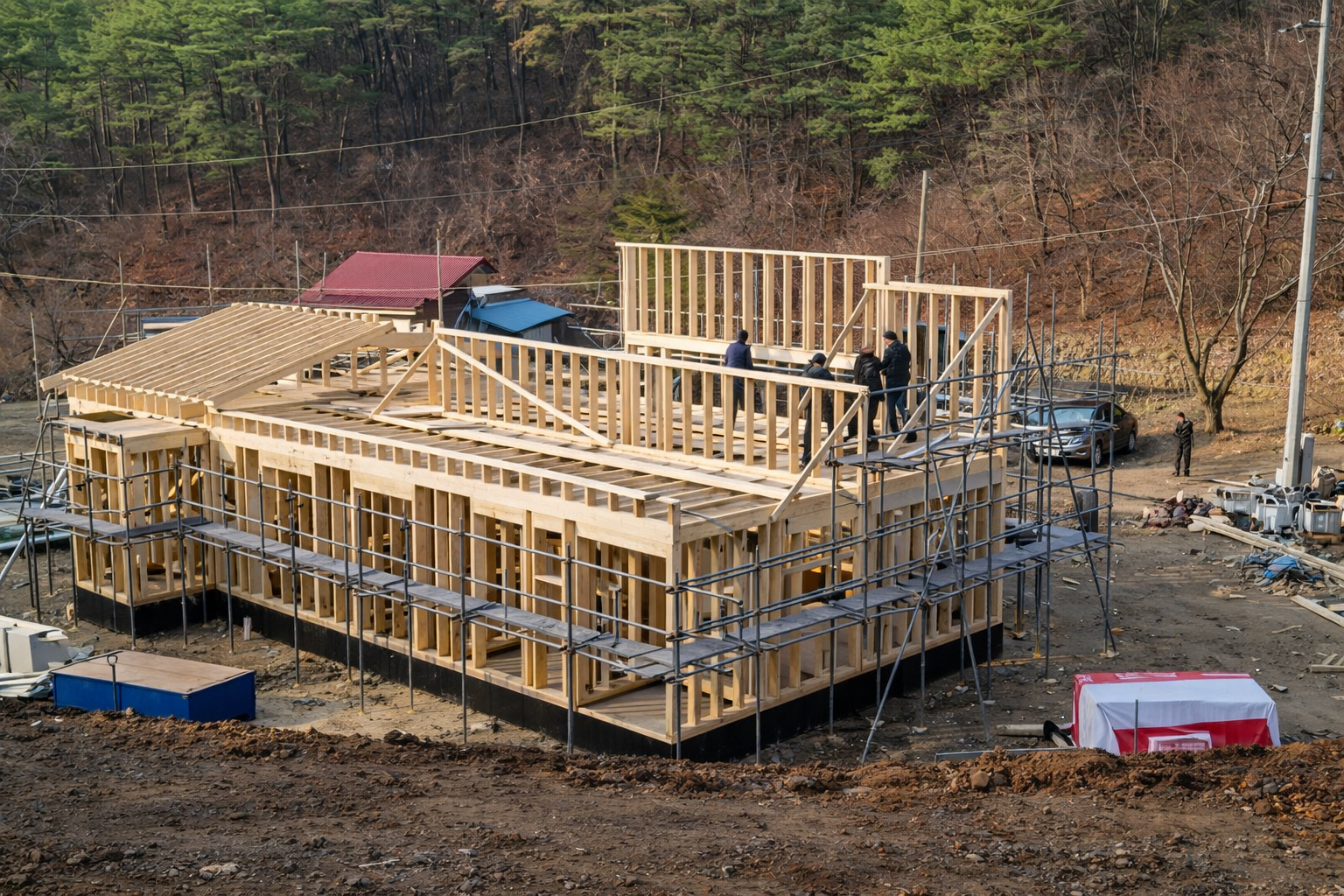
From empty land to a high-end house, wooden construction uses a lightweight system, metal structure for the foundation, ventilated ceramic cladding, and special windows to create an efficient and comfortable living space throughout the year.
-
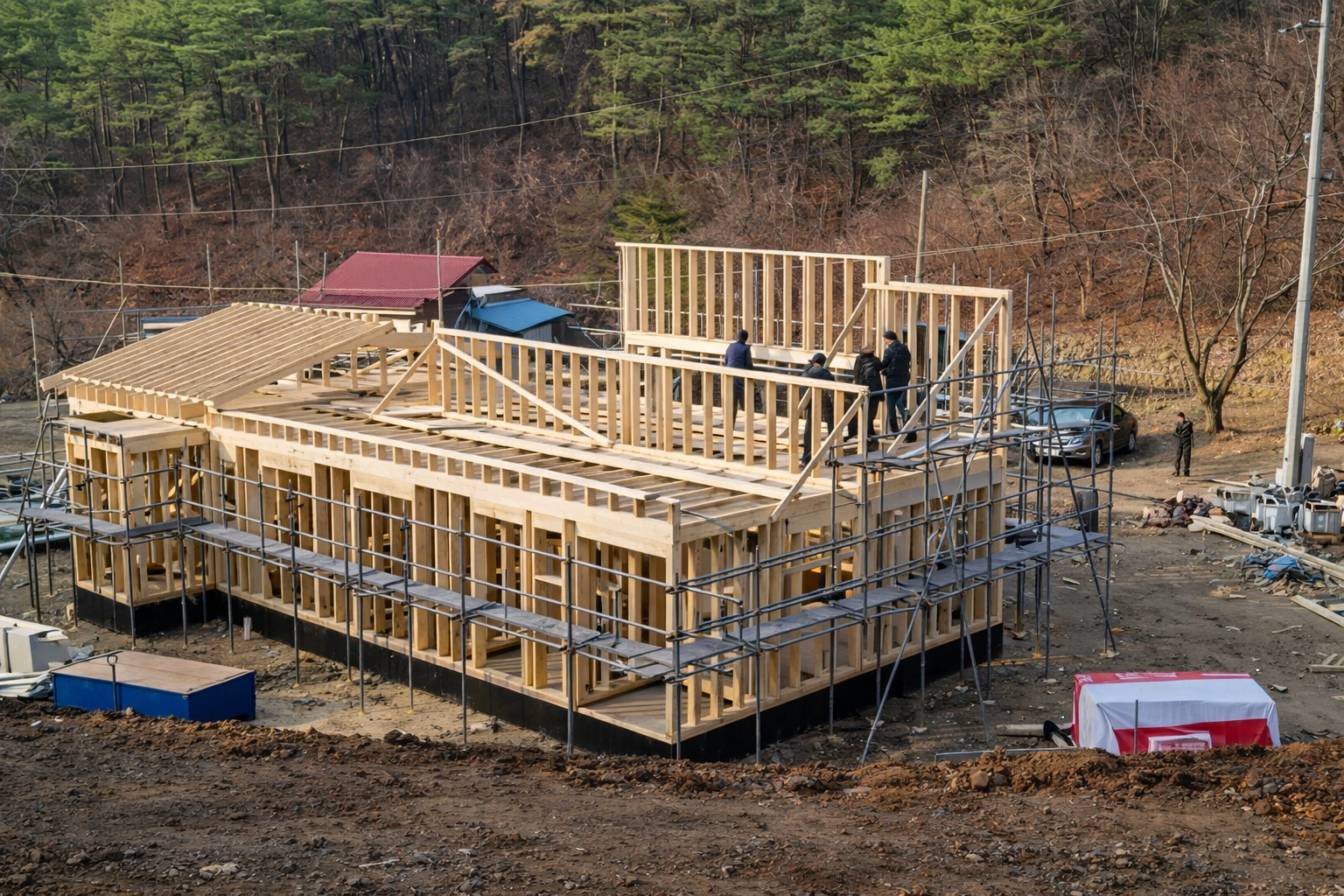
From vacant land to a high-end house, wooden construction uses a lightweight system, a metal structure for support, ventilated ceramic cladding, and special windows to create an efficient and comfortable living space throughout the year.
The project aligns with what CEO Pedro Zinner stated, as he intends to develop a gas hub with associated infrastructure, terminal, and a liquefied natural gas regasification terminal (GNL). The announcement of the investment comes at a time of water crisis in Brazil, where base-load thermoelectric plants are increasingly needed, available 24 hours a day.
Currently, Eneva’s gas is referred to as ‘gas to wire’, consisting of using gas extracted from Amazonas and Maranhão to supply thermoelectric plants at the so-called ‘wellhead’ and then channeling the generated electricity throughout the country. However, aiming to utilize imported gas or even pre-salt gas, Eneva has developed the so-called ‘gas to power’, creating the logistics for receiving gas on the coast and constructing thermoelectric plants.
Macaé Has Strategic Positioning for Eneva
The location of Macaé is strategic for Eneva. The site has the capacity to access imported gas and even pre-salt gas, which is significantly more competitive compared to imported gas.
The Macaé Port Terminal, TEPOR, already holds the necessary environmental licenses. The site will have a liquids terminal and also offshore support, as well as another terminal for oil movement. The project also foresees two berths capable of handling up to 2 million barrels of oil daily.
Eneva had been gas-deficient for many years, a situation that created difficulties in fulfilling contracts. However, the company fought to overcome this and has now achieved a surplus position. The construction of thermoelectric plants on the coast, in the city of Macaé, should facilitate the sale of excess supply.
TEPOR Will Cover 6 Million Square Meters
Occupying a land area of 6,000,000 m2, the port will have storage yards and customs warehouses. Terminal A will consist of a liquids terminal and offshore support, connected to land by a bridge approximately 4km long, with a depth of 16.5 meters.
Terminal B will be used for oil movement and has two berths, with a depth of approximately 27 meters, capable of receiving VLCC ships. In addition, the terminal will have the capacity to handle up to 2 million barrels per day.







Seja o primeiro a reagir!