





 English
  Francês
  Alemão
  Italiano
  Japonês
  Norueguês
  Portuguese
  Spanish
  2 min of reading


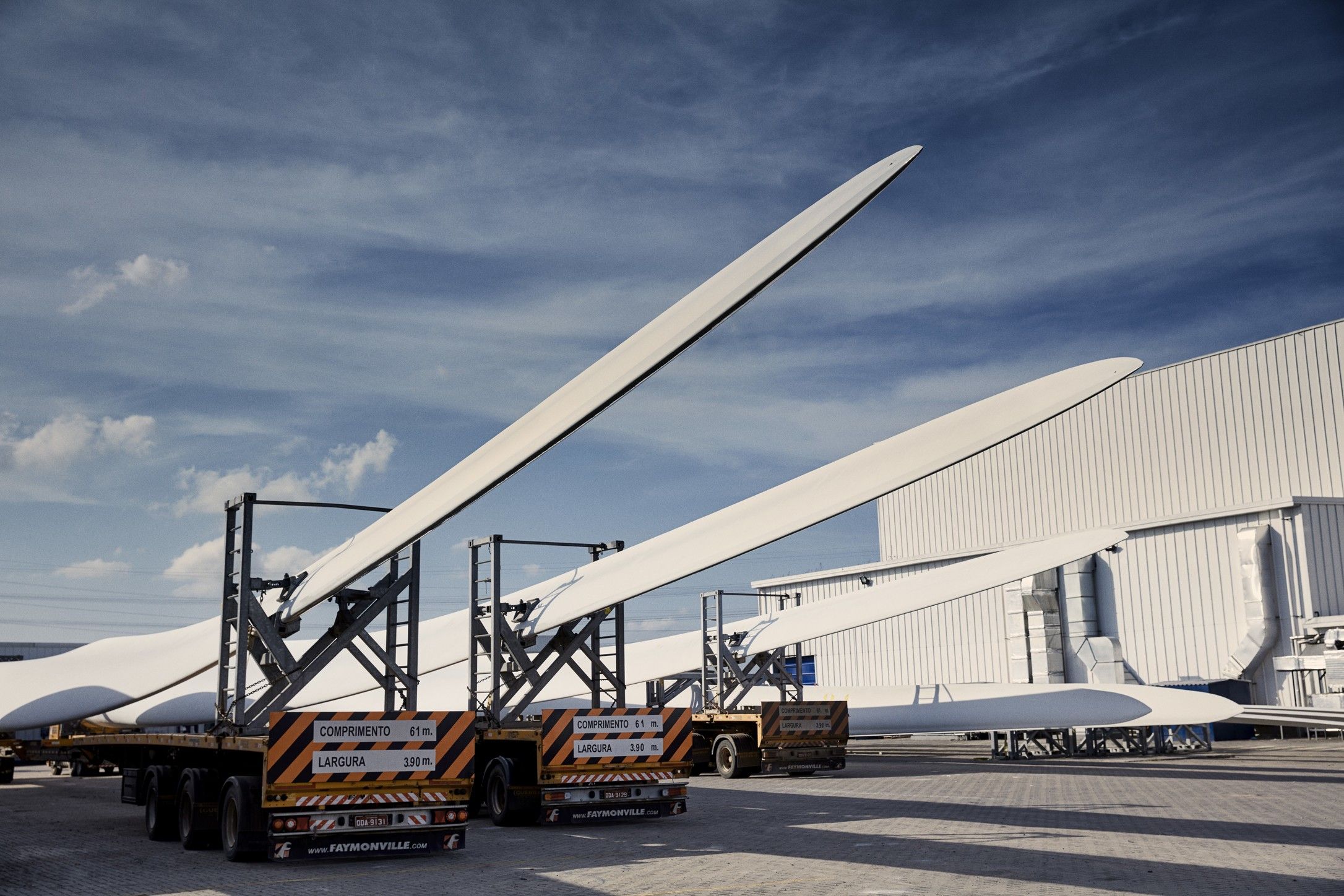
The Production and Export of Wind Turbines Are Among the Specialties of the Port of Pecém and Market Leader Aeris Energy
The 03 wind turbines in the feature image of the article were produced in collaboration by the two companies, particularly highlighting Aeris Energy, in the industrial area of the Port of Pecém, to be stored in an exclusive area at the company’s terminal yard before being shipped to the USA.
Read Also
- Heftos Closes Contracts with Petrobras and Trident Energy for Services at Refinery Gabriel Passos and in Campos Basin
- Technicians, Boilermakers, Analysts, and More Being Recruited for Positions at Companhia Siderúrgica do Pecém
- TEN – Northeast Wind Towers Opens Selection Process with Various Job Openings, Including PCD
- Solar Energy Startup Developed Completely Transparent Solar Panels
Additionally, last year Aeris Energy along with the Port of Pecém transported approximately two thousand wind turbines. This number is three times greater than the movement recorded in 2018, when 683 turbines were shipped to wind farms around the world.
What Are Wind Turbines Used For?
The set of wind turbines is part of the triad of basic components that make up the wind generator. Connected to the nacelle and supported by the concrete tower, the wind turbines have an aerodynamic profile, weigh about 17 tons each, and can be more than 60 meters long, equivalent to a 20-story building.
-
A study reveals the expansion of renewable energy procurement in Brazil and shows how companies are taking advantage of opportunities to reduce expenses, ensure energy efficiency, and strengthen strategic environmental commitments.

-
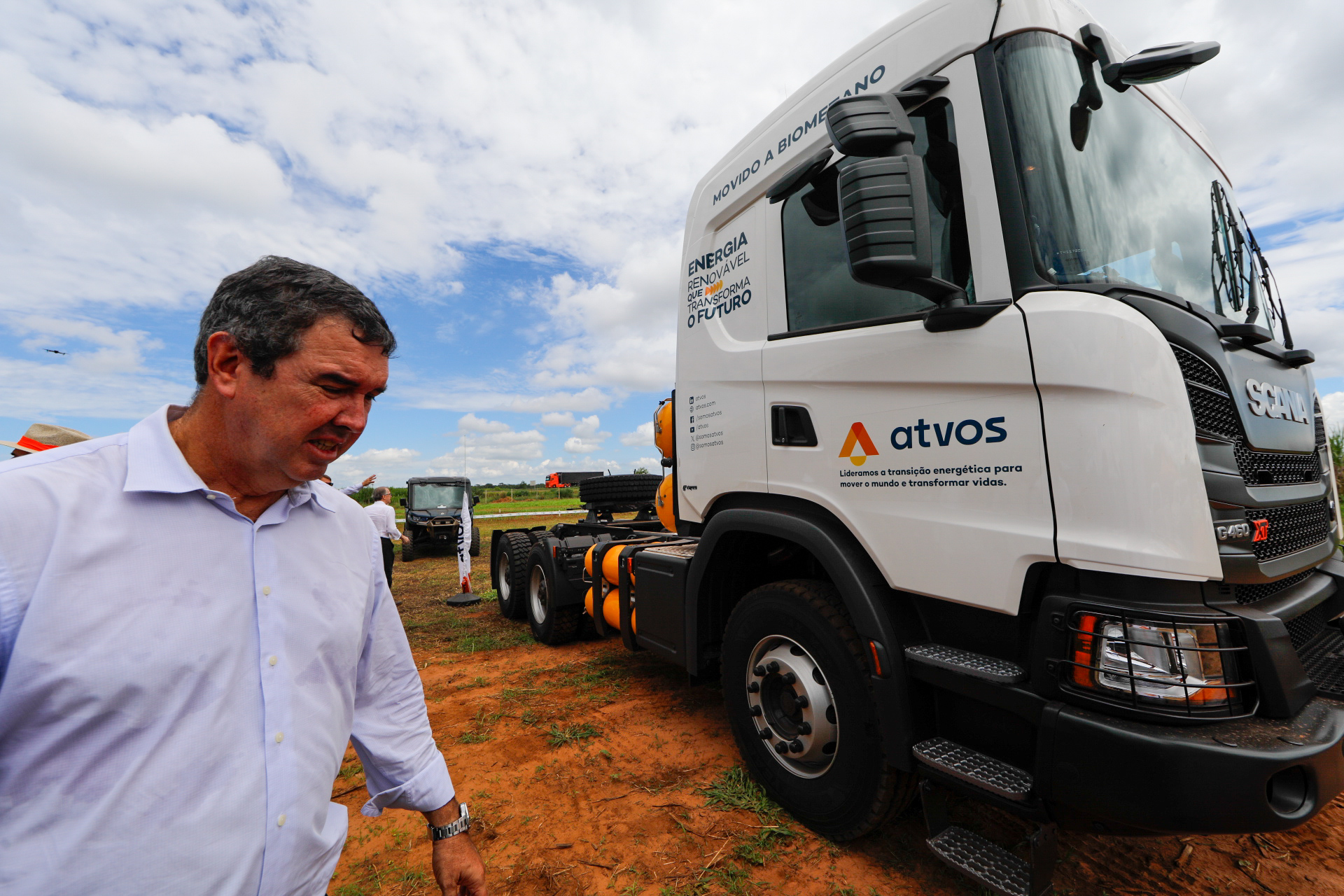
Mato Grosso do Sul excels in the sugar-energy sector: the state reaches a milestone of 22 operating mills and accelerates the production of clean energy in MS with a focus on sustainability.
-
National energy dilemma: Brazilians support clean energy but reject increases in tariff costs to finance the sustainable transition.
-
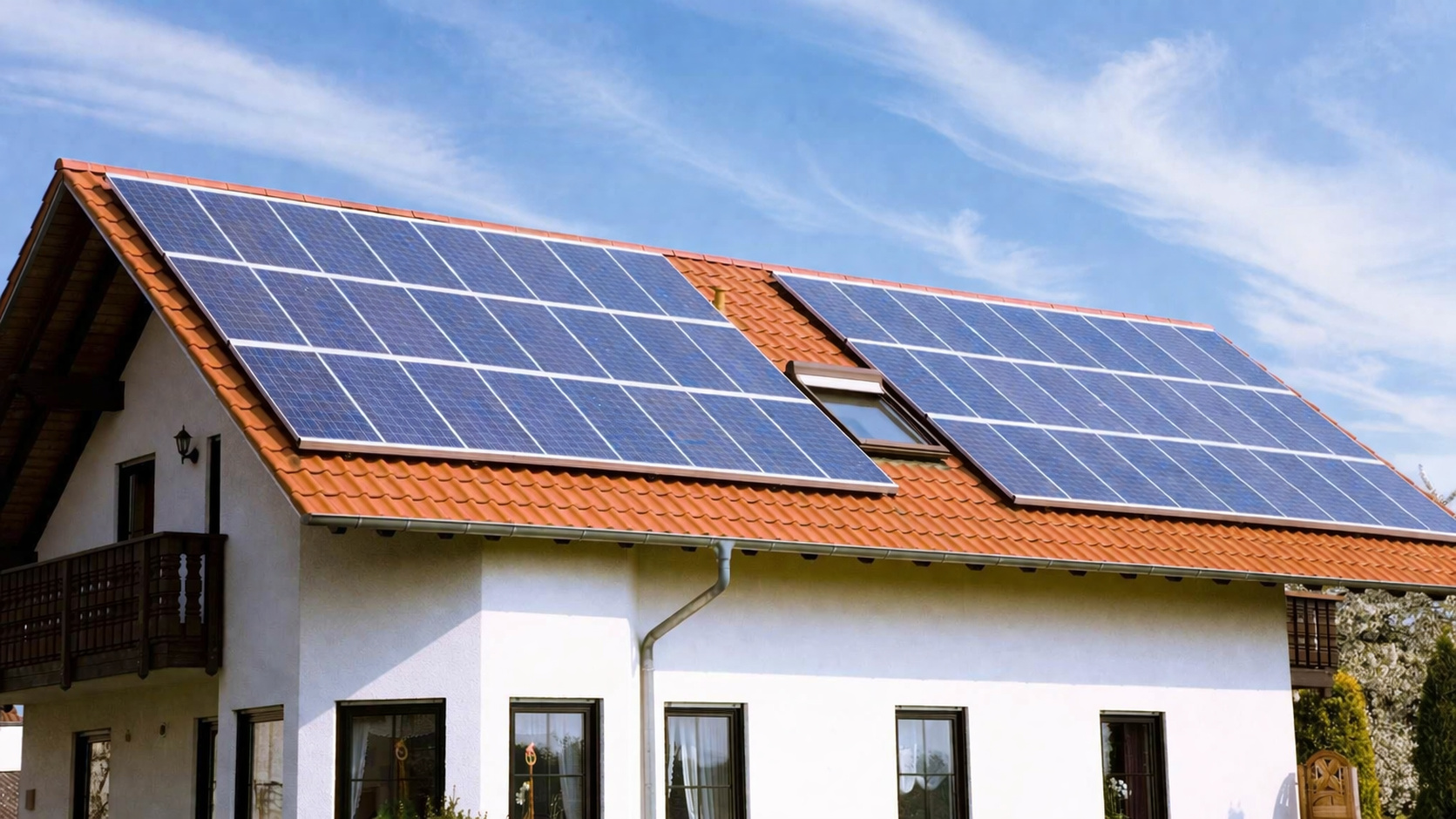
Research indicates that Brazilians support clean energy and wish to advance in the energy transition, but reject paying more on their electricity bill, showing a direct conflict between cost and sustainability.


In summary, as mentioned earlier, it is the turbines that give movement to the wind generators that convert wind energy into electrical energy. At the Port of Pecém, the wind blows in favor of renewable energies every day, boosting the Brazilian economy.
Wind Energy in Brazil
Wind energy is already the second largest source of Brazil’s energy matrix. According to the Brazilian Wind Energy Association (ABEEólica), the installed capacity in the country reached 16 GW in the first half of 2020. There are 637 wind farms and 7,738 wind generators.
In 2019, the wind industry invested R$ 13.6 billion in Brazil, according to data from Bloomberg New Energy Finance (BNEF). The infrastructure generated 55.9 TWh of energy, 15% more than in 2018. On average monthly, this is enough to supply 28.8 million households per month in 12 states. This equals a population of 86.3 million people, considering three inhabitants per household.










Seja o primeiro a reagir!