





 English
  Francês
  Alemão
  Italiano
  Japonês
  Norueguês
  Portuguese
  Spanish
 5 min of reading
  0 comments


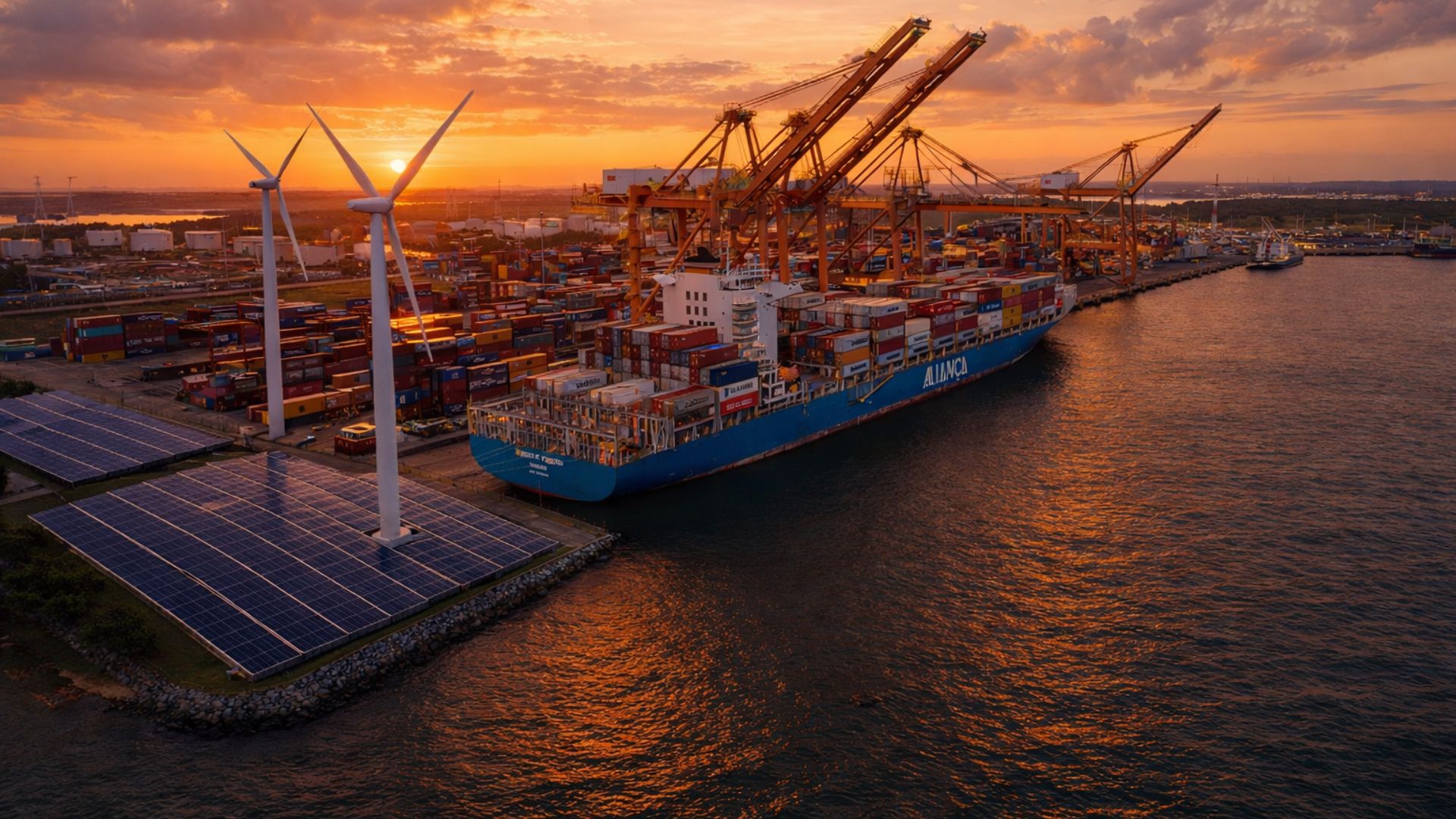
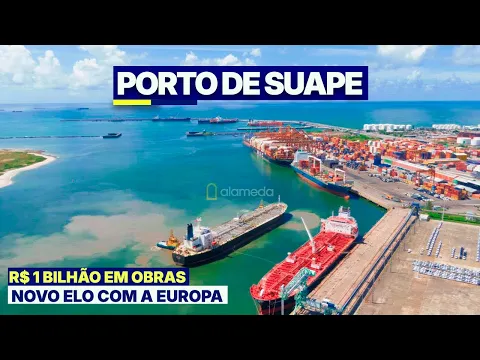
Port of Suape Advances in Modernizing the Port Complex by Expanding the Use of Clean Energy and Renewable Sources, Strengthening the Energy Transition and Reducing Environmental Impacts.
The announcement made by the Port of Suape on February 5, 2026, marks a significant advance in the environmental agenda of the Brazilian logistics sector. The industrial port complex, located in the Metropolitan Region of Recife, Pernambuco, confirmed that it is accelerating its energy transition with the goal of achieving 50% clean energy in its electrical matrix within this semester. This initiative reinforces the institutional commitment to sustainability, energy efficiency, and carbon emission reduction, aligning the enterprise with global trends in decarbonization and port infrastructure modernization.
Port of Suape Expands Use of Clean Energy and Strengthens Energy Transition Strategy
Right from the first information released, it becomes evident that this movement is not just an administrative goal. It is a structural strategy involving energy planning, technology, and environmental responsibility. The announcement highlights concrete numbers, application areas, and parallel projects that demonstrate consistency in the port’s energy evolution plan.
Currently, the Port of Suape already operates with 35.95% clean energy from renewable sources, a figure considered significant when compared to other Brazilian ports. This percentage reveals that the energy transition is not just a future projection but a current reality within the daily operation of the enterprise.
-
A study reveals the expansion of renewable energy procurement in Brazil and shows how companies are taking advantage of opportunities to reduce expenses, ensure energy efficiency, and strengthen strategic environmental commitments.

-
Mato Grosso do Sul excels in the sugar-energy sector: the state reaches a milestone of 22 operating mills and accelerates the production of clean energy in MS with a focus on sustainability.

-
National energy dilemma: Brazilians support clean energy but reject increases in tariff costs to finance the sustainable transition.
-
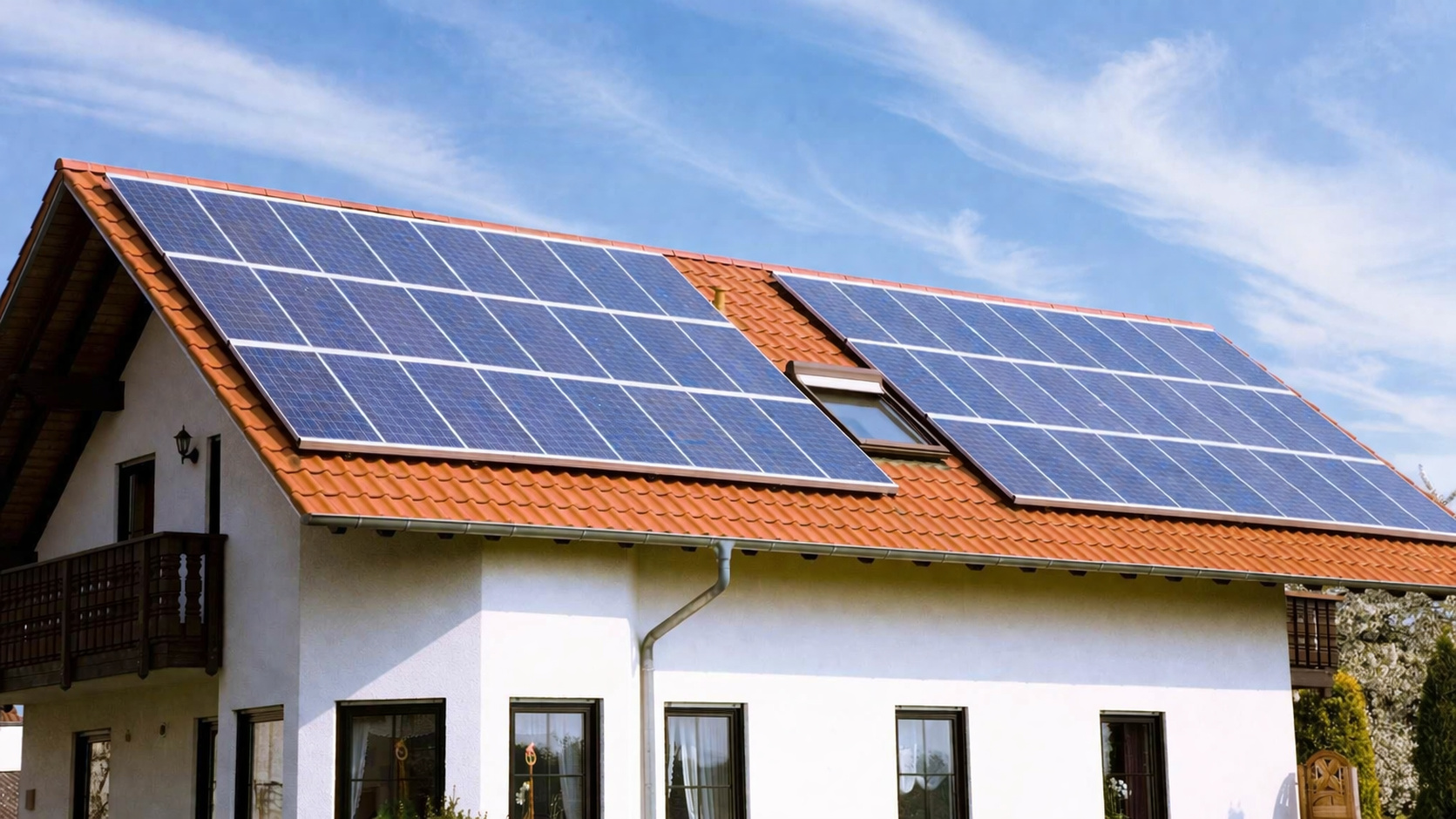
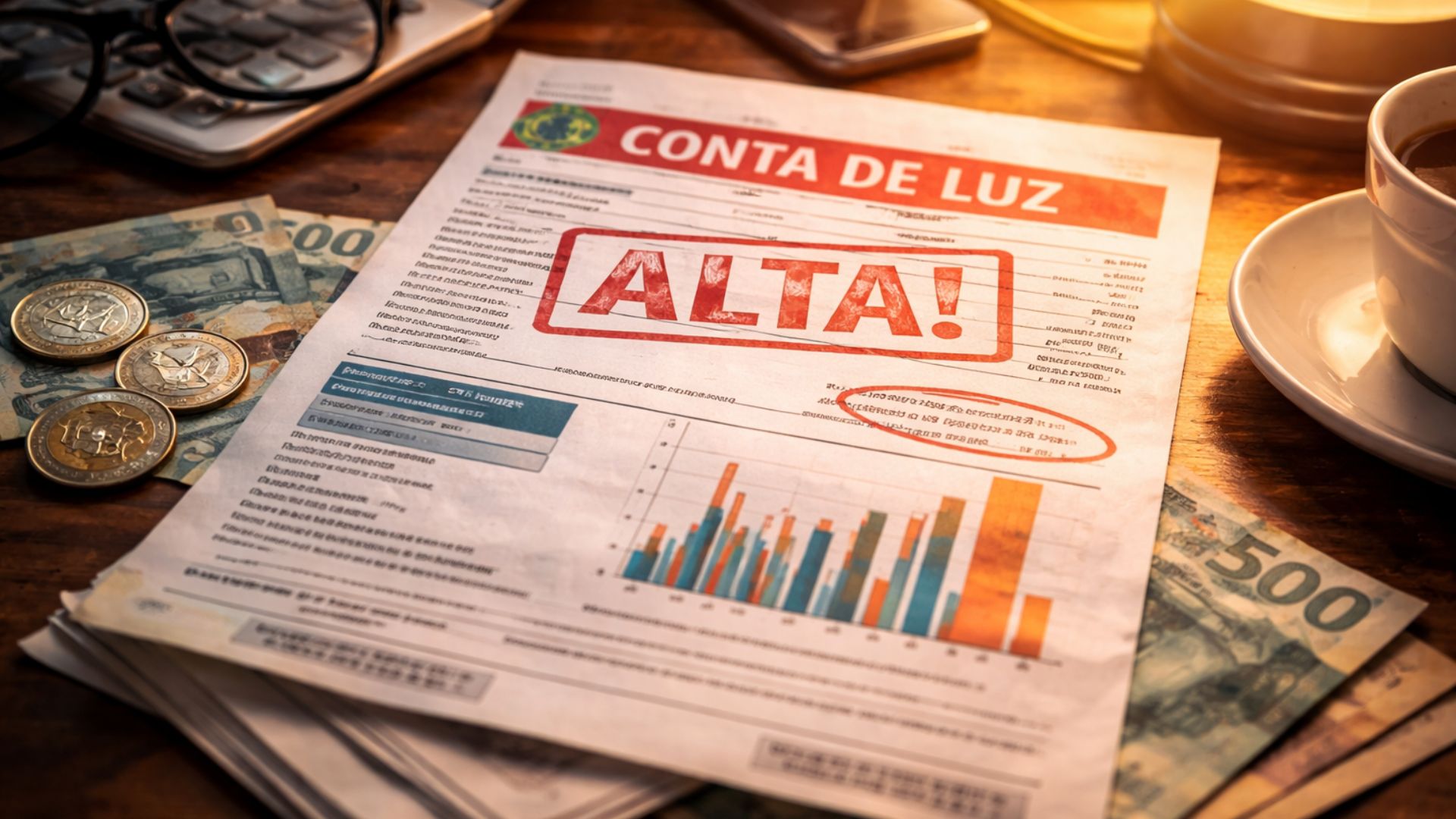
Research indicates that Brazilians support clean energy and wish to advance in the energy transition, but reject paying more on their electricity bill, showing a direct conflict between cost and sustainability.

The growth of clean energy within the electrical matrix reduces direct environmental impacts and improves predictability of operational costs. Furthermore, the planning to reach 50% within the same semester demonstrates a proactive stance aligned with market demands, especially in light of the increasing international pressure for more sustainable logistics chains.
Another important point is that the increased use of renewable sources is not limited to a single operational area. It occurs in a distributed and planned manner, ensuring that the energy infrastructure keeps pace with the growth of port activities without compromising efficiency.
Port Complex Directs Renewable Sources to Areas of Higher Operational Consumption
The port complex in Pernambuco has adopted a strategy focused on areas with higher electrical demand. The areas supplied by renewable sources include the administrative center, Wharfs 1, 4, and 5, the Public Vehicle Yard, and the Port Authority Building. These structures concentrate a significant part of the administrative and logistical activities, making the energy replacement even more relevant.
The estimated annual consumption in these units is approximately 1.46 GWh per year, an amount equivalent to the monthly consumption of about 7,300 low-income households, considering an average of up to 200 kWh. This comparison helps to gauge the real impact of the energy shift within the Port of Suape.
Moreover, the choice to prioritize these spaces demonstrates a technical planning aimed at maximizing results. The energy replacement in these areas has an immediate impact on emission reduction and enhances the environmental return on investment. Consequently, the adopted model is likely to become a reference for other logistics terminals seeking to implement sustainable practices.
Smart Technology Transforms Energy Efficiency Within the Port of Suape
Another fundamental aspect of the sustainable advance involves technological innovation. The Port of Suape has implemented a smart lighting system at Wharf 5 and the vehicle yard, capable of automatically adjusting the light intensity according to operational needs. This mechanism reduces waste, increases equipment durability, and improves safety in serviced areas.
The estimated savings reach 60% in energy consumption in these regions, a number that highlights how technology can be a direct ally of the energy transition. Energy efficiency ceases to be just a concept and becomes a measurable practice.
Additionally, automated systems contribute to a more precise resource management, allowing for quick adjustments based on demand variations. This digitalization of energy consumption represents an important structural advance and reinforces the positioning of the port complex as an environment of continuous innovation.

Renewable Sources Drive Environmental Preservation
The advancement of renewable sources within the territory of the Port of Suape is also linked to long-term environmental projects. One of the most significant examples is the Suape Forest Nursery, which operates entirely with solar energy and has the capacity to produce around 450,000 seedlings per year.
The territory of the port complex comprises 17,300 hectares, of which 59% are included in the Ecological Preservation Zone (ZPEC). This balance between economic development and environmental conservation is one of the pillars of the adopted model. The integration of clean energy production and natural preservation enhances the institutional image of the port and broadens its national recognition.
Furthermore, the forest nursery directly contributes to reforestation, recovery of degraded areas, and environmental education programs. Consequently, clean energy ceases to be just a supply source and plays a role as a structuring element of broader environmental policies.
Energy Transition Strengthens Logistic Competitiveness at the Port of Suape
The energy transition promoted by the port complex not only impacts the environment but also generates significant economic and strategic effects. Ports that invest in clean energy tend to attract companies looking for sustainable production chains, expanding commercial opportunities and strengthening international relations.
Moreover, responsible environmental practices reduce regulatory risks and enhance institutional reliability. Sustainability becomes a competitive differential, not just a legal obligation. This movement aligns with a global trend where energy efficiency, environmental responsibility, and technological innovation become decisive criteria for logistic investments.
Another important aspect is that the adoption of renewable sources contributes to the predictability of operational costs in the medium and long term. Reducing dependency on conventional matrices minimizes financial fluctuations and strengthens the budgetary stability of the enterprise.
An Strategic Step That Redefines the Energy Future of the Port of Suape
The energy advancement of the Port of Suape represents more than an administrative goal; it is a structural transformation with environmental, economic, and institutional impacts. The combination of clean energy, technological innovation, increased use of renewable sources, and consistent environmental policies demonstrates strategic maturity.
The port complex in Pernambuco shows that it is possible to unite logistical growth and environmental responsibility without compromising operational performance. Furthermore, the goal of achieving 50% renewable energy participation reinforces a continuous commitment to modernization and carbon emission reduction.
In summary, the Port of Suape establishes itself as a national reference in port energy transition. The adopted model shows that sustainability, efficiency, and innovation can walk together, creating a favorable scenario for economic development aligned with environmental preservation and international competitiveness.









Seja o primeiro a reagir!