





 Português
  Inglês
  Espanhol
  3 min de leitura


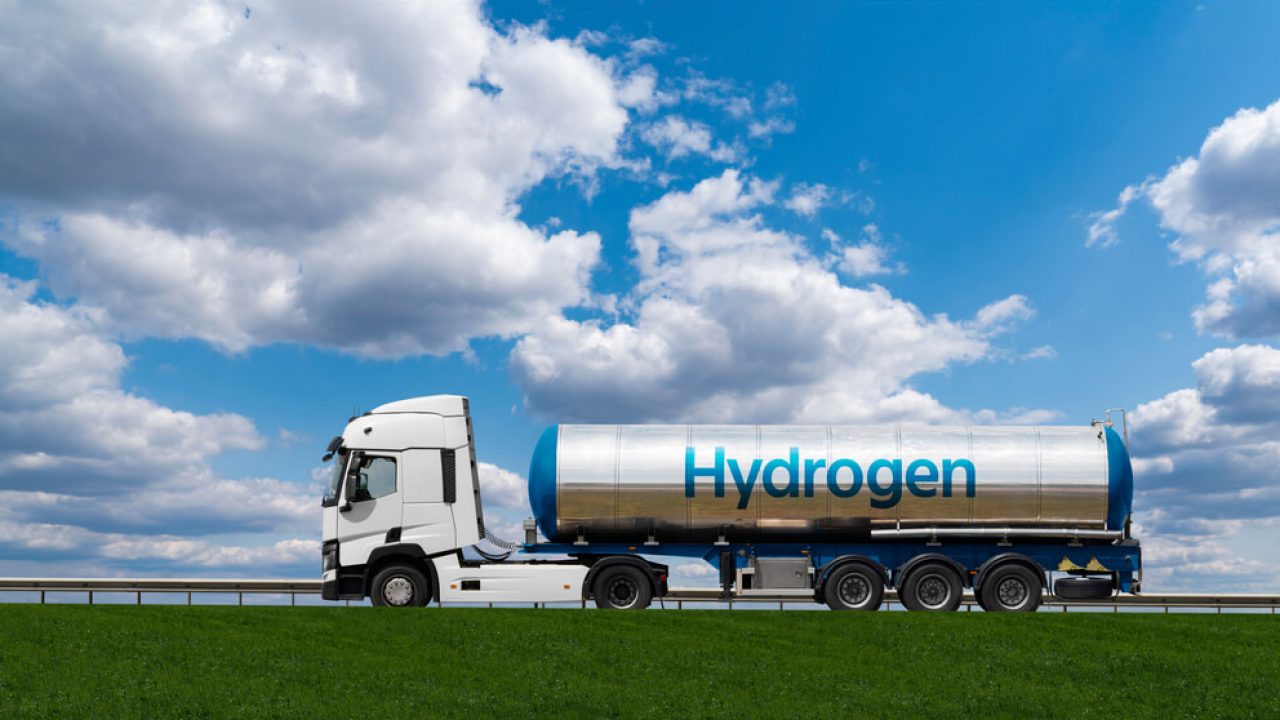
Port of Açu (RJ), in partnership with Shell, expects to start producing a pilot plant using green hydrogen in 2025, according to Fernanda Sossai, General Manager of Port Development and Port ESG.
During a panel discussion on decarbonization and energy transition at the 29th CooperaPortos port event, the development of the technology will take place in Brazil, making the project “technically and economically viable.” With the implementation of green hydrogen, it is possible for ports to use nitrogen fertilizers such as green ammonia and soft steel. However, there is still no forecast for when these alternatives may be used.
Research and Development
Last week, the port signed a memorandum of understanding with Neoenergia and Prumo to conduct research for the production of green hydrogen on site. A recent survey by CNI (National Confederation of Industry) pointed out that Port of Açu is currently one of three countries working with industrial complexes and energy companies to develop green hydrogen projects.
Additionally, the ports of Pecém (CE) and Suape (PE) are included. At the end of August, the port of Suape made a public call for companies interested in installing green hydrogen plants in the state to come forward. This alternative has been a major bet for the energy transition in the port sector, as the product can be produced from renewable sources such as solar and wind and does not emit greenhouse gases.
-
OMODA & JAECOO grows in Europe in 2026 with an integrated strategy of sales, innovation, local production, and technological advancement in the United Kingdom, Italy, and Spain.

-
OMODA & JAECOO expands after-sales service in Brazil with competitive maintenance, a 7-year warranty, and high availability of parts for technological SUVs.
-
OMODA & JAECOO appoints Alessandra Souza as executive marketing director in Brazil and accelerates brand expansion with a focus on innovation, networking, and hybrid portfolio.

-
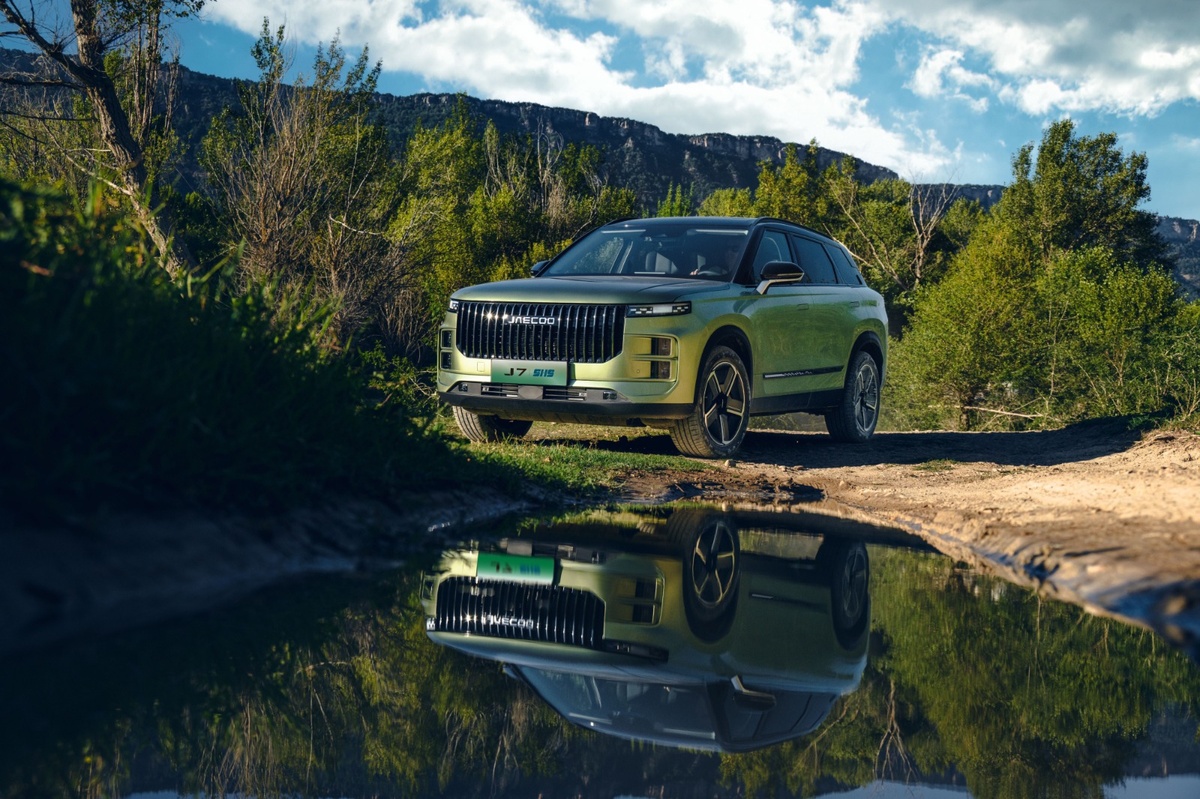
Jaecoo 7 with super hybrid SHS system exceeds 1,200 km of combined range with a 1.5 turbo engine, high-density battery, and intelligent energy management.

Learn More About Green Hydrogen
Green hydrogen is produced from renewable or low carbon energy sources and has significantly lower carbon emissions than gray hydrogen, which is produced by steam reforming natural gas, accounting for the majority of the hydrogen market. This material produces less than 0.1% of the total hydrogen produced by water electrolysis. It could be used to decarbonize hard-to-electrify industries such as steel and cement production, to help limit climate change.
The high cost of production is the main reason for the low uptake of green hydrogen. However, the hydrogen market is expected to grow. In 2020, large European companies announced plans to switch their truck fleets to hydrogen. Green hydrogen can be blended into existing natural gas pipelines or used to produce green ammonia, an important ingredient in fertilizer production.
Green Hydrogen in Brazil
Brazil’s energy matrix is considered one of the cleanest in the world. Experts emphasize the country’s potential for green hydrogen production. Research conducted in the country indicates that biomass (such as starches and sewage treatment plant waste) can be processed and converted into green hydrogen.
Australian Fortescue Metals Group plans to install a green hydrogen plant near the port of Pecém in Ceará, with an initial operation forecast for 2022. In the same year, the Federal University of Santa Catarina announced a partnership with the German Deutsche Gesellschaft für Internationale Zusammenarbeit for the production of H2V.
Unigel plans to build a green hydrogen/green ammonia plant in Camaçari, Bahia, expected to be operational in 2023. Initiatives in this area are also maintained in the states of Minas Gerais, Paraná, Pernambuco, Piauí, Rio de Janeiro, Rio Grande do Norte, Rio Grande do Sul, and São Paulo.










Seja o primeiro a reagir!