





 Portuguese
  English
  Spanish
 4 min of reading
  2 comments


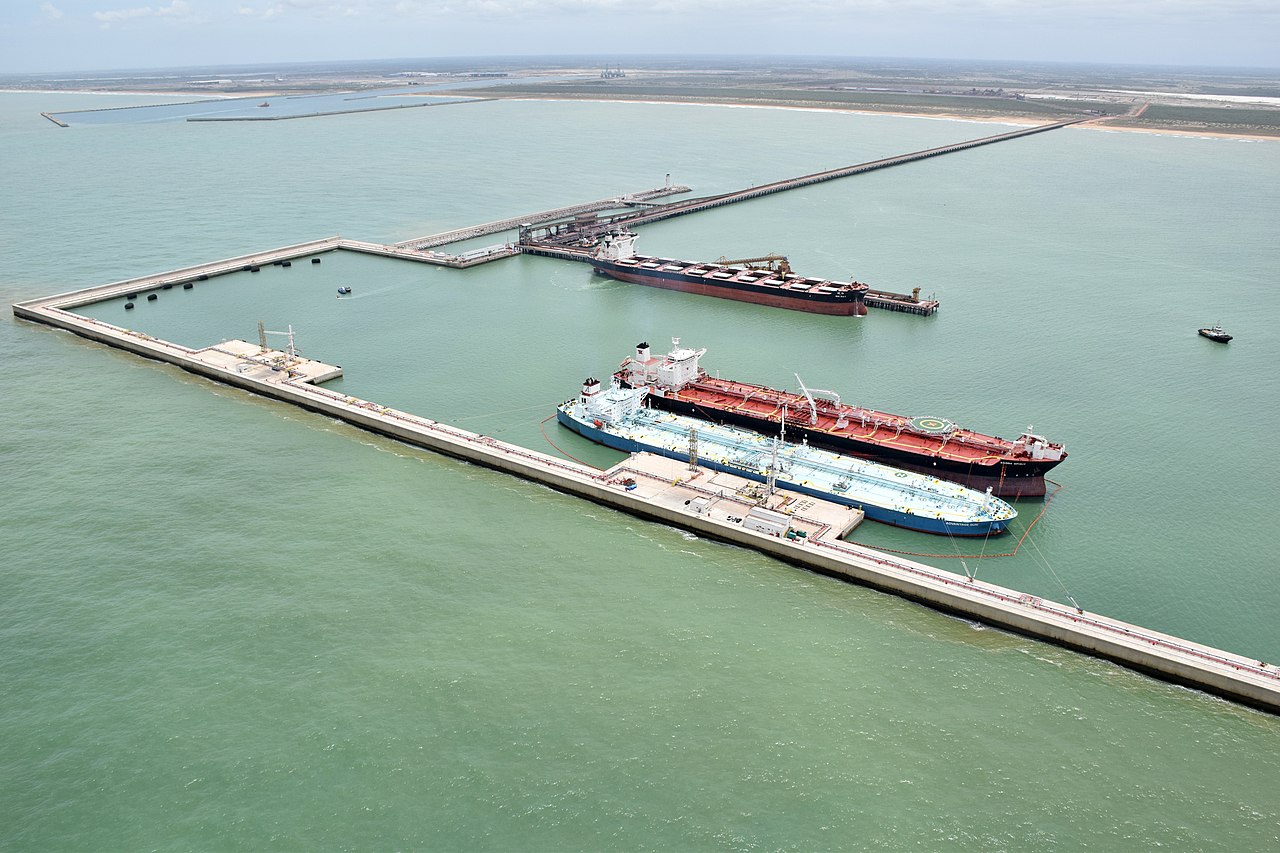


At The Açu Port, From Prumo Logística, There Is A New Route For Exporting Grains From The Midwest Of Brazil. The Açu Port Is Becoming An Alternative To Santos And Paranaguá. The Company Plans To Triple The Grain Volume In 2 Years With Reduced Waiting Times. An Investment Of R$ 100 Million In Grain Docks.
When We Talk About Draining Grains From The Midwest, The Image Of Long Roads, Trucks, And Busy Ports Always Comes To Mind. But The Açu Port From Prumo Logística Is Opening An Alternative That Seemed Unlikely: Receiving Corn From Mato Grosso With Much Shorter Wait Times Than Traditional Ports.
This New Development Affects Those Who Work In Agribusiness, Those Who Plant, Transport, Or Export, Because It Can Change Part Of The Game. It’s A Hint That There Are More Paths For The Producer, For Those Who Manage Transportation Costs, And For Those Who Depend On Logistics To Gain Competitiveness.
Next, It Becomes Clear What Is Happening At The Açu Port, Why It Matters, What Has Already Been Accomplished, And What Lies Ahead, According To An Article Published On Neo Feed.
-
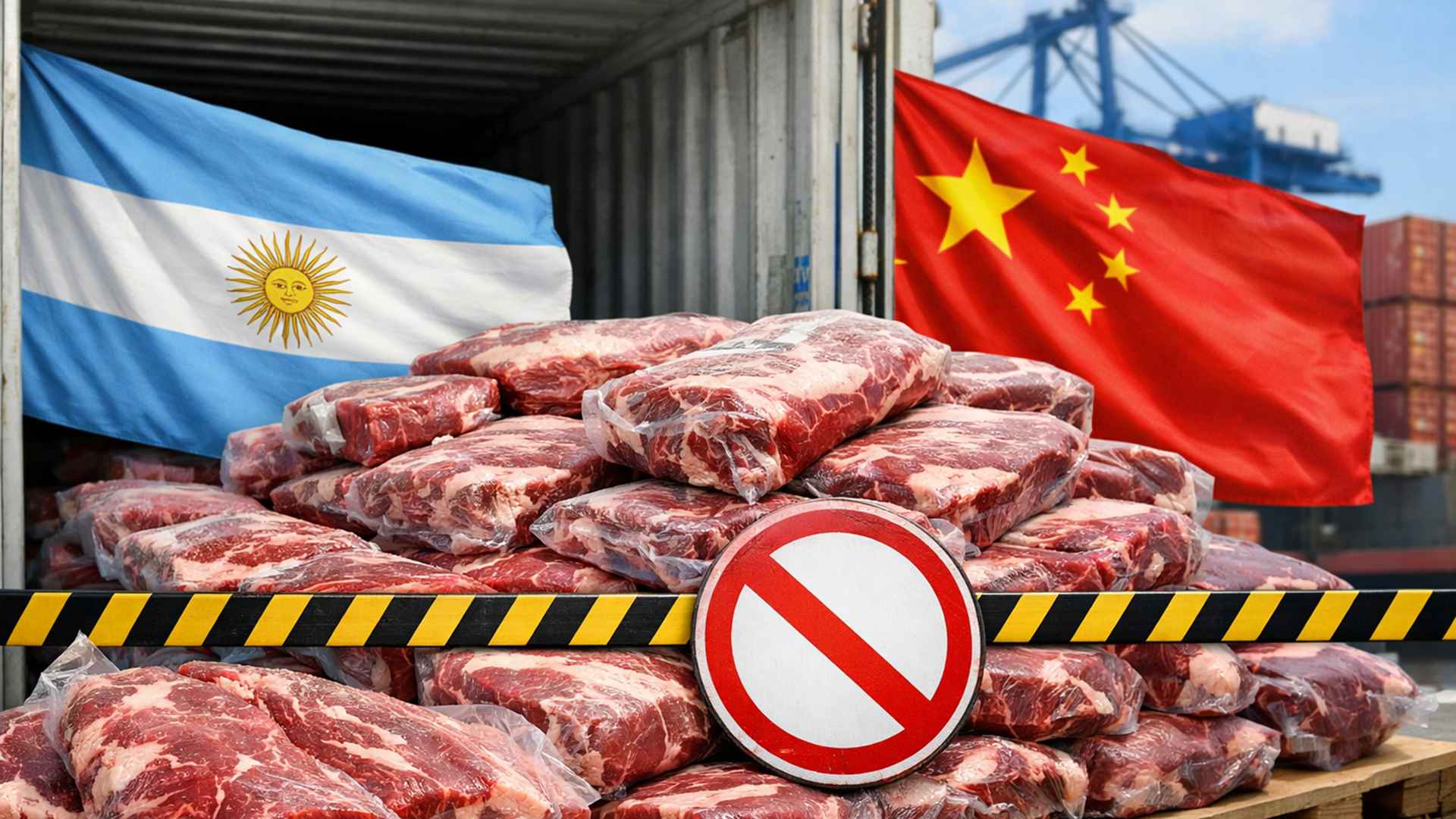
China banned the export of 22 tons of meat from Argentina.
-
Unemployment rises again to 5.8% at the beginning of 2026, raising alarms about the end of temporary positions and its impact on the Brazilian job market.

-
Document organization can cut invisible costs in small businesses, a simple step that prevents waste, rework, and losses in daily operations.

-
While Russia dominates the global wheat market, Brazil emerges as an unexpected competitor in the Cerrado, offering grain available in July and August when stocks in the Northern Hemisphere are at their lowest point of the year.


What Has Become News At The Açu Port
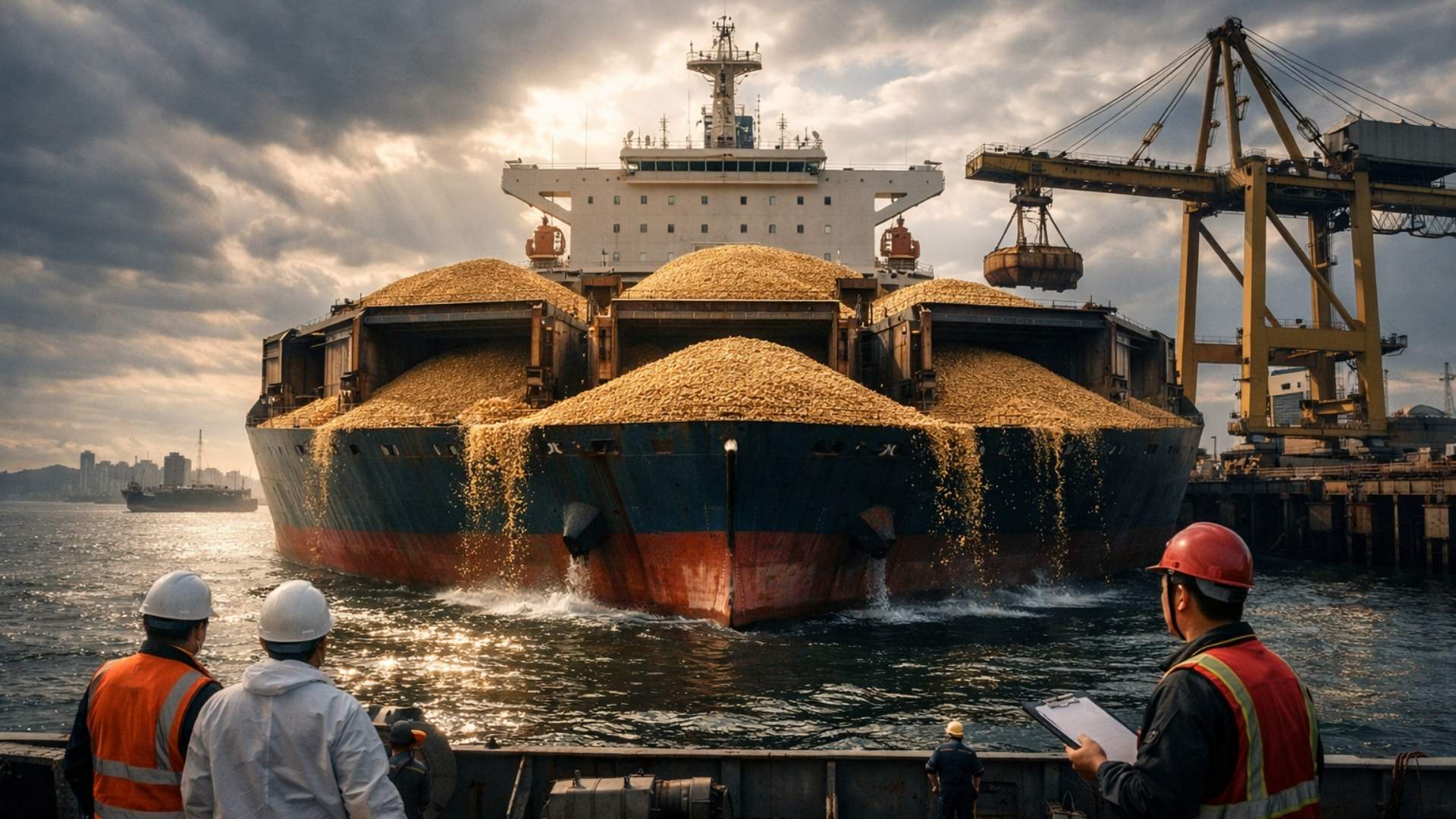
The Açu Port Is Operating Grain Exports From Mato Grosso, Minas Gerais, And Goiás. For The First Time, At The Beginning Of September, A Cargo Of 25,000 Tons Of Non-GMO Corn From Mato Grosso Arrived.
Traditionally, Santos (SP) And Paranaguá (PR) Handled The Majority Of The Grains. The Açu Port Did Not Usually Participate In This Heavy Grain Trade.
Prumo Logística, The Owner Of The Açu Port, Realized It Could Utilize Part Of Its Infrastructure For This Purpose. For Example: The Waiting Time For Ships To Dock. In Some Ports, It Can Be Up To Sixty Days. At The Açu Port, The Wait Was Three Days For This Cargo From Mato Grosso. This Significantly Affects The Final Cost Of The Product.
How Much It Represents Today In Grain Production
The Volume Of Grains Handled By The Açu Port Is Still Small: Almost One Million Tons. This Number Is Close To 1% Of The Total Loads Of The Port Complex. Despite This, There Are Plans To Triple This Volume To About 3 Million Tons Within Two Years.
There Are Also Projections To Reach 12 Million To 15 Million Tons Per Year When The EF-118 Railroad Is Ready. The Railroad Is In The Design Phase With The National Land Transportation Agency (ANTT). The Expectation Is To Auction The Concession By The End Of This Year And, Once Built, It Will Take At Least Four Years.

Investments In Agribusiness And Available Infrastructure
To Support Growth At The Açu Port, Prumo Logística Has Already Invested R$ 100 Million To Build Two Docks Primarily For Grains.
These Docks Will Allow Two Panamax Ships, Medium-Sized Bulk Carriers, To Be Loaded At The Same Time, Each With A Capacity Of 75,000 Tons. This Will Increase Loading Capacity.
Currently, The Açu Port Has About 30 Docks For Various Types Of Handling. There Is Space To Build At Least 40 More Docks. This Indicates There Is Room For Physical Growth Of The Structure If Necessary.
Another Important Aspect Is Logistic Access. CEO Rogério Zampronha Emphasizes That The Açu Port Has Two Routes For Incoming Cargo. One Is For Oil And Ore, And The Other Is For Other Cargo. This Reduces Competition For Truck Access To Carry Grains, Making The Operation Smoother.
Financial Challenges And Future Goals For Prumo Logística
Prumo Logística Has Invested R$ 22 Billion In Infrastructure And Facilities Since It Started Operating 11 Years Ago. There Is A Financial Debt Of R$ 14.1 Billion To Third Parties At The End Of The First Half.
There Are Also R$ 845 Million Due In Up To 12 Months. Additionally, There Are R$ 2.3 Billion In Loans With Related Parties, Controlling Entities, And Subsidiaries.
These Debts In Brazilian Reais Have Maturity Dates Ranging From 2026 To 2035 And Are Linked To The CDI Or IPCA. The Weighted Average Spread Is 15.60% Per Year. For Dollar-Denominated Debts, There Is A Natural Hedge Because Some Of The Company’s Revenues Are In Dollars.
In Terms Of Operating Results, Prumo Achieved An Ebitda Of R$ 814 Million In The First Half Of This Year, A 29% Increase Over The Same Period Last Year. Revenue Stood At R$ 950.7 Million, An Increase Of 28.2%. The Profit Was R$ 142.7 Million.
The Goal Is Clear: To Triple The Volume Of Grains Exported In Two Years (Reaching 3 Million Tons) And With The EF-118 Railroad Completed, Expand To 12-15 Million Tons Per Year.







Vai esperar pelo governo, talvez demore muito ou não saia do papel. Porque não fazer com investimento privado, é mais rápido.
çok yararlı bir paylaşım olmuş teşekkür ederim çok işime yarıcak.