





 Português
  Inglês
  Espanhol
  3 min de leitura
  0 comentários


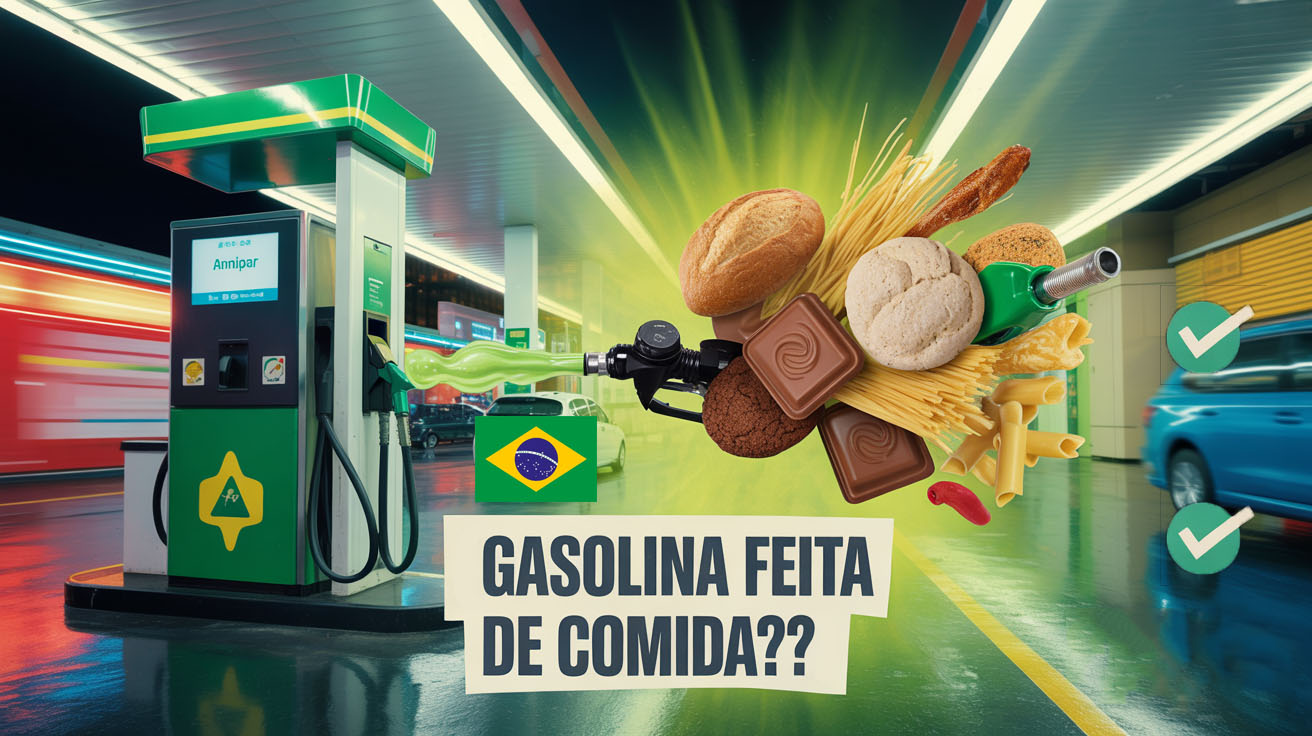
Brazilian Multinational Innovates by Turning Food Industry Waste into Sustainable Ethanol, Supplying Part of Its Fleet and Receiving International Recognition for Innovative Environmental Solutions.
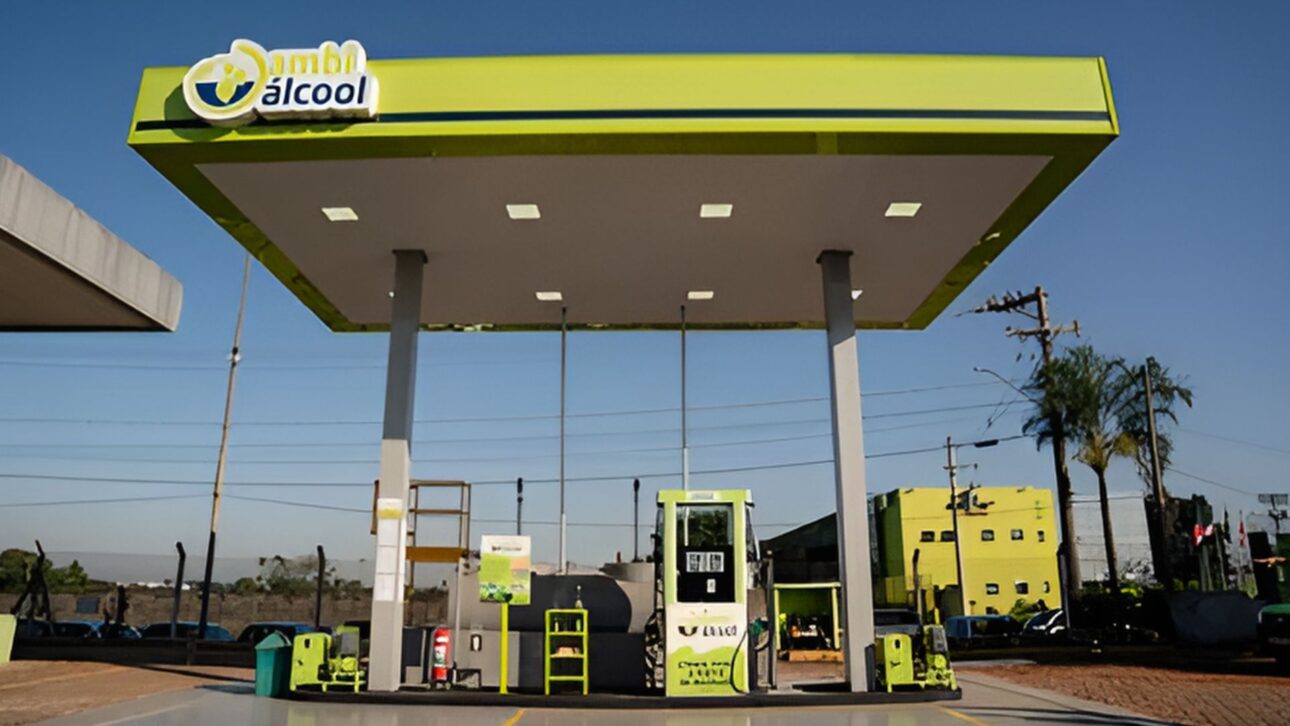
Ambipar, a Brazilian multinational specializing in environmental solutions, has launched an unprecedented initiative in the sector by inaugurating in Nova Odessa (SP) the country’s first fuel station offering ethanol produced from food waste.
The project, named Ambiálcool, aims to supply part of the company’s light vehicle fleet using fuel generated from leftovers of the food industry, such as candies, bread, cookies, and chocolates, adding value to waste that previously had limited and potentially polluting destinations.
Production of Sustainable Ethanol from Food Waste
The Ambiálcool project emerged in 2021, during the peak of the COVID-19 pandemic, in response to the need to find alternatives for the sustainable disposal of sugar-rich waste from industrial processes and quality control.
-
Brazilian city gains industrial hub for 85 companies that is equivalent to 55 football fields.

-
Peugeot and Citroën factory in Argentina cuts production by half and opens a layoff program for more than 2,000 employees after Brazil drastically reduced purchases of Argentine vehicles.
-
A Brazilian city gains a factory worth R$ 300 million with the capacity to process 200 thousand tons of wheat per year, a mill of 660 tons/day, silos for 42 thousand tons, and an industrial area of 276 thousand m².
-
Havan will leave the shopping mall in Blumenau to inaugurate something that the chain has never done before: a megastore in half-timbered style in the Historic Center of the city, which is expected to be completed in May and change the landscape of local retail.

As a result, Ambipar began collecting food sector waste with a high sugar content, above 35% Brix, taking advantage of items deemed unsuitable for consumption but with high energy potential.
In practice, each ton of this waste can generate between 200 and 350 liters of concentrated alcohol after processing in fermenters and distillers installed at a partner facility of Ambipar in the countryside of São Paulo.
The final volume obtained varies depending on the concentration of starch and sucrose present in each batch of waste.
According to Gabriel Estevam, environmental engineer and corporate director of research, development, and innovation at Ambipar, the project represents an effective alternative to transform waste into high-value raw materials, minimizing the environmental impact of conventional disposal.
Initiative Strengthens Circular Economy and Reduces Environmental Impacts
The traditional disposal of this waste, usually carried out in landfills or through composting, is no longer the only alternative, as they can now be converted into ethanol for vehicle fuel.
By redirecting these materials for fuel production, Ambipar enhances circular economy practices and strengthens its corporate sustainability agenda.
The Ambiálcool project has already produced at least 500,000 liters of alcohol in different concentrations since its inception.
Of these, some are used for cleaning and sanitizing — with versions of 46% and 70% — and some are converted into fuel ethanol.
The process occurs under strict quality control, complying with the requirements of regulatory and environmental agencies.
Currently, more than 500 tons of food industry waste are processed monthly, representing a significant reduction in the volume of waste sent to less noble destinations.
Brazil Expands Energy Matrix with Ethanol from Alternative Sources
The investment in secondary sources, which would normally be discarded, differentiates Ambiálcool from the predominant model in Brazil, which bases ethanol production on sugarcane.
This innovation contributes to the diversification of the national energy matrix and reinforces the country’s position as an international benchmark in bioenergy and environmental sustainability.
International Recognition for Brazilian Environmental Solutions
In May 2025, Ambipar’s initiative was recognized internationally by winning the Green Product Awards in the Audience category.
The ceremony, held in Berlin, Germany, highlighted the project among more than 1,500 entries from 45 countries, giving Ambiálcool a prominent place in the Green Trend Book 2025, which features the main innovations in sustainability on the global stage.
According to the information, the Brazilian project received more than 50,000 votes, becoming the only representative from Latin America to achieve such recognition in this edition.
The previous year, in November 2024, Ambiálcool was also awarded by The Green Organisation in the United Kingdom during the The Green Apple Awards ceremony, an event that values the best environmental practices implemented by companies and organizations on an international scale.
This award reinforced the credibility and relevance of the Brazilian initiative, positioning Ambipar among the leading global agents in the environmental sector.
Would you trust fueling your car with ethanol made from food waste? Could this new fuel damage the engine, or is it as safe as traditional fuels?








Seja o primeiro a reagir!