





 Portuguese
  English
  Spanish
 3 min of reading


With The Potential Of Electric Cars Rising In The Automotive Market, Companies Have Started Launching Their New Prototypes With An Eye On Competition, Offering Advanced Technology, Combined With Comfort And Zero Fossil Fuel Consumption.
The electric cars are silent and refined, comfortable to drive, emit zero emissions, and are incredibly fast in a straight line, which is why the potential for electric cars is only set to grow.
It is with this in mind that the RN22e from Hyundai is announced by the company, a fully electric vehicle with about half a ton of batteries.
Discover The Potential Of Hyundai’s Electric Cars
Behind the stylish suede steering wheel are paddle shifters and there is even a button to activate drift mode. Clearly, this is not an ordinary electric car. Before I knew it, the accelerator pedal was pressing down, and the car was heading toward turn one, sounding like a crazy spaceship. This is thanks to 430 kW and 740 Nm of electric power, a top speed of 260 km/h, and a 0 to 100 km/h time of less than four seconds.
-
Engineers propose a fourth traffic light for intersections – the change promises to affect crossings, queues, and waiting times.

-
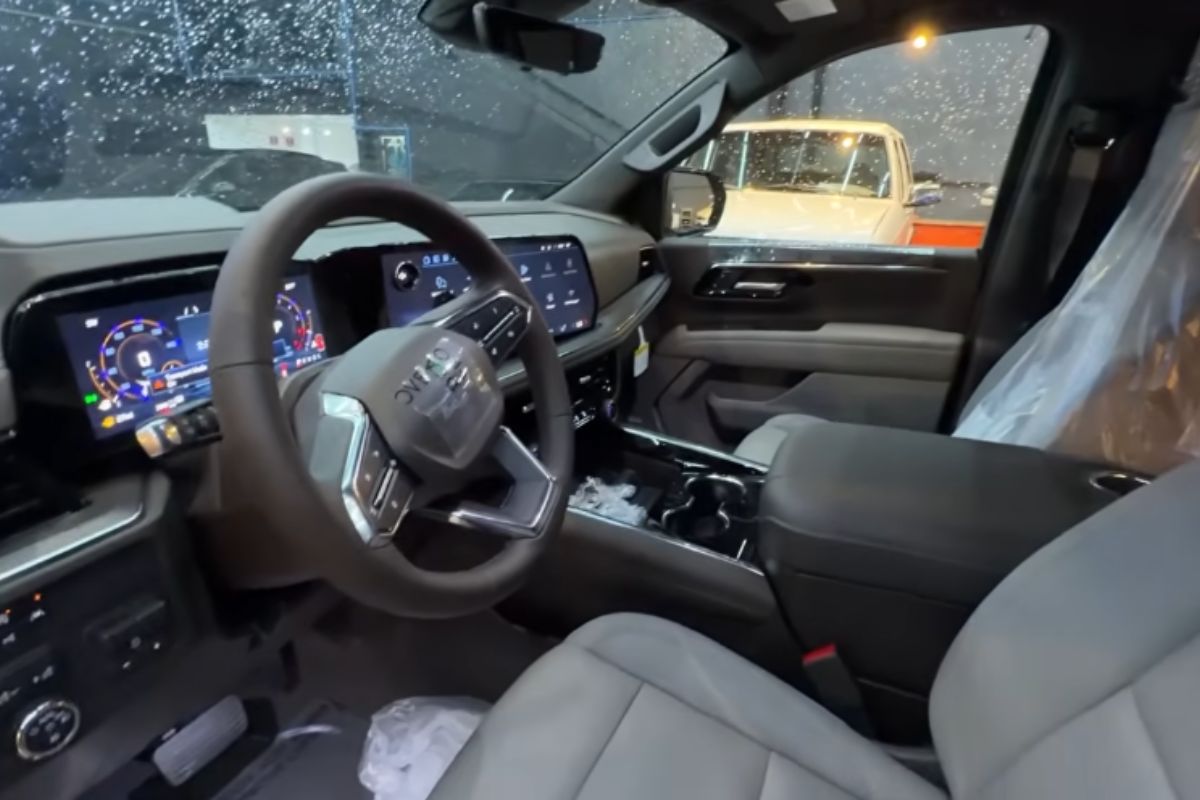
Chevrolet Suburban Z71 lands in Brazil with a V8 engine, off-road design, air suspension, seven seats, and colossal size, a rare version imported for around R$ 1.3 million with luxury and exclusivity.
-
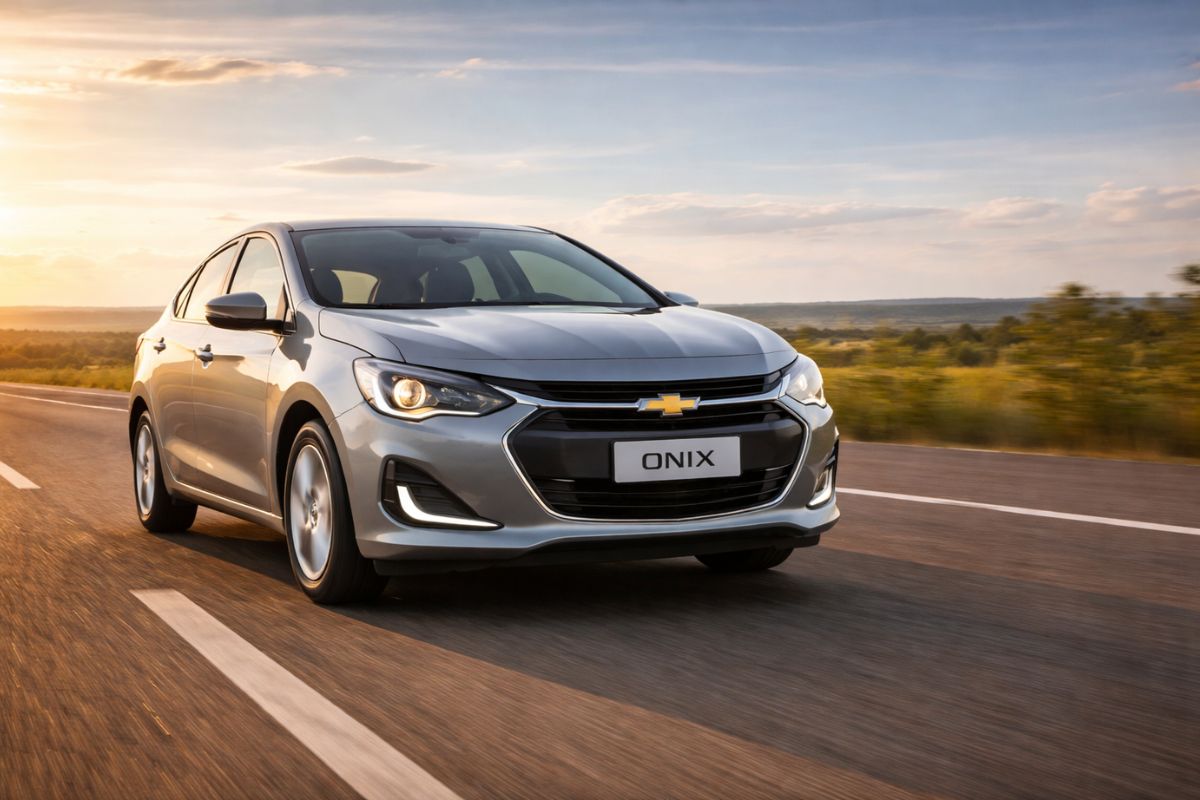
The Chevrolet Onix 1.0 turbo achieves 17.7 km per liter on the highway and ranks among the three most economical cars in Brazil in 2026, alongside two more expensive Toyota hybrids available at dealerships.
-
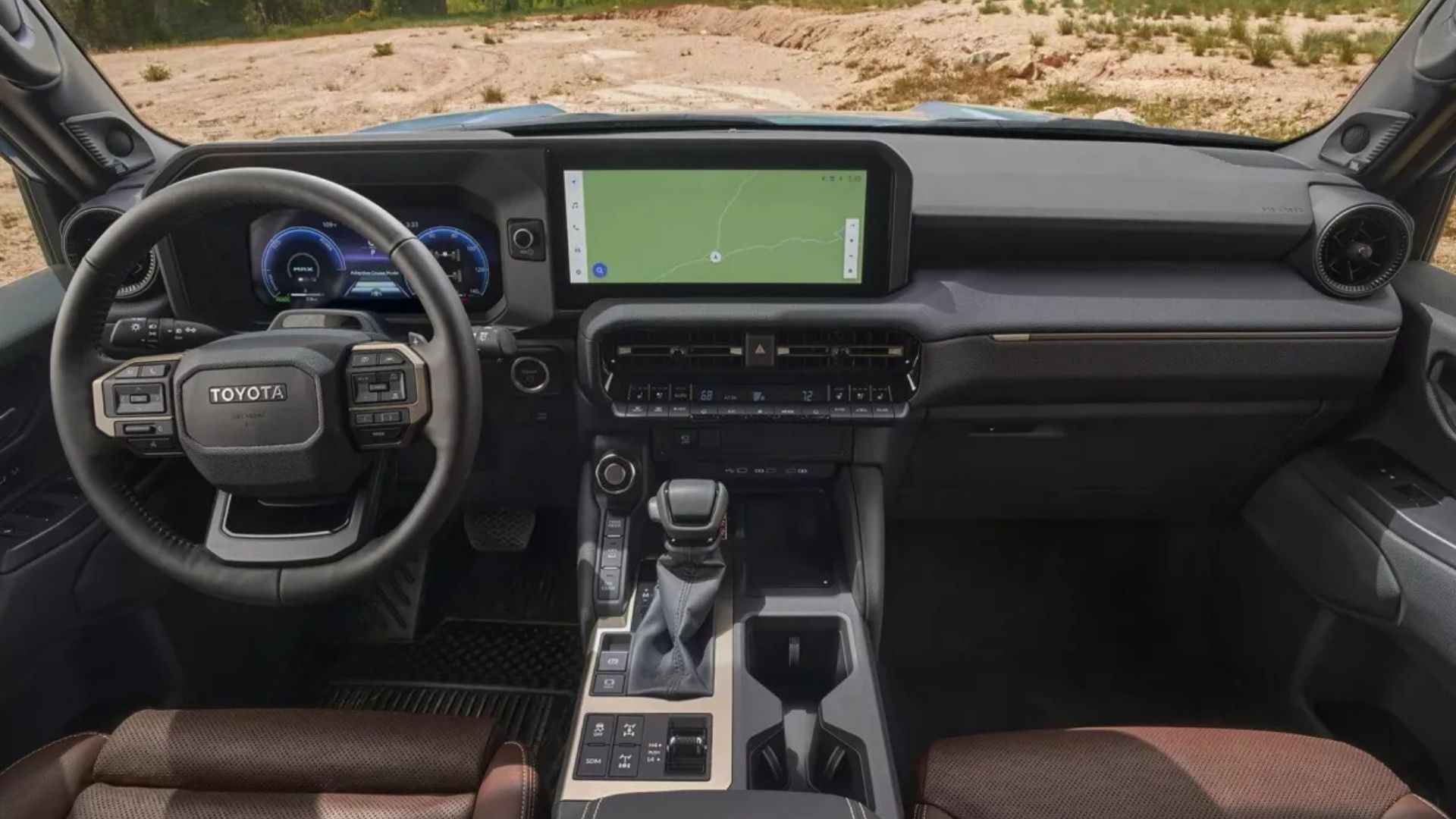
Little sister of the Hilux: Toyota launches Land Cruiser FJ with 4 radical versions, 2.7 engine with 166 hp and 4×4 traction with locking.

Well, underneath the fiercely aerodynamic body of the RN22e is basically a Hyundai Ioniq 5N. The hot hatch EV enters production in August 2023, so in 2024, you’ll be able to buy a drive like the RN22e for around US $ 100,000.
Although EVs are generally straightforward cars to point and click, Hyundai prioritizes proper driver engagement here. Drive a gasoline i30N or i20N and you’ll get to know the ‘N’ Learn about the fun and interaction of driving.
At the forefront of technology, there is a dual-clutch rear differential called e-TVTC, as Hyundai insists that anything with the N badge be a “cornering fiend.”
Let it turn, and the all-wheel-drive race car stays surprisingly flat, the steering responds quickly, and its rear offers a nice and manageable slide when you step on the accelerator. In sport mode, the N shift comes into play, engine noise increases, and you navigate through the “gears” like a true dual-clutch car, power drops with each shift, and there is a small jolt. This is a good measure.
Despite the tricks, it’s hard not to be excited about Hyundai’s track-performance EV. The Ioniq 6N sedan follows the 5N, its sleek body under the huge wings, diffuser, and side skirts of the RN22e. If you have a 350 kW ultra-fast charger handy, a Hyundai battery can charge from 10% to 80% in less than 18 minutes.
At the moment, you won’t find one of these on the track. There’s still a lot of work to be done, but Hyundai N’s efforts offer hope to driving enthusiasts facing a fully electric future. This prototype may look like a video game, with simulated gear shifts and fake sounds from the speakers, but the speed, the corners, and the smile on my face are very real. One thing is for sure, the Ioniq 5 N will not be boring.









Seja o primeiro a reagir!