





 Portuguese
  English
  Spanish
 5 min of reading
  0 comments


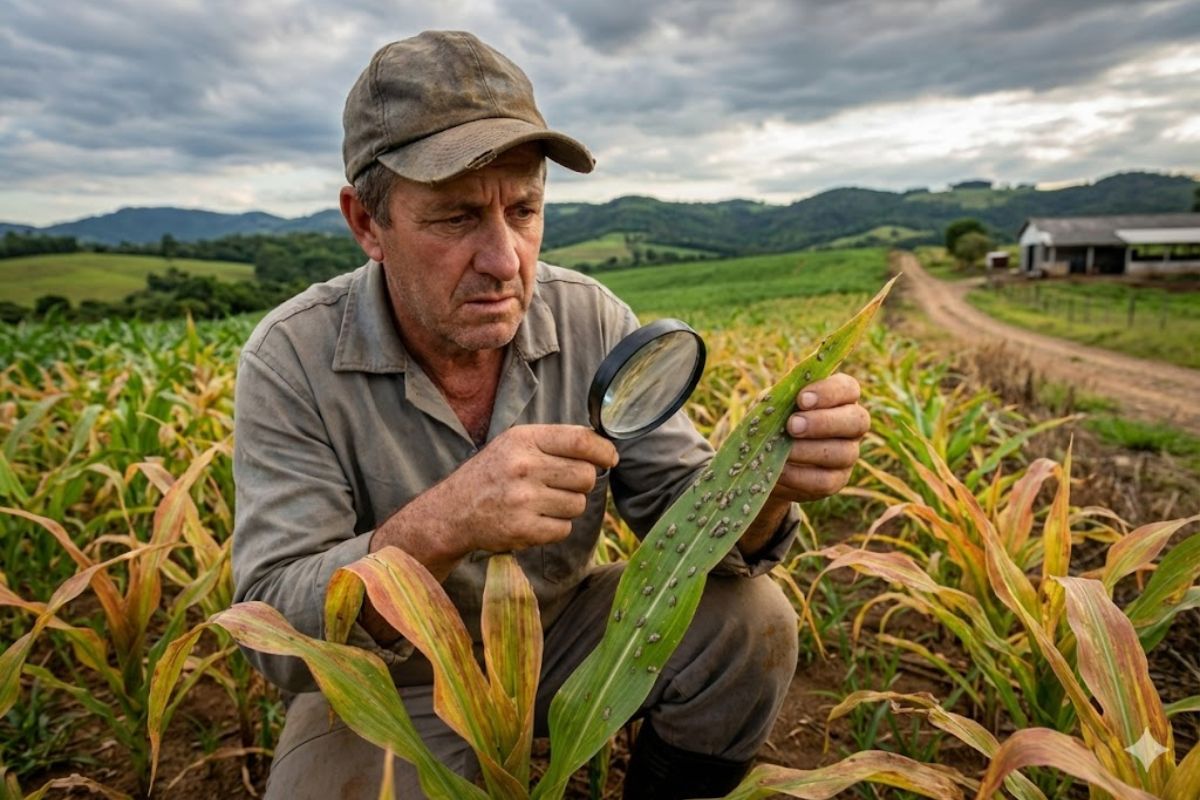
The Advancement Of The Corn Hopper In The Great West Of Santa Catarina, Measured By The Monitora Milho SC Program With An Average Of 16 Insects Per Trap, Brings Back The Stunting To Crops And Triggers The Alert For The Next Corn Harvest In Santa Catarina And Already Worries Producers In The Extreme West, Valley And South.
Between November 24 and December 1, 2025, a survey by the Monitora Milho SC program in 55 farms distributed throughout the state recorded a significant increase in the population of corn hoppers, the insect vector of pathogens associated with red stunting and pale stunting. The average of 16 hoppers per trap during the period puts the pest back at the center of concerns for research and corn producers in Santa Catarina.
The data released on December 10, 2025, shows that the Great West continues to be the most critical region, with the highest concentration of insects and recurring infections across different harvests. At the same time, the advancement of the corn hopper in areas of the Itajaí Valley and the southern part of the state raises a broader alert, with potential impact on the next corn harvest throughout Santa Catarina.
Great West Concentrates Highest Rates Of Corn Hopper

The survey indicates that the highest incidence of corn hoppers was recorded in the municipalities of Ipira, Tigrinhos, Saudades, and Guatambu, all located in the Great West of Santa Catarina.
-
They said no to 26 million dollars and would do it all over again: mother and daughter from Kentucky reject a million-dollar offer from a mysterious company that wants to build the largest data center in the state on more than 2,000 acres of rural land.

-
While corn requires rain and is expensive, sorghum produces almost the same volume per hectare at a cost up to 80% lower and uses less water, and it is revolutionizing dairy farming in the Triângulo Mineiro, where producers save hundreds of reais per hectare.

-
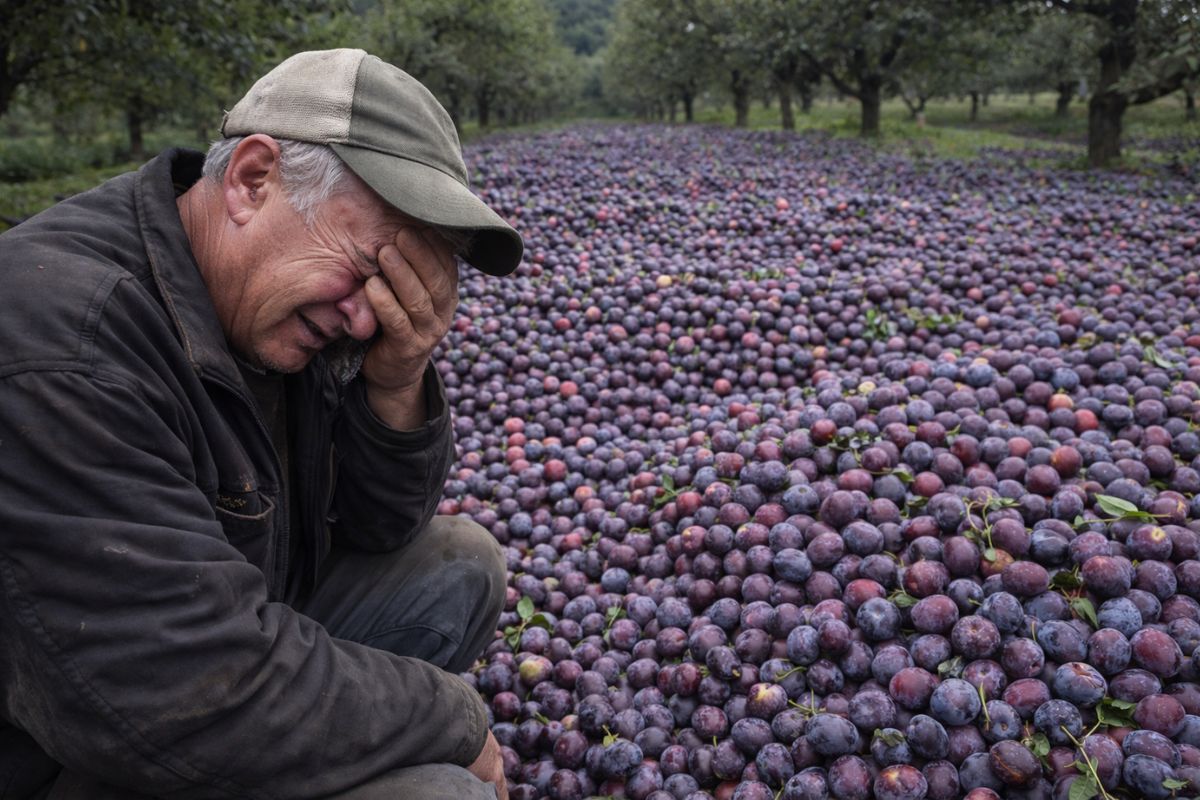
A rural producer from Urubici cries as he shows 50 tons of plums thrown on the ground because no one wanted to buy them, and in desperation, he records a video asking anyone to come to the property to pick the fruits before they rot.
-
Unable to pass through Hormuz, Brazil activated a plan B that uses Turkey as a gateway to the Middle East: the route through Gibraltar and the Mediterranean is longer and more expensive but ensures that chicken, beef, and corn continue to reach Arab markets.


In these areas, the combination of temperature, rainfall patterns, and succession of corn plantings favors the maintenance of high pest populations throughout the year.
However, the concern is not limited to the West.
Monitoring indicates an increase in the presence of corn hoppers in Benedito Novo, in the Itajaí Valley, and in Braço do Norte, in the southern part of the state, regions that reinforce the high mobility of the insect, capable of migrating quickly between crops and neighboring environments.
For researchers and technicians, this spreading increases the risk of stunting in areas that historically experienced lower pest pressure.
Red Stunting And Pale Stunting Return To The Radar
Laboratory analyses conducted with samples collected in the Extreme West confirmed the presence of the bacteria responsible for the phytoplasma of red stunting and for the spiroplasma of pale stunting, as well as viruses associated with the transmission of these diseases.
In practice, this means that the corn hopper is circulating with the main agents that reduce corn productivity, deform plants, and compromise cob formation.
The Extreme West remains the epicenter of concern precisely due to the recurrence of infections across different harvests.
In previous scenarios, the combination of high corn hopper populations with the presence of pathogens resulted in significant productivity losses, reduced the number of cobs per plant, and increased variability within the same field, with direct impacts on producer profitability.
Crops In V10 To R4 And Residual Risk In Vegetative Phase
According to researcher Maria Cristina Canale from Epagri Cepaf, responsible for monitoring, a large part of the Santa Catarina crops are already in advanced development stages, between V10 and R4.
This scenario indicates that the initial period of highest susceptibility to infection has been surpassed in most areas.
Still, the specialist emphasizes that there are crops that remain in the vegetative phase and, therefore, are still exposed to attacks from the corn hopper in more critical conditions.
In these cases, the risk of infection from the stunting complex remains high and can compromise final productivity, especially in properties that planted later or that maintain staggered planting.
Recommended Management Against Corn Hopper In Vegetative Areas


For farmers who still have corn crops in the vegetative phase, the technical guidance is to intensify the management of the corn hopper using a combination of different tools.
The recommendation includes the application of contact and systemic insecticides, associated with biological products whenever possible, focusing on controlling the insects that are migrating to the fields.
Another point emphasized by specialists is constant monitoring.
The count of hoppers in traps and plants serves as a thermometer to adjust the intensity of applications and decide on the need for additional interventions.
In regions where the pest pressure is historically higher, such as the Extreme West, weekly monitoring is considered indispensable to prevent high populations from going unnoticed.
Harvest, Voluntary Plants, And Permanent Source Of Inoculum
Attention is also directed to producers beginning the harvest of the current crop.
The recommendation is to carefully regulate the machinery in order to minimize grain and cob losses during the process.
Grains that fall to the ground can germinate and give rise to voluntary corn plants between harvests, serving as permanent hosts for the corn hopper and keeping pathogens active in the environment.
If not controlled, these voluntary plants create a green bridge between one harvest and another, allowing the corn hopper to find continuous food and shelter.
This increases the likelihood that infected insects survive until the next planting cycle, raising the risk of a new outbreak of stunting right at the beginning of the first sown crops.
Regional Integrated Management And Coordination Among Neighbors
Maria Cristina Canale emphasizes that from now on, a permanent coexistence of the productive sector with the problem of corn hoppers in Santa Catarina will be necessary.
In the researcher’s assessment, isolated management on a single property has limited effectiveness, as the insect has high mobility and easily migrates between neighboring fields.
Therefore, the guidance is to invest in regional integrated management, aligning strategies among producers in the same micro-region.
This includes synchronizing planting times whenever possible, joint control of voluntary plants, coordinated monitoring, and sharing information about infestation levels of the corn hopper and the occurrence of stunting symptoms in corn areas.
Monitora Milho SC Establishes Itself As A National Reference
Created in 2021, the Monitora Milho SC program has consolidated itself as one of the main scientific tools of Epagri for monitoring corn hoppers in the state.
The system conducts weekly collections in 55 farms distributed across different regions, generating data that allows for anticipating scenarios, planning management, and adapting recommendations to the conditions of each harvest.
The methodology adopted by Monitora Milho SC has already been replicated by research institutions from other states and even neighboring countries, reinforcing Santa Catarina’s role as a reference in monitoring the corn hopper.
The committee responsible for the program includes entities such as Epagri, Udesc, Cidasc, Ocesc, Fetaesc, Faesc, CropLife Brasil, and the State Secretary of Agriculture and Livestock.
In light of this scenario, in your opinion, are producers and research institutions in Santa Catarina reacting quickly enough to contain the corn hopper, or is the upcoming corn harvest still at high risk of losses due to stunting?









Seja o primeiro a reagir!