





 Portuguese
  English
  Spanish
  4 min of reading


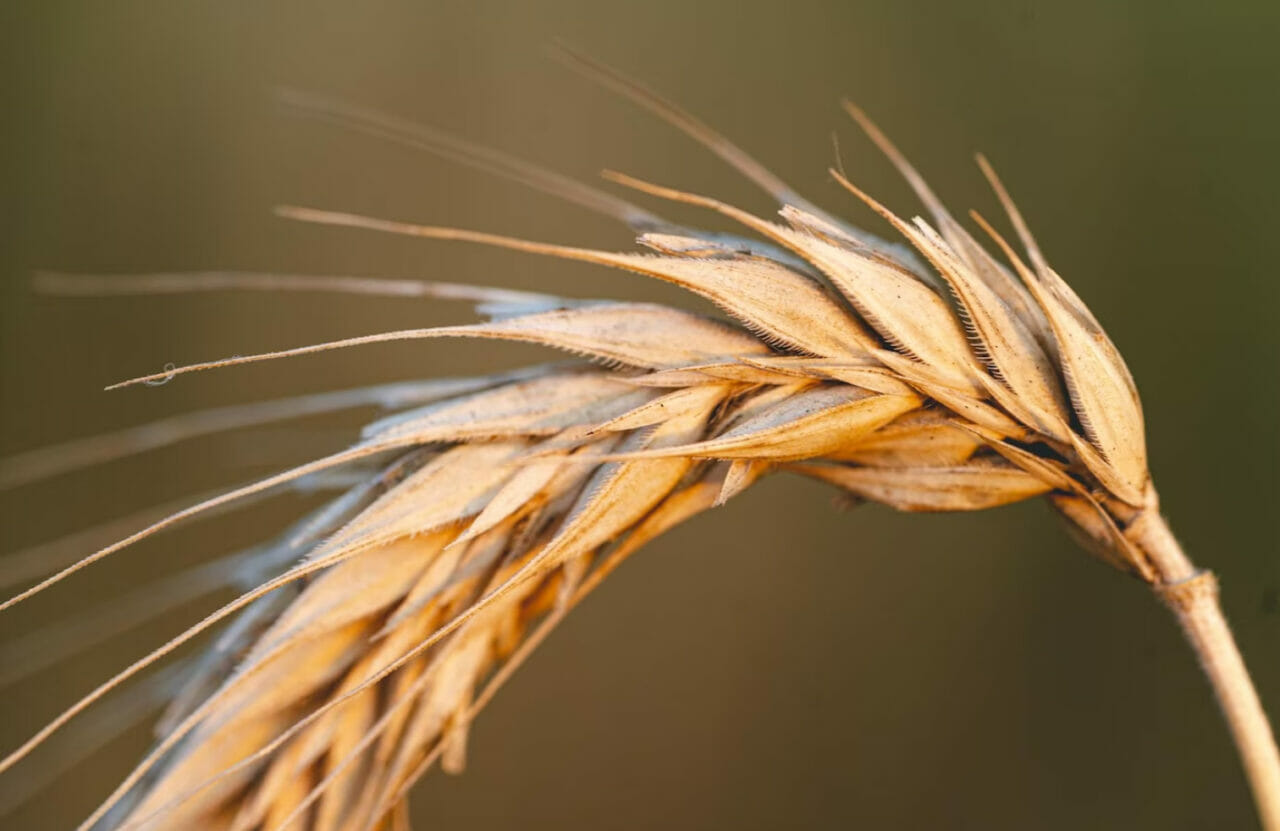
Global wheat productivity is crucial for food security and the economy. However, it faces ongoing challenges from major wheat pests that threaten its viability.
In this article, through the use of a conveyor belt, we will explore in depth the main pests affecting wheat, understand their destructive habits, and discuss effective strategies to prevent and control these threats.
Additionally, we highlight the importance of sustainable management practices to ensure a resilient future for wheat production.
-
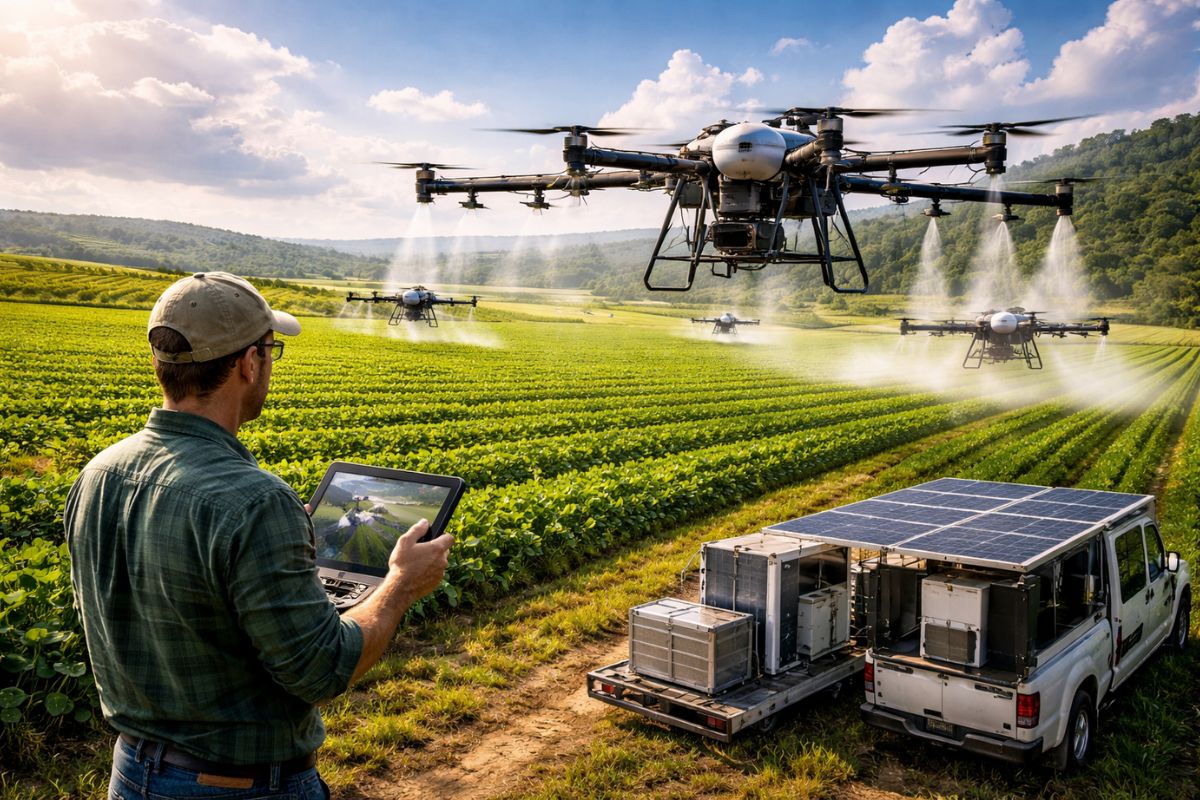
Alone, the producer applies 7,400 hectares with the T100 drone in an optimized structure, replaces the generator with a silent battery, and demonstrates how technology reduces costs, increases productivity, and even challenges the uniport in the field.
-
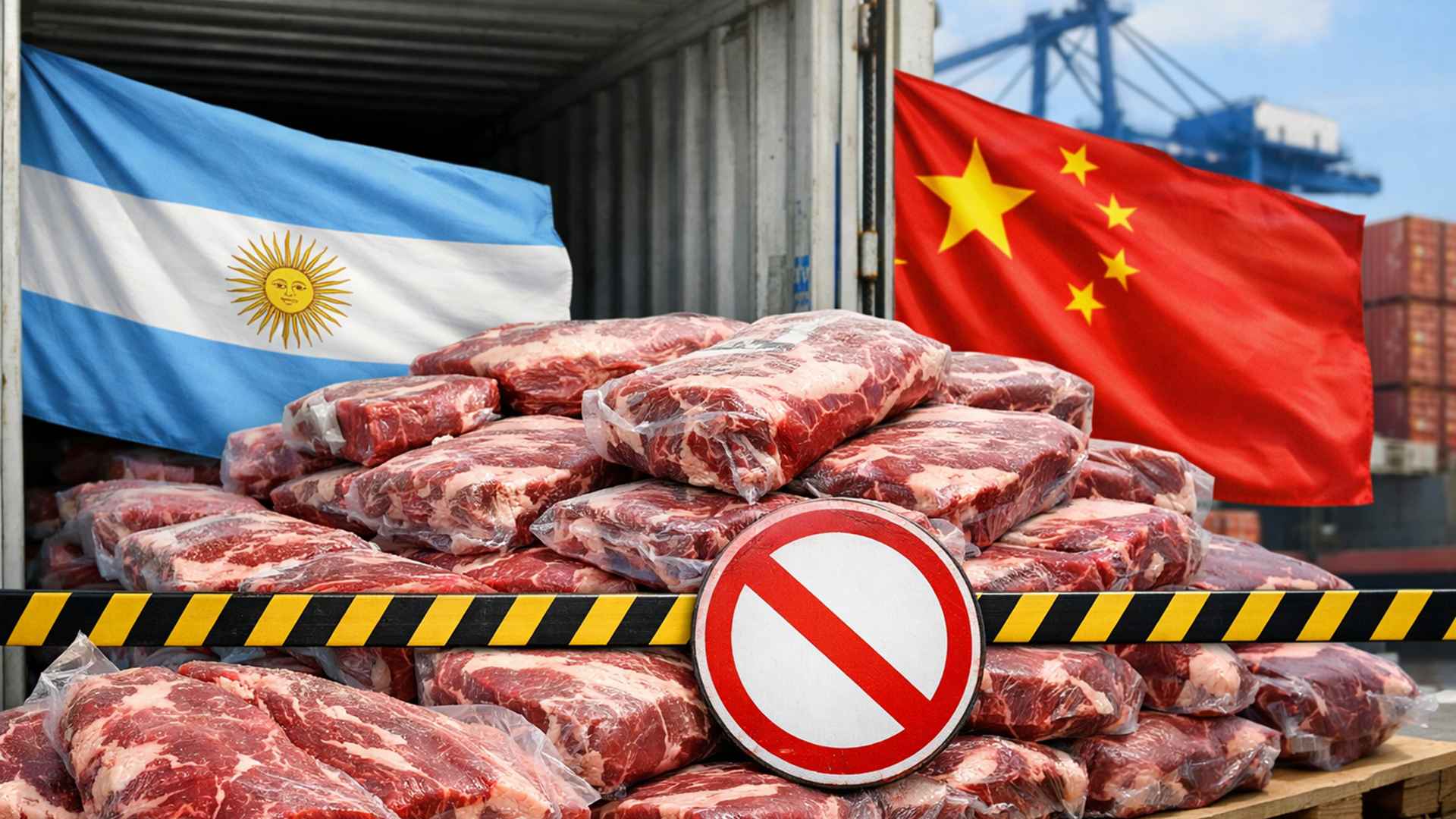
China banned the export of 22 tons of meat from Argentina.
-
JBS, founded by the Batista brothers, continues to conquer the world: entrepreneurs built a ‘factory in the desert’ creating 3,000 jobs.

-
With only 1% of Brazil’s territory, Santa Catarina has built one of the most competitive industrial parks in the country, with 64,000 companies, nearly 1 million jobs, and a growth rate of 5.3% while the national industry is practically stagnant.


Pests That Affect Wheat:
In the realm of agriculture, various pests negatively impact wheat crops.
One of the main wheat pests is the wheat aphid (*Sitobion avenae*), a tiny sucking insect that feeds on plant sap, weakening them and transmitting diseases.
Another significant threat is the wheat cutworm (*Agrotis segetum*), whose voracious larvae consume growing leaves and stems, compromising the vitality of plants and reducing yield.
Conveyor Belt:
To combat these pests effectively, farmers have implemented a variety of control strategies.
A crucial approach involves the use of the conveyor belt, where farmers conduct regular inspections in the fields for any signs of infestation.
This active surveillance facilitates early detection of pests, allowing for immediate implementation of control measures before the situation worsens.
Prevention and Control Methods:
In addition to the conveyor belt, various prevention and control methods are employed to keep wheat pests in check.
Cultural practices, such as crop rotation and the use of pest-resistant wheat varieties, play an essential role in reducing crop exposure to threats.
Integrated pest management is also fundamental, incorporating biological approaches, such as the release of natural predators, and the strategic application of chemical products when necessary.
Case Studies and Real Examples:
A notable example of success in controlling wheat pests is the case of Fazenda Verdejante. By implementing integrated management measures, the farm achieved a robust and healthy harvest.
By adopting strategies such as the use of pheromone traps to monitor insect populations and the introduction of parasitic wasps to control aphids, the farm was able to significantly minimize the damage caused by pests and consequently increase productivity.
Trends and Innovations:
As we move towards a more technologically advanced agricultural future, new approaches to dealing with wheat pests are emerging.
The application of artificial intelligence and remote sensing allows for early detection of infestations, while genetic engineering enables the development of pest-resistant wheat varieties, reducing the need for chemical products.
Climate Vulnerabilities and Wheat Pests:
Climate change has a significant impact on wheat pest populations. Temperature variations and rainfall patterns can influence the ecology and spread of these pests.
We will explore how climate change affects the geographic distribution and life cycles of major wheat pests, as well as the adaptive strategies adopted by farmers to face these emerging challenges.
Sustainable Pest Management for Wheat:
The adoption of sustainable pest management practices is crucial to protect the health of wheat crops and minimize environmental impacts.
We will examine in detail sustainable approaches, such as the use of cover crops, preservation of natural habitats of natural pest enemies, and the implementation of biological control techniques that reduce dependence on chemical products.
Wheat Pests and Global Food Security:
The increase in the global population demands a constant rise in wheat production. However, wheat pests can threaten food security, resulting in significant crop losses.
In this section, we will explore how the impact of wheat pests extends to global food security, emphasizing the importance of effective management strategies to ensure a sustainable wheat supply for growing populations.
Collaboration and Education in Pest Management:
The dissemination of information and sharing of knowledge are essential to tackle the challenges posed by wheat pests.
We will discuss the importance of collaboration between farmers, research institutions, and government entities in creating training and education programs that empower farmers to effectively identify, monitor, and manage wheat pests.
Additionally, we highlight success stories of extension programs that have strengthened the resilience of farming communities.
Evolution of Wheat Pests:
The main wheat pests have demonstrated remarkable adaptability and evolution over time.
We will explore how factors such as natural selection, pesticide use pressure, and changes in agricultural practices influence the evolution of wheat pests.
Furthermore, we will discuss the concept of pest resistance to pesticides and the strategies that farmers are adopting to tackle this growing challenge, such as rotating chemicals and seeking alternative control methods.
Future Challenges and Research in Pest Control:
As we move into the future, new challenges and uncertainties arise in the landscape of wheat pests. In this section, we will discuss future prospects, considering factors such as the globalization of agricultural trade and the emergence of invasive pests.
Additionally, we will address the crucial role of ongoing research in finding more effective and sustainable methods of pest control, highlighting recent advancements in biotechnology, genomics, and other areas that have the potential to revolutionize the way we face these threats.
The main wheat pests continue to be a constant challenge for farmers worldwide. However, with integrated and sustainable approaches, it is possible to protect crops and ensure a safe food supply.
The implementation of strategies like the conveyor belt and integrated pest management plays a crucial role in maintaining the health of wheat crops and ensuring durable and fruitful agricultural production.
Through collaboration among farmers, researchers, and the agricultural industry, it is possible to effectively confront these threats and promote a more resilient and productive future for wheat cultivation.









Seja o primeiro a reagir!