





 Portuguese
  English
  Spanish
  4 min of reading


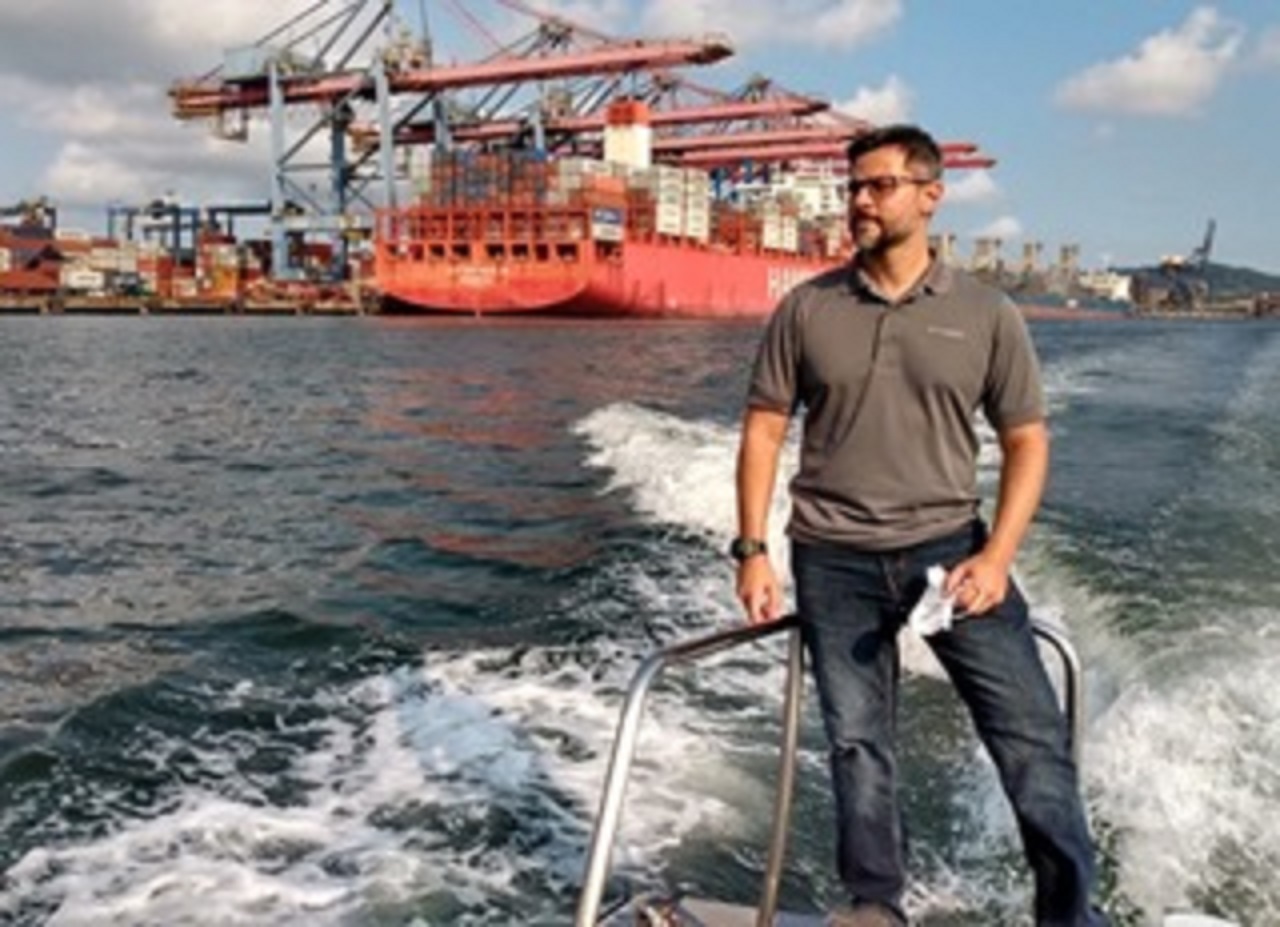
Finally, the Port of Santos will be able to operate with ships 366 meters long. Bruno Tavares, President of the Piloting of São Paulo, says that the pilots have been trained and participated in simulations to face the challenge safely and expertly. Initially, it will require two pilots and four tugboats to manage the arrival of New Panamax ships, which carry up to 14 thousand TEUs.
With the Brazilian Navy’s approval to receive ships measuring 366 meters, the largest vessels expected for the East Coast of South America, the dream of receiving large vessels will become a reality.
Known in the market as the New Panamax class, the ships measuring 366 meters long and 52 meters wide can carry up to 14 thousand TEUs (equivalent to a 20-foot container) in a single voyage. Until now, Santos could only receive ships up to 340 meters, which typically carry 9 thousand TEUs.
Bruno Tavares emphasizes the concern for safety and the modernization involved in the work. “Santos is a dynamic port and requires constant dredging. With ships measuring 366 meters, there will be no margin for error. We have anticipated the challenges and since 2017 have been training pilots at centers of excellence in the United States and France, using crewed ship models, maneuver simulators, and exchanging experiences with captains who already maneuver these large vessels, specifically those measuring 366 meters. Anticipating challenges is very important.”
-
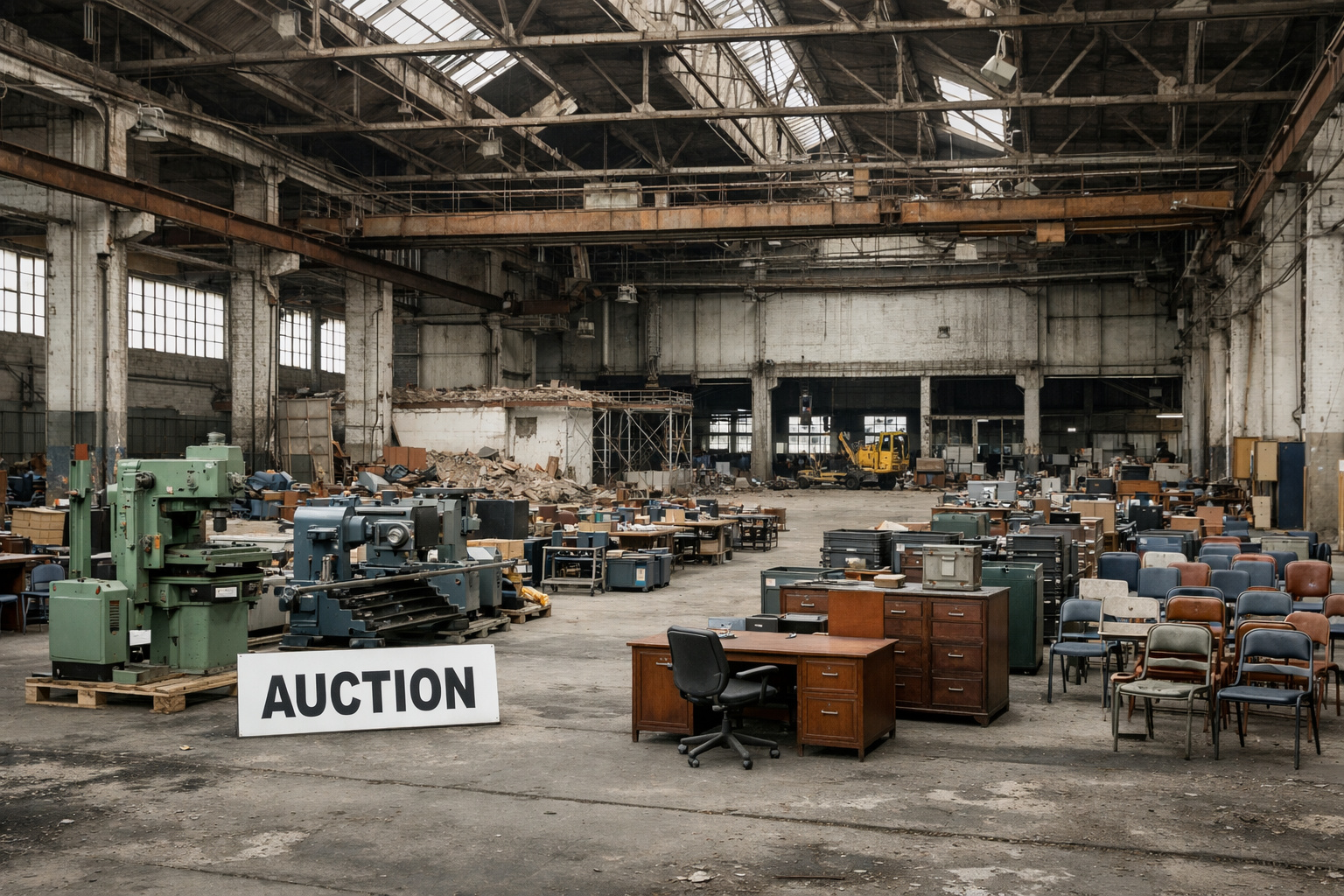
Historic bankruptcy of Centauro shocks the market, and the century-old company puts more than 500,000 products, machines, and complete infrastructure up for online auction.
-
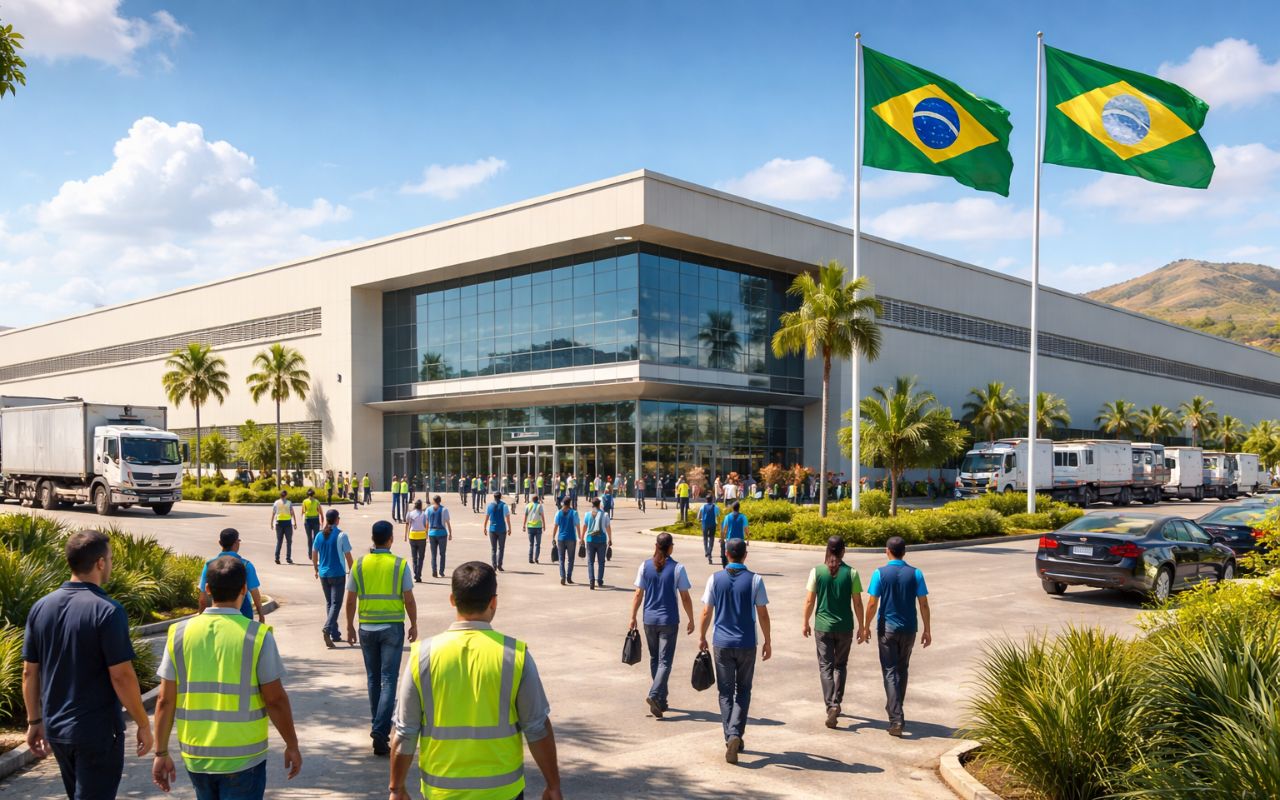
New shoe factory in Ceará is expected to create 400 jobs and strengthen the local economy.
-
No one imagined it, but a mixture of sawdust with a mineral that fights fires surprises scientists with a result that changes the course of fire-resistant construction.

-
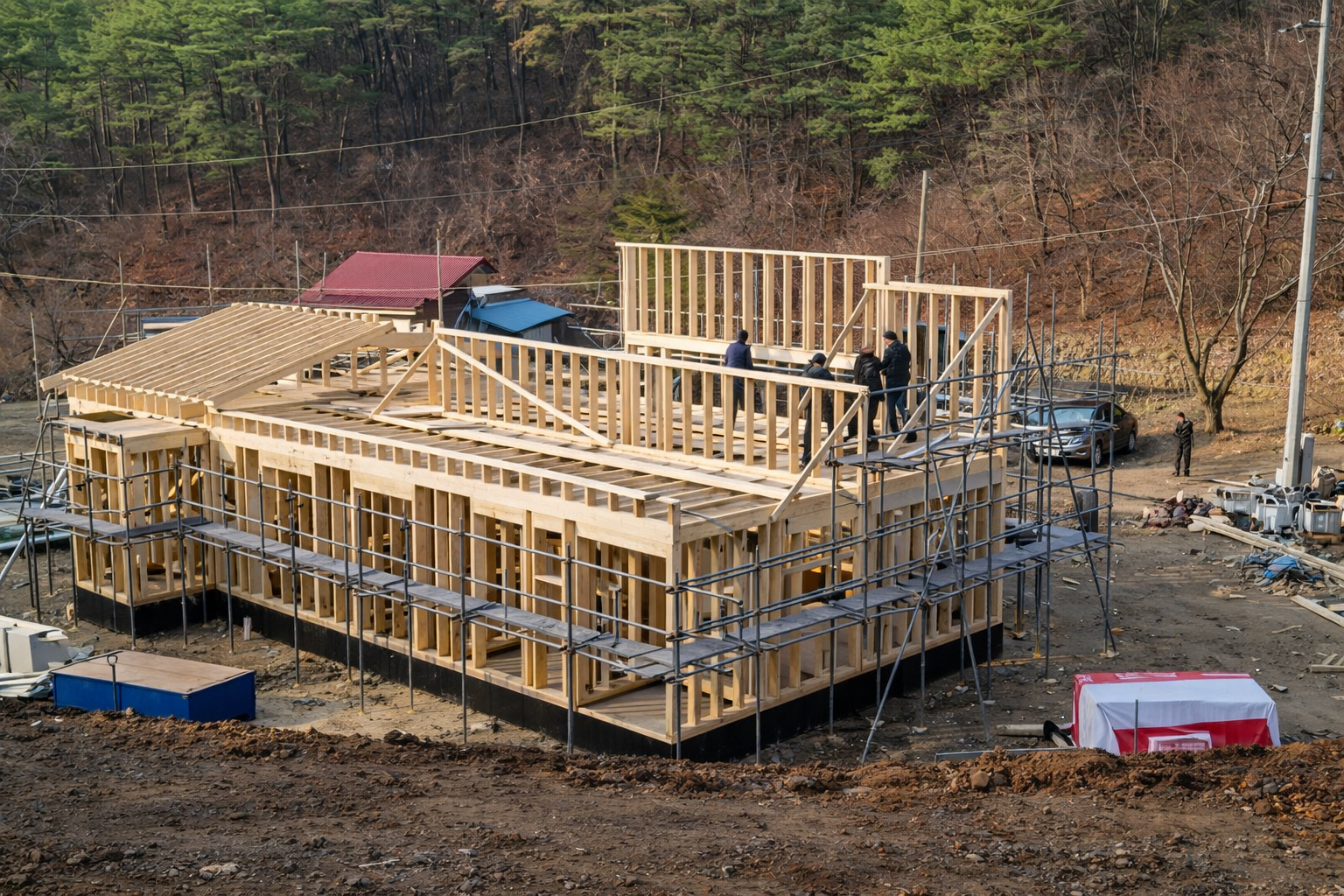
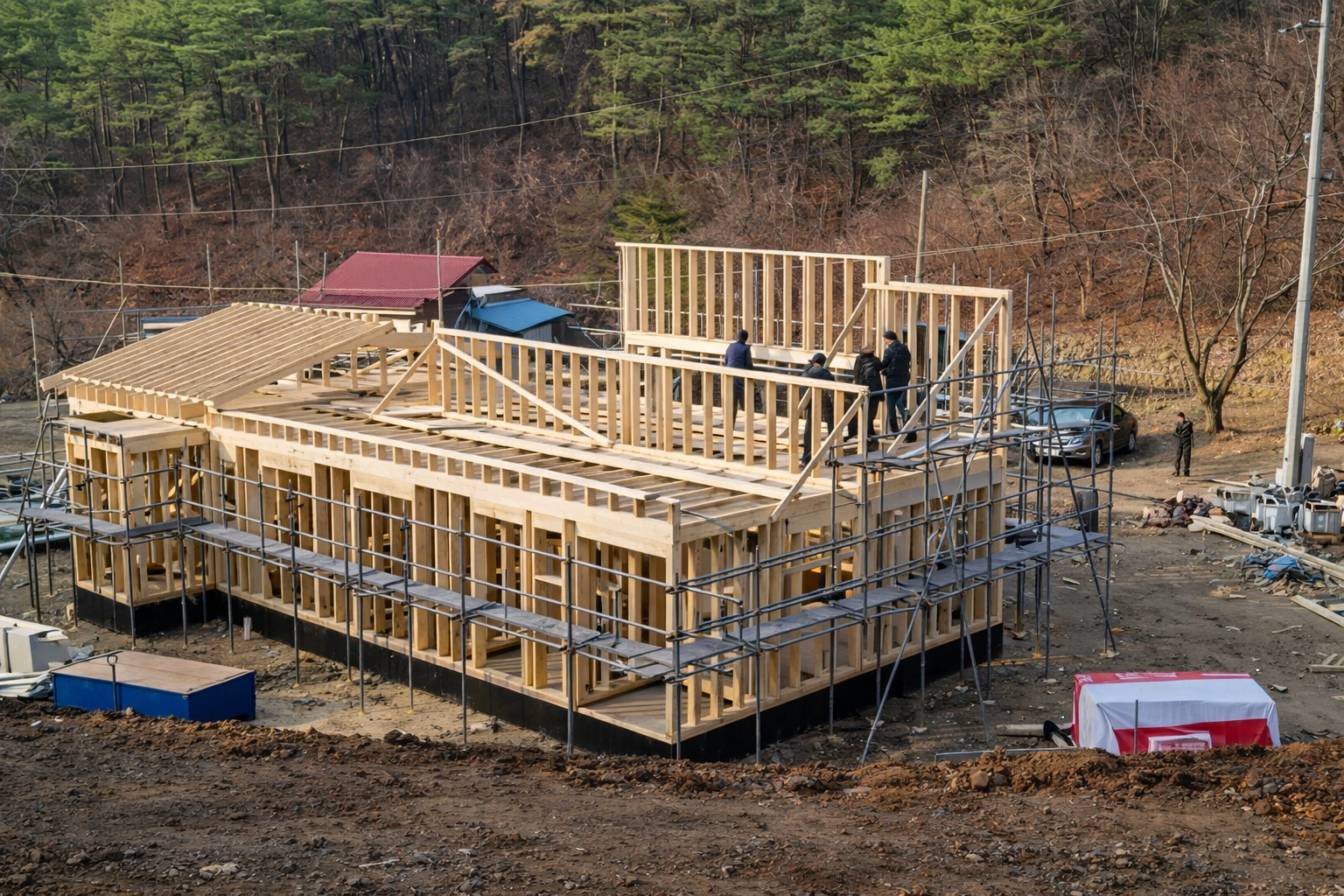
From empty land to a high-end house, wooden construction uses a lightweight system, metal structure for the foundation, ventilated ceramic cladding, and special windows to create an efficient and comfortable living space throughout the year.

According to Tavares, the operations will require a larger number of professionals. “We will need two pilots on board the ship and further limitations for maneuvers regarding weather conditions (winds and currents), which will be what we call special maneuvers,” he warns.
The proactivity and training conducted in the U.S. receive special attention, mainly due to the technology used by the pilots. “Few training centers had this reduced-scale ship model, which is the 366. It is a crewed model, distinct from a computer simulator. We move to a river or a lake – generally, a lake, where we train the maneuvers we will perform in the Port,” he narrates.
On it, the pilot embarks, and the hydrodynamic reactions are simulated. This ship has its own propeller and rudder, all controlled by the pilot from within it. “It is all proportional to real life, but in reduced scale, different from a virtual simulator. You feel the hydrodynamic effects, different from a maneuver simulator, which is like a state-of-the-art video game,” adds Tavares.
During the simulations of the 366m ships, the Piloting of São Paulo worked with a maximum draft of up to 14.20m. With the approval of the New Panamax measuring 366m long for Santos, these parameters change to 51m to 52m in width. The maximum draft of 14.20m is expected to reach 14.50m.
Technology and Dredging
Innovation does not stop at the Piloting of São Paulo, as the President explains: “We have equipment that we take on board, which are the PPUs (Portable Pilot Units), which assist in the maneuvers of special ships. There is also the C3OT (Center for Coordination, Communications, and Traffic Operations), where we carry out, in conjunction with the Port Authority, the control of traffic and ship operations. I can say that today we are well served in the use of existing technologies in the market,” he comments.
He views the potential for increased dredging positively, deepening the navigation channel, as another measure that may be required by the Federal Government from the future concessionaire of the Port. “Without constant maintenance dredging with increased depths, the work of the port is significantly hampered. We want the Port to grow, not stop producing, and that it is possible to increasingly optimize operations and the dynamics of the complex. The pilotage is here to help in this assessment. We must always do it in the best and safest way possible.”
For media inquiries, contact José Rodrigues at (13) 99711-8250 or Ivani Cardoso at (11) 99932-4765









Seja o primeiro a reagir!