





 Portuguese
  English
  Spanish
  5 min of reading
  0 comments


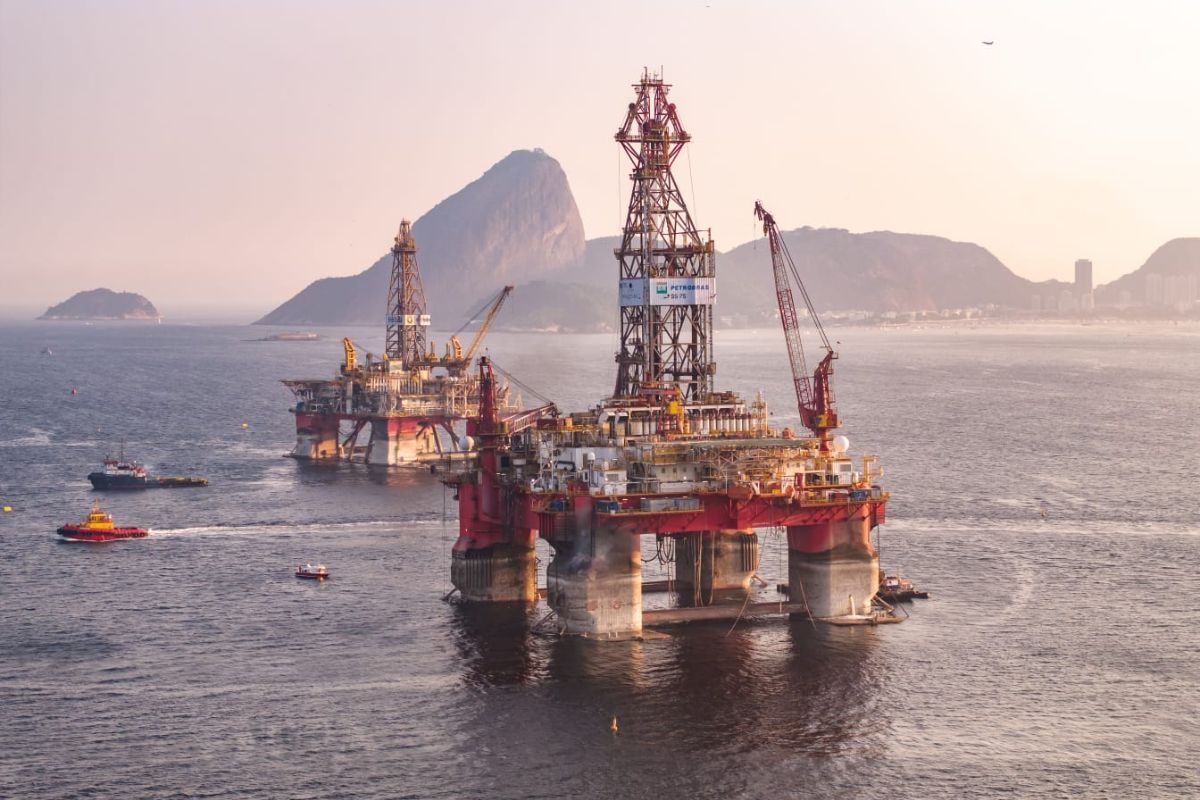
Since Monteiro Lobato and “O Petróleo é Nosso” Until Leadership in Deep Waters, the Pre-Salt and Current Challenges, Discover the Trajectory of the Oil Industry in Brazil.
The history of the oil industry in Brazil is intertwined with that of the country itself. Oil is a fundamental strategic resource. It was a symbol of sovereignty and a driver of Brazilian industrialization. From the pioneers and Monteiro Lobato, through the “O Petróleo é Nosso” campaign and the creation of Petrobras. Up to self-sufficiency, the pre-salt, and the current challenges of the energy transition.
The Genesis: Pioneering Exploration and Nationalist Seeds (Pre-1953)
The search for oil in Brazil is ancient. It began at the end of the 19th century. The first drilling occurred in Bofete (SP) in 1897, but without commercial success. State interest arose with the Geological Service (1907) and the DNPM (1933). Monteiro Lobato was a strong advocate for national exploration. He saw oil as essential for sovereignty. In 1936, he denounced maneuvers by international “trusts” in “O Escândalo do Petróleo”.
His campaign strengthened nationalism. In 1939, the first commercial discovery came in Lobato (Bahia), contradicting studies of the time. A year earlier, in 1938, the Vargas government created the National Petroleum Council (CNP), regulating the sector and ensuring state control. The oil industry in Brazil was beginning to take shape.
-
Offshore industrial demand in Macaé skyrockets with the recovery of oil and gas and could grow by up to 396% by 2026 in the Campos Basin.
-
Offshore industrial demand in Macaé surges with the recovery of oil and gas and could grow by up to 396% by 2026 in the Campos Basin.
-
Brazilian giant expands borders in the Southeast: Petrobras confirms new oil discovery in ultra-deep waters in the pre-salt of the Campos Basin.
-
Alert in the global energy market: Severe tropical cyclone hits the coast and disrupts gas production at major plants in Australia, threatening global supply.

“O Petróleo é Nosso”: The Creation of Petrobras and the State Monopoly (1953-1970s)
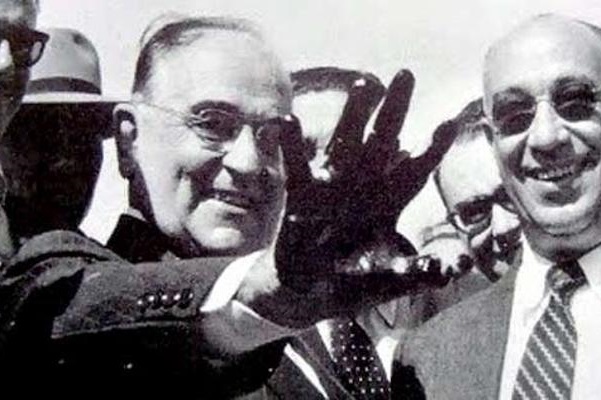
After World War II, the debate over oil intensified. Nationalists defended the state monopoly. Other sectors wanted foreign capital. The “O Petróleo é Nosso” campaign, started in 1948 (CEDPEN), mobilized society. Rallies and propaganda pressured the Vargas government. On October 3, 1953, the Law No. 2,004 was enacted. It created Petróleo Brasileiro S.A. (Petrobras). It established the Union’s monopoly over exploration, refining, and transportation.
Petrobras would be the executor, with the CNP as regulator. The Union would have majority control (at least 51%). Petrobras was established in 1954. Its early years focused on onshore exploration (Bahia, Amazonas). Limited results and Walter Link’s report (1961) spurred the search offshore. The discovery of Guaricema (SE) in 1968 marked the turning point for offshore exploration in the oil industry in Brazil.
Campos Basin and Technological Leadership (1970s-1990s)
Petrobras focused on the continental shelf. In the 1970s, it explored the Campos Basin (RJ). It discovered Garoupa (1974) and began production at Enchova (1977). Campos revealed immense potential. Exploration in deep and ultra-deep waters brought challenges. Petrobras innovated, becoming a world leader. It developed FPSOs, complex subsea systems (wet Christmas trees, pipelines), and drilling techniques. CENPES was vital.
It won the OTC Award in 1992 for Campos’ technology. Major fields were discovered (Albacora, Marlim 1985, Roncador). National production grew: 500,000 barrels/day (1984), 1 million barrels/day (1997). At its peak, Campos accounted for 80% of Brazilian oil. The oil crises (1973, 1978) reinforced the quest for self-sufficiency. Risk contracts (1975-1988) allowed limited foreign exploration.
A New Era: Market Liberalization and ANP Regulation (1997-2000s)
In the 1990s, economic liberalization reached the sector. The Law No. 9,478/1997 (Oil Law) ended Petrobras’ operational monopoly. Private companies (national and foreign) could enter through concessions, authorizations, or sharing. The goals were to attract investment, increase competition, and ensure supply. The law created the CNPE (energy policy) and the ANP (National Agency of Petroleum, Natural Gas and Biofuels).
The ANP became the central regulator: conducting auctions, signing contracts, overseeing activities, defining specifications, managing data, and calculating government participations. The auction rounds attracted major international companies (Shell, Exxon, Chevron, etc.). Petrobras had to adapt, competing for areas and forming partnerships. It went public on the NYSE in 2000. The oil industry in Brazil entered a new phase, with multiple players under state regulation.
The Pre-Salt Revolution: A Turning Point for Brazil (2006-Present)
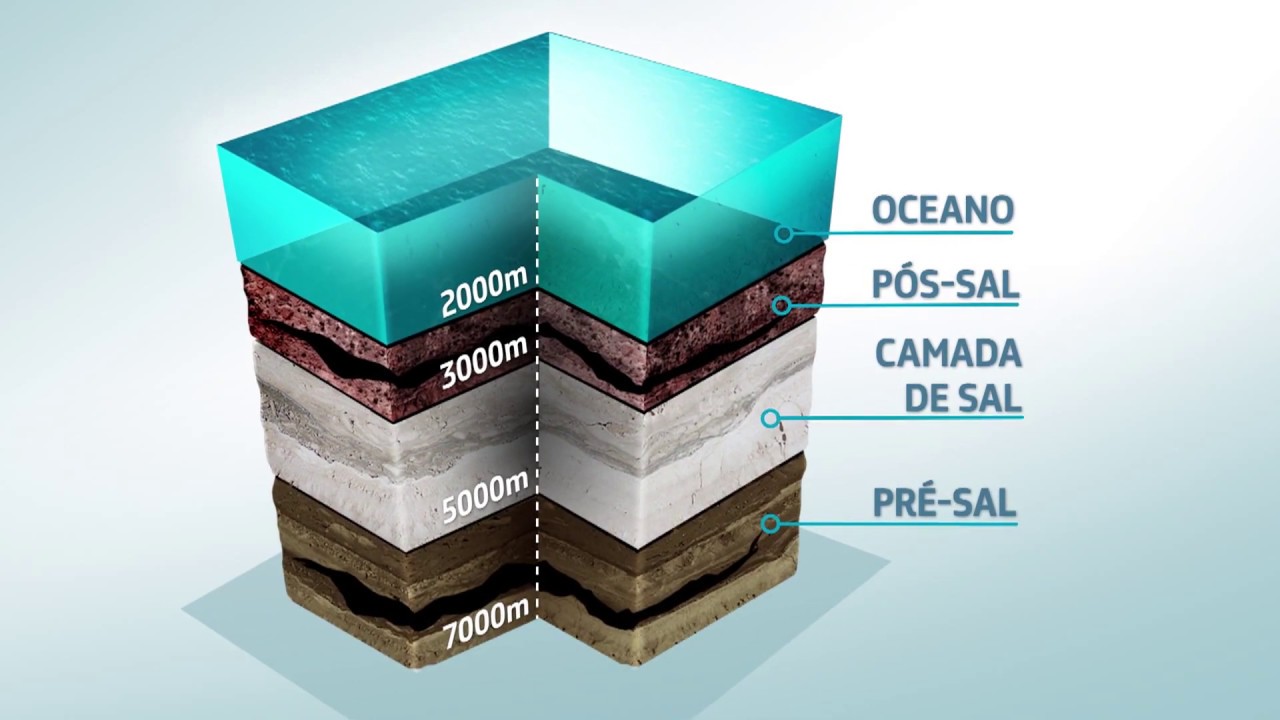
The discovery of the pre-salt (announced in 2006/2007) was the most recent transformation. Located beneath a thick salt layer in ultra-deep waters (Santos and Campos Basins), it contains light oil and gas. The discovery of the Tupi (later Lula) field was a global milestone. Overcoming technological challenges (drilling through salt, depth, distance) required new solutions. Petrobras consolidated its global leadership in ultra-deep waters.
The pre-salt added billions of barrels to Brazilian reserves. Fields like Búzios, Sapinhoá, and Mero showed extremely high productivity. Production grew exponentially since 2008. In March 2025, the pre-salt accounted for 79.8% of national production (3.716 million boe/day). The discovery led to the creation of the Production Sharing regime (Law 12.351/2010) for strategic areas, coexisting with the concession regime. The pre-salt redefined the energy future of the oil industry in Brazil.
Royalties, Development, and Challenges in the Oil Industry in Brazil
The oil and gas sector contributes to GDP, attracts investment, and generates jobs. But it is volatile (prices, crises like Lava Jato). Wealth is distributed through government participations (royalties, special participation, bonuses). Resources go to the Union, producing states/municipalities, and funds. The goal is to invest in health, education, etc.
However, the effectiveness of this distribution is debated. There are challenges of mismanagement and local economic dependency. The oil industry in Brazil boosted the trade balance (crude oil exports), but the country still imports derivatives. The supply chain is vast but vulnerable to shocks.
Controversies and Risks: Environment and the Legacy of Lava Jato
The oil industry in Brazil faces environmental risks: GHG emissions, leaks (e.g., Northeast 2019), pollution, impact on biodiversity. The IBAMA regulates and supervises (licensing, emergency response). There is tension between exploration (e.g., Equatorial Margin) and protection. The Lava Jato Operation (2014) revealed systemic corruption in Petrobras (cartel, kickbacks).
The consequences were severe: financial and reputational losses for Petrobras, economic contraction, political crisis, but also improvements in governance and asset recovery. The legacy of Lava Jato still impacts the perception of the oil industry in Brazil.
Current and Future Scenario: Brazilian Oil in the Energy Transition
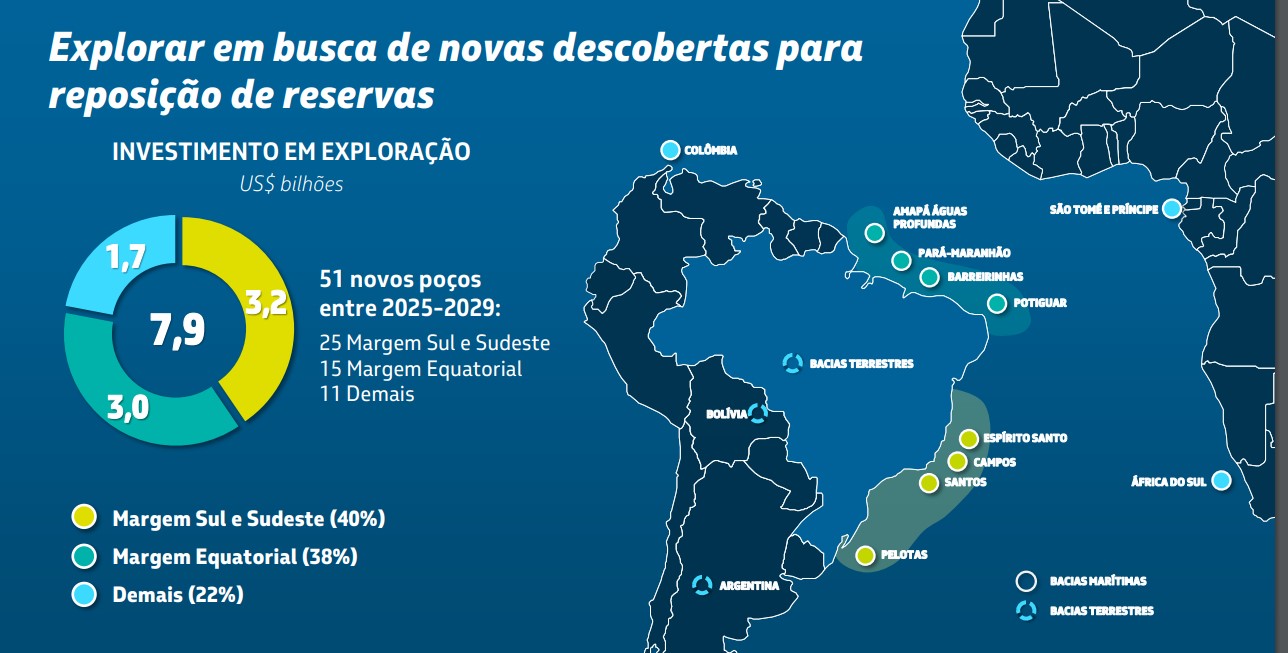
Today, Brazil is a major global producer thanks to the pre-salt. Proven reserves continue to grow (16.8 billion bbl of oil in 2024). The Petrobras (Plan 2025-29) remains focused on oil and gas (US$ 97 billion), mainly pre-salt, but increases investment in low carbon (US$ 16.3 billion, 15% of the total), aiming for diversification (renewables, biofuels) and carbon neutrality by 2050.
The government (PNE 2055) plans a just transition, recognizing the role of oil in the coming decades while promoting renewables. The future of the oil industry in Brazil depends on managing this duality: maximizing the value of fossil resources responsibly while financing the transition to clean energy.










Seja o primeiro a reagir!