





 Português
  Inglês
  Espanhol
  3 min de leitura
  0 comentários


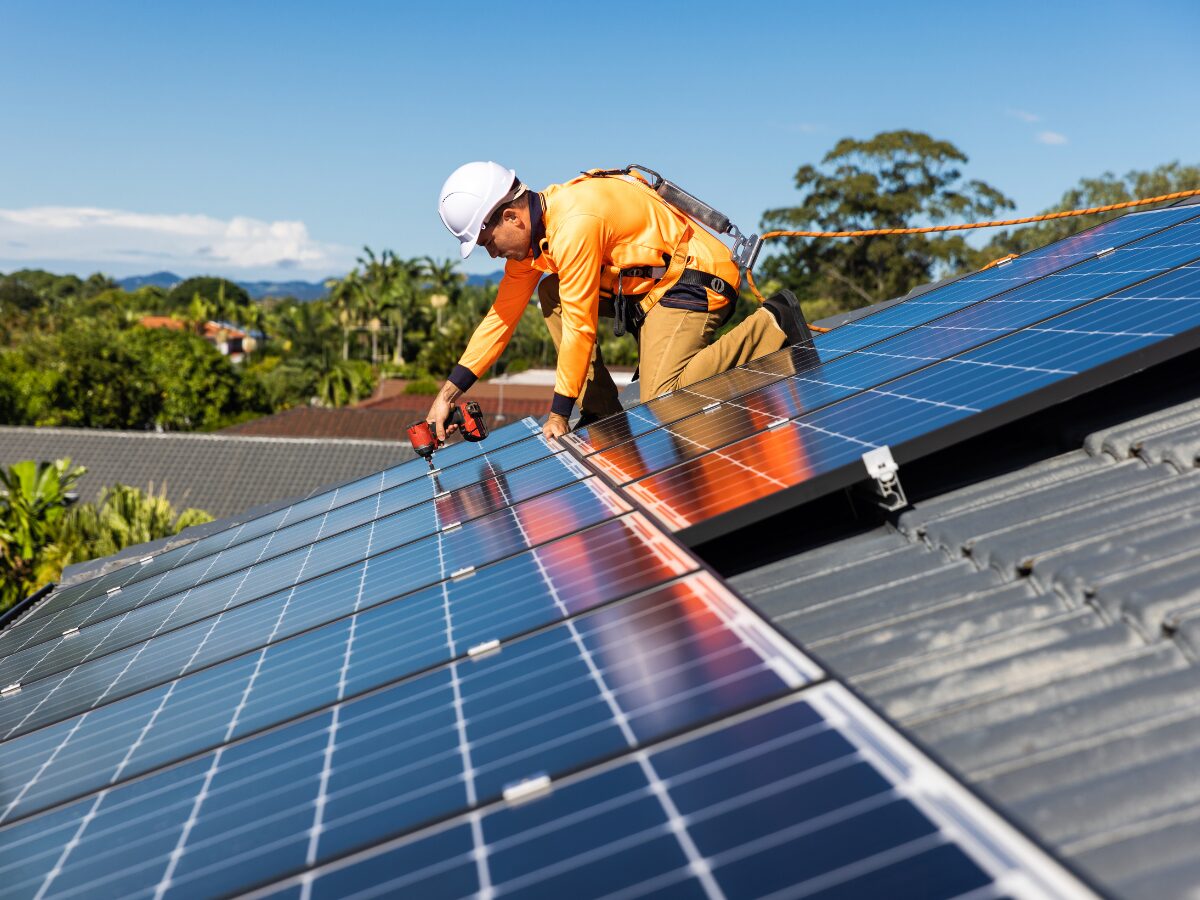
The Price Still Remains Lower Than in 2024, Reinforcing the Advantage of Choosing This Clean, Economic, and Sustainable Source of Energy Generation.
The average cost for installing solar energy systems in Brazilian homes increased by 5% in the first quarter of 2025, compared to the last three months of 2024 (October, November, and December). According to data from Radar, a quarterly indicator from the company Solfácil, the value rose from R$ 2.46 to R$ 2.57 per watt-peak (Wp).
This increase was mainly driven by the rising cost of photovoltaic equipment, which had already been undergoing adjustments since the end of last year. Nevertheless, the market remains attractive: exactly one year ago, in the first quarter of 2024, the average price was R$ 2.76/Wp — indicating an accumulated reduction of about 7%, even with the recent increase.
Increase in Solar Energy Equipment Affects Final Cost to Consumer
The price increase in solar energy projects is directly linked to the cost of the components used. The appreciation of the dollar, combined with rising international freight costs and increased demand for equipment, contributed to this adjustment scenario.
-
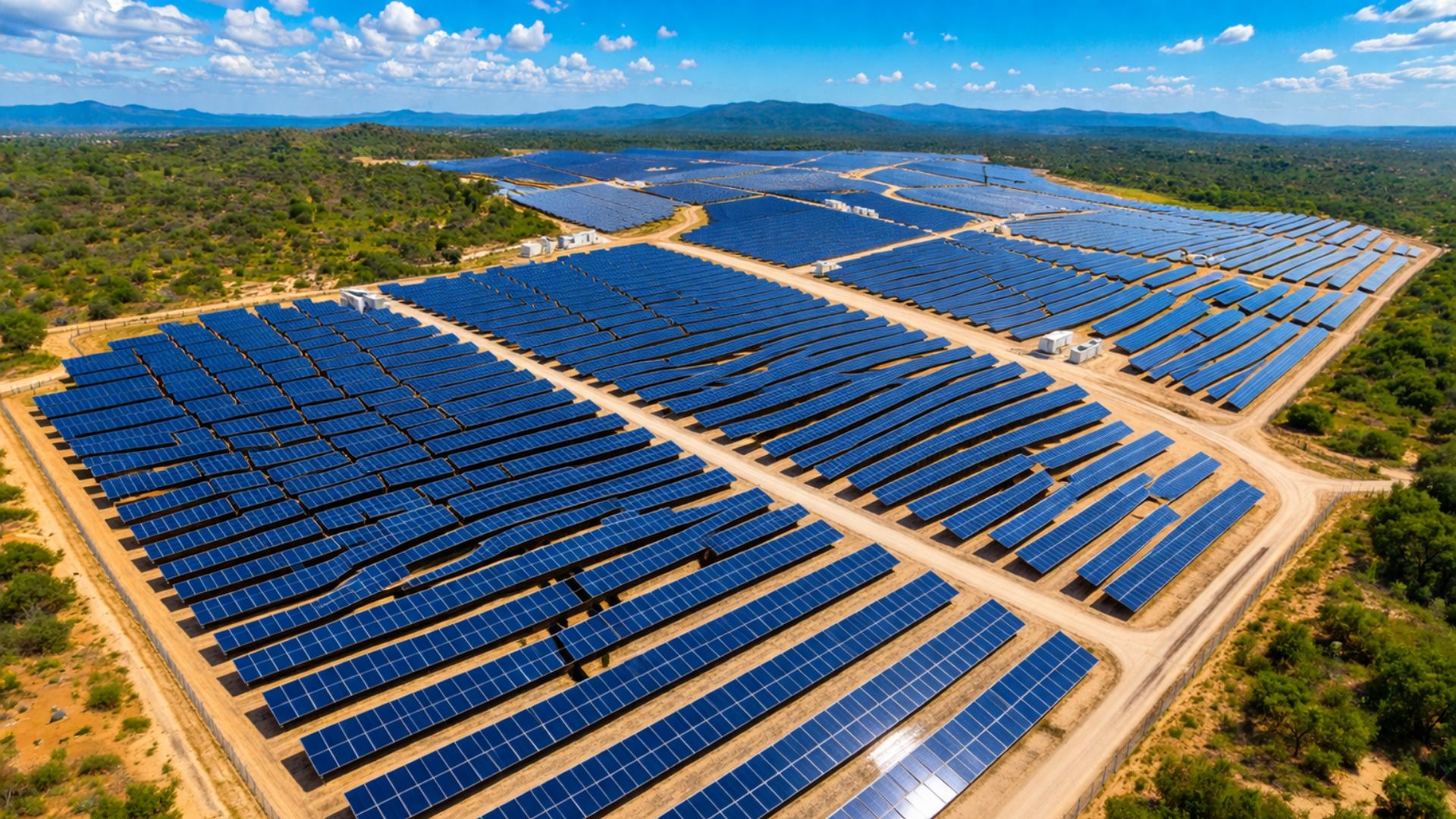
The Sol do Agreste Photovoltaic Complex begins operations in Pernambuco and accelerates the expansion of solar energy in Brazil, directly impacting the reduction of emissions and strengthening the sustainable energy matrix.
-
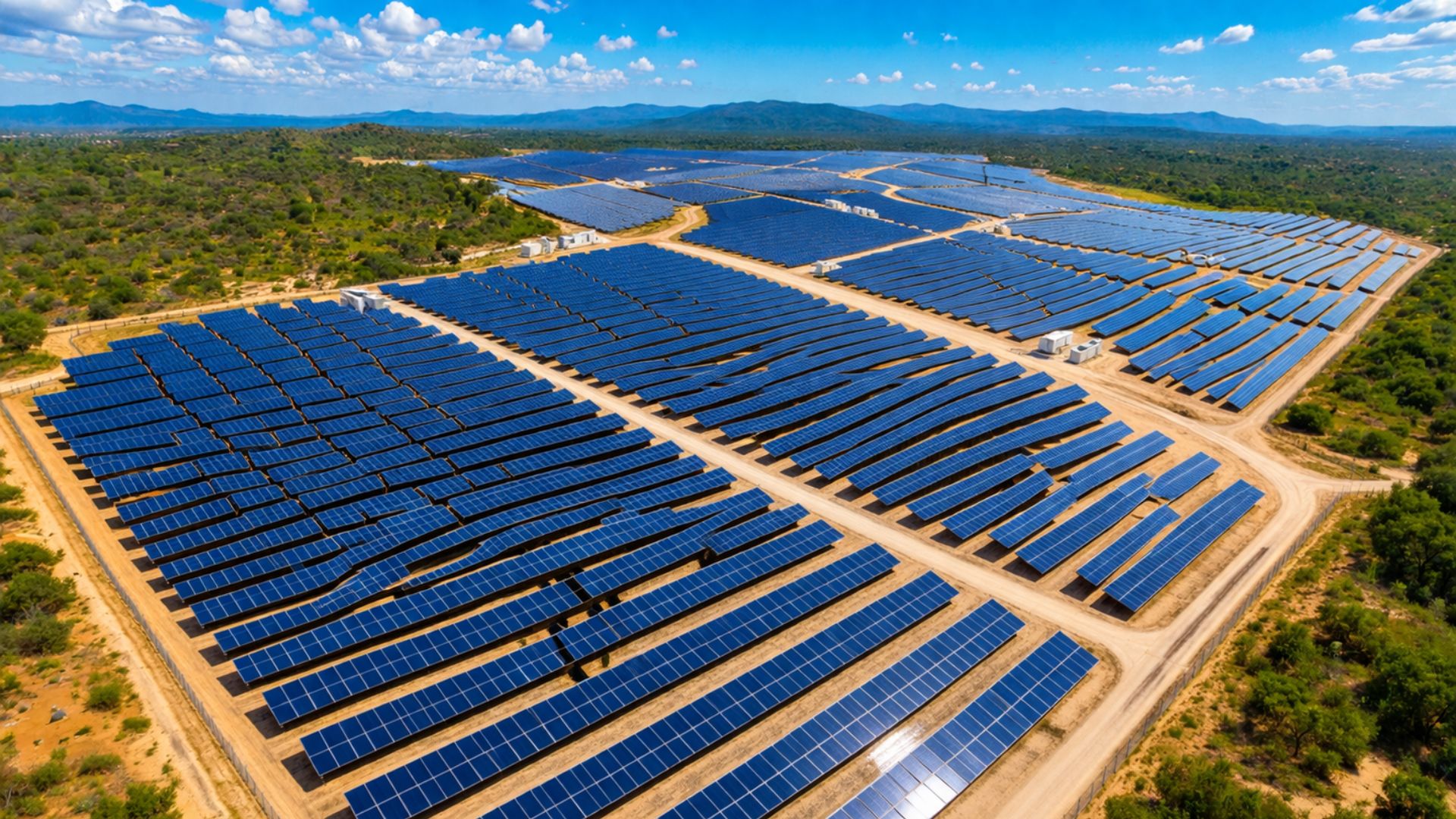
The Sol do Agreste Photovoltaic Complex begins operations in Pernambuco and accelerates the expansion of solar energy in Brazil, directly impacting the reduction of emissions and strengthening the sustainable energy matrix.
-
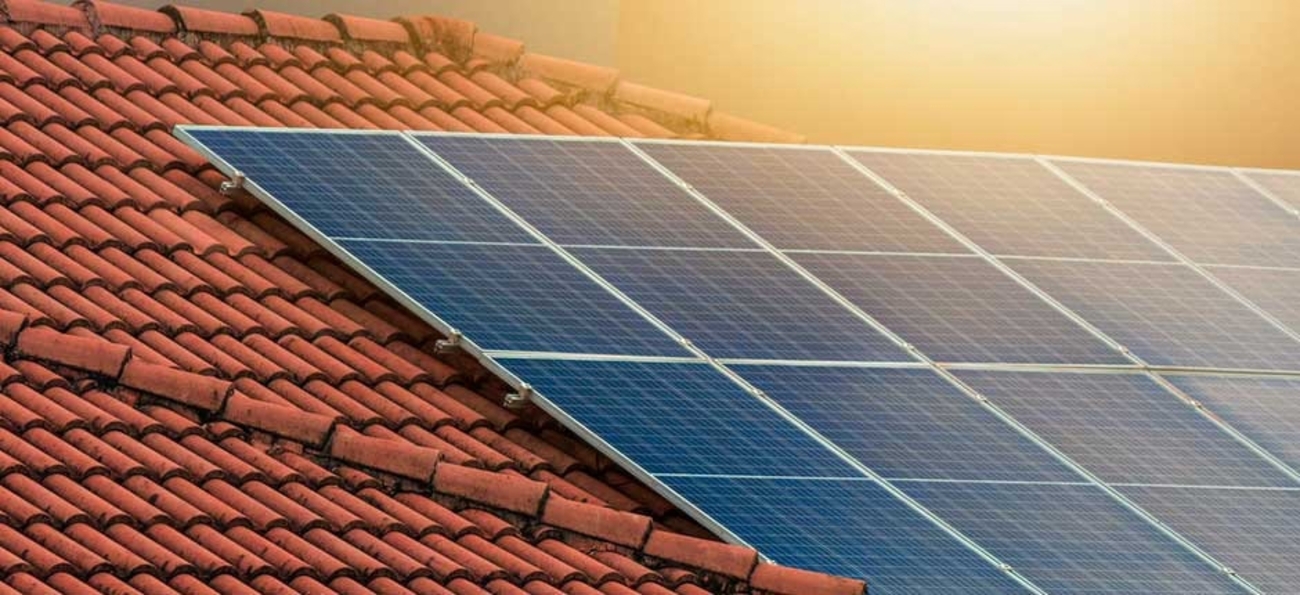
Roraima bets on the sun to escape high tariffs: Amid the energy crisis and price hikes, solar energy is growing in Roraima and transforming consumption in the North region.
-
Copel boosts solar energy in Paraná and brings innovation to public schools, promoting savings on electricity bills, energy efficiency, and a direct impact on the quality of education.
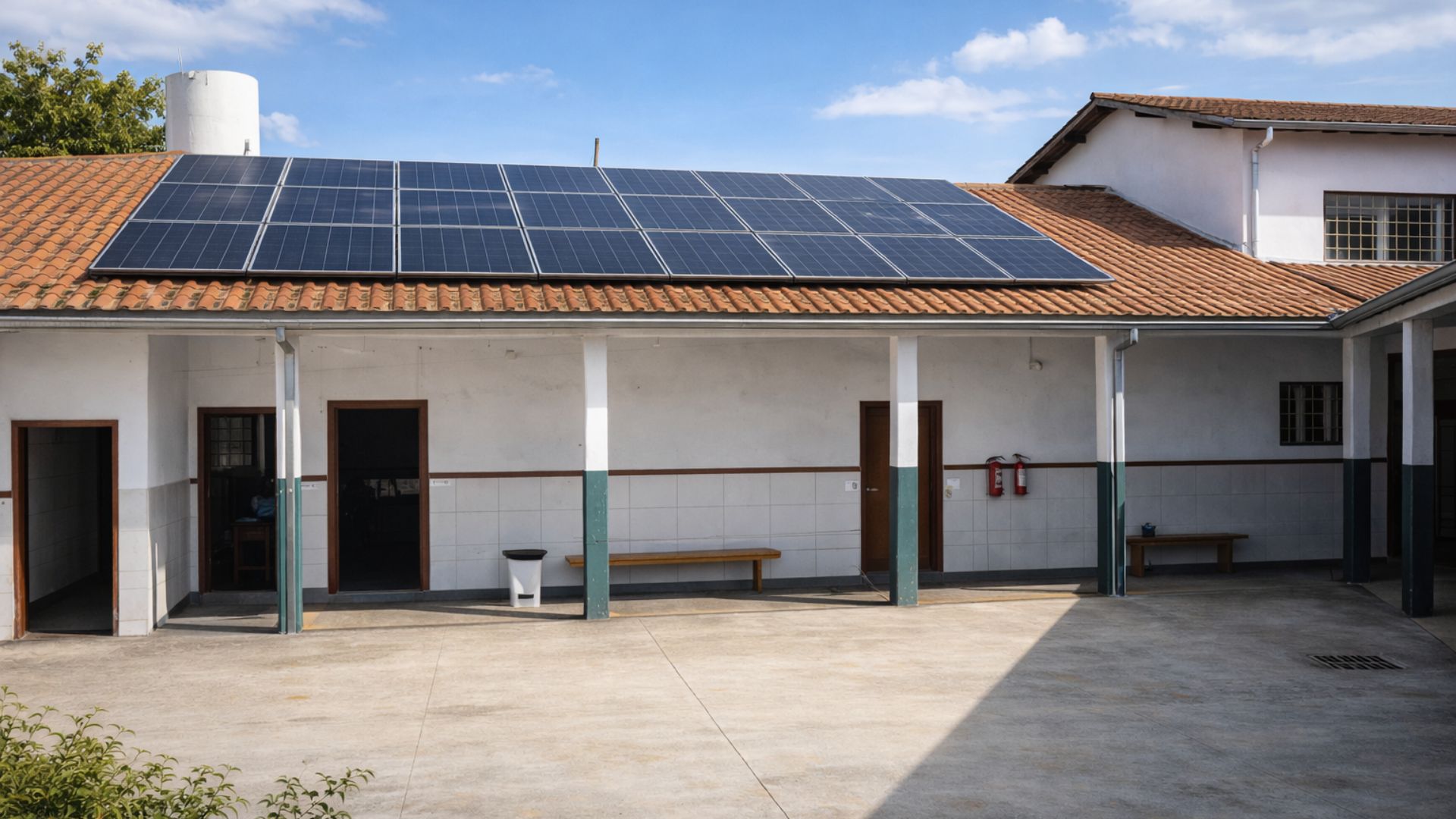
The Northern region of Brazil was the most impacted by price variations, experiencing a 9% increase during the period, reaching an average value of R$ 2.82/Wp, the highest in the country. In contrast, the Central-West region, despite a 6% increase, maintained the lowest national average price, at R$ 2.50/Wp.
The Market Remains Promising for Those Who Want to Invest
Despite the recent price increase, experts emphasize that solar energy remains one of the best alternatives for investment in residential infrastructure. Fabio Carrara, CEO and founder of Solfácil, highlights that the market remains competitive and offers unique advantages to consumers.
“Despite the recent increase, the solar energy market continues to be very favorable for those looking to invest. Prices are still below the levels of 12 months ago. In Brazil, photovoltaic systems are extremely accessible, with a return of less than three years. No other market in the world offers such a quick return,” he stated.
The return on investment in solar energy is a significant attraction for consumers. In a scenario of constantly rising electric tariffs, the photovoltaic system represents not only substantial savings in the medium term but also the appreciation of the property and the conscious use of natural resources.
Regional Variation Shows Disparities in the Sector
The survey by Solfácil also highlighted regional disparities in the cost of solar energy.
While the Northern region leads with the highest prices, the Southeast and South exhibited similar average values, with increases of 4% and 6%, respectively.
The Northeast, on the other hand, had the lowest variation among all analyzed regions, with a 4% increase.
Even with the differences in adjustment percentages, all regions recorded an increase in project values, reflecting the economic situation and the specific logistical challenges of each locality.
Prospects for the Coming Months in the Solar Energy Sector
The trend is for the market to continue expanding, driven by the search for sustainable alternatives and the attractiveness of financial returns.
Technological evolution and increased availability of credit for financing systems should also contribute to maintaining solar energy as a viable and strategic option for Brazilian consumers.
The current scenario shows that, even with a slight increase in costs, investment in solar energy remains worthwhile.








Seja o primeiro a reagir!