





 English
  Francês
  Alemão
  Italiano
  Japonês
  Norueguês
  Portuguese
  Spanish
 4 min of reading


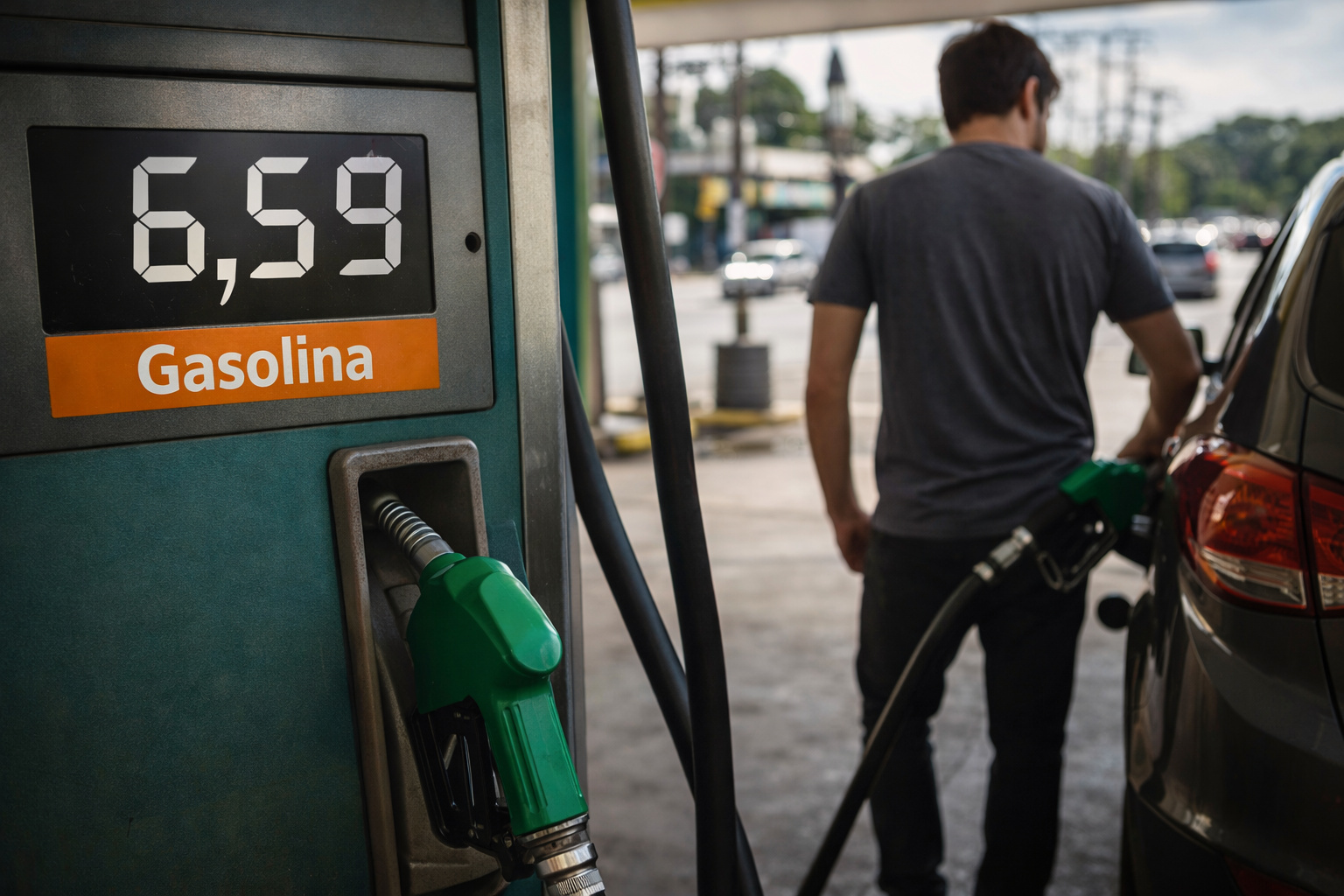
Gasoline Had a 5.2% Cut at Petrobras Refineries, but Drivers in Minas Gerais Still Do Not Notice a Reduction in the Final Price Paid at the Pumps.
The recent gasoline price cut announced by Petrobras has yet to reach the pockets of consumers in Minas Gerais. The cut was 5.2% at the refineries, which represents a decrease of R$ 0.14 per liter. Even so, prices remain practically unchanged at fuel stations in Minas Gerais.
According to a report published by Diário do Comércio, drivers report that they have not noticed any difference in the amount charged at the pumps. The expectation of a reduction has, therefore, given way to frustration.
The announcement initially generated optimism. However, the reality at the pumps shows that the reduction was concentrated only at the initial stage of the supply chain.
-
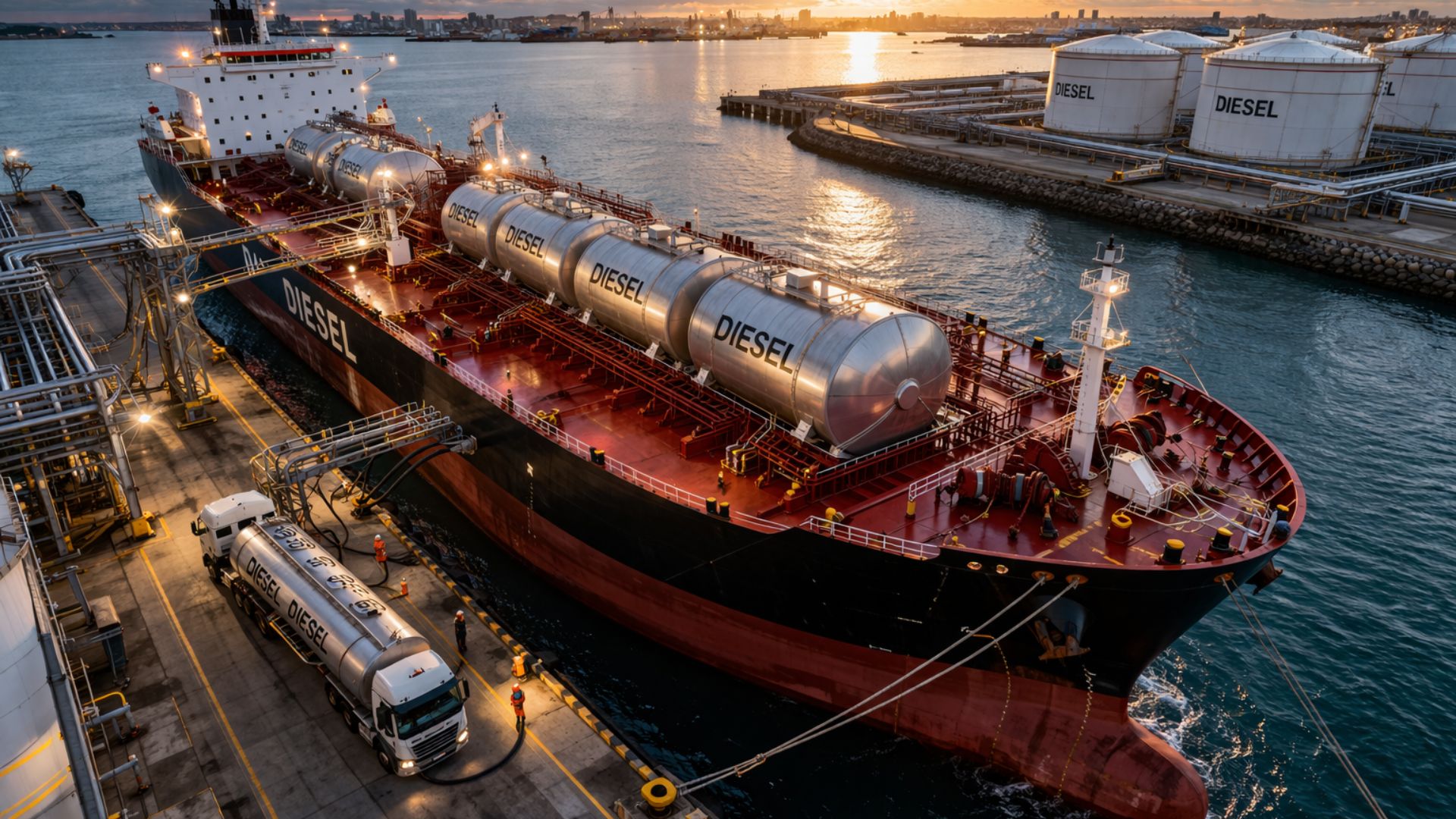
Former president of IBP highlights that dependence on diesel imports pressures prices in Brazil, increases vulnerability to global crises, and underscores the need for more robust and sustainable energy policies.
-
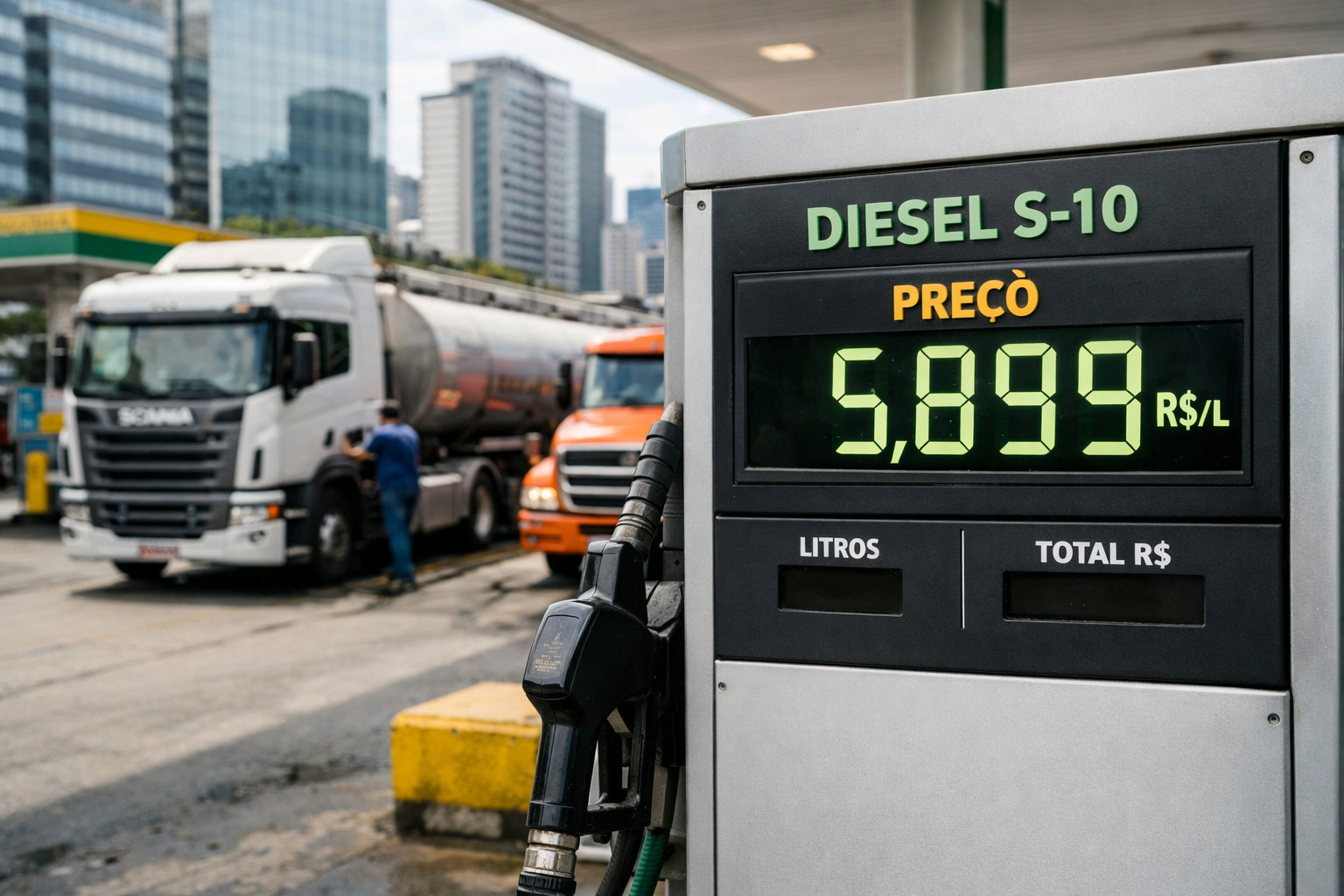
Middle East War Drives Up Oil Prices, And Petrobras Increases Diesel: Fuel Reaches R$ 3.65 Per Liter At Distributors
-
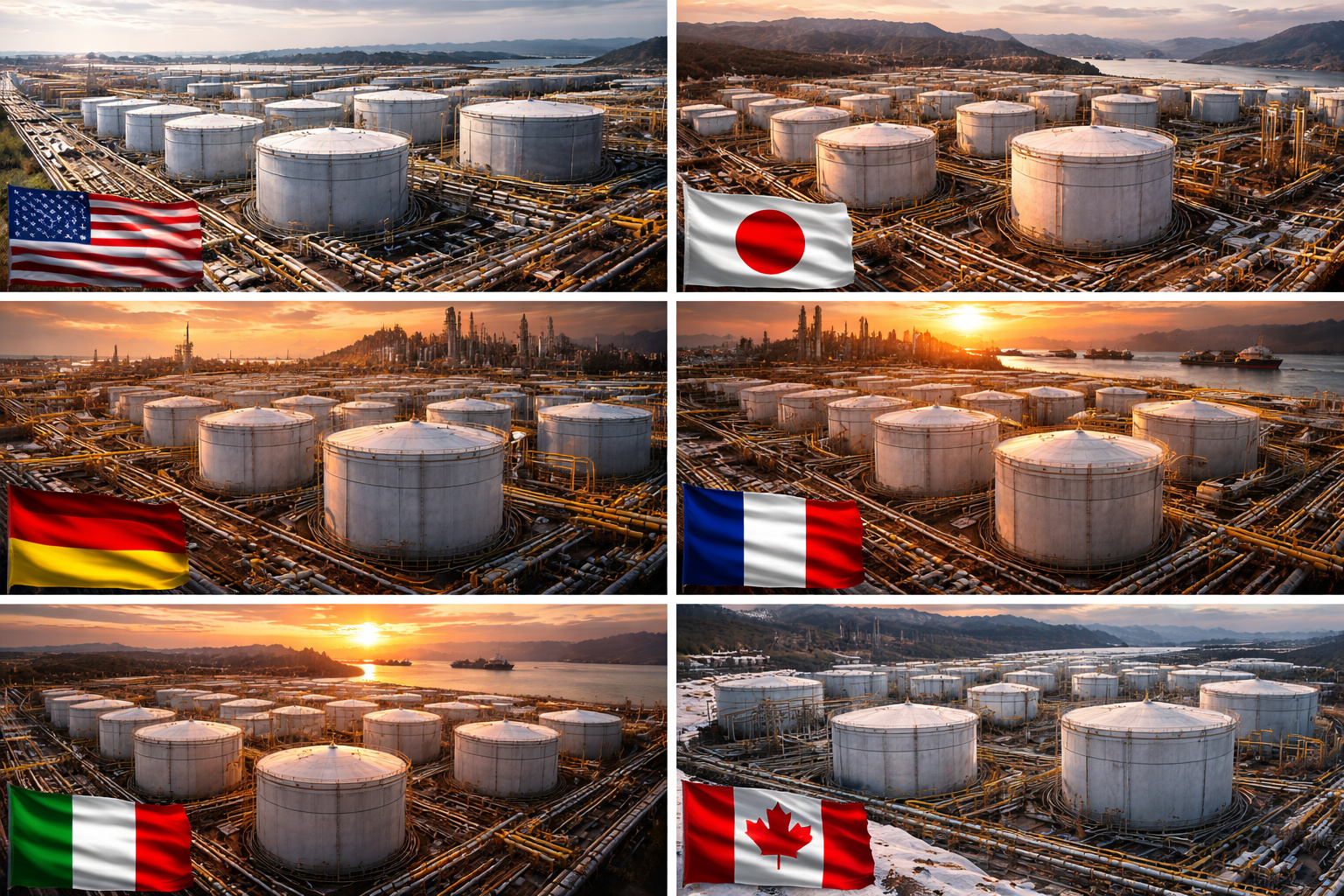
Oil Soars to Nearly $120, Middle East Tensions Shake Global Market, and a Little-Known Detail Returns to Energy Debate: The Gigantic Strategic Reserves Hidden by G7 Countries — See How Many Millions of Barrels Each Nation Holds in Reserve to Face a Global Crisis
-
Gasoline And Diesel May Change Course In Brazil: International Oil Pressure Renews Debate On Prices And Direct Impact On Drivers’ Wallets
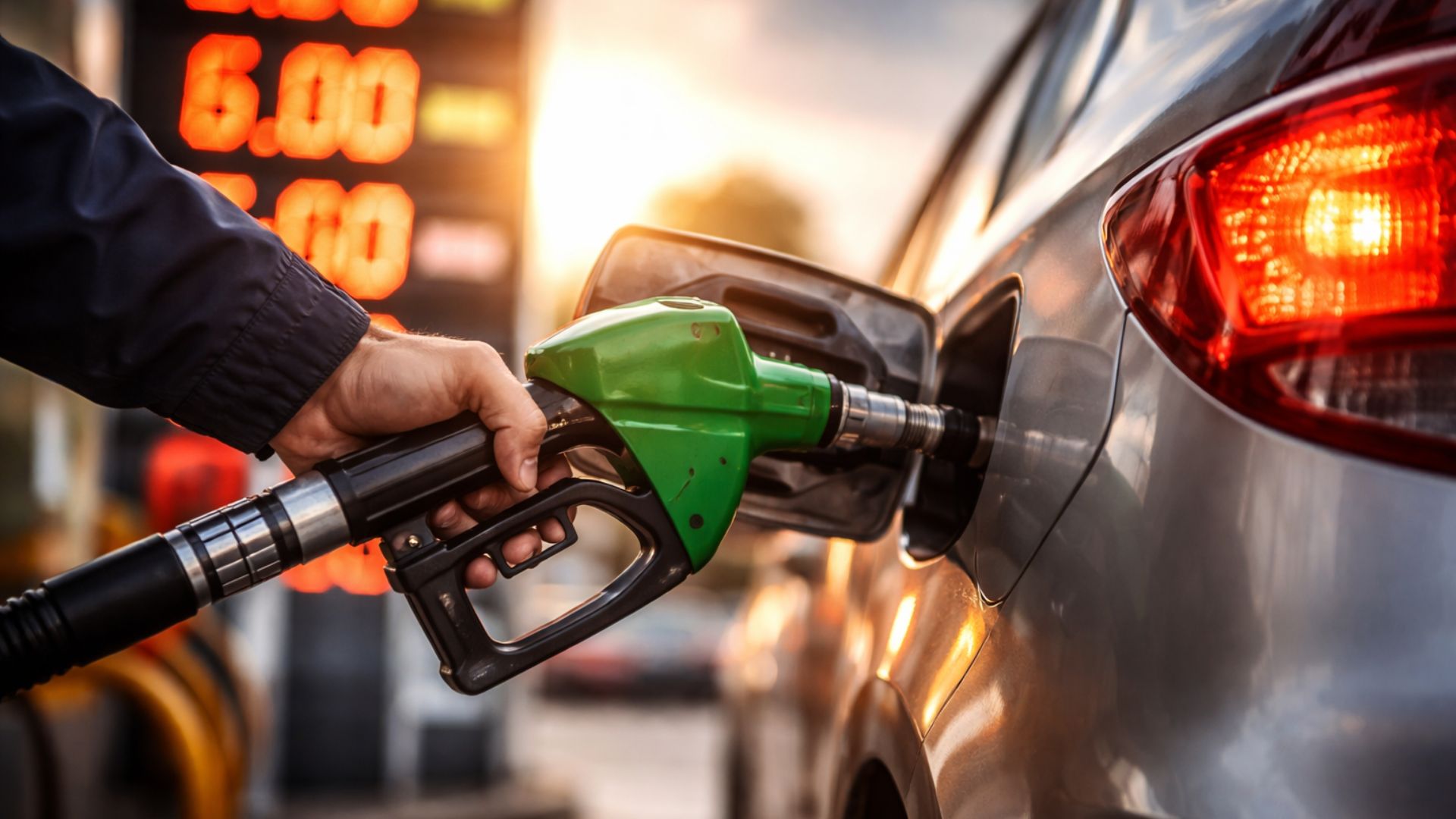

Announced Cut Does Not Reflect at the Fuel Stations
Petrobras indicated that the adjustment aims to align prices with the international scenario. The state-owned company also highlighted the attempt to reduce inflationary pressures. Still, the pass-through did not occur automatically.
In Belo Horizonte and in cities in the countryside, the price of gasoline remains above R$ 6.50 at many stations. This figure contrasts with the expectation created after the announcement of the cut.
Experts explain that the final price of gasoline does not depend solely on the refinery. It includes distribution costs, logistics, and profit margins of the stations. In addition, taxes continue to weigh heavily on the final price.
Taxes and Distribution Hinder the Pass-Through
One of the main factors preventing a price drop is the ICMS, a state tax that applies to fuels. In Minas Gerais, this tax represents a significant portion of the amount paid by consumers.
After leaving the refinery, gasoline passes through distributors. It then reaches the stations. Each stage adds its own costs and margins. This process reduces the impact of the initial cut.
Economists consulted by Diário do Comércio claim that this behavior is common. When there is an increase, the pass-through is usually quick. When there is a decrease, the effect tends to be slower.
Drivers React to the Lack of Reduction
Among consumers, the perception is one of disbelief. Many state that announcements of reductions rarely translate into real relief in daily life.
Interviewed drivers report that the price of gasoline continues to pressure their monthly budget. For those who depend on their car for work, the impact is even greater.
High fuel prices also affect other sectors. The transportation of goods becomes more expensive. This influences the price of food and services. The lack of pass-through, therefore, goes beyond individual refueling.
Price History and Petrobras’ Policy
The formation of gasoline prices in Brazil has been a topic of debate for decades. Since the 2000s, the country has alternated between control policies and aligning with the international market.
In recent years, Petrobras has adopted a strategy closer to global fluctuations. This has brought greater volatility. At the same time, it has exposed consumers to frequent fluctuations.
The 5.2% cut announced now fits into this context. It represents a specific adjustment. However, it does not resolve structural bottlenecks in the fuel supply chain.
What Could Change This Scenario
Experts advocate for greater transparency in price formation. They also suggest policies that encourage the pass-through of reductions to the final consumer.
Another alternative would be to revise the tax burden on fuels. However, this debate involves states and the federal government. Therefore, it progresses slowly.
Meanwhile, the market continues to operate in a decentralized manner. Each station sets its own prices. This complicates a uniform pass-through of decreases.


Expectations for the Coming Months
The expectation of drivers in Minas Gerais is that new reductions will occur. If this happens, the continuing challenge will be the effective pass-through.
Analysts evaluate that the behavior of the dollar and oil will be decisive. If international prices fall, new cuts may be announced.
Still, the main question remains: when will the announced drop at the refineries actually reach the pumps?
Until then, the gap between discourse and practice continues to fuel criticism. For consumers, what matters is simple. The announced price only makes a difference when it appears on the pump display.








-

Uma pessoa reagiu a isso.