





 English
  Francês
  Alemão
  Italiano
  Japonês
  Norueguês
  Portuguese
  Spanish
  4 min of reading


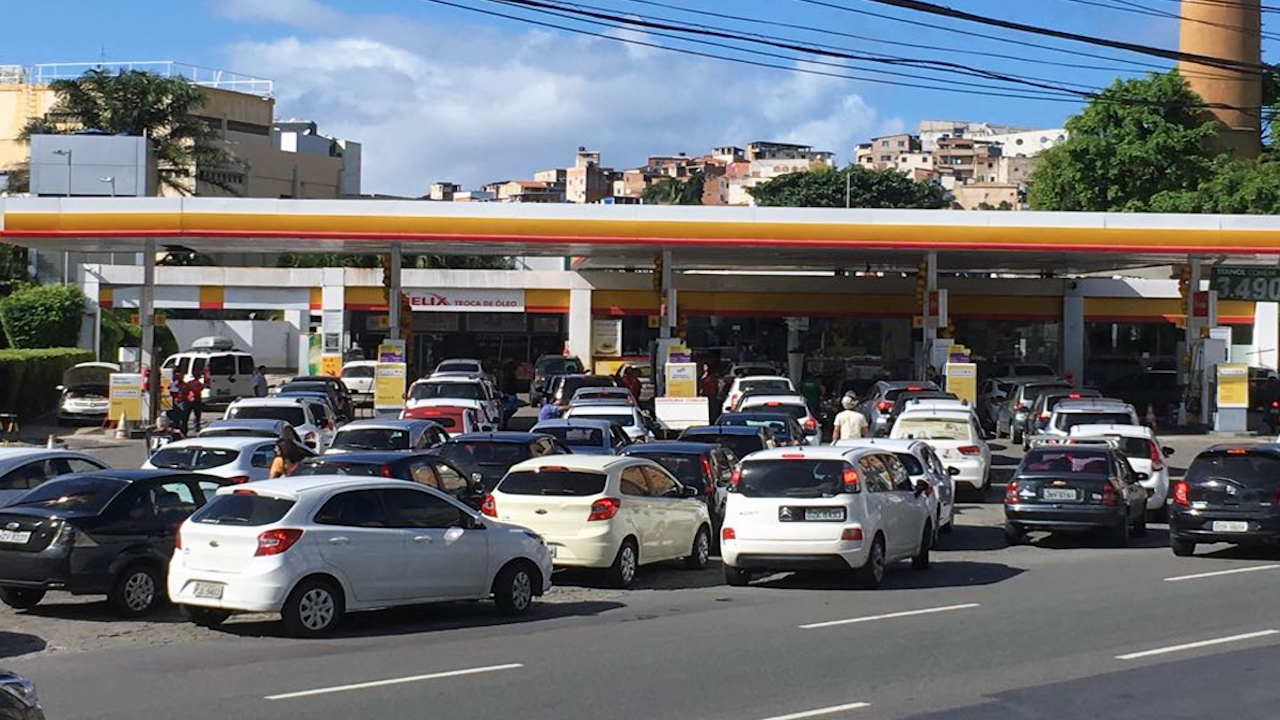
Project to Contain Fuel Price Increases Should Enter the Agenda of the Plenary in February and Promises to Lower the Price of Gasoline and Diesel by Up to R$ 3.00 per Liter. Measure Will Provide Relief to Consumers
Gasoline and diesel prices may plummet to R$ 4.00! The Senate should discuss starting in February a solution to curb the soaring fuel prices, which are currently experiencing constant spikes. The President of the Senate, Rodrigo Pacheco, announced on January 17 that he would submit to the leaders’ college the PL 1,472/2021, which creates a program to stabilize the price of oil and its derivatives in Brazil. If there is agreement among the leaders, the project will enter the agenda of the Plenary.
Also Read
- Brazil, the World Leader in Ethanol Production, Will Profit from India’s New Fuel Policy, Which Provides for the Addition of 20% Biofuel to Gasoline Starting in 2023
- After New Increase in the Price of Gasoline and Diesel from Petrobras, State Secretaries Decide to End ICMS Freeze on Fuels and Consumers Have Nowhere to Turn
- Increase in Petrobras Fuel Prices Does Not Prevent Repar from Setting Monthly Record for Gasoline Sales in Paraná and Santa Catarina; State Refinery Delivered 3.7 Million m³ of the Product to Distributors
- After 77 Days Without Increases, Petrobras Is Pressured to Raise Gasoline and Diesel Prices Starting Tomorrow (12/01) to Ensure the Market is Supplied on Economic Grounds and Without Risk of Shortages
“I will submit it for evaluation by the Leaders’ College at the beginning of February. The intention is to schedule it. Senator Jean Paul Prates will be the rapporteur and is dedicating a lot to the subject,” Pacheco reported.
The impact of this subsidy package could result in a decrease of up to R$ 3 in diesel and gasoline prices, and up to R$ 20 in the 13kg gas cylinder within a period of up to 40 days after approval by the Executive Power or the President of the Republic.
-
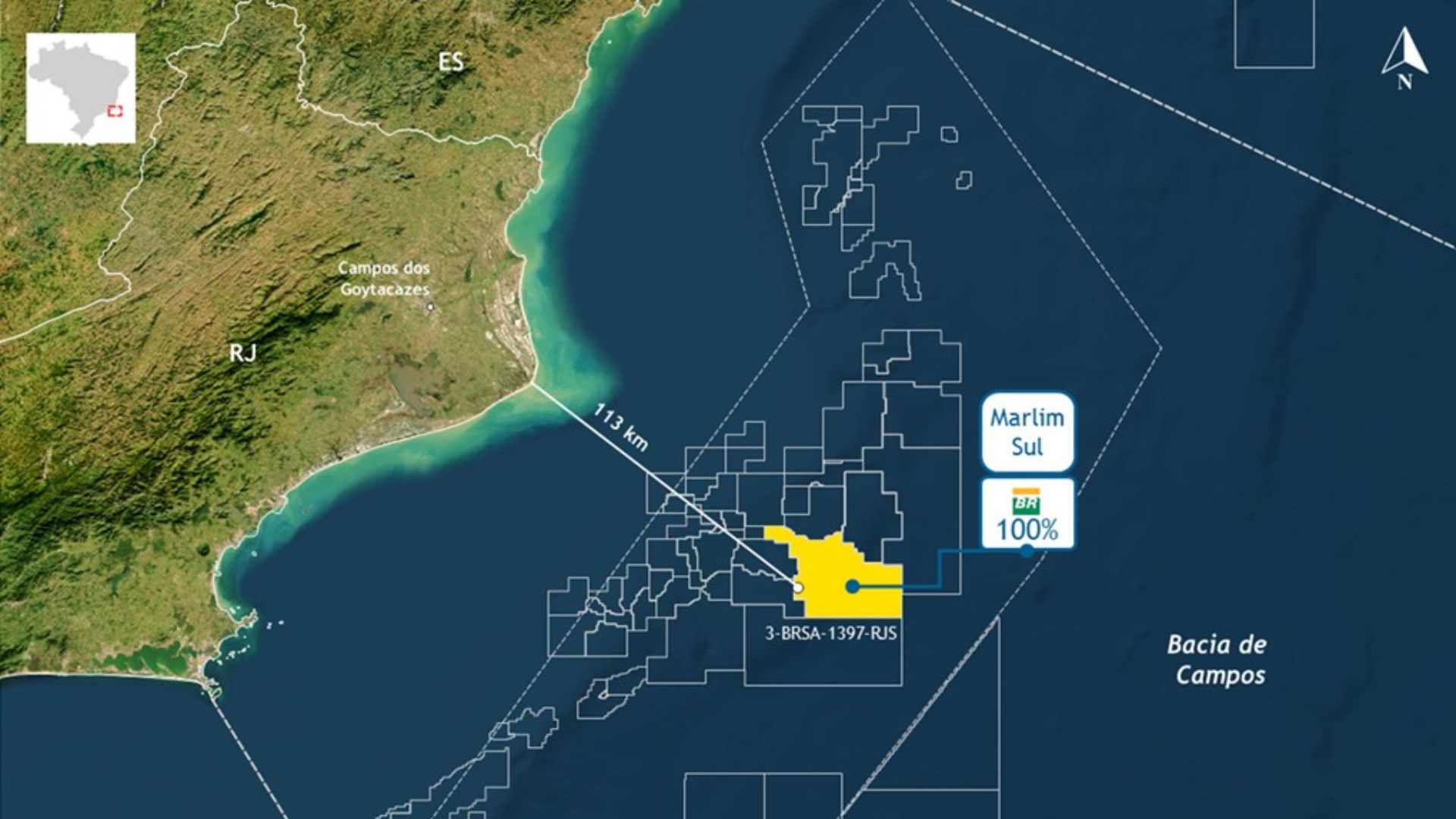
Petrobras finds high-quality oil in the pre-salt at 113 km from RJ and reignites expectations about strategic reserves in the Campos Basin.

-
Ocyan opens registrations for startups focused on innovation in the oil and gas sector and will select projects for Innovation Day with the support of Nexio.

-
Petrobras announces new oil discovery in the pre-salt of the Campos Basin and reinforces Brazil’s prominence with high-quality reserves that can increase production and energy revenues.
-
Alert in the fuel market: Analysts and a former director of ANP warn that oil prices may worsen in the coming months due to global instability.
A “Compensation Account” Should Be Created with Funds from Government Profits Due to the “Exceptional High of the Dollar and Oil” to Ensure the International Price for the Refiner and Importer
The PL 1,472/2021, from Senator Rogerio Carvalho (PT-SE), was approved by the Committee on Economic Affairs (CAE) in December 2021, and contains measures to mitigate the impacts of rising oil prices and curb fuel price increases. The proposal was approved in the form of a substitute (alternative text) by Senator Jean Paul Prates (PT-RN).
The text, according to Jean Paul, is based on three pillars: in addition to creating a stabilization program aimed at reducing the volatility of petroleum-derived prices, it establishes a new policy for internal sales prices to distributors and trading companies of petroleum derivatives produced in Brazil.
Furthermore, it presents a set of potential funding sources to prevent recurring price increases at the fuel pump and in the sale of gas to consumers. Among these sources is an export tax on crude oil, the main point of divergence among senators. According to the proposal, the revenue from this tax will be used to subsidize price stabilization when the product values rise.
Last Week, Petrobras Increased the Prices of Gasoline (4.85%) and Diesel (8.08%) for Distributors
Fuel prices underwent successive increases in 2021, resulting in a rise at gas stations of around 44%. Last week, Petrobras raised the prices of gasoline (4.85%) and diesel (8.08%) for distributors, raising concerns among senators. The increase in fuel prices has impacted the inflation rate, which exceeded 10% in 2021.
In the substitute approved by the CAE, the tax rates for the Export Tax on crude oil are changed. The approved project establishes minimum and maximum rates for the tax, which will vary according to the product price and in some situations will be zeroed as a way to subsidize stabilization.
Under the substitute, the rate will be a minimum of 2.5% and a maximum of 7.5%, applied only to the portion of the crude oil value between US$ 45 and US$ 85 per barrel. The rate increases to a minimum of 7.5% and a maximum of 12.5% when applied to the portion of crude oil value above US$ 85 per barrel and equal to or below US$ 100 per barrel. For portions exceeding US$ 100 per barrel, the rate will be a minimum of 12.5% and a maximum of 20%.
According to the rapporteur, the tax is just one of the tools the government will have to ensure that international barrel increases do not frequently impact family budgets and the entire economy.
Other funding sources and instruments that may be utilized as a price “cushion,” at the government’s discretion, include: dividends from Petrobras owed to the Union; government participations destined for the Union resulting from the oil concession and sharing regime; positive results reported in the Central Bank balance of foreign reserves; and revenue from financial surplus from freely available sources in the Union’s balance sheet.
Another Project Under Review in the Senate Seeks to Prohibit Linking Fuel Prices to Dollar and Brent Prices on the International Market
Another project is under review in the Senate, PL 3,450/2021, from Senator Jader Barbalho (MDB-PA). The text presented in October prohibits linking the prices of petroleum-derived fuels to the dollar and barrel prices on the international market.
For the senator, the U.S. dollar directly impacts fuel prices because, since 2016, Petrobras has used the barrel price in dollars to adjust domestic gasoline prices. “In other words, when the dollar is high, the price of the barrel of oil also rises, directly impacting Brazilian fuel prices,” explained Jader Barbalho.
– Senate Agency










Seja o primeiro a reagir!