





 Portuguese
  English
  Spanish
  3 min of reading


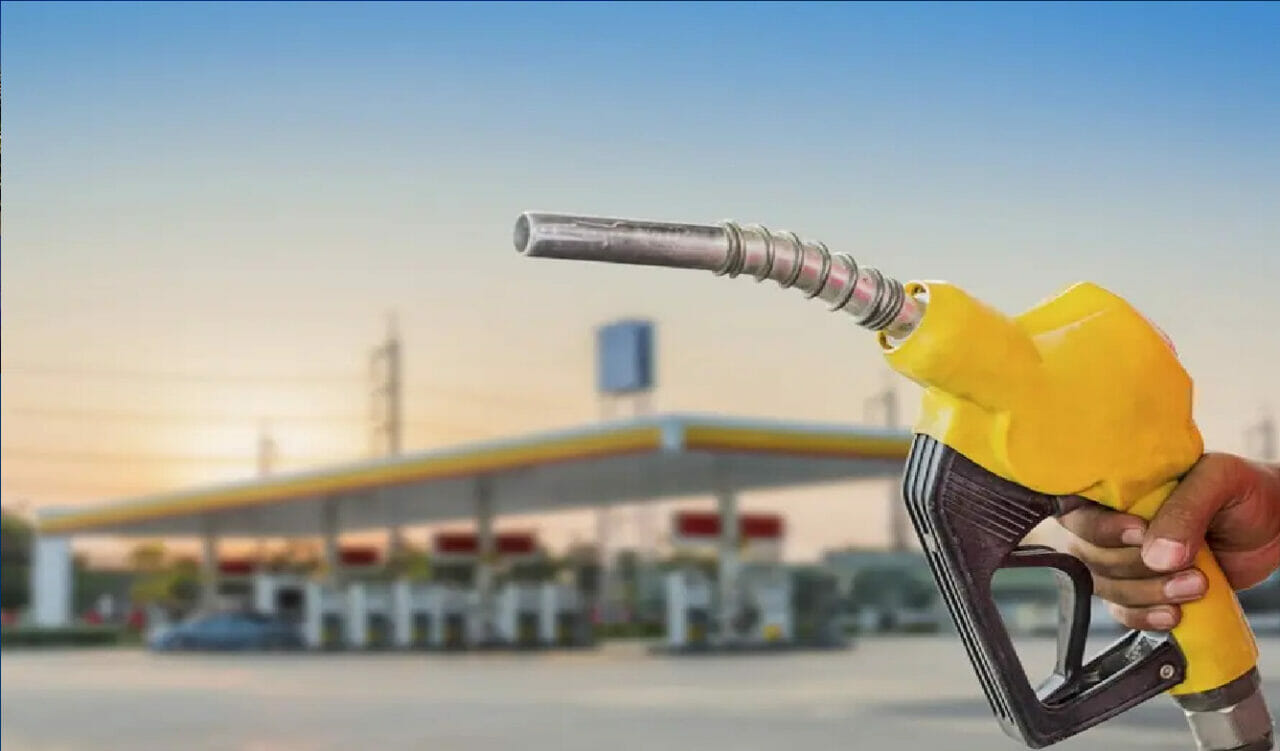
The Global Fuel Market Faces Challenges Due to Refinery Issues and Low Gasoline Stocks
The rise in gasoline prices has been a reality in various parts of the world and is becoming a new inflationary threat for central banks and governments. It is estimated that gasoline prices have reached a nine-month high in New York and Asia. This situation is due to an unexpected combination of refinery problems and low stocks in key storage hubs, such as the Gulf Coast in the U.S. and Singapore, according to Exame.
In the U.S., gasoline futures have already risen more than 20% this year at refineries, even though oil prices are at the same level as at the end of 2022. This increase could be a cause for concern for the Federal Reserve and other major central banks, which are signaling the end of the fight against inflation, as long as economic data permits. Andrew Hollenhorst, chief economist for the U.S. at Citigroup, emphasizes that “higher energy costs can push consumer prices up and lead to renewed inflation of goods – a sector where price increases have slowed.”
Contributing Factors to High Prices
The combination of low stocks and high demand in key regions is driving high prices at refineries worldwide. In Europe, gasoline prices are rising faster than oil prices, although they have yet to fully translate into higher costs at gas stations.
-
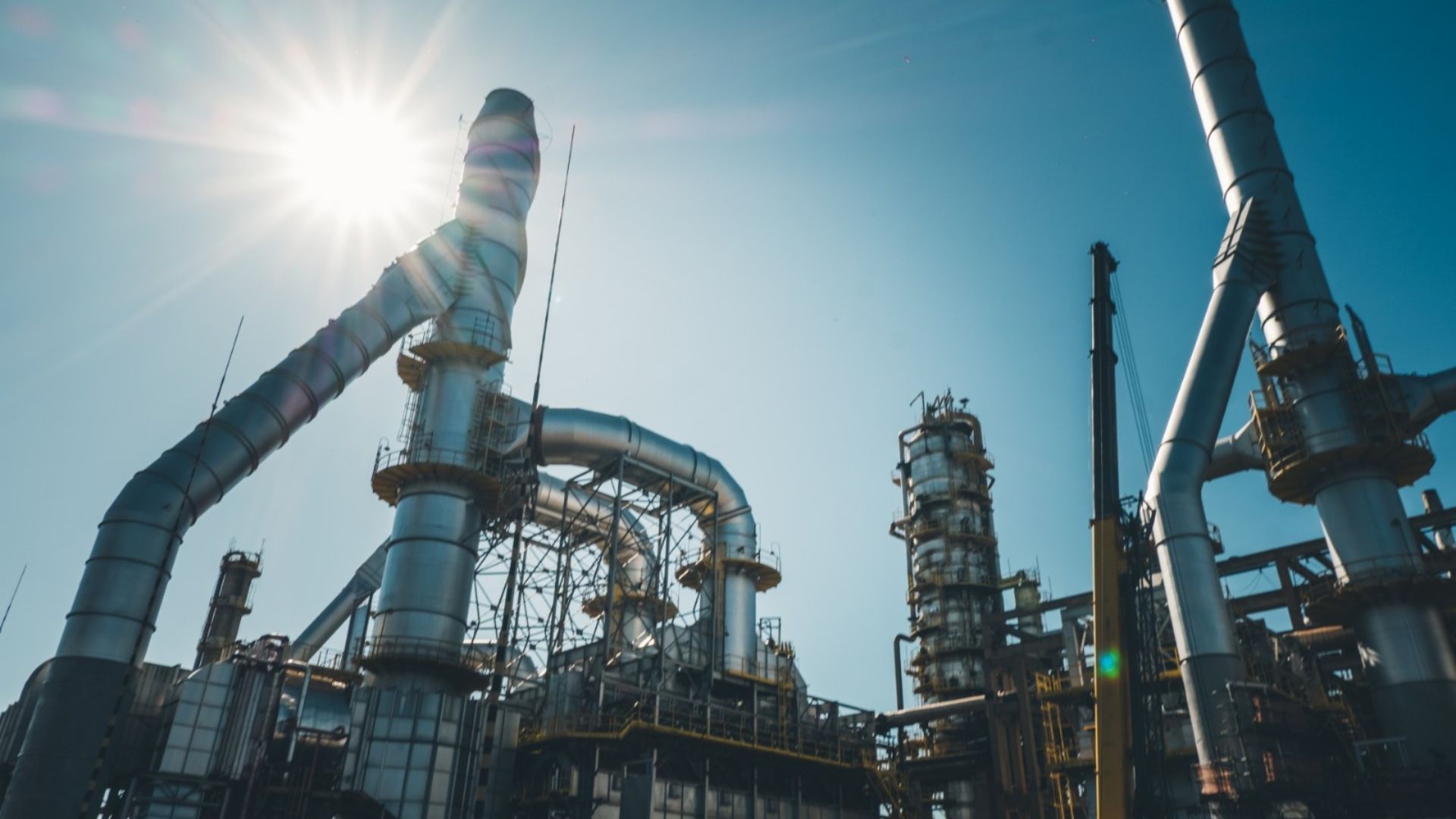
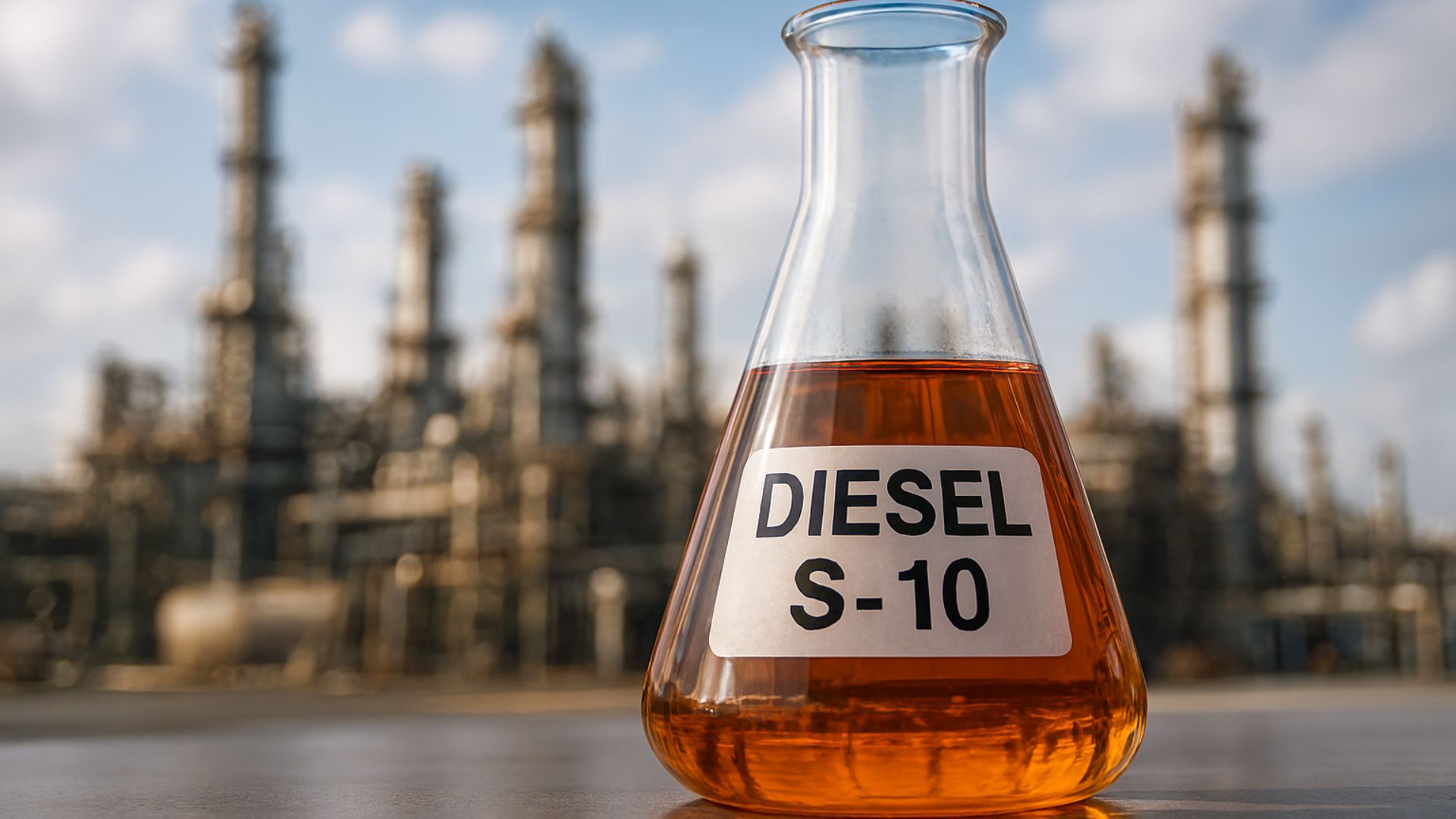
Petrobras Expands Refining in Brazil, Increases Production of Diesel S-10 and Gasoline, Enhances Operational Efficiency, and Reduces Import Dependence Between 2023 and 2025
-
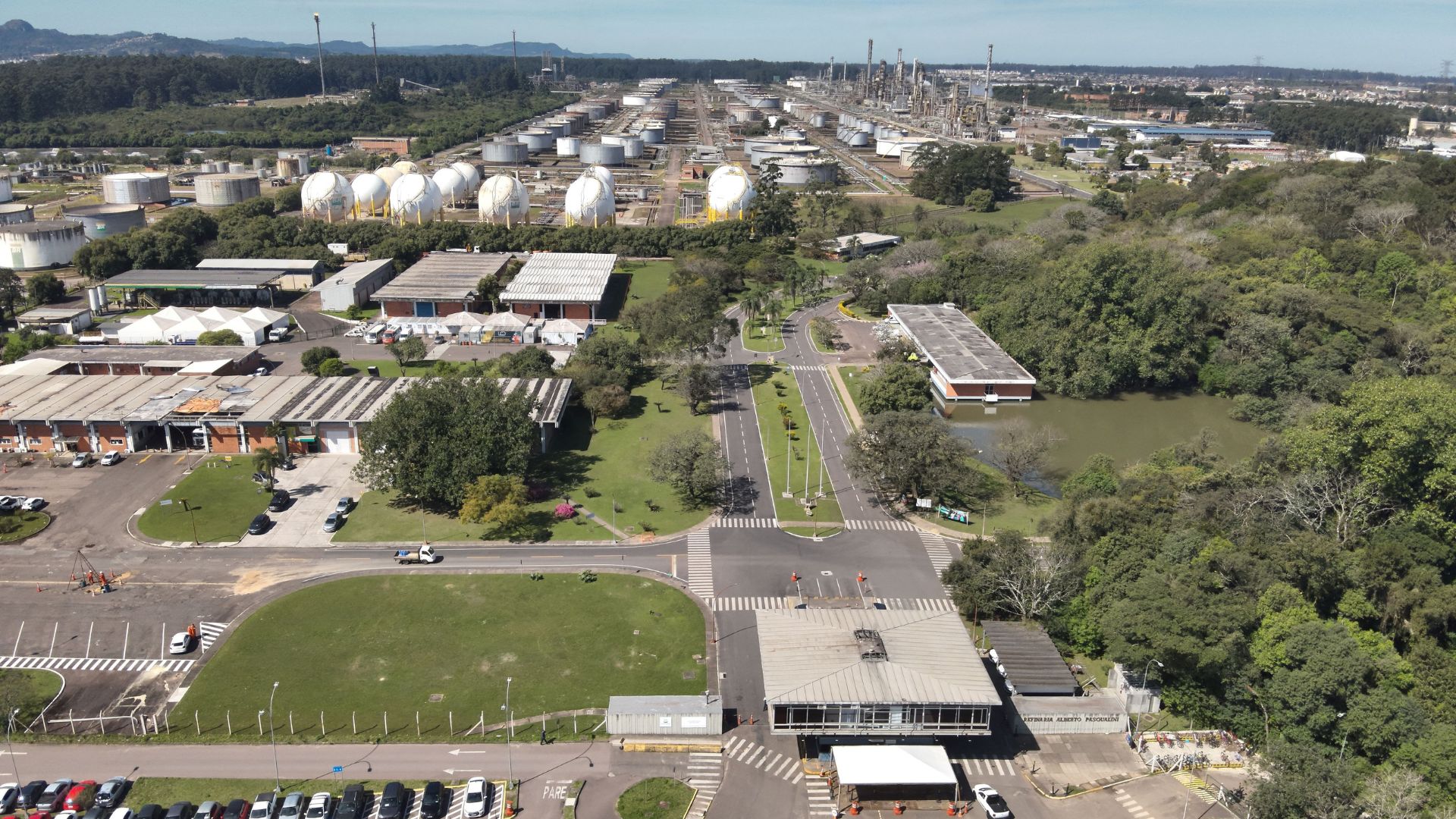
Petrobras’ Refap Sets Historic Records for Gasoline and S-10 Diesel Production in Canoas in Q4 2025, Surpassing Previous Figures
-
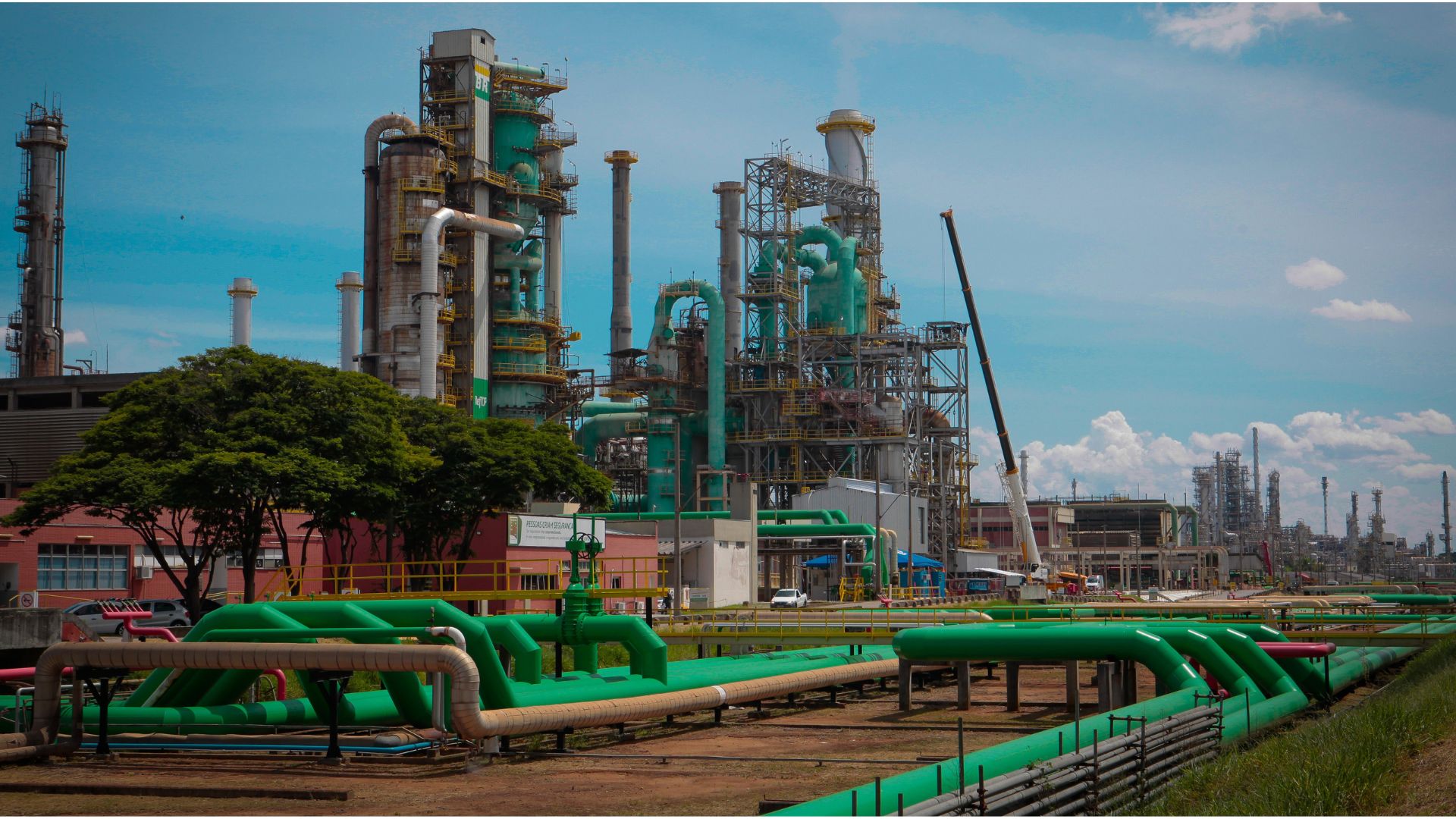
Revap Starts Operation of Modernized HDT and Petrobras Expands S-10 Diesel Production by 80% at the Refinery, Boosting Supply of Less Polluting Fuel in Brazil
-
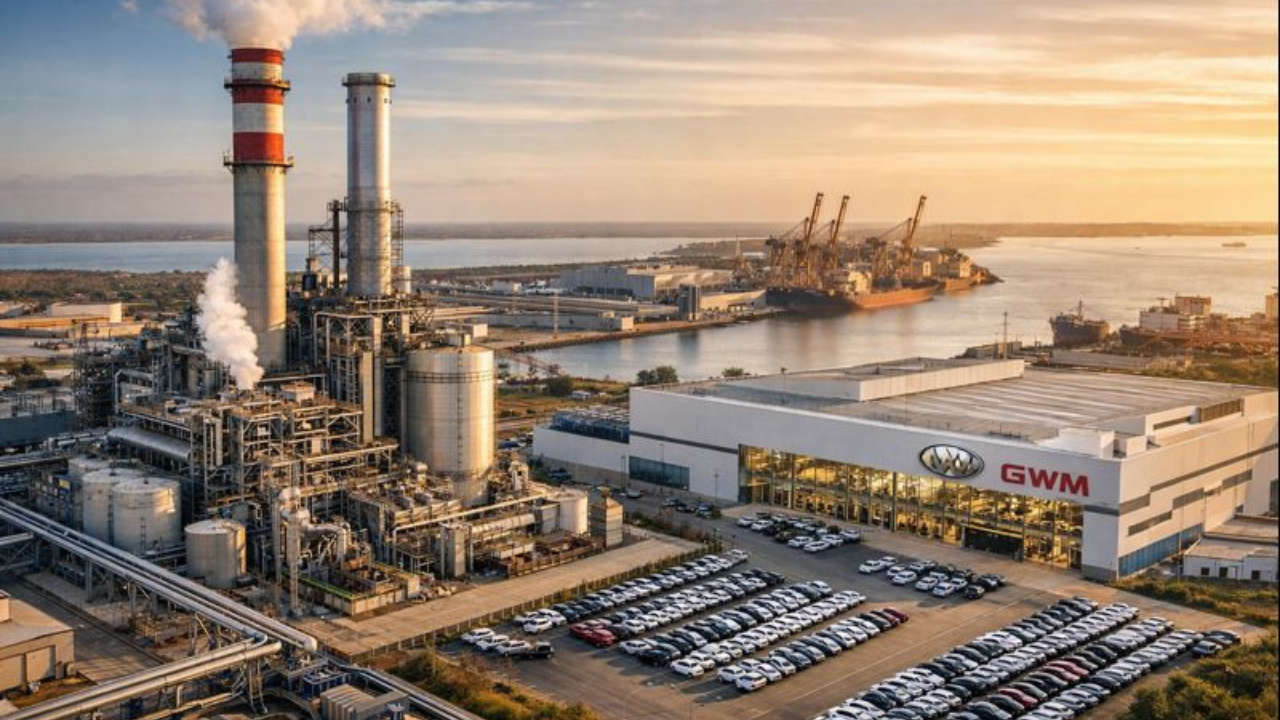
Thermal Power Plant in Rio Grande do Sul Is Key to Attracting GWM

Meanwhile, refineries in Singapore, a major logistics hub in Asia, are also facing tight conditions due to lower-than-expected Chinese exports. This poses a challenge for many emerging markets, where governments subsidize fuels to mitigate the impact on the cost of living.
Limited Global Gasoline Supply
The global gasoline supply has not been able to recover significantly from historically low levels, even with increased refining capacity in the Middle East and China. Unplanned disruptions, such as those at Exxon’s Baton Rouge refinery in the U.S., Shell’s Pernis plant in Rotterdam, and ENEOS Holdings’ Mizushima complex in Japan, have further restricted global supply.
China as an Oil Importer with High Demand
China, the largest oil importer, shows indicators pointing to strong demand. Traffic congestion in the 15 cities with the highest car registrations has increased by about 25% in comparison with January 2021, according to data from Baidu tracked by BloombergNEF. At the same time, commercial gasoline stocks are at their lowest level since at least 2019.
With gasoline demand projected at around 3.3 million barrels per day in July, China is experiencing a 14% increase compared to the same month in 2019, the last year before the restrictions imposed by the Covid-19 pandemic.








Seja o primeiro a reagir!