





 English
  Francês
  Alemão
  Italiano
  Japonês
  Norueguês
  Portuguese
  Spanish
  3 min of reading


With the Approval of the Bill That Sets the ICMS Rate at 17% for Fuels in Brazil, the Oil and Gas Sector Is Optimistic About the Senate and Expects a Reduction in Gasoline Prices Over the Coming Months
During last Wednesday, (05/25), the Chamber of Deputies approved Bill 18/2022, from Deputy Danilo Forte (União/CE), which sets the limit of 17% for the ICMS rate charged on fuels and energy. And, awaiting approval from the Senate, the fuel sector is optimistic and projects a reduction in the prices of resources and, mainly, gasoline, which could drop by up to R$ 0.70 with the bill.
We approved tonight in the Chamber of Deputies, by 403 votes to 10, the base text of the bill that limits the ICMS rate on fuels, electricity, and transport to 17%. The next step is the Senate’s review.
— Luiz Lima (@Oficialluizlima) May 26, 2022
ARTICLE CONTINUES BELOWSee also
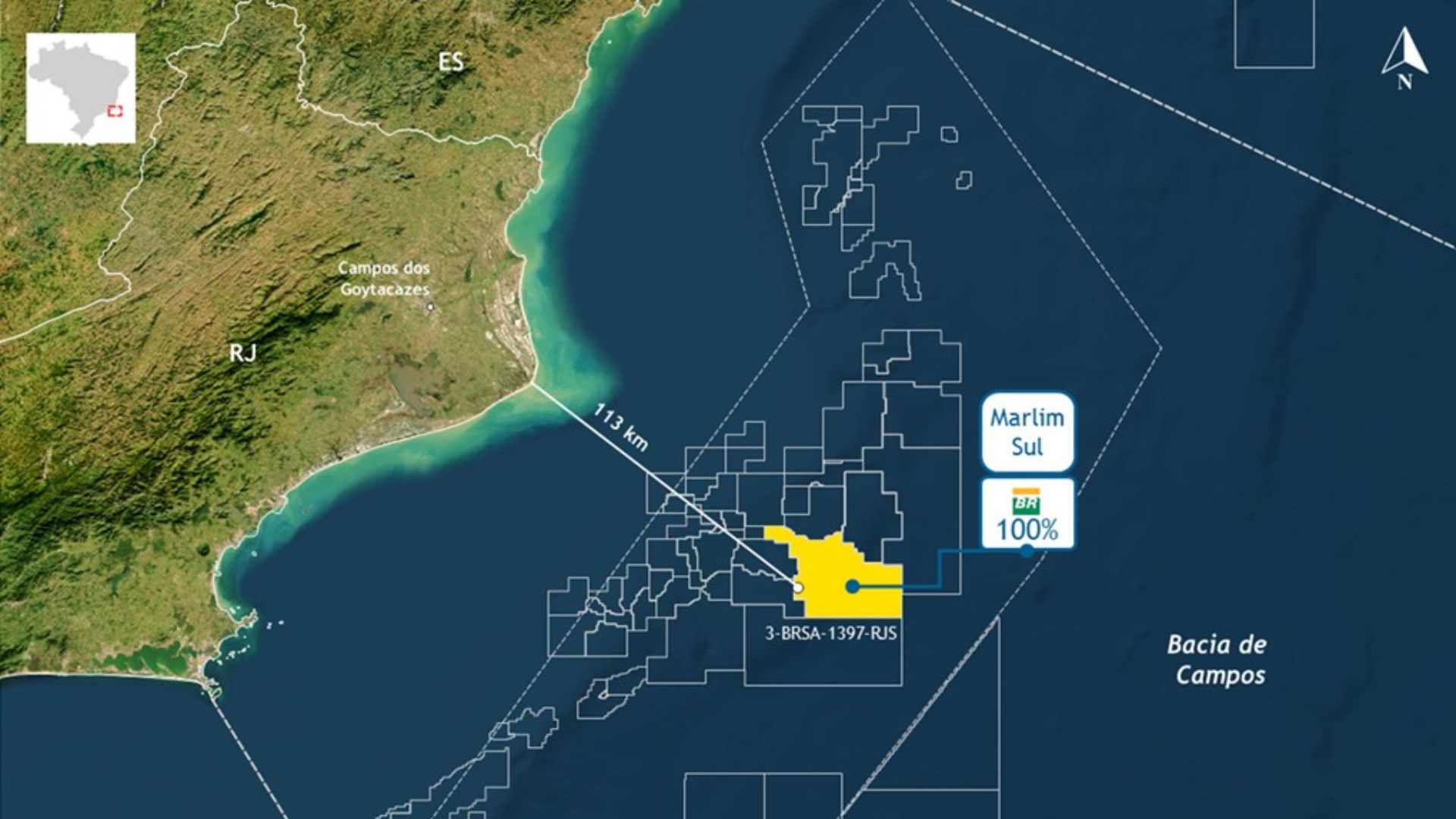
Petrobras finds high-quality oil in the pre-salt at 113 km from RJ and reignites expectations about strategic reserves in the Campos Basin.

Ocyan opens registrations for startups focused on innovation in the oil and gas sector and will select projects for Innovation Day with the support of Nexio.

Petrobras announces new oil discovery in the pre-salt of the Campos Basin and reinforces Brazil’s prominence with high-quality reserves that can increase production and energy revenues.
Alert in the fuel market: Analysts and a former director of ANP warn that oil prices may worsen in the coming months due to global instability.
Bill That Determines the ICMS Rate at 17% for Fuels and Energy Is Approved by the Chamber of Deputies and Moves to the Senate
With the approval of Bill 18/2022, from Deputy Danilo Forte (União/CE), which sets the limit of 17% for the ICMS rate charged on fuels and energy, by the Chamber of Deputies this week, the oil and gas sector begins to forecast the future of the national market. This is because, if the law is indeed implemented, the price of gasoline could see a considerable drop in the coming months.
After the Chamber of Deputies approved the Bill, the text will now move to the Senate and await approval from that body, so that the ICMS rate on fuels and energy can begin to be applied. Additionally, with the approval, the President of the House, Arthur Lira (PP-AL), announced that other proposals regarding fuel and energy prices will remain on the agenda, aiming to prevent an even greater increase in the prices of derivatives such as gasoline and cooking gas.

Furthermore, if Bill PLP 18/2022 is approved by the Federal Senate by December 31, 2022, the federal government will need to pay compensation to the states for the loss of tax revenue. The text aims to ensure greater stability in the national fuel market and, in the long term, could lead to a significant reduction in gasoline prices, which have been rising sharply over the last months of 2022.
With the Approval of Bill by Danilo Forte, the Fuel Sector in Brazil Projects a Reduction in Gasoline Prices and a Very Positive Future Scenario
Following the announcement of the Bill’s approval by the Chamber of Deputies and if it is approved by the Senate, the fuel sector in Brazil begins to assess the impacts of the ICMS rate fixation on the national market. Thus, it is expected that the price of regular gasoline will drop between R$ 0.52 and R$ 0.70 at the pumps, a relief for the consumers’ wallets in the national market.
In this way, the President of the Regional Economic Council of DF, César Bergo, commented on the impact of a possible bill approval and stated that “If this happens today, around 7% to 8% of the pump price will drop. It would be R$ 0.60 to R$ 0.70. When gasoline is over R$ 7, any reduction helps and, depending on individual consumption levels, it can be significant. But this is temporary and, for us to have a real solution, there needs to be more price regulation; the government should invest more in refineries, producing more raw material in the country.”
And, despite the positive projection for gasoline prices in the coming months, there is still a need for the Senate’s approval of the Bill that fixes the ICMS rate at 17%, and, more importantly, there must be good international market coordination to ensure that prices charged in Brazil do not rise.










Seja o primeiro a reagir!