





 English
  Francês
  Alemão
  Italiano
  Japonês
  Norueguês
  Portuguese
  Spanish
  4 min of reading


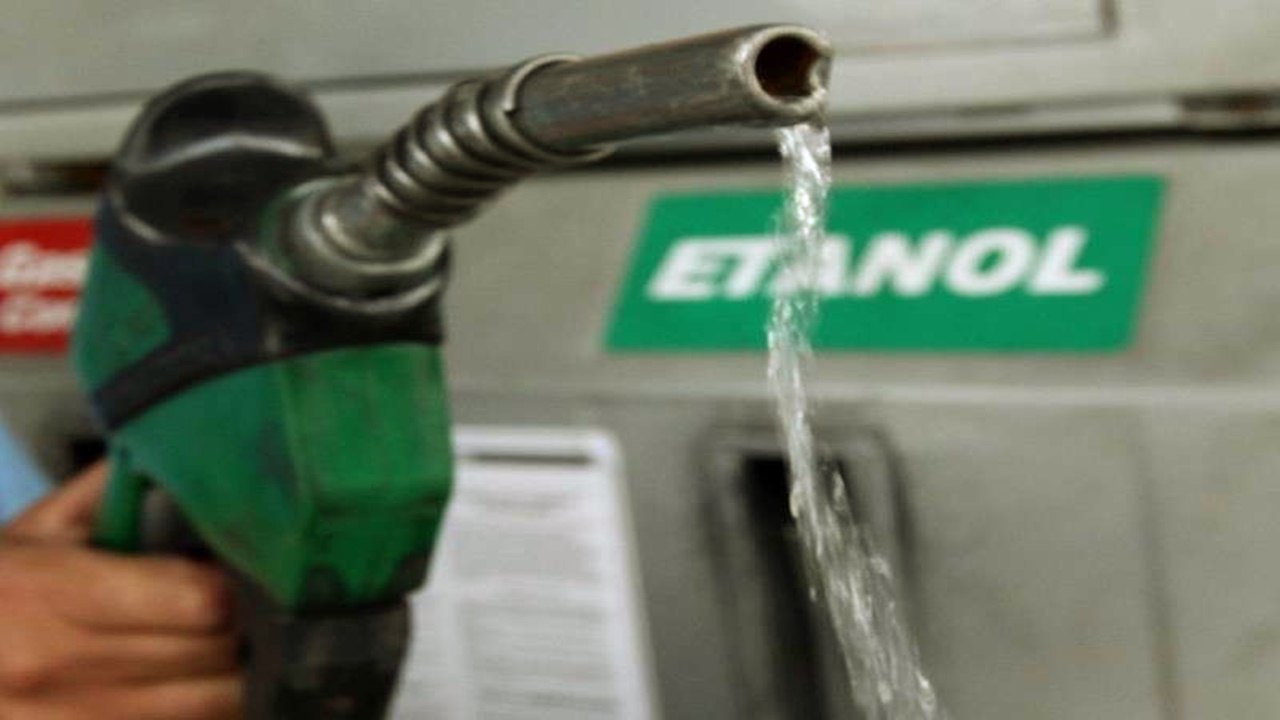
Ethanol Price Continues to Soar at Fuel Stations Due to Sugar Shortage and Increase in Anhydrous Alcohol, and Who Pays the Bill Are the Brazilians
After a year of pandemic, consumers are faced with a very different reality regarding the price of ethanol at fuel stations. The biofuel cost as much as R$ 1.99 per liter last March, but currently, the reality is quite different, with ethanol prices reaching almost R$ 5.00 at some fuel stations. According to information from the Brazilian Sugarcane Industry Association (Única), the price of ethanol may continue to rise and should normalize by the first half of June.
Read Also
- After Bringing Factory from the USA to Brazil, Multinational Bosch Bets on Using Ethanol to Power Electric Cars and Dispense Batteries
- Ethanol Price Evaporates at Mills and Exporting the Biofuel to the USA, the World’s Leading Consumer of Ethanol, Becomes a Very Advantageous ‘Salvation’
- Ethanol Production Plummets and Mills Increase Sugar Production Due to Low Cane Prices
- Hydrogen Blending with Ethanol Promises to Revolutionize Yield and Reduce Fuel Consumption in Flex Engines
- Ethanol Mills and Sugarcane Suppliers Clash Over the Division of Revenue from the Federal Renovabio Program’s Carbon Credits
- Direct Ethanol Sales from Mills Will Stimulate Competition and Curb the Increase in Gasoline Prices at Fuel Stations
- Ethanol Price Soars at Pumps with Growing Consumption and Mills Taking More Sugar; Who Pays the Price Is the Consumer
We can say that a significant influencer in the rise of ethanol prices is related to the increase in gasoline prices, following Petrobras’s adjustments, which have already raised the fuel price by over 53% this year alone, and, combined with the off-season of sugarcane, has caused ethanol prices to skyrocket.
Why does the rise in gasoline prices influence the price of ethanol? When gasoline prices rise, more drivers opt for ethanol, demand increases, and prices go up.
-
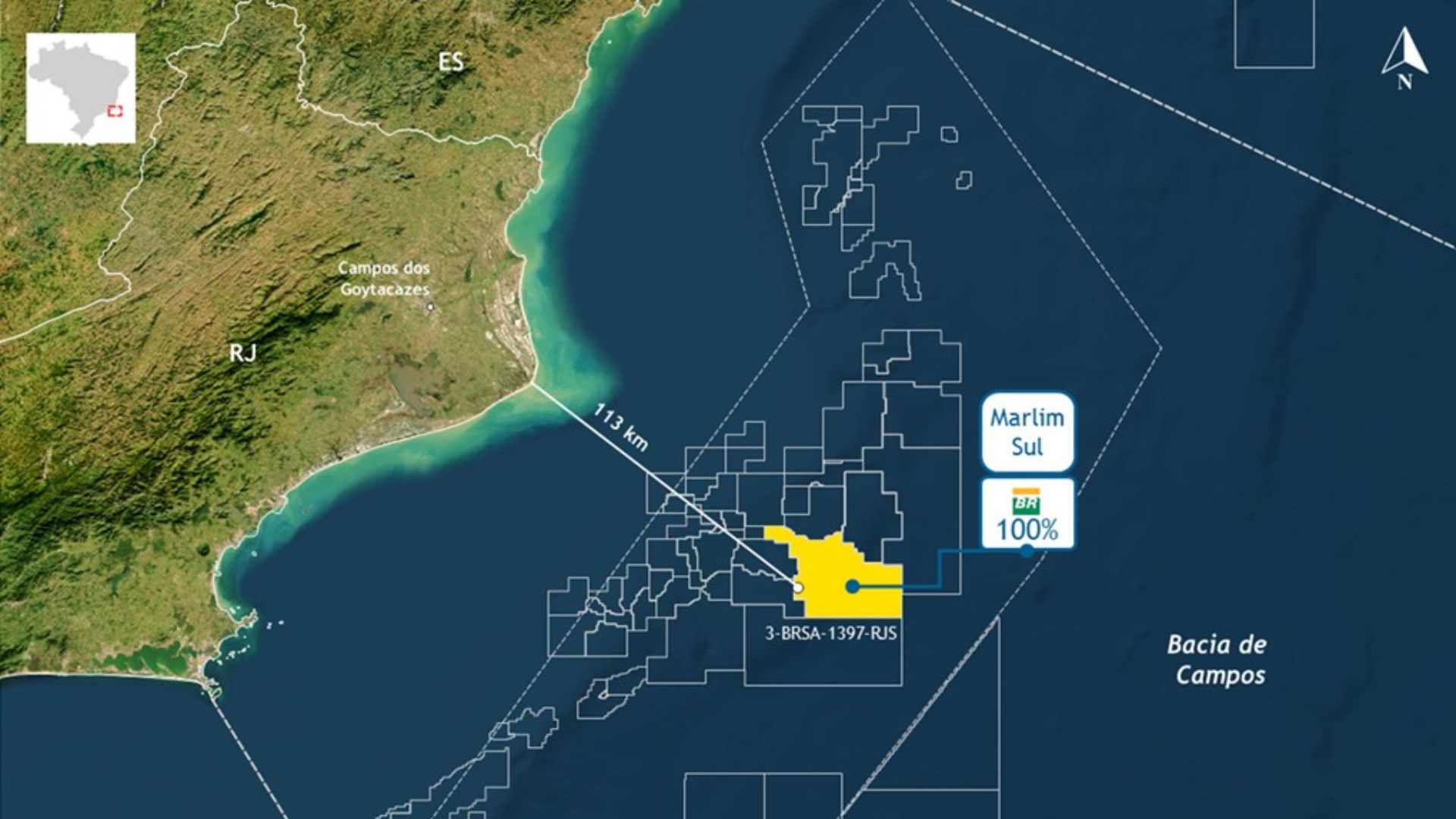
Petrobras finds high-quality oil in the pre-salt at 113 km from RJ and reignites expectations about strategic reserves in the Campos Basin.

-
Ocyan opens registrations for startups focused on innovation in the oil and gas sector and will select projects for Innovation Day with the support of Nexio.

-
Petrobras announces new oil discovery in the pre-salt of the Campos Basin and reinforces Brazil’s prominence with high-quality reserves that can increase production and energy revenues.
-
Alert in the fuel market: Analysts and a former director of ANP warn that oil prices may worsen in the coming months due to global instability.

“Ethanol is an agricultural product and, as always, there are harvests and off-seasons. It is normal to have a price increase during this time of year. What is not normal is the increase in gasoline prices, which ends up pulling ethanol prices up due to the increased demand,” says Guilherme Moreira, coordinator of the CPI (Consumer Price Index) at Fipe (Fundação Instituto de Pesquisas Econômicas).
With the Spike in Ethanol Prices, Refueling with Gasoline Becomes More Advantageous
The indicator from the Center for Advanced Studies in Applied Economics (Cepea), from the Department of Economics, Administration and Sociology at the “Luiz de Queiroz” School of Agriculture (Esalq/USP), shows that ethanol prices varied by 14.48% this month. At the distributor, the liter sells for R$ 3.12, according to a survey on May 10.
With ethanol prices skyrocketing at fuel pumps, refueling with gasoline in the capital and the state of São Paulo is already more worthwhile for drivers.
Although consumers recognize that gasoline is a polluting fuel compared to ethanol, the switch becomes inevitable from an economic perspective. “There’s no way around it. For those who drive more than 200 kilometers a day, they have to switch fuels,” says Adriano Ribeiro, who works as a ride-share driver.
The math for drivers when refueling is even simpler. Just divide the price of ethanol by the price of gasoline. If the result is up to 70%, it is more advantageous to fill the tank with alcohol. Otherwise, gasoline is more worthwhile.
According to the CPI (Consumer Price Index) from Fipe, which measures inflation for families in the city of São Paulo, ethanol was the fifth product with the highest price increase between January and February, with 4.28%.
What Fuel Station Owners and Ethanol Producers Are Saying
The president of Sincopetro (Union of Retail Trade of Oil Derivatives) of the State of São Paulo, José Alberto Paiva Gouveia, highlighted the positioning of the stations on the subject.
“The station passes on what comes as an increase and works with a gross margin. I work, for example, with R$ 0.45 margin per liter sold. So, if the liter costs R$ 6.00, R$ 5.00, or R$ 4.00, I earn R$ 0.45 for every liter I sell. In fact, for the station, it is much better when the price per liter is low because consumers will spend more liters, and I will earn more in liters. The price is set by the mill,” he says.
According to Unica (Union of the Sugarcane Industry), ethanol prices reflect the market reality in the quest for balance between supply and demand. The restart of the harvest could be a factor for a drop in ethanol prices, and that from the first half of June, there may be a decrease in fuel prices, but the scenario is still very uncertain.
“Due to free fluctuations, the value is affected, among other factors, by the off-season period of sugarcane, by the operational recomposition of distributors’ stocks, by gasoline prices, and by the quotes of the dollar and oil in the international market,” says Unica.










Seja o primeiro a reagir!