





 English
  Francês
  Alemão
  Italiano
  Japonês
  Norueguês
  Portuguese
  Spanish
  4 min of reading


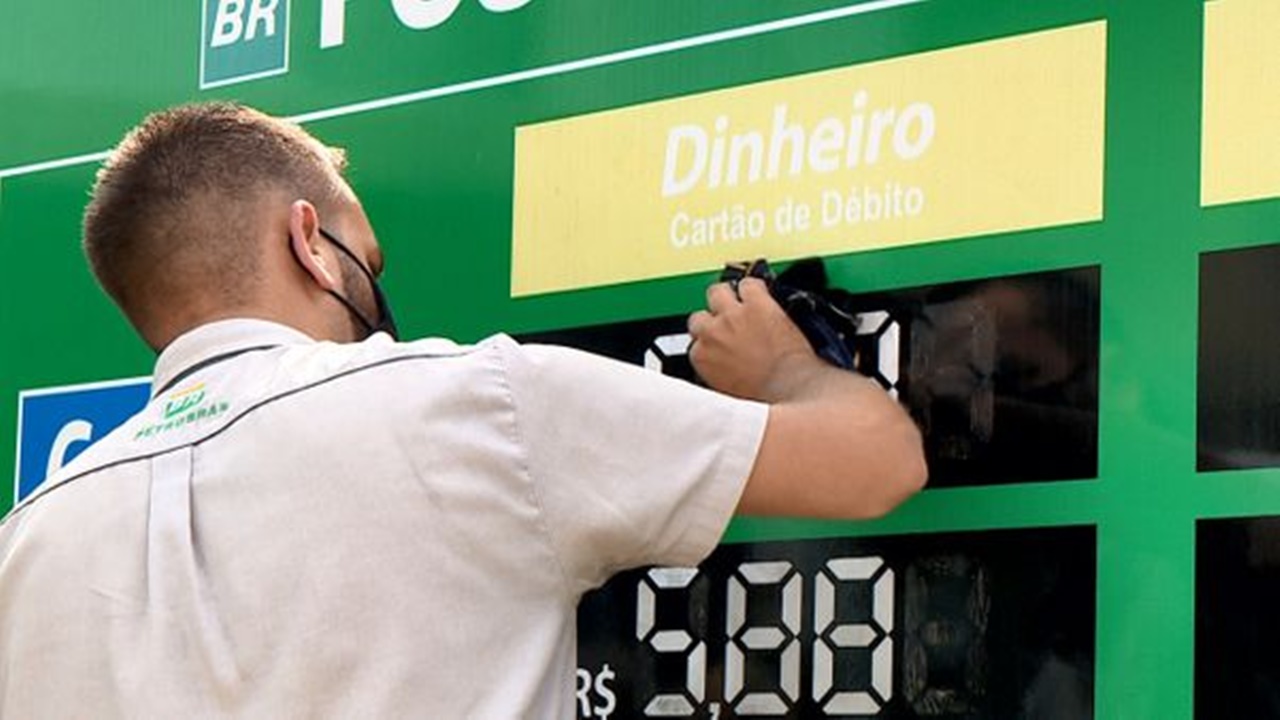
With Ethanol and Gasoline Prices Soaring, Filling Up with CNG Remains Advantageous Even with Petrobras’ 39% Increase, Says Copergás
High gasoline prices are not the main villain for the rise in ethanol prices; the biofuel, even being produced in Brazil and in reais, has also risen and become just as expensive. This is due to exports and also because the price of sugarcane has become more attractive, with a larger share of the input being directed to sugar production.
Read Also
- Raízen, the giant ethanol producer in Brazil, invests R$ 345 million in agricultural fleet to increase production and reduce costs
- Direct sales of ethanol from mills will stimulate competition and curb the increase in gasoline prices at gas stations
- Ethanol production plummets and mills increase sugar production due to low sugarcane prices
- Ethanol and gasoline prices soar, Petrobras increases CNG by 39% and the adjustment may impact Brazilians’ pockets even more in the coming weeks
- Ethanol mills and sugarcane suppliers are in a standoff over the division of revenue from carbon credits under the federal RenovaBio program
Those who need to fill up their cars at the pump won’t have much choice if gasoline prices have risen significantly, driven by pressures such as the dollar and global oil prices; ethanol prices have not lagged behind.
Last Monday (5), Petrobras announced a 39% increase in the selling prices of Compressed Natural Gas for distributors. Starting in May, CNG, the main option for drivers who travel many kilometers per day and want to avoid rising gasoline and ethanol prices, will also affect Brazilians’ wallets; however, even with the adjustment, filling up with Natural Gas will still be advantageous, says Copergás.
-
While Russia dominates the global wheat market, Brazil emerges as an unexpected competitor in the Cerrado, offering grain available in July and August when stocks in the Northern Hemisphere are at their lowest point of the year.

-
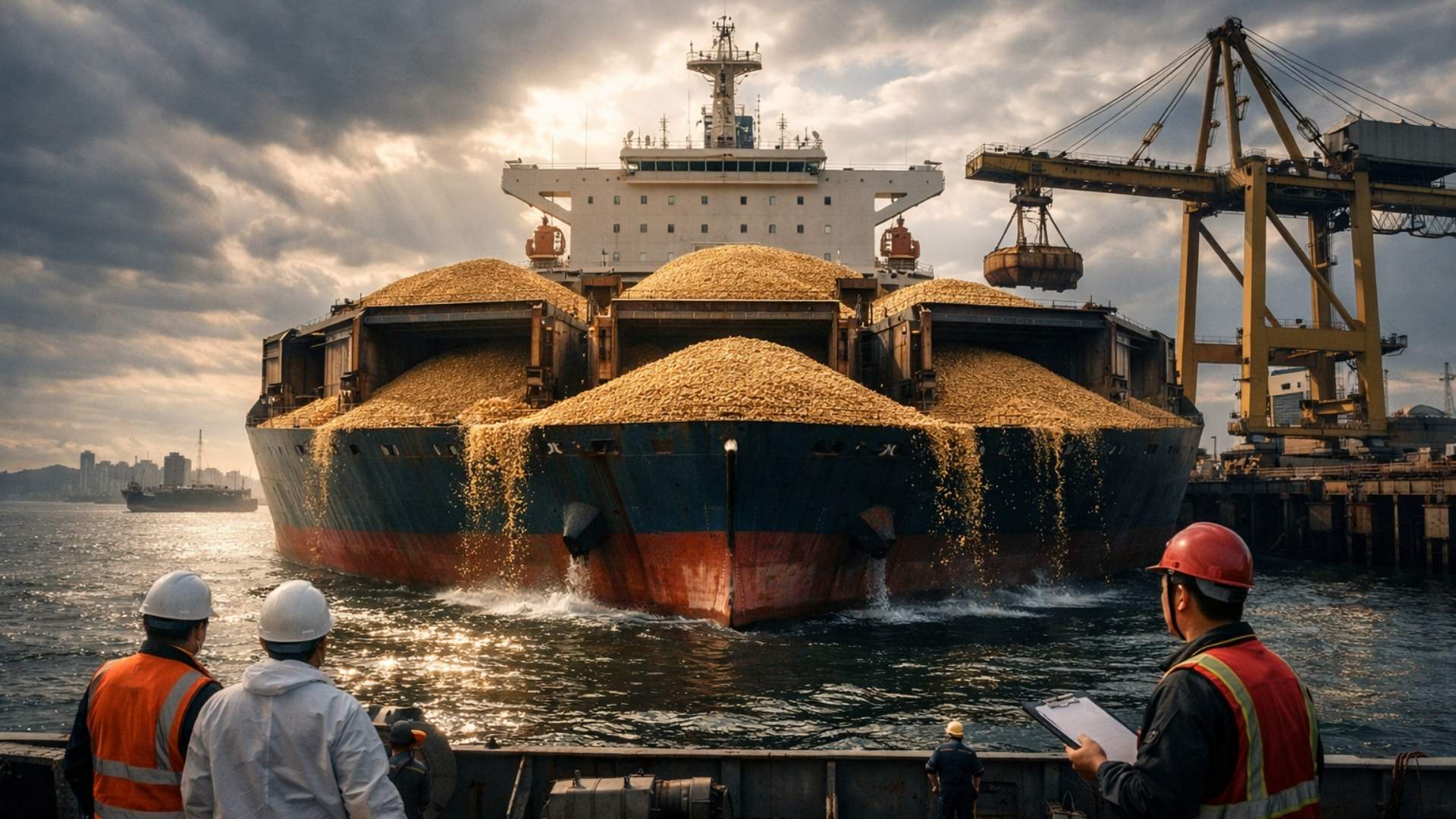
China returned almost 20 Brazilian ships with soybeans, but now everything could change: the country that buys 80% of the grain is considering relaxing regulations after impurities held up shipments of thousands of tons and caused million-dollar losses.
-
Chinese giant worth nearly R$ 4 billion that manufactures cables for electric cars, solar energy, and robotics wants to open a factory in SC.

-
Many employers do not know, but the law guarantees domestic workers a 25% increase in salary during trips, 50% for overtime, 20% for night shifts, and 17 additional benefits that can lead to labor lawsuits if not paid.


Even with Soaring Prices, Gasoline Has Become More Advantageous than Filling Up with Biofuel
Even with soaring prices, in much of the country, gasoline has even become more advantageous than biofuel: the reference rule is that a liter of ethanol, which provides less energy, should cost up to about 70% of the price of a liter of gasoline for consumers to travel the same distances at the same cost using either. This proportion may vary slightly depending on each car’s performance.
The good news is that both fuels have started to become a little cheaper in recent days, although the decrease does not come close to compensating for the increases both have already accumulated: since the beginning of 2021, the average price of gasoline at gas stations in the country has risen 19%, while ethanol prices have gone up 21%. Over the course of a year, gasoline has risen by 27% and ethanol by 28%.
Gasoline and Ethanol Are Hitting Historical Highs at the Pumps
Currently, gasoline is sold at an average of R$ 5.45 per liter, with prices exceeding R$ 6 in some states, according to a weekly survey conducted by the National Petroleum Agency (ANP). Ethanol, on the other hand, reached R$ 4 for the first time in March and is now sold for R$ 3.88 per liter, also considered the national average collected by the Agency.
Prices can vary significantly from state to state, depending on regional taxes and the distance from major producing hubs. On average, a liter of ethanol is costing 71% of the price of gasoline, at the limit of the margin where it becomes less advantageous.
More Exports and More Sugar
The Brazilian oil company Petrobras is responsible for almost all gasoline production consumed in Brazil. The state-owned company uses the price of oil and the dollar to adjust fuel prices; thus, as both commodities have soared in the past year, Brazilian gasoline and diesel prices have also skyrocketed.
But if ethanol is an entirely national product made from sugarcane and has nothing to do with oil, why did its price rise in the same way?
With more attractive sugarcane prices, a larger share of the input has been directed to sugar production, which reached 38.46 million tons. The volume of ethanol was 30.37 billion liters, including anhydrous ethanol (which is mixed with gasoline before reaching gas stations), hydrated ethanol (sold directly at stations), and ethanol derived from corn — which amounted to 2.57 billion liters. In the last harvest, the supply was 33.25 billion liters, a historic record for the sector.
As a substitute for gasoline, in addition to competing with sugar since it is produced from the same sugarcane, ethanol also competes at the pumps with gasoline, as drivers can choose either to fill up. That is why the price of one reflects the price of the other, even though they have completely different cost structures.
“The rise in gasoline prices generates a greater demand for ethanol, which results in increased prices,” explains the technical director of the Sugarcane Industry Union (Unica), Antonio de Padua Rodrigues. “In the first quarter, increases in gasoline prices generated greater consumer demand for the biofuel, during the off-season, which pressured ethanol prices.”









Seja o primeiro a reagir!