





 English
  Francês
  Alemão
  Italiano
  Japonês
  Norueguês
  Portuguese
  Spanish
  3 min of reading



With Ethanol and Gasoline Prices Soaring, Refueling with CNG Remains Advantageous Even with 39% Increase from Petrobras, Says Copergás
It was confirmed yesterday (04/28) by Abegás that Petrobras will adjust the selling prices of Compressed Natural Gas (CNG) for distributors by 39%, starting next Saturday, May 1st. Even with the adjustment, refueling with Natural Gas will continue to be advantageous, says Copergás. Currently, CNG is the main option for drivers who travel many kilometers a day and want to avoid the rising prices of gasoline and ethanol.
Read Also
- Job openings for elementary and high school education are available today (04/21) for work at an ethanol plant
- Brazil, the world’s leading ethanol producer, could profit from the increase in the ethanol blend in gasoline to 20% adopted by India
- Ethanol prices crash at plants
- Ethanol prices evaporate at plants and distributors liquidate stocks
- Hydrogen-Ethanol Mixture Promises to Revolutionize Efficiency and Reduce Fuel Consumption in Flexible-Fuel Engines
Unlike the prices of gasoline, diesel, and LPG (used in gas cylinders and kitchens), vehicle gas is adjusted quarterly. The increase in Reais per cubic meter will take effect on May 1st and the price will be maintained until the end of July.
According to the Brazilian oil company, the fuel considered cleaner and found accumulated in porous rocks underground is also linked to the price of oil. “For the months of May, June, and July, the reference is the prices from January, February, and March. During this period, oil prices rose by 38%, following the trend of rising global commodities. Additionally, domestic commodity prices have increased due to the depreciation of the Real,” the company stated in a note.
-
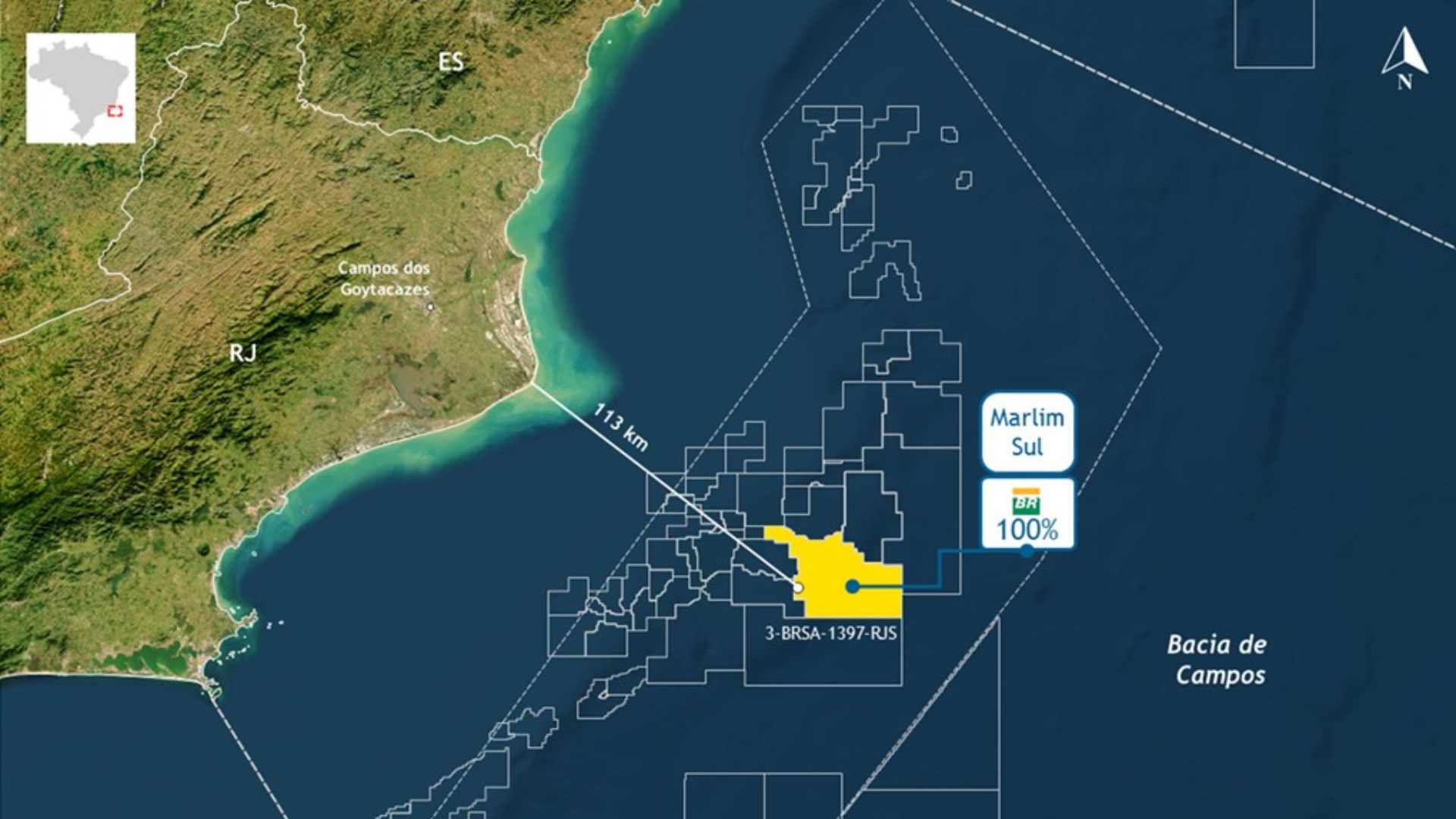
Petrobras finds high-quality oil in the pre-salt at 113 km from RJ and reignites expectations about strategic reserves in the Campos Basin.

-
Ocyan opens registrations for startups focused on innovation in the oil and gas sector and will select projects for Innovation Day with the support of Nexio.

-
Petrobras announces new oil discovery in the pre-salt of the Campos Basin and reinforces Brazil’s prominence with high-quality reserves that can increase production and energy revenues.
-
Alert in the fuel market: Analysts and a former director of ANP warn that oil prices may worsen in the coming months due to global instability.
Another factor that contributed to the 39% increase was the variation of the IGP-M, used for the annual adjustment of the CNG transport contract, which occurs every May. The accumulated figure this year was 31% for this index, which is also known to impact rental prices.
In the statement regarding the increase, Petrobras further justified that natural gas had an accumulated reduction of 35% in Reais last year.
Increase in Ethanol, Gasoline, and Now CNG Prices Will Further Impact App Drivers and Taxi Drivers
CNG has become popular in Brazil among app drivers and taxi drivers. This is because it offers better efficiency and is cheaper than ethanol and gasoline. According to distributor BR, the savings average 60%.
A popular car that drives 100 km a day gets 8 km per liter of ethanol, 10 km per liter of gasoline, and 12 km per cubic meter of CNG. However, the costs of installing the cylinders in the trunks are high, ranging from R$ 3,000 to R$ 6,000, in addition to the disadvantage of taking up space in the trunk.
The option for this fuel gained traction at the beginning of this year with the skyrocketing prices of gasoline and ethanol, which have accumulated increases of 40.76% and 25%, respectively. While the price per cubic meter of CNG is R$ 2.984, gasoline costs R$ 5.328 per liter and ethanol R$ 3.818, based on prices for São Paulo measured by ANP (National Agency of Petroleum, Natural Gas, and Biofuels).
Raízen of the Shell Group Plans to Build Three Ethanol Plants Using Bagasse and Sugarcane Straw
Raízen, the global giant producer of ethanol, in partnership with Shell, intends to build three more cellulosic ethanol plants — or second-generation plants. The good news was announced by businessman Rubens Ometto of Cosan last Monday (03/15).
The technology for producing cellulosic ethanol arose from a partnership between Shell and the Canadian company Logen, which specializes in biotechnology. In the last harvest (2019/20), the Piracicaba plant produced 226 liters of ethanol per ton of dry biomass.










Seja o primeiro a reagir!