





 English
  Francês
  Alemão
  Italiano
  Japonês
  Norueguês
  Portuguese
  Spanish
  3 min of reading


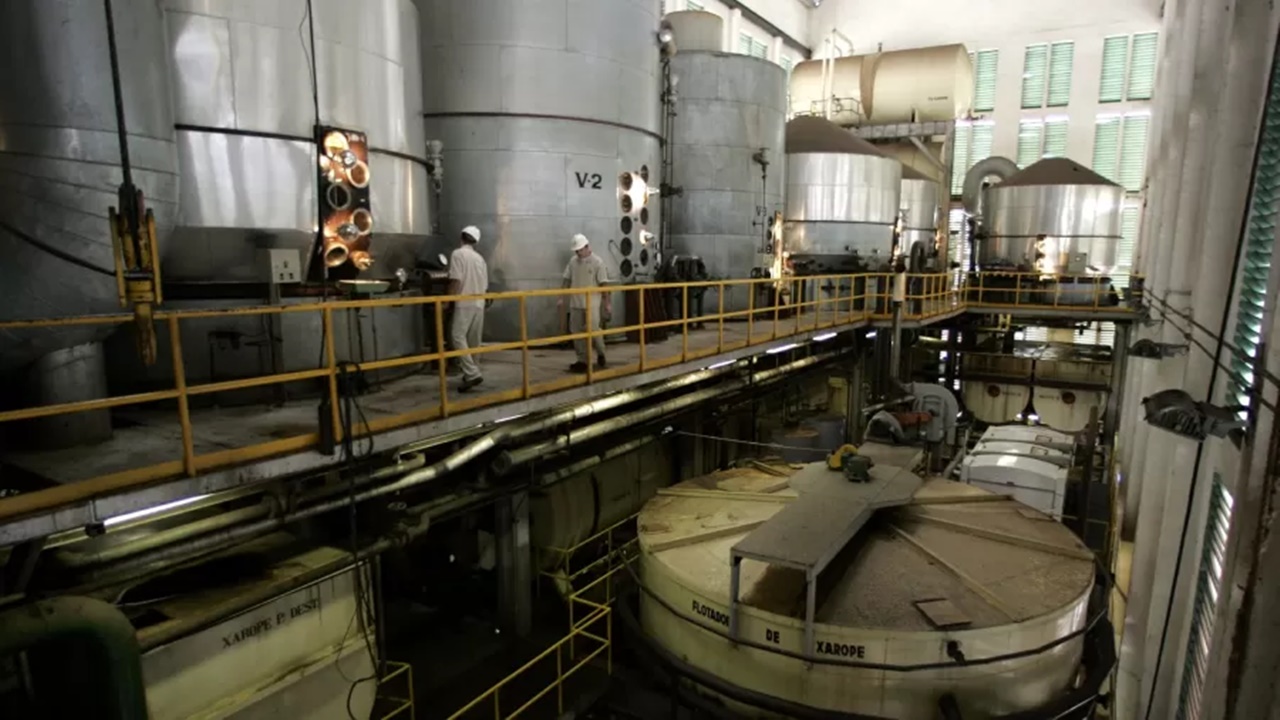
High Demand for Ethanol in the U.S. Is Set to Rise in the Coming Months, During the Summer Holidays, and Could Save Brazilian Mills That Reached Operate at Negative Levels
Despite Brazil’s 2021/22 sugarcane harvest, which began in April, being smaller than the previous one, demand for ethanol in Brazil is expected to remain pressured this year due to ongoing coronavirus pandemic lockdowns, according to estimates from the consultancy StoneX. However, with reduced domestic consumption and rising corn prices in the U.S. market, there are opportunities for exporting Brazilian biofuel to the United States, currently the world’s largest consumer of ethanol.
Read Also
- Job openings for elementary and high school are available for work in ethanol mills
- Ethanol Prices Spike Along with Gasoline; Sugar and Exports Make Biofuel More Expensive
- Ethanol Production Plummets and Mills Increase Sugar Production Due to Low Sugarcane Prices
- Hydrogen Blend with Ethanol Promises to Revolutionize Performance and Reduce Fuel Consumption in Flex Engines
- In addition to soaring ethanol and gasoline prices, distributors confirm a 39% increase in Petrobras’s CNG, which will further impact the finances of Brazilians starting Saturday (05/01)
According to expert opinions, even though the market is entering a new cycle, there is information about strong participation of mills in the futures market to take advantage of the high prices.
“Even though we may observe a restrained demand, Brazilian producers can find a very favorable environment in exports. First, because of our significantly devalued exchange rate, which stimulates exports. Additionally, we have observed that the U.S., the world’s largest consumer of ethanol, is in a situation of elevated prices due to corn,” emphasizes Rafaela Souza, market intelligence analyst for sugar and ethanol at StoneX.
-
While Russia dominates the global wheat market, Brazil emerges as an unexpected competitor in the Cerrado, offering grain available in July and August when stocks in the Northern Hemisphere are at their lowest point of the year.

-
China returned almost 20 Brazilian ships with soybeans, but now everything could change: the country that buys 80% of the grain is considering relaxing regulations after impurities held up shipments of thousands of tons and caused million-dollar losses.
-
Chinese giant worth nearly R$ 4 billion that manufactures cables for electric cars, solar energy, and robotics wants to open a factory in SC.

-
Many employers do not know, but the law guarantees domestic workers a 25% increase in salary during trips, 50% for overtime, 20% for night shifts, and 17 additional benefits that can lead to labor lawsuits if not paid.


“In market terms, there is a very positive expectation for prices, both for sugar and for ethanol. The expectation is that we will continue seeing a scenario of high exchange rates and attractive international prices, which contributes to maintaining exports at high levels,” explains Fábio Costa, market analyst at Conab.
High Demand for Ethanol in the U.S. Could Save Brazilian Mills That Reached Operate at Negative Levels
There is a circumstance where, despite the corn planting just beginning in the U.S., there will be a scenario of tight stocks of the cereal, which is the main raw material used for distillation by North Americans, alongside expectations on the livestock and ethanol sides sustained in the country.
“The margins of ethanol mills in the country are pressured, reaching operate at negative levels,” points out Rafaela in an interview with Notícias Agrícolas.
According to Conab, even with the impacts of the pandemic, during 2020, the 2020/21 harvest had a positive balance of prices and production, especially for sugar. “Attractive international market prices and high exchange rates ended up stimulating sugar exports this harvest, which increased by about 70% over the previous one,” it states.
However, last Monday, StoneX reported that the forecast for sugarcane milling in the Center-South of Brazil had a decrease of about 6% compared to the previous year.
Despite a positive outlook for exports, the supply of cane for sugar and ethanol production will be more restricted. “It is clear that we are likely to have a year of sustained prices for ethanol in Brazil, especially if the demand for exports comes in stronger,” concludes Rafaela.









Seja o primeiro a reagir!