





 English
  Francês
  Alemão
  Italiano
  Japonês
  Norueguês
  Portuguese
  Spanish
  6 min of reading
  0 comments


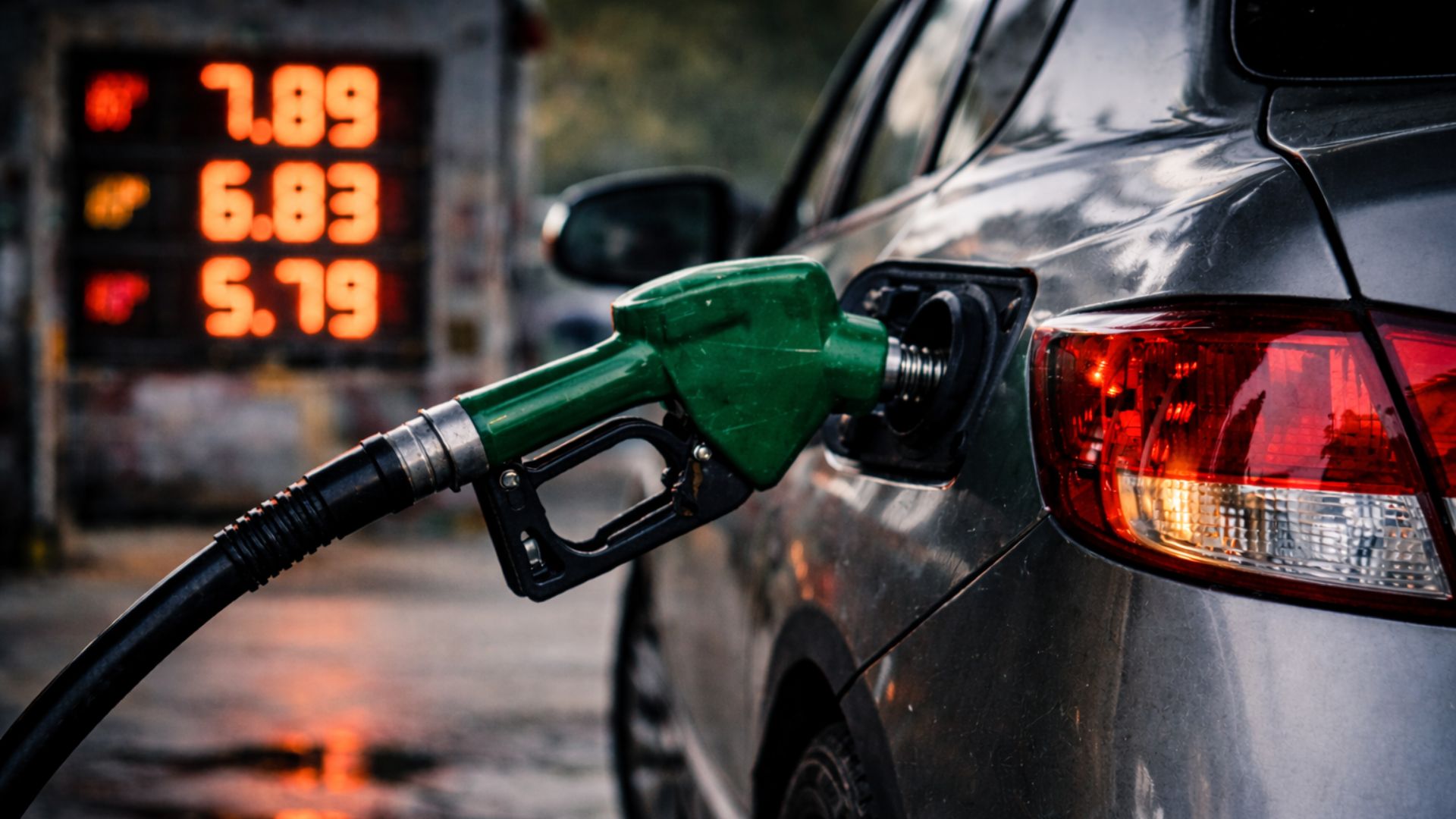
Understand Why The Price Of Ethanol Is No Longer Advantageous Compared To Gasoline, How Fuel Prices Vary Between States And When The Biofuel Is Still Worth It At The Pump.
The price of ethanol has started to rise again in Brazil, losing competitiveness against gasoline in all states evaluated by the ANP. According to a report published by Money Times this Monday (9) and other outlets, the weekly survey revealed a movement that, although small in percentage terms, has a direct impact on the consumer’s wallet and on the dynamics of the national energy sector.
Rising Ethanol Prices And Loss Of Advantage Against Gasoline Sound The Alarm In The Market
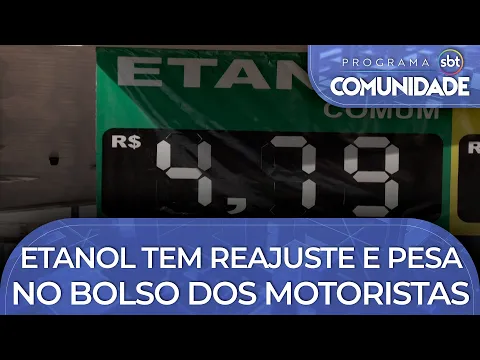
On average nationwide, the price of ethanol rose from R$ 4.63 to R$ 4.64, a variation of 0.22%. This increase may seem discreet at first glance, but it becomes significant when compared to the performance of gasoline.
The parity between the two fuels reached 73.53%, exceeding the traditional limit of 70% considered an economic advantage point for ethanol. In other words, fueling with biofuel has ceased to be financially attractive in most situations.
-
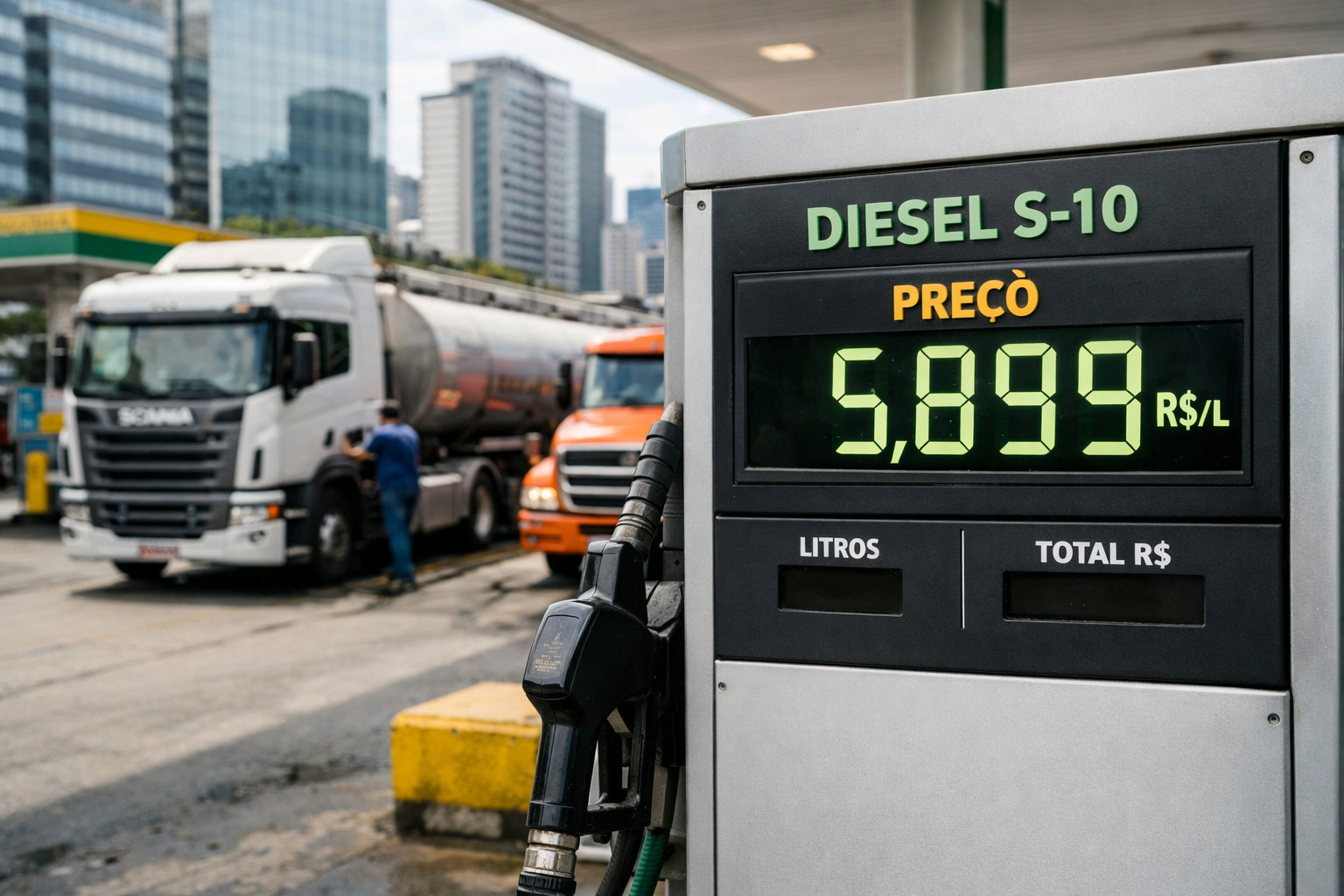
Former president of IBP highlights that dependence on diesel imports pressures prices in Brazil, increases vulnerability to global crises, and underscores the need for more robust and sustainable energy policies.
-
Middle East War Drives Up Oil Prices, And Petrobras Increases Diesel: Fuel Reaches R$ 3.65 Per Liter At Distributors
-
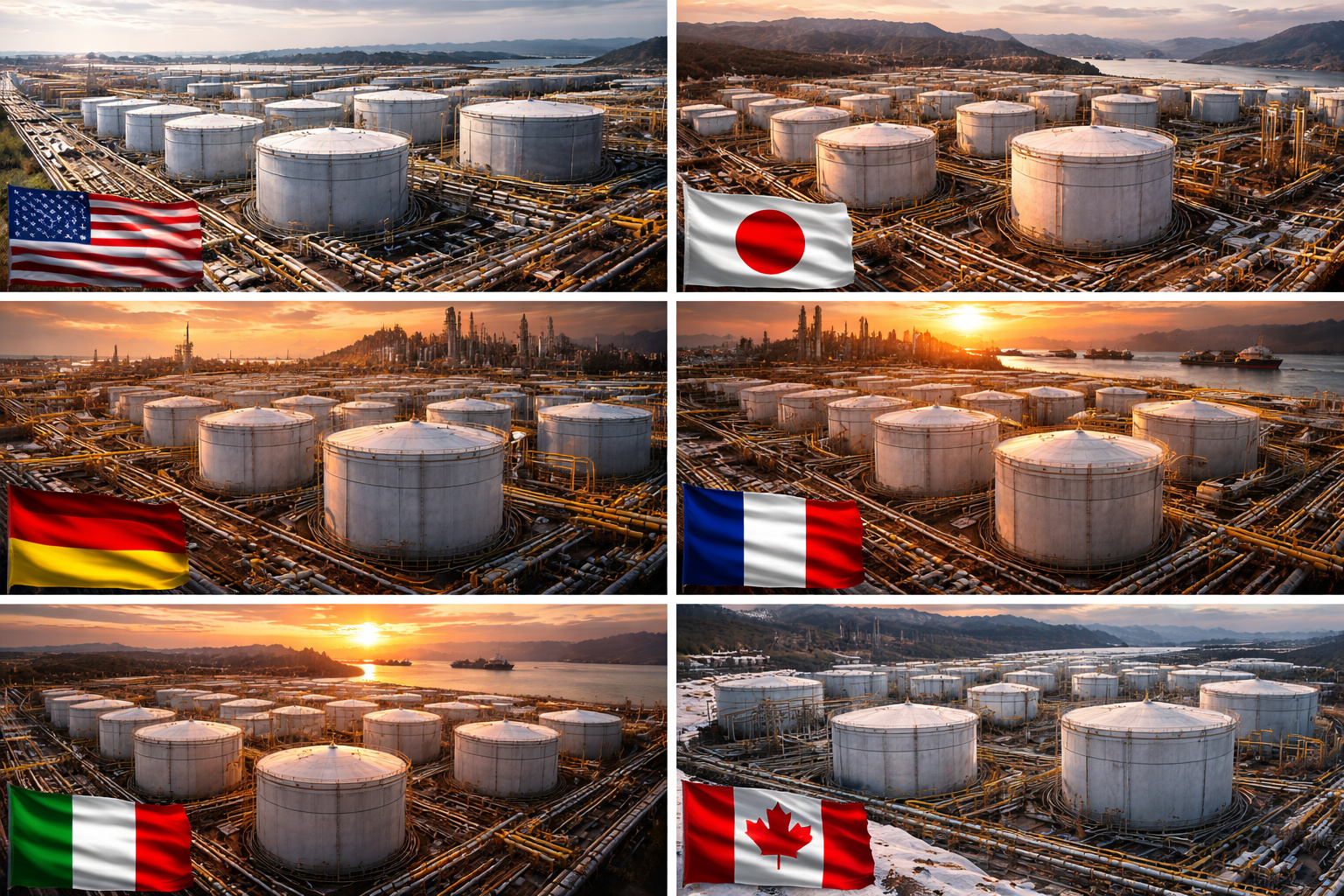
Oil Soars to Nearly $120, Middle East Tensions Shake Global Market, and a Little-Known Detail Returns to Energy Debate: The Gigantic Strategic Reserves Hidden by G7 Countries — See How Many Millions of Barrels Each Nation Holds in Reserve to Face a Global Crisis
-
Gasoline And Diesel May Change Course In Brazil: International Oil Pressure Renews Debate On Prices And Direct Impact On Drivers’ Wallets
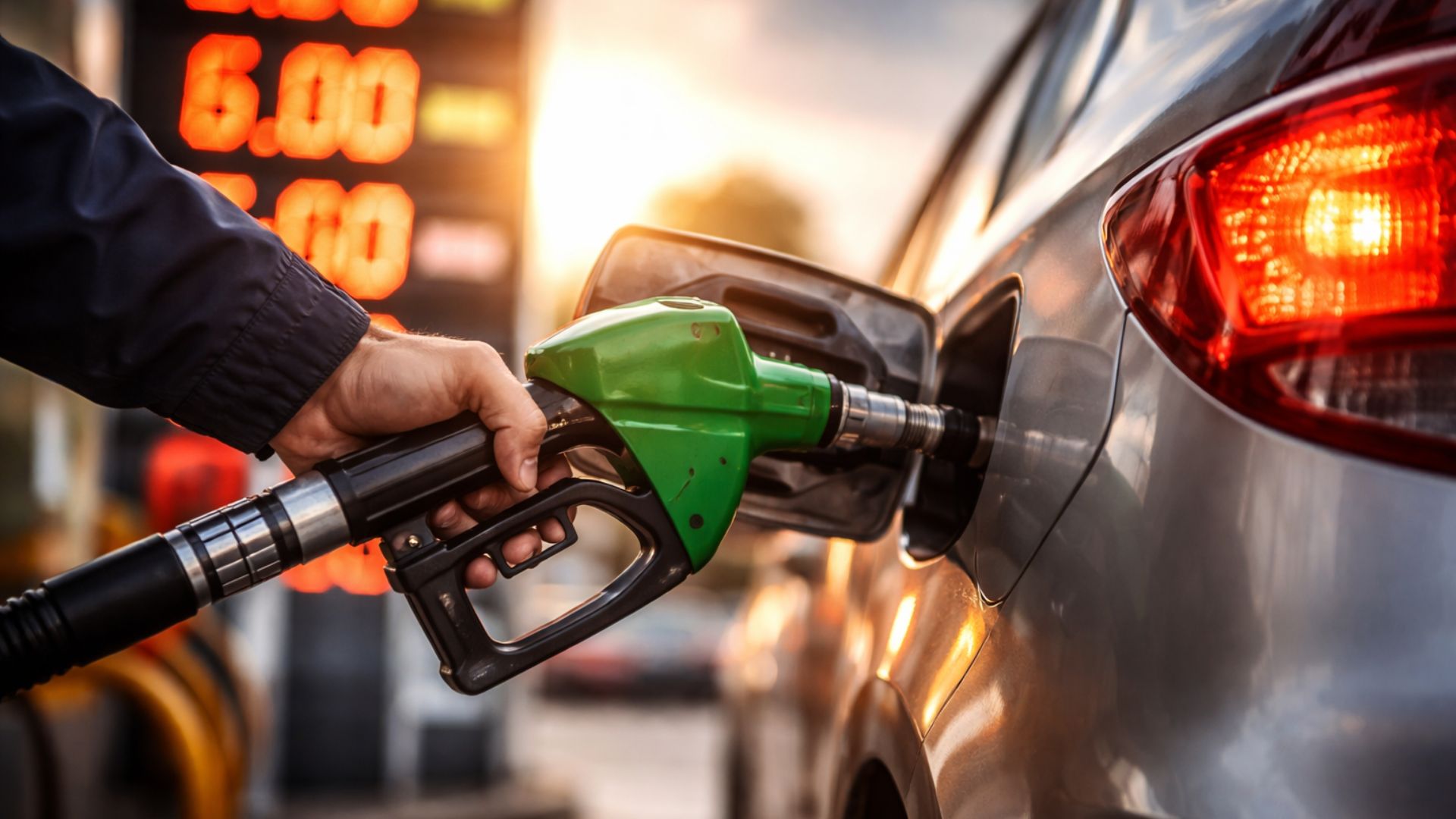
The scenario reinforces a trend of constant fluctuation in fuel prices, a phenomenon influenced by factors such as agricultural production, distribution logistics, state taxation, and demand behavior. Small percentage variations can result in significant accumulated impacts over the month.
Regional Variation Reveals Expressive Contrasts In Fuel Prices
The analysis by state shows that the price of ethanol did not behave uniformly. There were increases in eight states, decreases in five, and stability in eleven, in addition to the Federal District. In Amapá, there was no measurement that specific week. This diversity reveals how the price of fuels depends on multiple regional factors, including proximity to plants, competition among gas stations, and logistical costs.
São Paulo, the country’s main production hub and reference point for price formation, recorded an increase of 0.22%, rising from R$ 4.46 to R$ 4.47. Despite the modest increase, the state continues to exert strong influence over the national market for biofuel. Tocantins, on the other hand, had the highest percentage increase, with a rise of 2.53%, raising the average price from R$ 5.14 to R$ 5.27.
On the flip side, the Federal District had the largest decrease, dropping 1.70%, from R$ 4.71 to R$ 4.63. Regional contrasts highlight that consumers need to keep track of local data before refueling. In a country with continental dimensions like Brazil, a difference of a few cents can represent significant savings over time.
Where Does The Price Of Ethanol Hit The Brazilian Driver The Hardest?
When the focus shifts to the extremes of the values found, the scenario becomes even more expressive. The lowest average state price was identified in Mato Grosso do Sul, at R$ 4.29 per liter. In contrast, the highest average value was recorded in Amapá, reaching R$ 5.83. This gap shows how the price of ethanol can vary drastically by region.
Considering specific prices at gas stations, the lowest price found was R$ 3.89 in São Paulo, while the highest reached R$ 6.83 in Rio Grande do Sul. The difference exceeds two reais per liter between national extremes. This data reinforces the importance of conducting prior research, especially for those making long trips or relying on their vehicle daily.
Additionally, the variation directly impacts the consumer’s financial planning. Even seemingly small differences accumulate over the month, influencing the total cost of travel. Therefore, observing the trend of fuel prices has become an essential practice for those seeking balance in their budgets.
Parity Between Gasoline And Biofuel Is No Longer Favorable To Ethanol
Parity is the main indicator used to measure the economic advantage between biofuel and gasoline. Traditionally, it is considered that ethanol is worth it when its price corresponds to up to 70% of the value of gasoline. However, the ANP’s survey indicated a national average of 73.53%, signaling a loss of competitiveness.
This index indicates that, from a purely financial perspective, drivers tend to spend more when opting for ethanol. However, industry experts highlight that the vehicle’s efficiency can alter this equation. More modern flex-fuel cars show better energy yield, which can reduce the impact of the price of ethanol and balance the cost per mile driven.
Not always does the price displayed at the pump represent the real cost of use. The vehicle’s autonomy, driving style, and mechanical maintenance also affect the final result. Nonetheless, the current scenario points to a predominant advantage for gasoline in terms of immediate savings.
Impacts Of Fuel Prices On The Economy And Consumer Daily Life
The increase in the price of ethanol does not only affect individual drivers. The fuel plays a structural role in the Brazilian economy, influencing the transportation of goods, urban logistics, and even industrial production costs. Consequently, any change in the price of fuels tends to reverberate across different sectors.
When ethanol loses competitiveness against gasoline, the demand for biofuel may decrease, directly impacting producers and plants. Brazil is one of the world’s largest producers of this renewable fuel, and frequent fluctuations affect everything from sugarcane planting to the final retail price. The fuel drives the entire economic chain, not just the vehicle.
Moreover, the psychological impact is also significant. The perception of constant increases generates caution in spending and alters consumption habits. Many drivers begin to prioritize essential trips, reducing unnecessary travel and seeking alternative mobility options.

Sustainability, Efficiency And The Role Of Biofuel In Driver Choices
Even in the face of lost economic advantage, biofuel continues to play a fundamental role in the Brazilian energy matrix. Ethanol has lower emissions of polluting gases compared to gasoline, in addition to being renewable and widely produced in the country. From an environmental point of view, it remains a strategic option.
The decision to refuel with ethanol, therefore, involves not only the price of ethanol but also factors such as environmental awareness and vehicle efficiency. More recent flex models can extract higher energy yield, bringing the cost per kilometer closer to that of gasoline. Economy and sustainability can go hand in hand when the consumer evaluates the complete scenario.
Another important point is vehicle maintenance. Regulated engines, properly inflated tires, and regular inspections contribute to better energy performance, reducing the impact of fuel prices on the monthly budget.
Practical Strategies To Save Amid Price Fluctuations
In light of the constant variation in ethanol and gasoline prices, adopting intelligent strategies has become essential. Researching prices among gas stations, using comparison apps, and following official bulletins are simple measures that can generate relevant savings over the month.
Another alternative is to observe the average consumption of the vehicle with different fuels. In some cases, even with parity above 70%, biofuel may still present an advantage due to better engine performance. Information transforms into savings when applied correctly.
Additionally, driving habits directly affect fuel consumption. Harsh accelerations, excessive weight in the car, and irregular maintenance increase consumption and amplify the impact of fuel prices. Small changes in behavior can represent significant differences at the end of the month.
What This Scenario Reveals About The Future Of Refueling In Brazil
The current behavior of the price of ethanol demonstrates that the energy market in Brazil remains sensitive to multiple factors, from climatic conditions to tax policies. The momentary loss of competitiveness does not signify the definitive devaluation of biofuel, but highlights a cycle of natural adjustments in the sector.
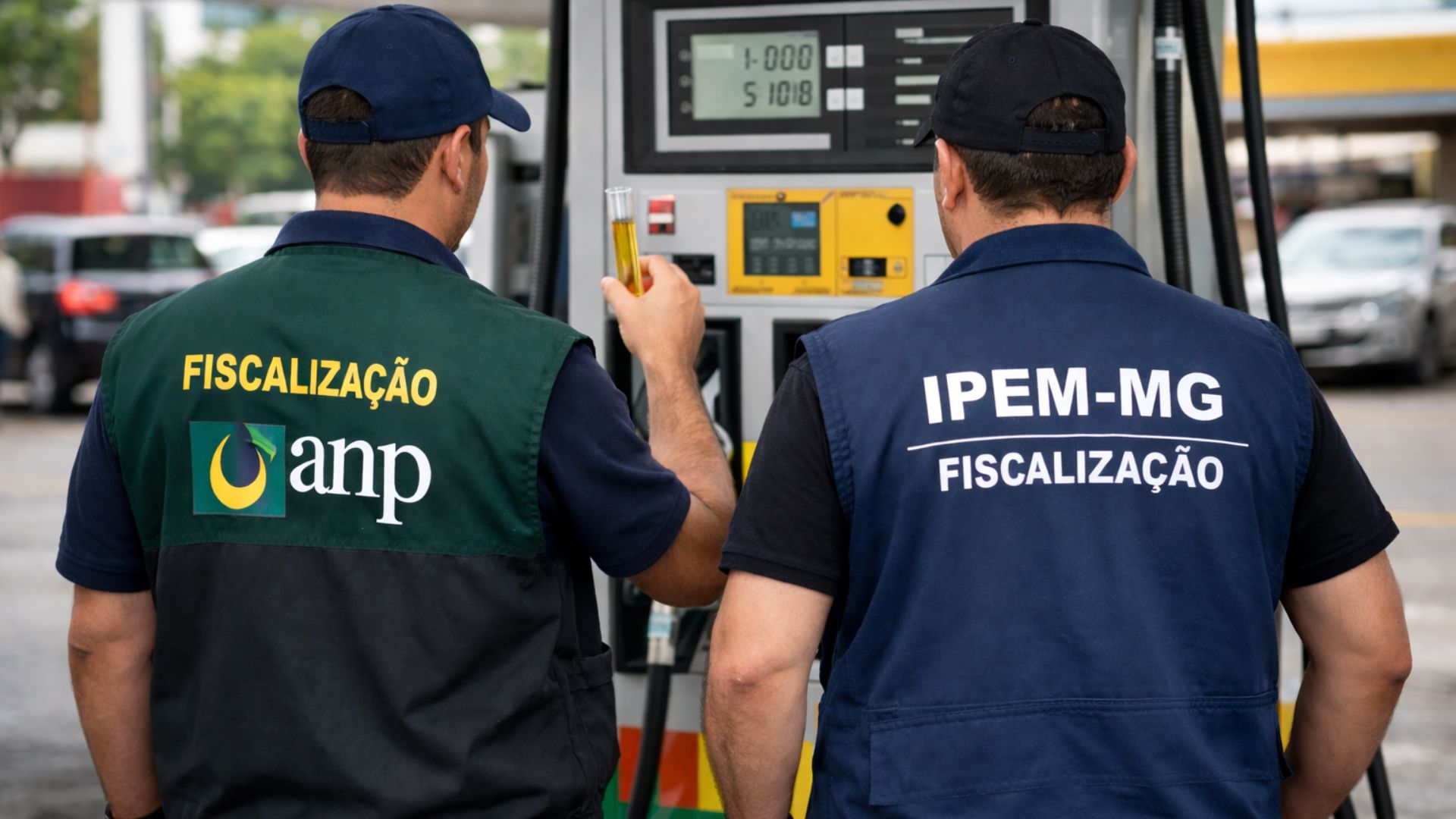
The Brazilian driver lives in a period of heightened awareness. The decision between ethanol and gasoline is no longer automatic and requires constant analysis. In a context of frequent fluctuations, monitoring official data from the ANP, observing regional trends, and evaluating the performance of one’s vehicle become indispensable actions.
More than just choosing the cheapest fuel at the moment, consumers are adopting a strategic posture. Refueling is no longer a routine act but transforms into a conscious financial decision, influenced by information, planning, and an understanding of the national energy market.








-

Uma pessoa reagiu a isso.