





 English
  Francês
  Alemão
  Italiano
  Japonês
  Norueguês
  Portuguese
  Spanish
  5 min of reading
  0 comments


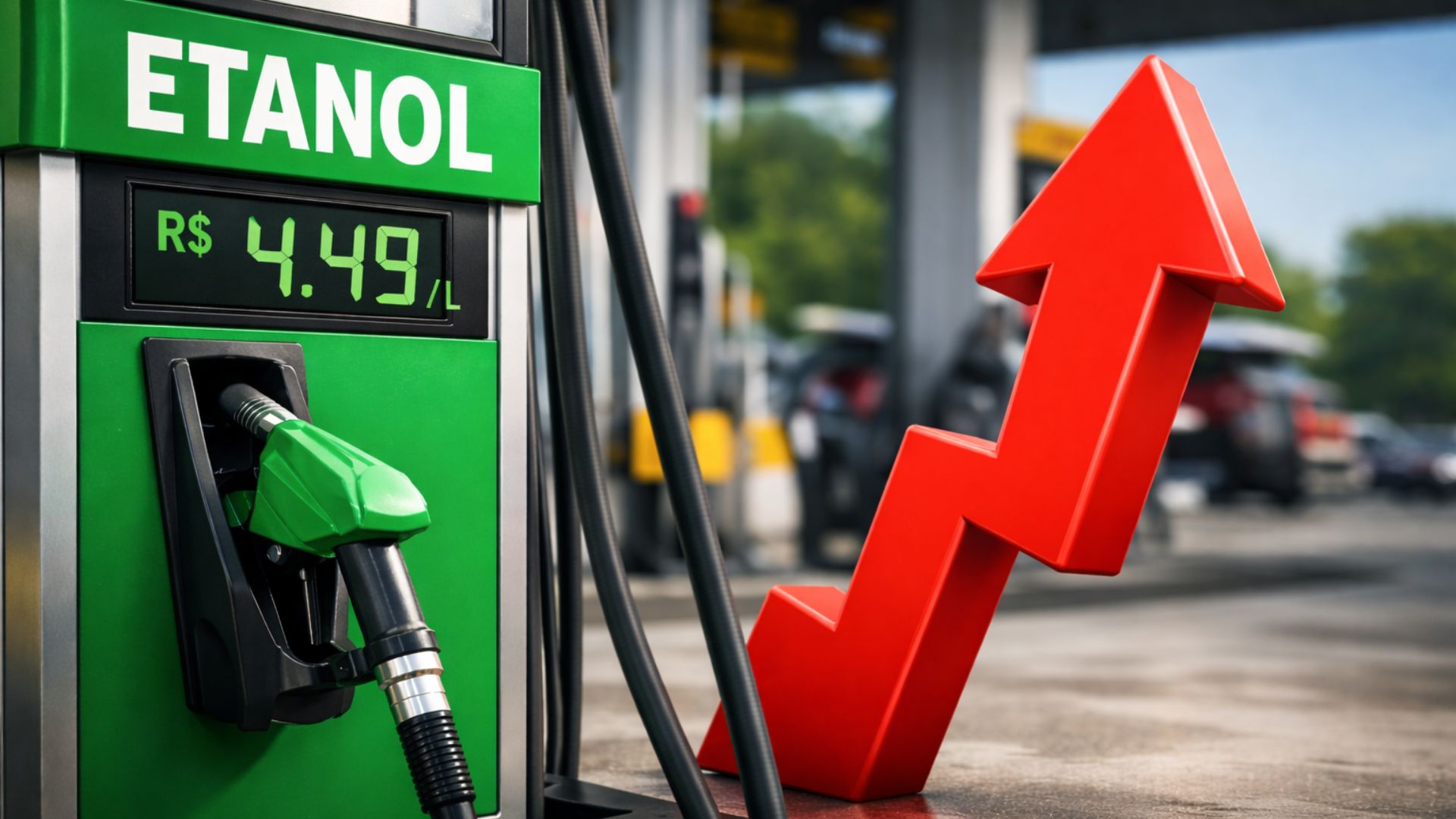
High Ethanol Prices Pressures Drivers’ Wallet: ANP Report Reveals Increases in 15 States, Declining Competitiveness Against Gasoline and Direct Impacts on the Fuel Market in Brazil.
The Brazilian energy and mobility market started the year under pressure. Official data from the National Agency of Petroleum, Natural Gas and Biofuels (ANP), compiled by AE-Taxas, show that the ethanol price rose in 15 states, fell in four others and, in the Federal District, remained stable in six federative units and was not collected in Amapá.
According to a report published by Agência Eixos on Tuesday (6), the national average price of the biofuel increased 0.22% compared to the previous week, reaching R$ 4.49 per liter. This movement directly impacts consumers and reduces the competitiveness of ethanol against gasoline, repositioning ethanol in the fuel market right at the beginning of the year.
ANP Details Ethanol Price Behavior in the States
The most relevant data from the survey is clear and straightforward: ethanol was competitive in only one Brazilian state. This reality may reinforce the difficulties faced by the sugar-energy sector in maintaining economic advantage against the current scenario of fuel prices.
-
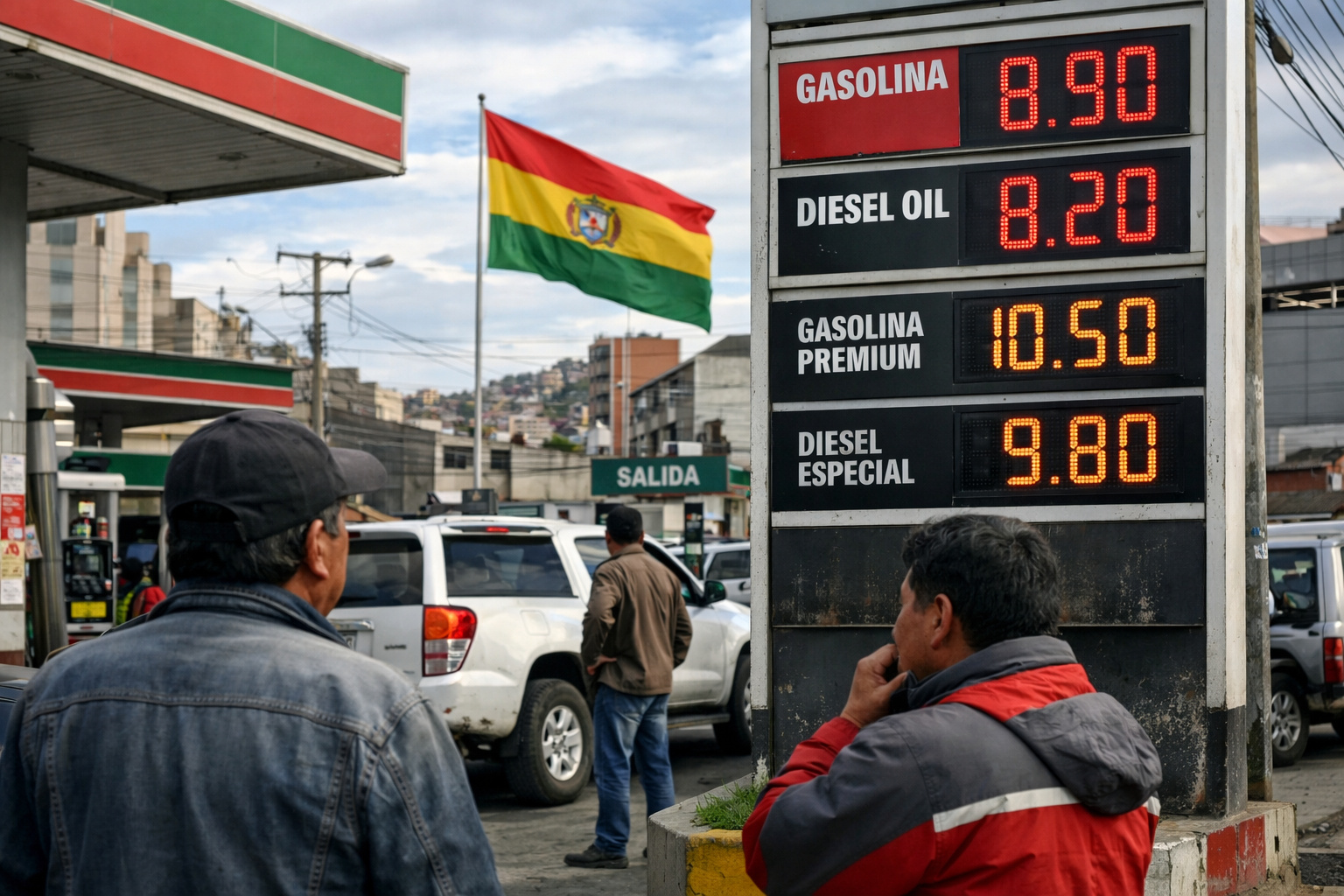
Bolivia Declares National Emergency, Ends Fuel Subsidies, and Prepares Up to 100% Increase in Gasoline and Diesel Prices
-
Brazilian Fuel Market Drives EPE’s New Projections for 2025 and Advances in Diesel, Ethanol, and Aviation
-
ANP Fuel Supply Oversight: Strategic Partnership with Ipem-SP Aims to Enhance Safety, Georeferencing, and Control in the Fuel Market
-
Why Is Gasoline Expensive and Diesel Cheap? Analysts Point to Petrobras Maneuver
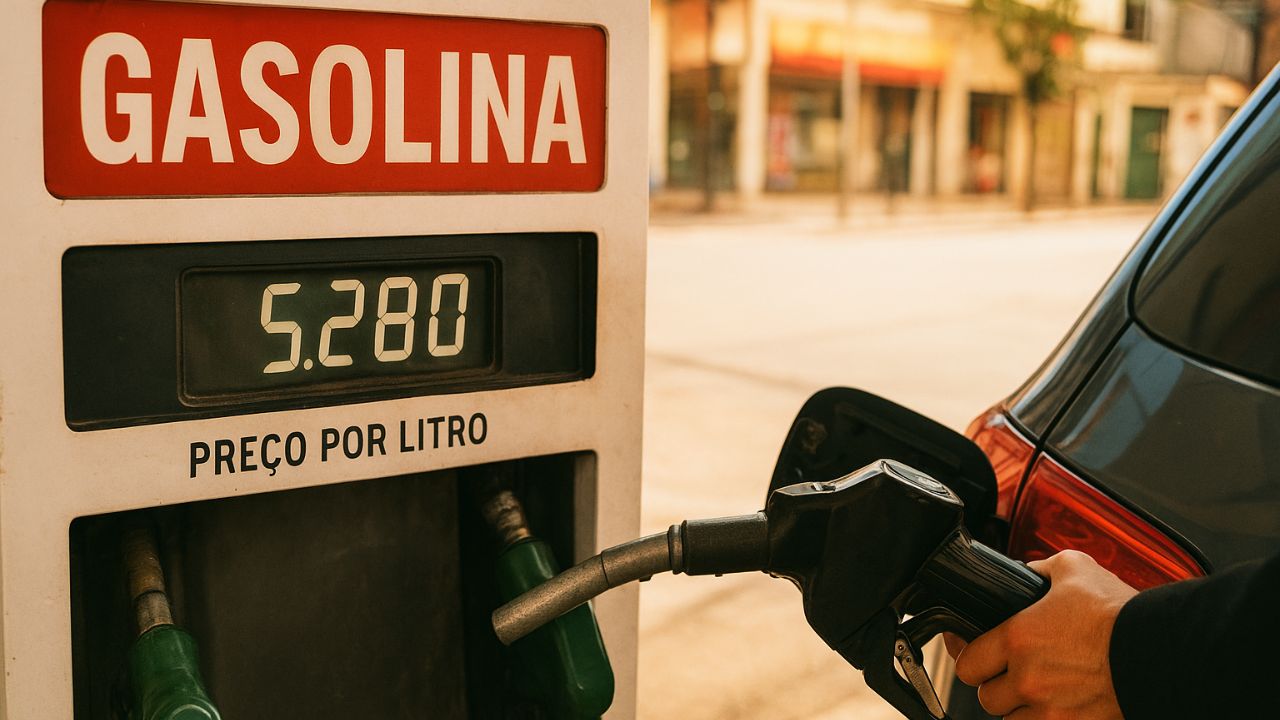

According to the ANP, the behavior of the ethanol price showed significant variations between regions, reflecting logistical, tax, and supply differences. In São Paulo, the largest producer and consumer in the country and state with the highest number of surveyed stations, the average price remained stable at R$ 4.28 per liter.
Despite the stability, the price charged in the state was not enough to ensure an advantage over gasoline in most municipalities. This reinforces that, even in producing regions, ethanol faces challenges to compete in the current fuel market context.
Tocantins recorded the highest percentage increase of the week, with an advance of 3.92%, raising the price to R$ 5.04. Acre, on the other hand, showed the largest drop of 12.35%, but still maintained one of the highest prices in the country, at R$ 5.25 per liter. These movements demonstrate that the upward trend is not homogeneous, but still affects a large part of the national territory.
Ethanol Price Varies Significantly Among Brazilian Fuel Stations
The ANP research also highlights the wide disparity in ethanol prices among Brazilian gas stations. The lowest price found was R$ 3.59 per liter, recorded in São Paulo, while the highest observed price reached R$ 6.08 in Acre. This difference of over R$ 2.40 per liter reveals the direct impact of logistics, state taxation, and proximity to production hubs on the final price paid by consumers.
When analyzing the average state price, Mato Grosso do Sul recorded the lowest value at R$ 4.00 per liter, while Amazonas had the highest average price in the country at R$ 5.49 per liter. The heterogeneity of the Brazilian fuel market remains one of the main challenges for consumers and public policy makers.
ANP Reveals Declining Competitiveness of Ethanol Against Gasoline
The competitiveness of ethanol is traditionally assessed by the relationship between its price and that of gasoline. In general, the biofuel is considered advantageous when it costs up to 70% of the price of gasoline.
In the week ending on January 3, 2026, the ANP reported that, on average, ethanol presented a parity of 72.19% relative to gasoline. This indicates an unfavorable scenario, making gasoline the more economically attractive option for most drivers. This level reduces ethanol consumption and directly influences the balance of the fuel sector in the country.
Ethanol Price is Competitive Only in Mato Grosso do Sul
Among all the analyzed states, only Mato Grosso do Sul presented a clearly favorable scenario for ethanol. In the state, the liter was sold at an average of R$ 4.00, with a parity of 67.34% against gasoline.
This result positions the state as an exception in the ANP report, showing that ethanol can still be competitive when there is strong local production, reduced logistical costs, and efficiency in the distribution chain. It is an isolated example, but it demonstrates the potential of the biofuel when structural conditions are favorable.
Impacts of the Increase in Ethanol Price on the Fuel Sector
The rise in the ethanol price generates chain effects. The loss of competitiveness encourages migration to gasoline, which can increase greenhouse gas emissions and reduce the participation of biofuels in the national energy matrix.
Additionally, lower demand puts pressure on the sugar-energy sector, affecting revenues, investments, and job generation. The performance of ethanol also influences public policies aimed at energy transition and reducing dependence on fossil fuels. The balance between price, supply, and regulatory incentives remains essential for the sector’s sustainability.
Fuel Prices and the Expected Volatility for 2026
The scenario observed at the beginning of 2026 reinforces the volatility of fuel prices in Brazil. In the case of ethanol, factors such as crop seasonality, weather conditions, production costs, and competition with sugar in the international market remain decisive.
The market expectation is that, with the advancement of the harvest in the Central-South, there will be greater supply and the possibility of relief in prices over the year. Nevertheless, the environment remains subject to fluctuations. For consumers, following ANP data remains the main strategy for more informed decisions.
What Does the Current Fuel Scenario Reveal About the Brazilian Market?
The data released by the ANP for the week ending on January 3, 2026 provide a clear snapshot of the current situation of ethanol in Brazil. The ethanol price rose in most of the country, limited its competitiveness, and made the biofuel advantageous in only one state.
Despite this, ethanol continues to play a strategic role in the fuel sector, both for its environmental and economic relevance. The evolution of fuel prices throughout 2026 will be crucial in determining consumption patterns, investments in the sector, and the advancement of energy transition in the country. Understanding the numbers, analyzing the regional context, and following official data is essential for consumers, companies, and policymakers.









-

Uma pessoa reagiu a isso.